Pimecrolimus (Topical) – Patient Information for the United Kingdom
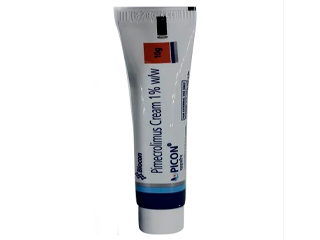
Pimecrolimus is a prescription-only medicine used on the skin to help treat certain inflammatory conditions. It belongs to a group of medicines called topical immunomodulators. This page is written to be patient-friendly and to help you understand what pimecrolimus does, how it is used, and what to expect.
Basic product information
| Field | Details |
|---|---|
| Generic name | Pimecrolimus |
| Medicinal form | Cream for application to the skin |
| Typical strength | Often supplied as 1% cream (confirm your pack) |
| Drug class | Topical calcineurin inhibitor (immunomodulator) |
| Who it is commonly used for | Atopic dermatitis/eczema in selected age groups and situations (as advised) |
| Main use type | Treatment of flares and/or maintenance in eczema (depending on local guidance and your plan) |
Always check your medicine label and the information leaflet supplied with your product for the exact directions. If anything is unclear, ask your pharmacist or clinician.
What is pimecrolimus and how does it work?
Pimecrolimus is a topical immunomodulator. In simple terms, it helps calm the immune activity in the skin that contributes to inflammation and itch.
Mechanism of action (how it works)
Pimecrolimus belongs to the calcineurin inhibitors. After application to the skin, it works by:
- Reducing activation of T-lymphocytes (a type of immune cell involved in inflammatory skin reactions)
- Decreasing inflammatory signalling in the skin
- Helping to reduce redness, swelling, and itch associated with inflammatory eczema flares
Unlike some medicines that numb pain or act as strong steroids, pimecrolimus does not work as a local anaesthetic. It is intended to improve the underlying inflammation in conditions like eczema.
How pimecrolimus is absorbed and processed (pharmacokinetics)
Because pimecrolimus is applied to the skin, absorption into the bloodstream is generally low. The amount absorbed can vary depending on the skin area treated, the condition of the skin, and whether any occlusive (covering) dressings are used.
Key pharmacokinetic points
- Absorption: Typically low through intact skin; can be higher if the skin is inflamed or if large areas are treated.
- Metabolism: Any absorbed drug is processed mainly by the body’s normal metabolic pathways.
- Excretion: Drug metabolites are removed from the body via normal routes (primarily through organs such as the kidneys and liver).
In everyday use for eczema, most of the effect is local to the skin. Your prescriber and pharmacist will advise how to use it safely for the affected areas.
What is pimecrolimus used for?
Pimecrolimus is used for eczema (atopic dermatitis) and related inflammatory skin flares, usually in line with guidance from the NHS and dermatology practice.
Typical indications (common clinical uses)
- Short-term or intermittent treatment of eczema flares in suitable patients
- Maintenance of control in people prone to recurrent flares (as advised)
- Used when corticosteroids are unsuitable for some areas or situations, or as a steroid-sparing option (depending on clinician judgement)
Your clinician may tailor the approach based on the severity, age, site of eczema, previous treatments, and how your skin responds.
When and how to apply pimecrolimus (timing and routine)
Correct timing and consistent use are important. Pimecrolimus works best when applied to the affected areas at the start of a flare or as part of an ongoing plan.
Typical timing
- Apply as directed on your medicine packaging or by your clinician.
- Many regimens involve twice daily application during flares, but follow your own instructions.
- Avoid using more cream than recommended, even if symptoms seem persistent.
Practical application tips
- Wash and dry your hands before and after applying.
- Apply a thin layer to the affected skin only.
- Do not rub in excessively—gentle smoothing is usually enough.
- If you are using moisturisers, apply moisturiser first unless your clinician advises otherwise.
- Keep track of response: if there is no improvement within the time frame your clinician expects, seek advice rather than increasing the dose.
If you miss a dose, apply it when you remember, unless it is near the time for the next dose—then skip the missed dose. Do not apply extra cream to make up for it.
Dosing: what you should know
Dosing depends on age, the severity of eczema, and the site of treatment. Use the amount stated on your pack or by your prescriber.
General dosing principles
- Use a thin layer on the affected areas.
- Keep within the recommended daily amount and number of applications stated for your product.
- Apply intermittently or during flares, as directed—do not apply continuously for longer than advised.
- Avoid covering the treated area with occlusive dressings unless your clinician instructs you.
If pimecrolimus is being used in children, dosing and treatment duration should be closely matched to local guidance and the clinician’s plan. Always follow age-specific advice.
Food interactions
Because pimecrolimus is applied to the skin and absorption into the bloodstream is generally low, food interactions are not expected for most patients.
Still, if you take other medicines (especially those affecting the immune system), tell your pharmacist or clinician. They can check for interactions more reliably than guessing.
Alcohol and medicine interactions
Alcohol
There is no typical direct interaction between topical pimecrolimus and alcohol. However, alcohol can worsen dehydration and skin irritation in some people, and eczema can flare with stressors. If you notice your symptoms worsen after alcohol, consider limiting intake and improving skin care.
Other medicines (general interaction guidance)
With topical pimecrolimus, systemic interactions are less common than with tablets, but interactions can still occur. Inform a healthcare professional if you are taking:
- Immunosuppressive medicines (including certain tablets or biologic therapies)
- Other topical skin treatments used on the same areas (e.g., corticosteroids, antifungals)
- Medicines that may affect the immune system or skin healing
In practice, many people use moisturisers alongside pimecrolimus. If you are also using steroid creams, retinoids, antiseptics, or other dermatology treatments, follow a clear schedule provided by your clinician.
Safety profile: side effects and risks
Like all medicines, pimecrolimus can cause side effects. Not everyone will get them. Most reactions are mild and related to the application site.
Common and expected side effects
- Burning or stinging sensation at the application site (often soon after application)
- Skin redness where the cream is applied
- Itch or irritation in the treated area
- Dryness of skin may occur
Less common but important concerns
- Signs of infection (worsening redness, warmth, swelling, pus, crusting, fever)
- Severe local reactions (intense rash, widespread rash, blistering)
- Allergic reactions such as facial swelling, difficulty breathing, or widespread hives (seek urgent help)
When to get medical advice promptly
Contact a healthcare professional if you notice:
- Symptoms worsen rapidly despite treatment
- You develop signs of skin infection
- There is no improvement within the expected time
- The treated skin becomes painful, very inflamed, or ulcerated
Practical use tips for best results
- Start early: using pimecrolimus at the beginning of a flare can help control inflammation sooner.
- Use moisturisers daily: moisturising reduces dryness and helps lower flare frequency. Choose fragrance-free products if you have sensitive skin.
- Avoid triggers: common triggers include harsh soaps, hot showers, stress, sweat, and rough fabrics.
- Protect treated areas: avoid direct sun exposure on treated skin; cover with clothing if needed.
- Don’t occlude unless advised: covering the area tightly can increase absorption and irritation.
- Be careful around eyes and mucous membranes: avoid contact with eyes or inside the mouth.
If you are treating the face, hands, or areas with frequent friction, you may need guidance on how to balance moisturisers and pimecrolimus for comfort and effectiveness.
Alternative options
Eczema can be treated with several types of medicines and approaches. The best option depends on age, severity, the body area involved, and how your skin responds.
Common alternatives
- Topical corticosteroids (anti-inflammatory creams/ointments): widely used for flares
- Topical corticosteroid–sparing strategies (including other topical immunomodulators)
- Emollients/moisturisers: the foundation of eczema care
- Antihistamines for itch in some cases (depending on symptoms)
- Antibiotics/antifungals if there is bacterial or fungal infection on the skin
- For more severe eczema: phototherapy or systemic medicines under specialist care
In the UK, clinicians often follow eczema guidelines that step treatment according to severity and response. If you are unsure about alternatives, ask your pharmacist or clinician what option fits your situation.
Market and legal context in the United Kingdom
In the UK, pimecrolimus-containing products are regulated medicines. They are typically available as creams through pharmacy supply chains under the relevant UK medicines framework.
- Availability: Supplied via appropriate healthcare routes in line with UK prescribing and supply rules.
- Regulation: Medicines are assessed for quality, safety, and efficacy by UK authorities.
- Branding: Brand names may vary by manufacturer; the active ingredient remains pimecrolimus.
- Pharmacy supply: Online pharmacies in the UK must comply with legal requirements for medicines supply and patient safety.
Because healthcare pathways and policies can change, always rely on up-to-date information from NHS resources and your healthcare team.
Recent guidance (how eczema treatment has evolved)
Eczema management in the UK generally emphasises:
- Regular emollient use to reduce dryness and restore the skin barrier
- Anti-inflammatory treatment for flares using topical therapies appropriate to the area and age
- Stepwise escalation when symptoms are not controlled
- Infection management when eczema is complicated by bacterial infection
Topical immunomodulators such as pimecrolimus are commonly considered as part of a wider treatment plan, particularly where steroid-sparing approaches are beneficial. Your clinician will decide the best schedule and duration for your specific case.
If you’ve recently had changes to your eczema care plan, review it with your pharmacist so you know exactly when to use each product (for example, emollients versus anti-inflammatory creams).
Delivery and availability (online pharmacy)
Online pharmacies in the UK typically deliver medicines to the UK address you select, subject to eligibility, stock availability, and delivery coverage.
What you can usually expect
- Product identification: you should receive the correct active ingredient and strength stated in your order (check the label on arrival).
- Packaging: medicines should arrive in secure packaging with patient information leaflets where applicable.
- Delivery times: vary by service level and region—confirm at checkout.
- Cold chain: pimecrolimus cream usually does not require refrigeration, but follow instructions on your pack.
If you have missed delivery or the item is damaged, contact customer support promptly. If you have questions about whether the product matches your intended treatment, do not use it until you confirm.
How to store pimecrolimus
Storage requirements can differ slightly by product. Follow the instructions on your medicine carton or leaflet. In general:
- Store at temperatures stated on the label
- Keep the container tightly closed
- Keep out of the sight and reach of children
- Do not use after the expiry date on the packaging
FAQ – Frequently asked questions
1) Is pimecrolimus the same as a steroid cream?
No. Pimecrolimus is a topical immunomodulator (calcineurin inhibitor). It works differently from topical corticosteroids. Your clinician may use it as an alternative or alongside other treatments depending on your eczema.
2) How long does it take to work?
Some improvement may be noticed within the first days, but eczema varies. For persistent symptoms, follow your planned course and speak to your clinician if there is no improvement within the expected timeframe.
3) Should I apply it to the whole body if my eczema is widespread?
Apply pimecrolimus only to the affected areas as instructed. Treating large areas beyond what is recommended may increase absorption and risk of side effects.
4) Can I use pimecrolimus on my face?
It may be used on facial eczema in appropriate patients, but the exact suitability and schedule can depend on age, severity, and your overall plan. Use carefully and avoid the eyes and lips.
5) Can I use moisturiser at the same time?
Usually yes. A common approach is to apply moisturiser first, allow it to absorb, then apply pimecrolimus. If your clinician advised a different order, follow that advice.
6) What if I accidentally miss a dose?
Apply it when you remember unless it is near the time of the next dose. Do not apply extra cream to compensate.
7) Are there any food interactions?
Food interactions are not expected with topical pimecrolimus for most patients because absorption is generally low. However, always mention all medicines you take to your pharmacist or clinician.
8) Can I drink alcohol while using pimecrolimus?
There is no typical direct interaction with alcohol, but alcohol may affect skin dryness or trigger flares in some people. If your eczema worsens after drinking, consider reducing intake.
9) What should I do if the skin looks infected?
Seek medical advice promptly. Signs may include increasing redness, pain, warmth, swelling, pus, honey-coloured crusting, or fever. Infections may need additional treatment.
10) What are the safest ways to improve eczema alongside pimecrolimus?
The most helpful basics are:
- Regular emollients to protect the skin barrier
- Gentle cleansing (avoid harsh soaps and very hot water)
- Identifying and reducing triggers (scratch, sweat, irritant fabrics)
- Using pimecrolimus exactly as directed for flares
Summary
Pimecrolimus is a topical immunomodulator used to manage eczema-related inflammation. It works by calming immune signalling in the skin, with generally low absorption into the bloodstream. For best results, apply a thin layer to affected areas at the right time in your flare plan, moisturise regularly, and watch for signs of infection or allergic reaction. If you have questions about how to combine pimecrolimus with other skincare products or treatments, your pharmacist or clinician can help you set up a clear routine.