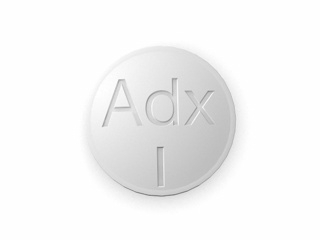


Anastrozole (UK) — Patient Information
Anastrozole is a medicine used to treat certain types of breast cancer and to lower the chance of breast cancer returning in some people. It belongs to a group of medicines called aromatase inhibitors. This patient-friendly guide explains how anastrozole works, how it is taken, key safety points, and practical advice for everyday use in the United Kingdom.
Always read the patient information leaflet supplied with your medicine and follow the instructions provided by your healthcare professional.
1) Basic product information
| Category | Details |
|---|---|
| Generic name | Anastrozole |
| What it is | Aromatase inhibitor |
| Common strengths | Typically 1 mg tablets (varies by product brand/pack) |
| How it is taken | By mouth, once daily |
| Where it is used | UK-based treatment of hormone receptor–positive breast cancer in appropriate patients |
Brand names: Anastrozole may be sold under different brand names in the UK depending on the manufacturer.
2) How anastrozole works (mechanism of action)
Many breast cancers grow in response to oestrogen. In post-menopausal people, oestrogen is produced mainly by converting androgens into oestrogens using an enzyme called aromatase.
Anastrozole blocks aromatase, which reduces oestrogen levels in the body. With less oestrogen available, hormone receptor–positive breast cancer cells have less stimulation to grow and can be prevented from progressing or recurring (depending on the treatment context).
- Target enzyme: Aromatase
- Effect: Decreases oestrogen production
- Result: Slows or prevents growth of oestrogen-dependent cancer cells
3) Pharmacokinetics (what the body does to the medicine)
Pharmacokinetics describes how the body absorbs, distributes, metabolises, and eliminates a medicine.
- Absorption: Anastrozole is absorbed after oral dosing. Peak concentration in the blood occurs within several hours (commonly around 2–3 hours, depending on the individual and formulation).
- Distribution: It distributes throughout the body, including tissues relevant to treatment.
- Metabolism: It is metabolised mainly in the liver.
- Elimination: Metabolites are excreted primarily via the kidneys and to a lesser extent through bile/feces.
- Half-life: The effective half-life supports once-daily dosing.
These properties help explain why taking the tablet once a day is suitable for many patients.
4) What anastrozole is typically used for (indications)
In the UK, anastrozole is used in appropriate patients for hormone receptor–positive breast cancer. Uses may include:
- Early breast cancer (adjuvant treatment): After surgery (and possibly other treatments) to reduce the risk of recurrence in post-menopausal patients.
- Advanced or metastatic breast cancer: For disease that has spread, particularly when oestrogen receptor status indicates it may respond to oestrogen-lowering therapy.
- Oestrogen receptor–positive disease: Treatment selection is influenced by tumour hormone receptor status and previous therapy history.
Whether anastrozole is appropriate depends on factors such as menopausal status, tumour characteristics (including oestrogen receptor and progesterone receptor status), prior treatments, and overall health.
5) When to take anastrozole (timing and routine)
Typical timing: Take anastrozole once daily at the same time each day to help you remember.
- Consistency matters: A regular schedule helps maintain steady drug exposure.
- If you forget a dose: Take it as soon as you remember on the same day. If it is nearly time for your next dose, skip the missed dose and continue your normal schedule. Do not take a double dose.
- If you feel unwell: Do not stop early without medical advice, even if side effects occur—discuss options with your healthcare professional.
Many people choose a routine linked to daily habits (for example, after breakfast or in the evening). The best time is the one you can stick to every day.
6) Food interactions
Anastrozole can generally be taken with or without food.
- No specific food restrictions are required for most people.
- If your stomach is sensitive, taking it after a meal may help reduce any mild nausea or stomach upset.
Tip: Stay consistent—avoid large timing changes day to day, even though food usually does not significantly affect effectiveness.
7) Alcohol and medicine interactions
Alcohol
There is no universally mandated alcohol-free rule with anastrozole, but alcohol may worsen some side effects such as tiredness, dizziness, mood changes, or sleep disruption. Alcohol can also affect the liver and general health.
- If you choose to drink, consider moderation and ensure you stay hydrated.
- If you experience side effects, reducing alcohol may help.
Other medicines (interactions)
Anastrozole is metabolised mainly through liver pathways. Some medicines may influence how quickly anastrozole is processed or may increase side effects.
Tell your healthcare professional and pharmacist about all medicines you take, including:
- Other cancer treatments
- Herbal products (for example, preparations containing St John’s wort)
- Medicines for epilepsy (fits/seizures), including some enzyme inducers
- Medicines affecting liver enzymes
- Anticoagulants (blood thinners)
- Any hormone-containing products
Important: Avoid hormone-containing therapies unless a clinician has confirmed they are appropriate. As an aromatase inhibitor, anastrozole works by lowering oestrogen; using oestrogen-containing medicines may undermine its effect.
8) Dosing information (typical adult dosing)
For adults, the common dosing approach is:
- Standard dose: 1 mg once daily
- Route: by mouth
The exact dose and duration depend on your treatment plan and clinical situation.
How long will treatment last?
Treatment duration can vary. Some people may be treated for several years as part of adjuvant therapy, while others may continue longer depending on disease stage and response. Your healthcare team will guide timing and monitoring.
Missed dose guidance
If you miss a dose, follow this general approach:
- Take it when you remember that day.
- If it is close to the next scheduled dose, skip the missed dose.
- Do not take two doses at once.
9) Safety profile and side effects
Like all medicines, anastrozole can cause side effects. Not everyone gets them, and many are manageable with monitoring and lifestyle adjustments. The most important safety issues relate to the low-oestrogen state created by treatment.
Common side effects
- Hot flushes
- Joint or muscle aches (arthralgia/myalgia)
- Headache
- Feeling tired or weakness
- Nausea (sometimes)
- Vaginal dryness or discomfort
- Swelling in some cases (fluid retention)
- Skin reactions such as rash (less commonly)
Important risks to know
- Bone thinning (osteoporosis) and fracture risk: Lower oestrogen can reduce bone mineral density. Your clinician may recommend a bone density test (DEXA scan) and preventive measures such as calcium/vitamin D supplementation and/or bone-protecting treatment in selected patients.
- Cholesterol changes and cardiovascular risk: Some people may see changes in blood fats. Monitoring may be advised, especially if you have cardiovascular risk factors.
- Serious allergic reactions (rare): Seek urgent help if you develop swelling of the face/lips, breathing difficulties, or widespread rash with itching.
- Liver effects (uncommon): Liver function monitoring may be considered in certain patients. Report symptoms such as yellowing of the skin/eyes or dark urine.
When to seek medical advice promptly
- New or worsening bone pain or fractures after minor injury
- Chest pain, shortness of breath, or sudden weakness (emergency symptoms)
- Signs of severe allergic reaction
- Symptoms suggesting liver problems (for example, jaundice)
- Severe or persistent joint pain affecting daily activities
10) Practical use tips for daily life
Managing common side effects
- Joint aches: Gentle exercise (walking, stretching), warm baths, and discussing pain relief options with your pharmacist or clinician can help.
- Hot flushes: Keep rooms cool, dress in layers, and avoid smoking triggers. Some people benefit from relaxation techniques.
- Vaginal dryness: Non-hormonal vaginal moisturisers and lubricants may improve comfort. Ask your pharmacist or clinician for suitable options.
- Sleep and mood: If tiredness or mood changes occur, create a consistent sleep routine and discuss persistent symptoms.
Bone health checklist
- Ask about bone density testing (DEXA) at appropriate intervals.
- Discuss whether you should take calcium and vitamin D.
- Consider weight-bearing exercise (for example, brisk walking) if safe for you.
- Report any falls or fractures promptly.
Medication adherence
- Use a pill organiser and set phone reminders.
- Keep tablets in their original packaging and store them according to the label instructions (typically at room temperature away from excessive heat and moisture).
- Do not stop or change dose without advice—consistency is important for effectiveness.
11) Alternative options
Depending on your situation, other aromatase inhibitors and hormone therapies may be considered. Alternatives in clinical practice can include:
- Letrozole (another aromatase inhibitor)
- Exemestane (a steroidal aromatase inhibitor)
- Tamoxifen (a selective oestrogen receptor modulator; appropriate in some patients)
- Oestrogen receptor–targeting therapies such as fulvestrant in selected regimens
The best alternative depends on menopausal status, previous treatments, tolerability, and the specific cancer characteristics. If you are experiencing side effects, your clinician may adjust supportive care, review risk factors, or consider a different option.
12) UK market and legal/regulatory context (overview)
In the United Kingdom, anastrozole is an authorised medicine and is used within established clinical pathways for hormone receptor–positive breast cancer. Availability is managed through the UK medicines regulatory framework and related NHS/clinical guidance.
In community pharmacy settings, supply is typically based on an appropriate patient assessment and adherence to UK medicines legislation and professional standards. If you are purchasing online, the pharmacy website should clearly display safety information, delivery terms, and how medicines are supplied in line with UK requirements.
This page provides general patient information and does not replace advice from your healthcare professional.
13) Recent guidance (what clinicians commonly focus on)
UK practice for hormone receptor–positive breast cancer continues to emphasise:
- Accurate patient selection (menopausal status and hormone receptor status)
- Monitoring bone health due to aromatase inhibitor–related bone density loss
- Managing side effects early (pain, hot flushes, vaginal symptoms)
- Reviewing cardiovascular risk and lipid profiles where relevant
Local NHS pathways and oncology guidance may update over time. Your oncology or breast cancer team will guide the most current plan for your individual case.
14) Delivery and availability in the UK
Many online pharmacies in the UK deliver medicines directly to your address using reliable courier services. Availability may vary by brand and batch, and some products may require ordering in advance.
- Typical delivery: Often 1–3 working days (depending on the pharmacy provider and your location)
- Tracking: Many suppliers provide dispatch confirmation and tracking details
- Cold chain: Anastrozole tablets are generally not temperature-sensitive, but follow the packaging storage instructions
- Packaging: Medicines should arrive in sealed packaging with clear labelling
If you have urgent needs or concerns about delivery timing, contact the pharmacy customer service team before placing your order.
15) Frequently Asked Questions (FAQ)
Can I take anastrozole with food?
Yes. Anastrozole can usually be taken with or without food. Choose a routine that helps you remember, and consider taking it after a meal if you find it easier on your stomach.
What happens if I miss a dose?
Take it when you remember on the same day. If it is close to the time of your next dose, skip the missed dose. Do not take a double dose to make up for the missed tablet.
How long does anastrozole take to start working?
Anastrozole lowers oestrogen levels quickly after dosing. However, the full benefit in terms of cancer control or risk reduction is evaluated over weeks to months (and sometimes years) as part of a longer treatment plan.
Will I feel side effects straight away?
Some side effects, such as hot flushes or joint discomfort, may appear early. Others may develop gradually. If side effects are severe or persistent, contact your healthcare professional—there may be ways to manage them.
Does anastrozole affect bone density?
Yes. Because it reduces oestrogen, it can lead to bone density loss in some people. Bone monitoring and preventive strategies (such as calcium/vitamin D and/or bone-protecting medicines) may be recommended based on individual risk.
Can I drink alcohol while taking anastrozole?
Moderate alcohol may be acceptable for some people, but alcohol can increase fatigue or dizziness and may affect the liver. If you notice worsening side effects, consider reducing or avoiding alcohol and discuss concerns with your pharmacist or clinician.
What medicines should I avoid?
Avoid starting new hormone-containing products without medical advice. Also check for interactions with other medicines—especially liver-enzyme–affecting drugs or herbal products. Always share your full list of medicines with your pharmacist.
Is anastrozole suitable for pre-menopausal people?
Anastrozole is most commonly used for post-menopausal patients. Suitability for pre-menopausal people depends on individual clinical factors, including how ovarian function is managed. Your healthcare team can confirm the best option for your situation.
Are there alternative treatments if I cannot tolerate anastrozole?
Yes. Depending on your case, clinicians may consider switching to another aromatase inhibitor (such as letrozole or exemestane) or using different hormone therapies. Discuss side effects promptly so options can be reviewed.
What should I do if I develop a severe rash or breathing difficulties?
Seek urgent medical attention. These symptoms may indicate a serious allergic reaction.
Summary
Anastrozole is an aromatase inhibitor used to treat hormone receptor–positive breast cancer and to reduce recurrence risk in appropriate patients. It works by lowering oestrogen levels, which can improve outcomes but may cause side effects such as hot flushes and joint aches. Because it can affect bone density, bone health monitoring and supportive care are important parts of treatment.
If you have questions about dosing, side effects, or interactions, speak with your healthcare professional or pharmacist. They can help you use anastrozole safely and effectively as part of your overall care plan.