Chloroquine (Chloroquine Phosphate) – Patient Guide (UK)
Chloroquine, supplied as chloroquine phosphate, is a medicine that has been used for many years. In the UK, it is available for specific approved uses and is also used in certain circumstances where it is considered appropriate by healthcare professionals and in line with current guidance.
This guide explains what chloroquine is, how it works, how it moves through the body, how it is typically taken, and important safety information. It also covers practical advice, interactions (including alcohol and other medicines), and UK context such as availability and recent guidance.
Basic product information
| Information | What you should know |
|---|---|
| Medicine name | Chloroquine (often as chloroquine phosphate) |
| Type | Antimalarial medicine; also used in some immune/skin-related conditions where appropriate |
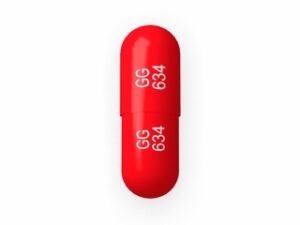
| Common forms | Tablets (strengths vary by brand/product packaging) |
| How it is taken | By mouth (swallowed with water) |
| Key uses in general terms | Malaria treatment in certain settings and prevention in selected scenarios; some inflammatory/skin indications |
Important: Always follow the instructions provided with your specific product and any advice you receive from a healthcare professional.
How chloroquine works (mechanism of action)
Chloroquine belongs to a class of medicines called 4-aminoquinolines. Its primary effect is on the malaria parasite. In simple terms:
- Inside malaria-infected red blood cells, the parasite breaks down haemoglobin to obtain nutrients.
- Chloroquine interferes with the parasite’s ability to process haemoglobin safely by affecting the acidic compartments within the parasite.
- This leads to disruption of the parasite’s survival and growth.
In some non-malaria uses (such as certain inflammatory or autoimmune conditions), chloroquine may also influence immune activity and cell signalling. The exact benefit depends on the condition being treated and the product guidance used in that setting.
Pharmacokinetics (how the body handles chloroquine)
Pharmacokinetics describes how the medicine is absorbed, distributed, metabolised, and eliminated.
- Absorption: Chloroquine is absorbed after oral dosing. How quickly it takes effect can vary by individual and by whether it is taken with food (see “Food interactions” below).
- Distribution: Chloroquine is distributed widely in the body, including in tissues. Because it remains in the body for a long time, it can have a prolonged duration of action.
- Metabolism: It is metabolised in the liver.
- Elimination: It is eliminated mainly via the kidneys and through metabolism. Reduced kidney or liver function may increase exposure.
- Half-life: Chloroquine has a relatively long half-life, which contributes to its extended action and potential for lasting side effects.
For this reason, it is important not to miss doses during an intended course and not to double up if you miss one—check with the dosing instructions provided for your specific treatment plan.
Typical uses in the UK (indications)
In the UK, chloroquine is used for specific indications. Availability and appropriateness depend on the current malaria risk in travel destinations, resistance patterns, and the individual’s medical situation.
1) Malaria treatment (selected settings)
- Chloroquine may be used for malaria where parasites are expected to be sensitive to it. In many countries, chloroquine resistance is widespread, so it is often not suitable for routine empirical treatment depending on location.
- In the UK, guidance typically follows national and international recommendations for malaria treatment and depends on the infecting species and resistance status.
2) Malaria prevention (selected scenarios)
- Chloroquine may be considered for prevention in certain travel destinations where it remains effective.
- In many other regions, alternative medicines may be preferred due to resistance.
3) Certain inflammatory/skin conditions (specialist use)
- Chloroquine (or related medicines) has been used for some conditions affecting the skin or immune system. The decision depends on the diagnosis and the benefits versus risks for the individual.
If you are unsure why chloroquine has been prescribed or recommended for you, ask your healthcare professional. The right choice can depend heavily on diagnosis, history, and local guidance.
Dosing and timing
Dosing varies according to the condition being treated, your age/weight, and local guidance (especially for malaria). The information below is general and must not replace the instructions provided with your specific product and treatment plan.
General timing principles
- Take tablets at the same times each day for the course you have been given.
- For courses that span multiple days, maintain consistent spacing between doses.
- Use a calendar/reminder to avoid missed doses.
If you miss a dose
- Check the specific instructions supplied with your medicine for “missed dose” guidance.
- In general, do not take an extra dose to compensate without advice.
- For malaria prevention or short treatment courses, accuracy matters—contact your healthcare provider/pharmacist for clarification if you miss a dose.
Note: Dosing for children and for malaria prevention is typically weight-based; only follow the exact directions on the patient information for your prescribed regimen.
Food interactions and taking with meals
Food can affect absorption and stomach comfort. As a practical guide:
- Take with food or milk if your stomach is sensitive or if it helps reduce nausea.
- If your product instructions specify taking with food, follow that advice.
- Try to keep your usual routine consistent during the course.
Food does not usually make chloroquine unsafe, but maintaining consistency can help ensure predictable absorption.
Alcohol interactions
Alcohol is not always strictly contraindicated with chloroquine, but it may increase the risk of side effects such as:
- Dizziness or drowsiness
- Stomach irritation (nausea, indigestion)
- Liver stress when alcohol is consumed frequently or heavily, especially if you have liver disease or take other medicines that affect the liver
If you plan to drink alcohol while taking chloroquine, consider keeping it limited. If you notice worsening side effects, stop alcohol and seek advice.
Interactions with other medicines (including important examples)
Chloroquine can interact with other medicines, potentially increasing side effects or reducing effectiveness. Always provide a complete list of your medicines to a pharmacist/healthcare professional, including over-the-counter products and herbal remedies.
Medicines that may affect heart rhythm (QT prolongation)
Chloroquine can affect the heart’s electrical activity in some people. Combining it with other drugs that can also affect QT interval increases the risk of abnormal heart rhythm.
- Some antiarrhythmics
- Some antipsychotics
- Some antidepressants
- Some antibiotics/antifungals (depending on the product)
- Some antiemetics (anti-nausea medicines)
If you have a history of heart rhythm problems, low potassium/magnesium, or you are taking medicines known to affect QT, discuss this carefully before starting chloroquine.
Medicines affecting seizure risk
- Combining chloroquine with other medicines that lower the seizure threshold may increase seizure risk.
Medicines affecting the liver or kidney
- Because chloroquine is metabolised and eliminated via liver/kidneys, other medicines that stress these organs may influence safety.
Antacids and acid-reducing agents
Some acid-reducing products may alter absorption of certain medicines. If you regularly use antacids or acid suppression, ask your pharmacist for specific advice on spacing (this is especially relevant if you notice reduced effectiveness or more side effects).
If you are taking any long-term medicines, including for heart conditions, mental health, or epilepsy, check interactions before use.
Safety profile: common, serious, and when to seek help
Like all medicines, chloroquine can cause side effects. Many people tolerate it well, but some reactions require urgent medical assessment.
Common side effects
- Nausea, vomiting
- Stomach cramps or indigestion
- Headache
- Dizziness
- Loss of appetite
- Skin rash or itching (less common, but possible)
Serious side effects (seek urgent advice)
Contact urgent medical care or seek immediate help if you experience any of the following:
- Signs of heart rhythm problems such as fainting, severe dizziness, or a racing/irregular heartbeat
- Visual disturbances: blurred vision, loss of vision, or persistent eye changes (especially with longer-term use)
- Neurological symptoms: severe confusion, shaking, seizures
- Severe allergic reaction such as swelling of the face/lips, difficulty breathing, or widespread rash with fever
- Severe persistent vomiting or inability to keep fluids down
Long-term risks (more relevant for prolonged use)
- Eye/retinal toxicity can occur with extended use. Monitoring of vision may be advised for longer courses.
- Skin changes may occur.
- Blood-related effects are less common but can occur.
If you are using chloroquine over a longer period, discuss monitoring (particularly eye checks) with your healthcare provider.
Practical use tips (how to take chloroquine safely)
- Use the exact dose: Do not change the amount or schedule without advice.
- Stay consistent with timing: Keep doses evenly spaced across the course.
- Take with food if needed: This can reduce stomach upset.
- Hydrate: Especially important during travel or if you have vomiting/diarrhoea.
- Keep a list of medicines: Include over-the-counter and herbal products when checking interactions.
- Protect your vision: Report any eye symptoms promptly. If you have long-term therapy, keep follow-up appointments.
- Avoid additional QT risk: If you take other medicines that affect heart rhythm, confirm suitability with a pharmacist/doctor.
- Store safely: Keep medicines out of sight and reach of children. Chloroquine overdose can be dangerous.
Alternative options (what else may be used)
Alternatives depend on the indication—especially for malaria, where resistance patterns vary by country. For inflammatory/immune conditions, alternative medicines in the same general therapeutic areas may be considered.
For malaria prevention/treatment
- Other antimalarial medicines may be used instead of chloroquine where resistance is common.
- Choice is guided by travel destination, time of year, pregnancy status, age, health history, and whether malaria is being prevented or treated.
For some inflammatory/skin conditions
- Related medicines (for example, other disease-modifying therapies used by specialists) may be considered depending on diagnosis, monitoring needs, and risk profile.
If you are comparing options, ask about the most suitable choice for your situation, including side effects, monitoring requirements, and expected duration of benefit.
UK market and legal context: availability and guidance
Medicines availability in the UK depends on licensing status, prescribing/dispensing rules, and supply arrangements. Chloroquine is an established medicine internationally, but its use in the UK can be more specialised than in the past due to:
- Malaria resistance patterns in many regions, which can limit chloroquine effectiveness for prevention and treatment.
- Updated guidance from health authorities and travel medicine recommendations.
- Safety considerations, including heart rhythm and eye-related risks (especially with longer courses).
UK travel health and infectious disease guidance is regularly updated based on new evidence and resistance surveillance. Before travelling, check the most current recommendations for your destination and discuss antimalarial choice early enough to allow appropriate planning.
Recent guidance (what to look for)
Guidance for malaria prevention and treatment tends to evolve. Common themes in recent recommendations include:
- Destination-specific advice: Whether chloroquine is suitable depends on where you are going.
- Resistance screening: In many countries, other medicines may be recommended because chloroquine resistance is common.
- Combination with prevention measures: Mosquito bite avoidance (repellent, nets, appropriate clothing) is critical alongside any medicine plan.
- Prompt care for symptoms: If symptoms occur during or after travel, seek medical evaluation quickly to distinguish malaria from other illnesses.
Always follow up-to-date local advice from trusted sources, including NHS and public health travel resources, and consult a pharmacist or travel clinic for tailored guidance.
Delivery, availability, and what to expect from an online pharmacy (UK)
Availability of chloroquine can vary by strength, brand, and current supply. Online pharmacies typically manage orders through standard UK supply chains.
- Product availability: Some strengths or pack sizes may be temporarily out of stock.
- Dispatch times: Orders are usually processed promptly during working days, but weekends and bank holidays may affect timing.
- Packaging: Medicines are shipped in tamper-evident packaging where applicable.
- Tracking: Many online pharmacies provide dispatch confirmation and delivery tracking.
If you need chloroquine for travel or a time-sensitive situation, consider ordering early to allow for dispatch and delivery.
Chloroquine FAQ
1) Is chloroquine the same as chloroquine phosphate?
Yes. Chloroquine is often supplied as chloroquine phosphate. The phosphate form is a salt form used in products to standardise dosing and formulation.
2) How long does chloroquine take to start working?
Response time depends on the reason for use and your individual situation. If using it for malaria, it should be part of a structured plan guided by current guidance. Seek prompt medical advice if symptoms persist or worsen.
3) Can I take chloroquine with meals?
Often, taking chloroquine with food can help reduce nausea and improve tolerability. Follow your product instructions for the most accurate advice.
4) Are there foods I must avoid?
There are no widely recognised absolute food restrictions for chloroquine. However, keep your routine consistent and tell your pharmacist if you use frequent antacids or acid-reducing medicines, as these may require specific spacing advice.
5) Can I drink alcohol while taking chloroquine?
Small amounts may be tolerated by some people, but alcohol can worsen side effects (such as stomach upset, dizziness) and may increase strain on the liver. If you choose to drink, keep it limited and stop if you experience adverse effects.
6) What are the signs of a serious side effect?
Seek urgent advice if you experience chest pain, fainting, severe dizziness or palpitations; significant visual changes; seizures or severe confusion; or symptoms of a severe allergic reaction.
7) Who should take extra care?
Extra caution may be needed if you have heart rhythm issues, a history of heart problems, liver or kidney disease, eye conditions, a seizure disorder, or you take other medicines that affect heart rhythm. Your pharmacist can help review your medicines and risk factors.
8) How should I store chloroquine?
Store as directed on the label. Keep out of sight and reach of children. Do not use after the expiry date shown on the packaging.
9) What should I do if I develop symptoms after travel?
If you develop fever or feel unwell during or after travel to areas where malaria is a risk, seek prompt medical assessment. Malaria can be serious, and symptoms can overlap with other infections.
Patient information only: This page is intended to help you understand chloroquine in general terms. It does not replace the specific instructions that come with your product or guidance from a healthcare professional. If you have questions about suitability, dosing, or interactions, speak to a pharmacist.