

Endep (Amitriptyline) – Patient Information (UK)
Endep contains the active ingredient amitriptyline, a medicine in the group known as tricyclic antidepressants (TCAs). Although it is an antidepressant, amitriptyline is also used in the UK for several other long-term conditions, particularly certain types of nerve pain and related symptoms.
This guide is written to help you understand how Endep works, how it is usually taken, and what to watch for. Always follow the advice of your healthcare professional and read the patient information leaflet provided with your medicine.
Quick overview
- Active ingredient: Amitriptyline
- Medicine type: Tricyclic antidepressant (TCA)
- Common uses in the UK: Neuropathic pain, migraine prevention, certain chronic pain conditions, and some mood-related conditions
- Typical dosing schedule: Often once daily, usually in the evening
- Important effects to expect: Drowsiness may occur; pain/migraine benefits may take time to appear
Basic product information
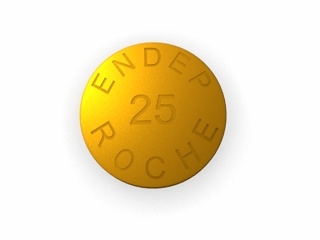
Endep is a prescription medicine in the UK containing amitriptyline hydrochloride. It comes in tablet form and strengths may vary depending on the specific product available.
Note: Brand names can differ. Your pharmacist can confirm the strength and how to take your specific pack.
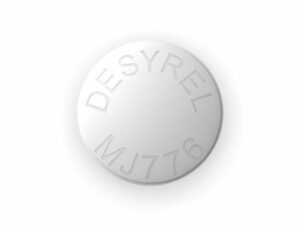
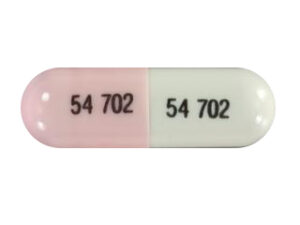
How to recognise your tablets
- Check the strength on your pack.
- Check the tablet appearance and imprint markings (if present).
- If anything looks different from expected, ask your pharmacist before taking it.
How Endep works (mechanism of action)
Amitriptyline helps relieve symptoms by affecting how nerves in the brain and spinal cord signal. It influences several chemical messengers, particularly serotonin and noradrenaline, and it also affects other receptors involved in pain and mood.
In the context of pain conditions (often “neuropathic” or nerve-related pain), amitriptyline may reduce abnormal pain signalling and improve pain perception over time. In mood disorders, it can improve symptoms by restoring balance in neurotransmitter activity.
Unlike some fast-acting pain medicines, amitriptyline often needs gradual dose adjustment and may take days to weeks to show full benefit—especially for nerve pain and migraine prevention.
Pharmacokinetics (how the body handles the medicine)
Pharmacokinetics describes how the body absorbs, distributes, metabolises, and eliminates a medicine. While exact values can vary between individuals, the overall pattern for amitriptyline is as follows:
- Absorption: Amitriptyline is absorbed after oral dosing.
- Distribution: It distributes into body tissues, including the brain.
- Metabolism: It is metabolised mainly in the liver.
- Active metabolite: Nortriptyline is an important metabolite and contributes to effect.
- Elimination: Metabolites are excreted mainly via urine.
Many people find that a once-daily evening dose is practical because drowsiness can be helpful at night and may reduce daytime side effects.
What Endep is typically used for (UK indications)
In the UK, Endep (amitriptyline) may be used for several conditions, including:
- Chronic neuropathic pain (nerve pain), such as pain associated with damaged or irritated nerves
- Fibromyalgia (in some cases, depending on individual assessment)
- Prevention of migraines in certain patients
- Tension-type headache or other chronic headache disorders (specialist guidance may apply)
- Depression and related mood symptoms
- Other off-label or specialist uses may exist depending on local guidance and your clinical situation. Your clinician can clarify why it has been chosen for you.
Use for pain conditions is common because TCAs can help modulate nerve-driven pain. However, the choice of treatment depends on your medical history, current medicines, and risk factors.
Timing: when to take Endep
Many people take amitriptyline once daily in the evening, particularly if it causes drowsiness. For some, evening dosing helps with sleep and may reduce daytime side effects.
- Take at the same time each day to help maintain steady effect.
- If you feel very sleepy, keep an eye on activities that require alertness (driving, cycling, machinery).
- If you were instructed to use a different dosing schedule (for example, morning and evening doses), follow your personal plan.
If you miss a dose, take it when you remember unless it is close to the time for your next dose. If you are unsure, ask your pharmacist for guidance.
Food interactions
Amitriptyline can generally be taken with or without food. Food is not usually a major issue for absorption, but taking it consistently in relation to meals may help you anticipate how you feel (for example, whether it makes you sleepy).
- Consistency helps: choose a routine you can stick to.
- Stomach comfort: if you experience nausea, taking it after a meal may help.
If your clinician has advised anything specific due to your health conditions, follow that advice.
Alcohol and medicine interactions
Alcohol
It is generally recommended to avoid or minimise alcohol while taking Endep. Alcohol can increase the risk of sedation, dizziness, impaired coordination, and may worsen side effects such as drowsiness or low mood.
Medicines interactions
Amitriptyline can interact with other medicines. These interactions may increase side effects or alter effectiveness. Tell your pharmacist or clinician about all medicines and supplements you use, including:
- Other antidepressants and medicines affecting serotonin (risk of serotonin-related effects)
- MAO inhibitors (should not usually be combined)
- Strong CYP inhibitors (may increase amitriptyline levels)
- Medicines that affect heart rhythm or the QT interval
- Sleeping tablets, sedatives, and opioid pain medicines (may increase drowsiness)
- Anticholinergic medicines (may add to dry mouth, constipation, and blurred vision)
- Medicines for epilepsy or conditions that affect liver enzymes (may alter amitriptyline levels)
- St John’s wort (a herbal product that can affect antidepressant levels)
Because risks vary, interactions should be checked for your exact regimen. If you are starting, stopping, or changing doses of other medicines, confirm with a healthcare professional.
Dosing guidance (general information)
The appropriate dose of Endep (amitriptyline) depends on the condition being treated, your age, other medical conditions, and how you respond to treatment. Dosing often starts low and increases gradually.
Important: Always use the dose and schedule provided by your healthcare professional.
Typical approach
- Start low: to reduce side effects such as drowsiness and dizziness.
- Increase slowly: allowing your body to adjust.
- Evening dosing is common: if drowsiness is expected.
How long until you notice benefit?
- For mood symptoms: improvement may take several weeks.
- For nerve pain or migraine prevention: benefit often develops over 2–6 weeks, sometimes longer depending on dose and condition.
If you feel significantly unwell, do not increase the dose yourself—contact your clinician or pharmacist.
Safety profile: common and serious side effects
Like all medicines, Endep may cause side effects. Some are more common at the beginning or after dose increases, and many improve as your body adapts.
Common side effects
- Drowsiness or fatigue (often more noticeable early on)
- Dizziness or light-headedness
- Dry mouth
- Constipation
- Blurred vision
- Weight gain in some people
- Increased sweating
- Tremor or restlessness (less common)
Less common but important side effects
- Heart rhythm changes (especially in higher doses or if you have existing heart conditions)
- Low blood pressure or fainting
- Urinary retention (difficulty passing urine), particularly in those with prostate enlargement
- Sexual side effects (in some people)
- Worsening of glaucoma in susceptible individuals
Seek urgent medical advice if you experience
- Severe allergic reaction (swelling of face/lips, difficulty breathing)
- Fainting, severe dizziness, or palpitations
- Chest pain or signs of an abnormal heartbeat
- Confusion, extreme agitation, fever, muscle stiffness or severe diarrhoea/vomiting (could indicate a serious medication reaction)
- New/worsening thoughts of self-harm or severe changes in mood (especially at the start of treatment or after dose changes)
If you are concerned about side effects, it’s usually better to seek advice early rather than waiting.
Practical use tips (to improve comfort and safety)
Start-up routine
- First days: avoid driving or risky activities until you know how you react.
- Hydration: dry mouth is common—keep water nearby and practise good oral hygiene.
- Constipation prevention: increase fluid and fibre; consider discussing suitable options if needed.
Managing drowsiness
- Take in the evening if that suits your routine and your prescriber’s instructions.
- Be cautious with naps early on—they may affect night sleep patterns.
- Avoid alcohol and sedating medicines unless discussed with your clinician.
Stopping or changing dose
Do not stop Endep suddenly unless your healthcare professional advises it. Stopping abruptly can cause withdrawal-like symptoms for some people. If discontinuation is planned, it is usually done by gradual dose reduction.
Alternative options (depending on what you are treating)
If Endep is not suitable, other treatments may be considered. Your healthcare professional can advise what is most appropriate. Alternatives depend on the condition being treated.
For neuropathic pain
- Other antidepressants (for example, other agents used for nerve pain in certain patients)
- Anticonvulsants used for nerve pain (e.g., gabapentin or pregabalin in selected cases)
- Topical options depending on pain location (e.g., lidocaine preparations for some conditions)
- Non-medicine approaches such as physiotherapy, psychological therapies, and lifestyle support
For migraine prevention
- Other preventative medicines (varies by patient and migraine pattern)
- Lifestyle and trigger management (sleep, hydration, consistent meals, stress management)
- Specialist options may be available for certain patients
The best choice depends on your medical history, other medicines, and your risk factors.
Market and legal context in the United Kingdom
In the UK, Endep (amitriptyline) is classified as a prescription-only medicine. Availability is managed through regulated supply chains and pharmacy services.
Regulatory and clinical guidance in the UK may influence how TCAs are selected, particularly for long-term pain and headache prevention, and how risks (such as heart rhythm effects) are assessed. Your clinician may review your suitability based on personal risk factors.
Because medication recommendations evolve, it is wise to follow current NHS or specialist guidance where relevant.
Recent guidance (UK context)
UK practice for chronic pain and headache prevention commonly emphasises:
- Individualised benefit–risk assessment before selecting medicines
- Start low and go slow for medicines that cause drowsiness or other tolerability issues
- Review after a trial period to check effectiveness and side effects
- Consider alternatives if side effects outweigh benefits
Local formularies and clinical pathways can also affect which option is preferred first. Always rely on advice from a clinician who knows your health history.
Delivery and availability (UK online pharmacy)
Availability of Endep may vary by strength and formulation. When ordering through a regulated online pharmacy, you can typically expect:
- Order processing and packaging in pharmacy premises
- Tracked delivery options (where available)
- Discreet packaging for privacy
Delivery times can vary depending on stock and the destination within the UK. If you require the medicine urgently, check the estimated dispatch/delivery window shown at checkout.
If a product is temporarily out of stock, the pharmacy may offer alternatives such as another strength/formulation (only if suitable and permitted by your clinical plan) or advise when restock is expected.
FAQ: Common questions about Endep (Amitriptyline)
1) Is Endep only for depression?
No. While it is an antidepressant, amitriptyline is also commonly used in the UK for other conditions, especially certain types of nerve pain and migraine prevention, depending on individual assessment.
2) Why do I feel sleepy after taking it?
Drowsiness is a common early side effect of amitriptyline. Many people take it in the evening to reduce disruption during the day. If sedation is severe, speak with your pharmacist or clinician—your dose may need adjusting.
3) How long will it take to work for pain or migraines?
It often takes several weeks to notice meaningful benefit for nerve pain or migraine prevention. If you don’t feel any improvement after an appropriate trial period, your clinician may review the plan.
4) Can I take Endep with food?
Yes, it can usually be taken with or without food. If it upsets your stomach, taking it after a meal may help. Consistency with timing and meals can also make side effects easier to predict.
5) Is alcohol safe while taking Endep?
It’s best to avoid or minimise alcohol. Alcohol can increase sedation and make side effects such as dizziness and impaired coordination more likely.
6) What should I avoid regarding other medicines?
Avoid starting new medicines (including over-the-counter products and herbal supplements) without checking compatibility. In particular, some antidepressants, sedatives, and heart-rhythm–affecting medicines can interact with amitriptyline. Ask a pharmacist if you are unsure.
7) What if I miss a dose?
If you miss a dose, take it when you remember unless it is close to the next scheduled dose. If you are unsure, check with your pharmacist. Do not take double doses to make up for a missed tablet.
8) Can I stop Endep suddenly?
Do not stop suddenly unless told to by your healthcare professional. Gradual dose reduction is often recommended to reduce the risk of withdrawal-like symptoms.
9) Who should be extra cautious?
Extra caution may be needed for people with heart rhythm problems, a history of seizures, glaucoma, urinary retention issues, or those taking multiple interacting medicines. Your clinician will assess your suitability and may monitor you.
10) Are there alternatives if I can’t tolerate it?
Yes. Depending on your condition, there may be alternative medicines and non-medicine approaches. A healthcare professional can guide you toward the most suitable option.
Summary table
| Topic | What to know |
|---|---|
| Active ingredient | Amitriptyline (TCA antidepressant) |
| Why it’s used | Depression symptoms and, in many UK patients, nerve pain and migraine prevention |
| How it works | Modifies neurotransmitter signalling and can reduce abnormal pain signalling |
| When to take | Often once daily in the evening due to drowsiness |
| Food | Usually can be taken with or without food; take consistently |
| Alcohol | Best to avoid or minimise; increases sedation and dizziness risk |
| Time to benefit | Pain/migraine prevention often takes weeks; mood benefits may also take time |
| Common side effects | Drowsiness, dry mouth, constipation, dizziness, blurred vision |
| Safety priorities | Watch for serious reactions, heart rhythm issues, and mood changes; check medicine interactions |
If you have any questions about Endep (amitriptyline), speak to a healthcare professional or a pharmacist. They can provide guidance tailored to your condition, your current medicines, and your health history.