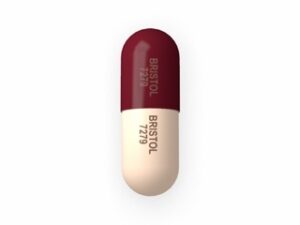



Rifaximin (Rifaximin) — Patient-Friendly Guide (UK)
Rifaximin is an antibiotic medicine used to treat certain intestinal infections and conditions. It works mainly in the gut, with very limited absorption into the bloodstream, which can help reduce whole-body side effects for many people.
This guide explains how rifaximin works, when it is used, how to take it, important food and medicine interactions, safety considerations, and what you can expect in the United Kingdom. Always follow the directions provided with your product and ask your pharmacist or healthcare professional if you are unsure.
Basic product information
- Active ingredient: Rifaximin
- Medicine type: Antibiotic (gastrointestinal/locally acting)
- Common form: Tablets (brand formulations may vary)
- Where it acts: Mostly within the gastrointestinal tract
- Absorption: Low; only small amounts enter the bloodstream
In the UK, rifaximin is used for specific indications based on clinical guidance and availability of products. Brand names vary; the active substance is rifaximin.
How rifaximin works (mechanism of action)
Rifaximin is a rifamycin-class antibiotic. It acts by interfering with bacterial DNA production:
- It inhibits the bacterial enzyme DNA-dependent RNA polymerase.
- This blocks the ability of susceptible bacteria to make RNA, which they need to grow and multiply.
- As a result, rifaximin helps reduce bacterial load in the gut and helps control certain gastrointestinal conditions.
Because rifaximin has minimal systemic absorption, its action is concentrated in the intestinal lumen, which is useful for gut-focused problems.
Pharmacokinetics: what the body does to rifaximin
“Pharmacokinetics” describes how a medicine moves through the body: absorption, distribution, metabolism, and elimination.
- Absorption: Generally low. Most rifaximin remains in the intestines.
- Distribution: Limited distribution into the bloodstream because absorption is small.
- Metabolism: Minimal systemic metabolism for most patients due to low absorption.
- Elimination: Mainly excreted via faeces; renal excretion of meaningful amounts is limited.
The result is that rifaximin tends to have a local gut effect with less exposure of the rest of the body compared with many other antibiotics.
Typical use in the UK
Rifaximin is used for certain approved indications in adults. The exact “who should take it” depends on the product licence and national/local guidance.
Common clinical uses include:
- Travellers’ diarrhoea caused by susceptible bacteria (where appropriate and per local guidance).
- Hepatic encephalopathy (a brain function disturbance due to severe liver disease), often as part of a broader treatment plan.
- Diarrhoea-predominant irritable bowel syndrome (IBS-D) in selected patients in some settings, particularly where symptoms and bacterial overgrowth-related mechanisms are considered.
Note: The specific indication, eligibility criteria, and dosing schedule can differ by product and local recommendations. Your pharmacist can confirm the intended use of your particular rifaximin product.
Indications (what conditions it may be used for)
Below is a patient-friendly overview of typical indications. In practice, your clinician will decide based on your symptoms, medical history, and local guidance.
- Acute gastrointestinal infections (when rifaximin is chosen as appropriate).
- Prevention and/or treatment of recurrent symptoms in selected diarrhoea conditions (where clinically indicated).
- Hepatic encephalopathy to help reduce toxin-producing gut bacteria and support ongoing management of liver-related neurological symptoms.
How to take rifaximin: dosing and timing
Always follow the dosing instructions on your medicine label or the directions provided with your medicine. Different indications require different dosing schedules.
Because dosing varies, the following are general examples commonly used in clinical practice. Your exact dose may differ.
Common dosing examples (illustrative)
| Potential indication | Typical adult dosing pattern | Timing notes |
|---|---|---|
| Travellers’ diarrhoea (susceptible bacteria) | Often taken multiple times daily for a short course | Space doses evenly through the day; complete the course unless told to stop |
| Hepatic encephalopathy | Often taken in divided doses, sometimes continued as part of ongoing management | Try to take doses at consistent times; do not miss doses |
| IBS-D (selected patients) | Typically a defined course duration, with clinician review if symptoms recur | Follow the exact schedule provided |
If you tell us your strength (e.g., mg per tablet) and brand, we can help you locate the correct schedule—however, your label directions should be your primary source.
What if you miss a dose?
- Take it as soon as you remember unless it is close to the next dose.
- If it is close, skip the missed dose and continue as normal.
- Do not take a double dose to make up for a missed one.
How long until you feel better?
- For gut infections, symptoms may improve within a couple of days, but completing the full course is important.
- For chronic gut-related conditions, symptom improvement can be gradual and may vary between individuals.
Food interactions: can you take rifaximin with meals?
Rifaximin’s local action in the gut means that food may influence how it is tolerated, but major systemic food interactions are generally not expected. Still, the best approach is to follow product-specific instructions.
Practical tips:
- Take it consistently—either with or without food—unless the product label specifies otherwise.
- If you experience stomach upset, taking rifaximin with food may improve comfort.
- Stay well hydrated, particularly if you have diarrhoea.
If your clinician/pharmacist has given you specific instructions (for example, “take with food”), follow those.
Alcohol and medicine interactions
Alcohol
There is no universal rule that you must avoid alcohol completely during rifaximin treatment, because rifaximin does not have a well-known “disulfiram-like” interaction with alcohol. However:
- Alcohol can worsen diarrhoea and irritate the gut.
- Alcohol may be a concern for people with liver disease, and rifaximin may be used in hepatic encephalopathy—discuss alcohol limits with your healthcare professional.
If you have liver-related treatment or ongoing gut symptoms, it is safest to avoid alcohol during the course unless your clinician has advised otherwise.
Other medicines
Because rifaximin is minimally absorbed, many systemic drug interactions are less likely. However, interactions can still occur based on the individual’s medicines, liver function, and the exact formulation.
Tell your pharmacist about all medicines you take, including:
- other antibiotics
- anticoagulants/antiplatelet medicines
- antifungals
- anti-epileptics
- stomach acid medicines
- herbal products and supplements
In particular, rifaximin is sometimes considered alongside treatments that affect gut flora. Also, if you are taking medicines for severe liver disease, your clinician may adjust management plans.
Your pharmacist can check for interactions using the exact product you have.
Safety profile: who should take care?
Like all medicines, rifaximin can cause side effects. Many people experience none or mild effects, but it’s important to know what to watch for.
Common side effects
- Nausea
- Abdominal discomfort
- Flatulence (wind)
- Constipation or diarrhoea changes
- Headache
Serious but uncommon warnings
Stop and seek urgent medical advice if you develop signs of a serious allergic reaction or complications, such as:
- Swelling of the face, lips, tongue, or throat
- Breathing difficulties or wheezing
- Severe rash or blistering skin reactions
- Severe, persistent diarrhoea, especially with fever or blood/mucus, which may require medical review for antibiotic-associated colitis (a rare but important condition)
Special precautions
- Allergy to rifaximin or rifamycins: Do not use if you have had an allergic reaction to rifaximin or similar antibiotics.
- Severe liver impairment: Rifaximin is used in some liver-related conditions, but your prescriber should monitor and consider overall treatment safety.
- Pregnancy and breastfeeding: Decisions should be individual. Discuss risks and benefits with a healthcare professional.
- Children: Indications and dosing depend on age and product licence; use only if advised by a clinician.
Practical use tips (getting the best results)
- Take at regular times: Use a daily routine (morning/evening) to reduce missed doses.
- Complete the course: Stopping early can reduce effectiveness and may contribute to recurrence or resistance.
- Hydrate during diarrhoea: Oral rehydration solution or fluids can prevent dehydration.
- Consider probiotics cautiously: Some people ask about probiotics during antibiotic therapy. Evidence is mixed; ask your pharmacist if a probiotic is appropriate for you and ensure it does not replace medical advice for ongoing symptoms.
- Monitor symptoms: If your symptoms do not improve within the expected timeframe, or worsen, seek medical review.
When to seek help urgently
- High fever, severe abdominal pain, or blood in stools
- Signs of dehydration (dizziness, very low urine output)
- Confusion, severe sleepiness, or worsening symptoms in liver disease
- Breathing trouble, facial swelling, or widespread rash
Alternative options
Alternatives depend on the specific condition rifaximin is being used for. Some options include:
- Other antibiotics may be considered for bacterial gastroenteritis based on likely pathogens and local resistance patterns.
- Gut-directed therapies for IBS-D may include dietary approaches, symptom-directed medicines, and sometimes psychological therapies (e.g., gut–brain interventions) depending on your situation.
- Liver encephalopathy management may include treatments such as lactulose and supportive measures alongside or instead of antibiotics, depending on the case.
Because the best alternative depends on your diagnosis and medical history, a pharmacist can help compare options for your particular needs.
Market and legal context for the United Kingdom
In the UK, medicines are regulated and authorised by the Medicines and Healthcare products Regulatory Agency (MHRA) and are supplied under the rules for medicines distribution.
For antibiotics such as rifaximin, appropriate use is essential. UK stewardship aims to:
- reduce unnecessary antibiotic prescribing
- minimise the development of antibiotic resistance
- ensure antibiotics are used for the right condition, at the right time, and for the right duration
Guidance relevant to prescribing and treating gastrointestinal conditions and hepatic encephalopathy may come from professional bodies, NHS pathways, and local antimicrobial stewardship programmes. Product availability and licensed indications can change over time.
Recent guidance and stewardship considerations
While recommendations vary by indication and setting, common themes in UK clinical guidance include:
- Targeted use: Use rifaximin only when it is clinically appropriate for the suspected or confirmed condition.
- Review diagnosis: Reassess if symptoms do not improve or if red flags are present.
- Limit repeat courses when not needed: For recurrent symptoms, clinicians may consider stepwise approaches rather than repeated antibiotic exposure.
- Supportive care: For diarrhoea, hydration and monitoring are central regardless of antibiotic choice.
Your healthcare professional may consider local resistance patterns and previous medication history when choosing rifaximin.
Delivery and availability in the UK
Online pharmacies may offer rifaximin subject to legal supply requirements and availability. Stock levels can vary by supplier and product brand.
What to expect:
- Availability: Some strengths or brands may be temporarily unavailable depending on supply.
- Delivery timeframe: Varies by courier and service level (standard vs express). Delivery options are typically shown at checkout.
- Packaging: Medicines are usually supplied in manufacturer/controlled packaging suitable for safe transport.
- Cold chain: Rifaximin tablets generally do not require refrigeration, but always store as directed on the packaging.
If you need rifaximin urgently (e.g., due to worsening symptoms), contact customer support to confirm dispatch times.
Storage advice
- Store at room temperature unless the label says otherwise.
- Keep away from moisture and direct sunlight.
- Keep out of the sight and reach of children.
FAQ: Rifaximin (UK)
1) What is rifaximin used for?
Rifaximin is used for certain gut-related infections and conditions, and for hepatic encephalopathy in selected cases. The exact indication depends on your diagnosis and the licensed use of your specific product.
2) How quickly does rifaximin work?
Many people notice improvement within a few days if the problem is responsive. If you do not improve, or if symptoms worsen, seek medical advice promptly.
3) Can I take rifaximin with food?
Often, yes. Take it consistently either with or without food based on what your product label or clinician/pharmacist advised. If you feel nauseated, taking it with food may help.
4) Is rifaximin absorbed into the bloodstream?
Absorption is generally low, meaning it mainly acts within the gut. This is one reason it’s used for intestinal conditions.
5) Can I drink alcohol while taking rifaximin?
It’s safest to limit or avoid alcohol during treatment, especially if you have diarrhoea or liver disease. Discuss with a healthcare professional if you have concerns.
6) What should I do if I miss a dose?
Take it when you remember unless it’s almost time for the next dose. Do not take a double dose.
7) What side effects are common?
Common side effects include nausea, stomach discomfort, wind, and changes in bowel habit. If you develop severe symptoms or signs of allergy, seek urgent medical help.
8) Are there medicine interactions?
Many interactions are less likely because rifaximin has low absorption, but interactions can still occur. Always tell your pharmacist about all medicines and supplements you take.
9) Who should be extra cautious?
People with a history of allergy to rifaximin/rifamycins, significant liver problems, pregnant or breastfeeding individuals, and those taking multiple medicines should get personalised advice.
10) Can rifaximin be used for any type of diarrhoea?
Not all diarrhoea is bacterial or suitable for antibiotics. If you have severe symptoms, blood in stools, high fever, or dehydration, you need prompt medical assessment.
Important: This website content provides general information about rifaximin. It cannot replace advice from a healthcare professional who knows your medical history. If you have specific questions about your condition, dosing schedule, or safety, speak to your pharmacist or prescriber.