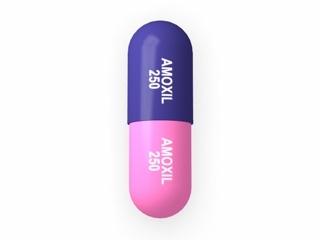

Amoxil (Amoxicillin) — Patient Information
Amoxil is the brand name for amoxicillin, a widely used antibiotic belonging to the penicillin group. It is used to treat certain bacterial infections in adults and children. This page explains how Amoxil works, how it’s usually taken, key safety information, and practical tips for getting the best results.
Important: This information is for general guidance. Always read the leaflet provided with your medicine and follow the directions given by your healthcare professional. If you are unsure whether your symptoms are likely to be bacterial, speak to a clinician before starting treatment.
Quick Facts
- Medicine name: Amoxil (amoxicillin)
- Type: Antibiotic (penicillin)
- Common form: Capsules, tablets, and oral preparations (availability varies by strength and country-specific supply)
- Used for: Certain bacterial infections (not viral illnesses like colds)
- How it works: Stops bacteria from building their protective cell walls
- Typical course length: Depends on the infection; complete the full course even if you feel better
How Amoxil Works (Mechanism of Action)
Amoxicillin is a bactericidal antibiotic, meaning it kills bacteria rather than only slowing them down. It works by targeting the way bacteria build and maintain their cell walls.
- Amoxicillin binds to penicillin-binding proteins (PBPs) on susceptible bacteria.
- This blocks the final steps of cell-wall synthesis.
- Without a functioning cell wall, bacteria become fragile and die.
Why this matters: Because Amoxil’s effect relies on targeting bacterial cell walls, it is useful for infections caused by susceptible bacteria. Viruses do not have the same cell-wall structure, so antibiotics like Amoxil do not treat viral infections (e.g., common cold, flu, most sore throats).
Pharmacokinetics (Absorption, Distribution, Metabolism, Excretion)
Understanding how Amoxil moves through the body can help with correct timing and expectations.
| Area | What happens with amoxicillin |
|---|---|
| Absorption | Amoxicillin is absorbed through the gut and generally reaches effective levels after oral dosing. Absorption is efficient, and food can have an impact on tolerability rather than dramatic effects on total absorption. |
| Distribution | It distributes into many body tissues and fluids. Levels may vary depending on the site of infection (for example, respiratory tract, ear infections, urinary tract). |
| Metabolism | Amoxicillin is not extensively metabolised; most of the active drug remains unchanged. |
| Excretion | Primarily eliminated through the kidneys in urine. Dose adjustments may be needed in people with kidney impairment. |
| Time to effect | Symptoms often begin to improve within 48–72 hours, but this varies by infection type and individual factors. |
What Amoxil Is Commonly Used For (Indications)
Amoxil is used to treat specific bacterial infections. Whether it is appropriate depends on the suspected organism and the infection site. Common uses include:
- Ear, nose and throat (ENT) infections such as acute otitis media (middle ear infection) and certain sinus infections
- Dental infections, including some bacterial tooth and gum infections (when suitable)
- Respiratory tract infections in selected cases, such as some bacterial cases of bronchitis or pneumonia depending on local guidance and severity
- Skin and soft tissue infections caused by susceptible bacteria
- Urinary tract infections (UTIs) in suitable cases where amoxicillin is appropriate for the suspected bacteria
- Other infections where amoxicillin is known to be effective and recommended by local clinical practice
Note: Not all infections can be treated with amoxicillin. Some bacteria produce enzymes (e.g., beta-lactamases) that can make amoxicillin ineffective unless a combined formulation is used.
When to Take Amoxil (Timing and Treatment Course)
How often you take Amoxil depends on the prescribed schedule and the infection. Common regimens include two or three times daily (e.g., morning and evening, or morning/afternoon/evening). Follow the instructions provided with your medicine.
Practical timing tips
- Try to take doses at evenly spaced times to maintain consistent antibiotic levels.
- If you take twice daily, aim for roughly 12-hour intervals.
- If you take three times daily, aim for roughly 8-hour intervals.
- Finish the full course, even if you feel better. Stopping early can increase the chance of symptoms returning and may contribute to antibiotic resistance.
If you miss a dose
- Take it as soon as you remember unless it is close to the next dose.
- If it’s nearly time for the next dose, skip the missed dose.
- Do not take a double dose to make up for the missed one.
- If you’ve missed multiple doses, seek advice from a pharmacist or clinician.
Food and Amoxil (Food Interactions)
Amoxicillin can generally be taken with or without food. Food may help reduce stomach upset for some people.
- If the medicine causes nausea or indigestion, taking it with meals may improve comfort.
- Try to take each dose consistently (e.g., always with food if it suits you).
What to avoid: There are not usually major dietary restrictions with amoxicillin. However, if you notice symptoms worsen after taking it, speak to a pharmacist for tailored advice.
Alcohol and Medicine Interactions
Alcohol is not typically known to directly “neutralise” amoxicillin in the way it can with some medicines. However, alcohol can:
- Worsen dehydration and fatigue
- Increase stomach irritation and nausea
- Make it harder to recognise if side effects are occurring
Practical recommendation: It’s best to avoid or minimise alcohol while you are unwell and taking antibiotics. If you choose to drink, do so moderately and ensure you remain hydrated. If you experience vomiting, diarrhoea, dizziness, or rash, seek advice promptly.
Other medicine interactions: Always check for interactions with other medicines you take regularly. Important examples include:
- Warfarin and other anticoagulants: antibiotics may affect bleeding risk for some people. Monitoring (e.g., INR checks) may be needed.
- Probenecid: may reduce renal clearance of amoxicillin, increasing levels.
- Oral contraceptives: most evidence suggests antibiotics like amoxicillin do not reliably reduce contraceptive effectiveness. However, if you have vomiting or severe diarrhoea, absorption may be affected—use additional contraception (e.g., condoms) during illness and for a short period after.
How Amoxil Is Dosed (Typical Adult and Paediatric Dosing)
Dosing depends on the infection type, severity, kidney function, age, and weight (particularly in children). Only follow dosing instructions that you have been given for your specific situation.
Typical dosing principles include:
- Adults: dosing is usually calculated per daily total and divided across the day (often twice or three times daily).
- Children: dosing is often based on body weight (mg/kg) and divided across the day.
- Kidney impairment: doses may need adjustment to reduce side effects.
Example dosing schedules (for reference)
Exact schedules vary; clinicians choose dosing based on local guidance and the suspected bacteria. Your medicine label will show your correct dose and frequency.
- Some infections are treated with twice daily dosing.
- More severe infections may use three times daily dosing.
- Duration can range from several days up to around a week or more, depending on the infection and response.
Critical reminder: Do not change the dose or frequency without medical advice. Using incorrect dosing can lead to treatment failure or increased risk of side effects.
Safety Profile: Common and Serious Side Effects
Like all medicines, Amoxil can cause side effects. Many people tolerate it well, but it’s important to know what to watch for.
Common side effects
- Diarrhoea (mild and temporary in some cases)
- Nausea or indigestion
- Skin rash (some rashes are mild; others may be serious—see below)
- Headache
- Vaginal thrush or other yeast-related symptoms (may occur after antibiotic use)
Serious side effects — seek urgent help
Contact urgent medical services or seek immediate medical attention if you develop:
- Signs of an allergic reaction such as swelling of the face/lips, difficulty breathing, wheezing, or a severe widespread rash
- Severe or persistent diarrhoea, especially if watery with blood or mucus, fever, or severe abdominal cramps (could indicate Clostridioides difficile)
- Severe skin reactions (e.g., blistering, peeling skin, or painful sores)
- Yellowing of the skin/eyes, dark urine, or severe tiredness (possible liver-related reaction)
Who should be extra cautious?
- People with a known penicillin allergy or previous serious allergic reactions to beta-lactam antibiotics
- People with a history of antibiotic-associated diarrhoea or C. difficile infection
- People with kidney problems (dose adjustment may be needed)
- People with infectious mononucleosis or suspected viral illnesses that can mimic bacterial symptoms—rashes can be more likely with aminopenicillins
Practical Use Tips for Getting the Best Results
- Take at consistent times and complete the course.
- Hydrate well, particularly if you’re also dealing with fever or reduced appetite.
- Use pain relief appropriately for discomfort or fever (e.g., paracetamol). Check that any other medicine you take is suitable for you.
- Watch for improvement: you should generally start to feel better within 48–72 hours. If not, contact a clinician.
- Do not reuse leftover antibiotics. The right antibiotic and dose depend on the infection.
- Report allergies early: tell a clinician/pharmacist about any previous reactions to antibiotics.
- Prevent thrush risk: if you’re prone to yeast infections, ask your pharmacist about supportive measures.
- Storage: keep medicines in the original packaging, away from heat and moisture, and follow leaflet instructions.
Alternative Options (If Amoxil Isn’t Suitable)
Alternative treatments depend on the infection, local resistance patterns, allergies, and severity. Common alternatives in clinical practice may include:
- Amoxicillin-clavulanate (for infections where beta-lactamase producing bacteria are a concern)
- Cefalexin or other cephalosporins (where appropriate and safe)
- Macrolides such as azithromycin or clarithromycin for specific indications (especially when penicillins are unsuitable)
- Doxycycline for selected bacterial infections in adults under appropriate guidance
Important: Antibiotics should be chosen carefully to match the likely bacteria and your medical history. If Amoxil doesn’t help or causes significant side effects, speak with a healthcare professional about the next step.
United Kingdom Market and Legal Context (Overview)
In the UK, antibiotics are regulated medicines. The National Health Service (NHS) and public health agencies encourage appropriate antibiotic use to help reduce antibiotic resistance and protect community health. Guidance includes:
- Antibiotic stewardship: antibiotics should be used only when there is reasonable evidence or clinical suspicion of bacterial infection.
- Local prescribing guidance: clinicians follow UK-specific recommendations based on infection type and resistance patterns.
- Safety and quality standards: medicines must meet regulatory requirements for manufacture, distribution, and information provided to patients.
- Pharmacy role: pharmacists help assess suitability, check interactions, advise on side effects, and support safe use.
Recent emphasis (UK-wide): Continued focus on reducing unnecessary antibiotic use, improving diagnostic accuracy, and ensuring patients complete courses when antibiotics are correctly indicated.
Recent Guidance and Stewardship Considerations
Across the UK, prescribing practice is guided by evidence-based recommendations from national bodies and professional groups. In broad terms, recent guidance trends include:
- Use narrower-spectrum antibiotics when possible and avoid unnecessary broad-spectrum agents.
- Review the need for antibiotics if symptoms do not improve after a short period.
- Consider local resistance and patient history (previous antibiotics, allergies, recent infections).
- Manage side effects promptly, particularly diarrhoea and suspected allergy.
If your symptoms persist or worsen, it may be necessary to reassess the diagnosis or treatment plan.
Delivery and Availability (UK Online Pharmacy Information)
Availability of specific Amoxil presentations and strengths can vary by supplier and stock levels. When ordering online in the UK:
- Stock status: some strengths may be in higher demand; delivery times can vary.
- Packaging: medicines are supplied in their original packaging with patient information.
- Delivery schedules: standard and express options may be offered depending on your location.
- Cold chain: amoxicillin tablets/capsules typically do not require refrigeration, but always check storage instructions on the pack.
If you need help choosing the correct strength or formulation, contact the pharmacy team—especially for children’s dosing, where liquid preparations may be preferred.
FAQ: Common Questions About Amoxil (Amoxicillin)
1) Is Amoxil used for colds or flu?
No. Colds and flu are usually caused by viruses, and antibiotics like amoxicillin do not treat viral infections. Amoxil is used when a bacterial infection is suspected or confirmed.
2) How quickly should I feel better?
Many people start to feel some improvement within 48–72 hours. If you do not improve, or if symptoms worsen, contact a healthcare professional for advice.
3) Should I stop Amoxil if I feel better?
No. Complete the full course as directed. Stopping early can allow bacteria to survive and may cause symptoms to return.
4) Can I take Amoxil with food?
Yes. You can generally take amoxicillin with or without food. Taking it with food may help if you experience stomach upset.
5) Can I drink alcohol while taking Amoxil?
Alcohol is not usually known to have a direct interaction with amoxicillin, but it can worsen side effects and make you feel unwell. It’s best to minimise alcohol while recovering.
6) What if I miss a dose?
Take it when you remember unless it’s close to the next dose. If near the next dose, skip the missed dose. Don’t take a double dose.
7) What side effects are most common?
Common effects include diarrhoea, nausea, indigestion, and sometimes a rash. If you develop severe diarrhoea, breathing problems, facial swelling, or a widespread blistering rash, seek urgent help.
8) I’ve had an allergy to penicillin before. Can I still take Amoxil?
If you’ve had a serious allergic reaction to penicillin or related antibiotics, you should not take amoxicillin unless a clinician specifically advises it. Tell your pharmacist/clinician about your allergy details.
9) Can Amoxil be used in children?
Yes, amoxicillin is used in children, with dosing adjusted by weight and age depending on the condition. Liquid formulations are often used in younger children.
10) Does Amoxil affect contraception?
Antibiotics like amoxicillin are not reliably known to reduce oral contraceptive effectiveness. However, if you have vomiting or severe diarrhoea, contraceptive absorption may be reduced—use additional contraception during illness and for a short period after.
11) What should I do if I get severe diarrhoea?
Stop self-treating diarrhoea and seek prompt medical advice, especially if diarrhoea is severe, watery, bloody, or accompanied by fever or abdominal cramps.
When to Seek Medical Advice
Contact a healthcare professional promptly if:
- You develop signs of allergy (swelling, breathing difficulty, widespread rash)
- You experience severe diarrhoea or signs of dehydration
- Your symptoms do not improve after 48–72 hours
- You develop a new or worsening infection, high fever, or severe pain
- You are pregnant, breastfeeding, or managing a complex medical condition and need tailored advice
Remember: Amoxil is an antibiotic for bacterial infections. Use it exactly as directed, complete the course, and seek advice if you have concerns about side effects or progress.