
Cleocin (Clindamycin) — Patient Information (UK)
Cleocin contains clindamycin, an antibiotic used to treat certain bacterial infections. This guide explains what the medicine is, how it works, how it is used, common safety issues, and practical tips to help you use it effectively.
This information is designed to be patient-friendly. It does not replace advice from a healthcare professional who knows your medical history.
Quick Facts
- Medicine name: Cleocin
- Active ingredient: Clindamycin
- Type: Antibiotic (lincosamide)
- Common forms: capsules and topical preparations (depending on product availability)
- Used for: specific bacterial infections, including some dental, skin, and respiratory infections (as advised)
- Key safety concern: risk of Clostridioides difficile–associated diarrhoea/colitis
What is Cleocin (Clindamycin)?
Cleocin is a brand name for clindamycin. Clindamycin is an antibiotic that works against certain bacteria. It is not effective against viruses (such as colds and flu).
Depending on the specific product you receive, clindamycin may be prescribed as:
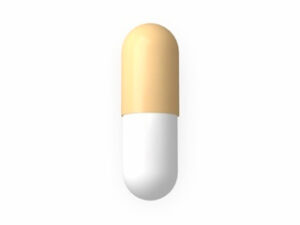
- Oral capsules (to treat infections from within the body)
- Topical preparations (for some skin conditions when appropriate)
How Cleocin Works (Mechanism of Action)
Clindamycin works by stopping bacteria from making essential proteins. It binds to the bacterial ribosome (50S subunit), which prevents protein synthesis. Without proteins, bacteria cannot grow and multiply, and infection can improve.
Clindamycin’s activity is best against certain Gram-positive bacteria and anaerobic bacteria. Whether it will help depends on the suspected organism and antibiotic susceptibility.
Pharmacokinetics (Absorption, Distribution, Metabolism, Elimination)
Pharmacokinetics describes what the body does to the medicine. Individual results vary.
| Aspect | What to know (typical) |
|---|---|
| Absorption | Clindamycin is absorbed after oral dosing. Food may slightly affect timing of absorption, but overall absorption is generally acceptable. |
| Distribution | It distributes into body tissues. It can achieve useful levels in many infection sites, depending on inflammation and tissue penetration. |
| Metabolism | It is metabolised in the liver to active and inactive metabolites. |
| Elimination | It is cleared from the body mainly via the liver and then excreted, with metabolites appearing in urine and faeces. |
| Half-life | The duration of action supports dosing multiple times per day, depending on the specific regimen. |
Typical Use in the UK
In UK practice, clindamycin may be used when bacterial infection is suspected or confirmed and when it is appropriate based on likely organisms and antibiotic guidance. It is often considered in settings such as:
- Skin and soft tissue infections (for selected cases)
- Dental and oral infections (when appropriate)
- Some respiratory infections where clindamycin is suitable
- Infections involving anaerobic bacteria (when indicated)
Choice of antibiotic should be guided by local antimicrobial resistance patterns, your allergy history, and clinical assessment. Do not use antibiotics for viral illnesses.
When to Take Cleocin — Timing Tips
Follow the dosing instructions given for your specific regimen. General principles include:
- Try to take doses at evenly spaced times (for example, every 6 or 8 hours depending on the prescribed schedule).
- Complete the full course unless told to stop (stopping early may allow infection to return or worsen).
- If you miss a dose: take it as soon as you remember. If it is close to the next dose, skip the missed dose. Do not double up.
If you are unsure about your schedule, speak to a pharmacist or healthcare professional.
Food Interactions
Many patients can take clindamycin with or without food. Food may reduce stomach upset for some people. However, the most important factor is to follow the instructions on your specific product label and your clinician’s advice.
- To reduce nausea: taking with a meal or a glass of water may help.
- Do not take with alcohol: see the alcohol section below.
- Keep hydration steady: especially if you develop diarrhoea.
If you have swallowing difficulties or a sensitive stomach, ask your pharmacist about practical ways to take your particular formulation.
Alcohol and Medicine Interactions
Alcohol does not typically have the same kind of “disulfiram-like” interaction with clindamycin that some other antibiotics do. However, it can still be unwise because:
- It may worsen dehydration if you develop diarrhoea.
- It can increase stomach irritation, potentially worsening nausea or upset stomach.
- Infection recovery may be slower if you drink alcohol while unwell.
Practical recommendation: It is safest to avoid alcohol while taking clindamycin, or keep it to an absolute minimum and stop if you feel worse.
Other important medicine interactions
Clindamycin can interact with other medicines, including those that affect the gut or blood clotting. Always tell your pharmacist or prescriber about all medicines you take.
- Neuromuscular blocking agents (rare but important in hospital settings): antibiotics including clindamycin may enhance the effect of some muscle-relaxant medicines.
- Antidiarrhoeal medicines: if you develop significant diarrhoea, avoid self-treating without advice.
- Medicines affecting the gut microbiome: combining antibiotics can increase the risk of antibiotic-associated diarrhoea.
- Warfarin and other anticoagulants: although interactions are not always predictable, any new antibiotic may affect clotting in some people—monitoring may be recommended.
If you are taking any regular medicines (especially anticoagulants), check with a healthcare professional before starting.
Indications — What Cleocin is Used For
“Indications” means the types of infections clindamycin is used to treat. In the UK, clindamycin may be considered for bacterial infections such as:
- Serious infections caused by susceptible anaerobes
- Skin and soft tissue infections when caused by susceptible organisms
- Dental infections where appropriate (especially in certain anaerobic or mixed infections)
- Respiratory tract infections when caused by susceptible bacteria
The exact use depends on local guidance, your symptoms, examination findings, and sometimes culture results. If cultures are taken, they help confirm whether clindamycin is likely to work.
Dosing — Typical Regimens and How to Use Them
Dosing depends on the infection being treated, its severity, your kidney and liver function, age, and other clinical factors. Below are general examples of how clindamycin is commonly dosed in adults; always follow your own written instructions.
| Patient group | Typical dosing approach (general information) |
|---|---|
| Adults | Often taken in divided doses several times per day. The prescriber selects the exact dose and duration based on the infection. |
| Older adults | Dose may be the same as adults but adjusted if there are liver issues or frailty, and monitored closely. |
| Children | Weight-based dosing is commonly used. A healthcare professional should calculate the dose. |
| Liver impairment | Clindamycin is metabolised in the liver; dosing may be altered or monitored more carefully. |
| Kidney impairment | Clindamycin is mainly cleared via liver metabolism; specific adjustments depend on severity and clinical judgment. |
Duration: Courses can vary widely (from several days to longer), depending on the infection type and response. Even if you feel better, finishing the course is important.
If you are unsure about your dose schedule, check the label or speak to a pharmacist—taking the wrong amount can increase side effects or reduce effectiveness.
Safety Profile — Side Effects and When to Get Help
Most people tolerate clindamycin well, but side effects can occur. The most important risk is diarrhoea related to C. difficile.
Common side effects
- Stomach upset, nausea
- Diarrhoea (mild diarrhoea can occur with many antibiotics)
- Abdominal pain
- Headache
- Skin rash or irritation (sometimes)
Serious side effects (seek urgent advice)
Contact a healthcare professional urgently or seek emergency help if you experience:
- Severe or persistent diarrhoea, especially if watery or bloody
- Severe stomach cramps or fever with diarrhoea
- Signs of an allergic reaction such as swelling of the face/lips, breathing difficulty, widespread rash, or collapse
- Severe skin reactions (for example, blistering, peeling, or painful rash)
- Yellowing of the skin/eyes, dark urine, or severe fatigue (possible liver-related problems)
Clostridioides difficile (C. difficile) warning
Antibiotics can sometimes cause an overgrowth of C. difficile, leading to inflammation of the colon (colitis). This can occur during treatment or even weeks after finishing.
Do not ignore diarrhoea. If you develop significant diarrhoea, stop self-medicating and contact a clinician/pharmacist promptly for advice.
Who needs extra caution?
- People with a history of C. difficile infection
- Those with inflammatory bowel disease or a sensitive gut
- People with significant liver disease
- Those taking multiple medicines that can affect the gut or blood clotting
Practical Use Tips (How to Take Cleocin Safely)
- Take at the right times: set a reminder if your schedule is busy.
- Use the right dose: do not change your strength or dosing frequency.
- Complete the course even if symptoms improve early.
- Hydrate if you feel unwell, and especially if you develop diarrhoea.
- Watch for warning signs: watery diarrhoea, fever, blood in stool, severe rash.
- Keep track of side effects: note timing and severity; tell a pharmacist if they persist.
- Be careful with probiotics: evidence varies; ask a pharmacist if you want to use them, particularly if you have a history of antibiotic-associated diarrhoea.
Alternative Options (If Cleocin is Not Suitable)
Alternatives depend on the suspected infection, severity, local antibiotic guidelines, and your medical history (including allergies). Possible alternatives that clinicians may consider include:
- Different antibiotic classes with activity against similar bacteria
- For anaerobic infections, other agents may be used depending on susceptibility
- Topical options for selected skin conditions (for mild, localised problems)
Your healthcare professional will select the most appropriate option based on:
- Likely bacteria and resistance patterns
- Site of infection (dental, skin, chest, etc.)
- Severity and whether there are complications
- Allergy history (including previous reactions to antibiotics)
- Interactions with your current medicines
Do not switch antibiotics on your own; wrong choices can delay recovery and increase risks.
Market & Legal Context in the United Kingdom
In the UK, clindamycin is an established antibiotic and is governed by medicines regulations and antimicrobial stewardship principles. Antibiotics should be used appropriately to reduce the development of resistance and to minimise avoidable adverse effects.
Pharmacy supply is regulated to ensure medicines are used safely and appropriately. For patients, this means you should expect standard checks such as:
- Verification of your medicine details and dosing instructions
- Allergy checking and interaction screening
- Advice on side effects and what to do if symptoms worsen
UK guidance emphasises prudent antibiotic prescribing and appropriate patient information, including advice on diarrhoea and infection red flags.
Recent UK Guidance & Stewardship Notes (Overview)
Over recent years, UK and international guidance has consistently reinforced:
- Use antibiotics only when likely beneficial (avoid unnecessary prescribing)
- Choose the narrowest effective antibiotic where possible
- Review patients if no improvement within a reasonable timeframe
- Monitor for antibiotic-associated adverse effects, particularly diarrhoea
If your symptoms do not start improving within the expected period, seek clinical advice promptly rather than extending treatment without guidance.
Delivery and Availability (UK Online Pharmacy)
Availability of Cleocin/clindamycin may vary by strength and formulation. When ordering online in the UK:
- Check product details carefully (strength, form, and quantity).
- Choose an appropriate delivery option based on the start date of your course.
- Store medicines properly as stated on the package (typically at room temperature away from excessive heat and moisture).
We recommend planning ahead so you receive your medicine before your next dose is due. If there is any delay, contact customer support for guidance on next steps.
FAQ — Frequently Asked Questions
1) What is Cleocin used for?
Cleocin (clindamycin) is used to treat certain bacterial infections, including selected dental, skin, and respiratory infections—when clindamycin is appropriate for the likely bacteria and your situation.
2) How quickly will I feel better?
Some improvement may occur within 24–72 hours, depending on the infection. If you are not improving after a couple of days, or symptoms worsen, seek advice promptly.
3) Can I take Cleocin with food?
Many people can take clindamycin with or without food. Taking it with a meal may reduce stomach upset. Follow your label instructions for your specific product.
4) What if I miss a dose?
Take it as soon as you remember unless it is almost time for the next dose. Do not take a double dose to make up for the missed one.
5) Is it safe to drink alcohol while taking clindamycin?
It is safest to avoid alcohol during treatment. Alcohol can worsen dehydration and stomach upset—especially if you develop diarrhoea.
6) What should I do if I get diarrhoea?
Mild diarrhoea can occur with antibiotics, but seek urgent medical advice if diarrhoea is severe, watery, persistent, or contains blood, or if you have fever and severe stomach cramps. Antibiotic-associated C. difficile can occur.
7) Can clindamycin interact with other medicines?
Yes. Interactions can occur with various medicines, including those affecting blood clotting (e.g., warfarin) or medicines used in hospital care. Always disclose your full medicine list to a pharmacist.
8) What if I’m allergic to antibiotics?
Tell your pharmacist or clinician about any past allergic reactions, including symptoms such as rash, swelling, wheezing, or breathing difficulty. If you develop signs of an allergic reaction while taking clindamycin, seek urgent help.
9) Can I stop early if I feel better?
Generally, you should complete the course unless a clinician tells you to stop. Stopping early can lead to relapse and may increase resistance.
10) Are there alternatives if clindamycin isn’t suitable?
Alternatives depend on the infection and your health profile. A clinician may recommend another antibiotic or, for some conditions, different treatment strategies.
When to Get Medical Advice
Contact urgent care or seek emergency help if you develop:
- Breathing difficulties, facial swelling, or severe widespread rash
- Severe diarrhoea, especially with fever or blood
- Severe or worsening abdominal pain
- Yellowing of skin/eyes or signs of severe liver problems
If your symptoms are not improving or are getting worse despite taking the medicine as directed, seek medical review.
Note: This information is general and may not cover all individual circumstances. Always follow the instructions provided with your specific medicine and consult a healthcare professional for personalised advice.