Permethrin (Topical) — Patient Guide (UK)
Permethrin is a widely used medicine for treating certain skin infestations caused by parasites. It is available in different strengths and formulations for specific conditions, and it works by targeting the nervous system of the parasite. This guide explains what permethrin does, how it is used, what to expect, and important safety information for people in the United Kingdom.
Quick overview
- Medicine name: Permethrin
- Where it is used: On the skin (and in some preparations, the hair/ scalp)
- Common conditions: Scabies, head lice (depending on product strength/formulation)
- How it works: Kills or disables the parasite by affecting its nerve signalling
- Key practical point: Correct application and usually repeat treatment if advised
- Common side effects: Mild temporary skin irritation, itching, or burning
Basic product information
In the UK, permethrin is commonly supplied as a topical preparation in different strengths:
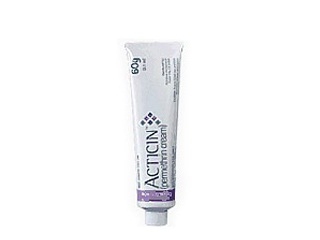
- Permethrin 5% cream — typically used for scabies.
- Permethrin 1% lotion — typically used for head lice.
The exact product you purchase will determine the correct way to use it, how long to leave it on, and whether you should repeat treatment.
| Typical permethrin strength/formulation | Common use in the UK | General approach |
|---|---|---|
| Permethrin 5% cream | Scabies | Applied to skin as directed; often repeated after about 1 week (follow your leaflet/doctor’s advice) |
| Permethrin 1% lotion | Head lice | Applied to scalp and hair; may be repeated after around 7 days depending on product and local guidance |
How permethrin works (mechanism of action)
Permethrin belongs to a group of medicines called pyrethroids. It works mainly by interfering with the way the parasite’s nerve cells signal to each other. Specifically, permethrin affects sodium channels in the nerve membranes, causing abnormal nerve firing and leading to paralysis and death of the parasite.
Permethrin is designed to act strongly on the parasite while having limited absorption through intact skin in most users.
Pharmacokinetics (how the body handles it)
When permethrin is applied to the skin as directed, only a small amount is generally absorbed through the skin compared with medicines that are taken by mouth. Most of the medicine remains on the outer skin layers where it can work.
- Absorption: Usually low through intact skin; may be higher if skin is broken, inflamed, or covered for long periods.
- Distribution: Any absorbed permethrin is distributed throughout the body in small amounts.
- Metabolism: Once absorbed, permethrin is broken down (metabolised) in the body.
- Elimination: Breakdown products are mainly cleared by the kidneys (through urine).
Because absorption is typically limited, serious systemic effects are uncommon when used correctly.
Typical uses and indications (what it’s for)
Scabies
Permethrin 5% cream is commonly indicated for the treatment of scabies—a contagious skin condition caused by the mite Sarcoptes scabiei.
Typical symptoms include intense itching (often worse at night) and a rash or small bumps, commonly affecting areas such as between fingers, wrists, elbows, armpits, waistline, and genital area.
Head lice
Permethrin 1% lotion is commonly used for head lice infestation. Head lice spread mainly through close head-to-head contact.
The presence of live lice (and sometimes eggs/nits) guides treatment. It is important to follow combing steps if included with your product or local guidance.
Always check your specific product leaflet for the exact approved indications and age suitability.
Timing and how to apply it (practical instructions)
Timing can differ depending on whether the product is for scabies or head lice. The most important rule is: follow the instructions in the leaflet that comes with your medicine or those given by a healthcare professional.
For scabies (typical approach)
- Apply: Cover the relevant skin areas as directed, usually including areas from the neck down (and sometimes more broadly depending on age and instructions).
- Leave on: Leave for the specified time (often several hours), then wash off.
- Repeat: Many regimens include a second application about 7 days later to address mites that hatch from eggs.
- Household measures: Treat close contacts as advised to prevent reinfestation.
For head lice (typical approach)
- Apply: Apply evenly to the scalp and hair, saturating as directed.
- Leave on: Keep on for the stated time.
- Remove and comb: Many regimens recommend combing with a fine-toothed lice comb to remove lice and nits.
- Repeat: Treatment may be repeated after about 7 days, especially if live lice are still present or as directed by the product guidance.
Dose guidance (general information)
Permethrin is applied topically. The “dose” is therefore determined by the strength of the product and the area of skin or hair to be treated, rather than body weight. Your leaflet will contain exact quantities and duration.
- Use only the recommended strength for your condition (e.g., don’t substitute a head lice product for scabies without correct guidance).
- Do not apply more often than recommended. Over-application increases the chance of irritation and side effects.
- Repeat only if advised. In many parasitic infestations, a second treatment is needed to catch newly hatched parasites.
If you are unsure which product is appropriate or how to use it on children, ask a pharmacist.
Food interactions
Permethrin is used on the skin, and it is not taken as a medicine by mouth. As a result, food interactions are not expected in the usual sense. There is no known direct interaction between permethrin and specific foods.
However, if permethrin is accidentally swallowed (which can happen in some situations), seek advice promptly. Keep products out of reach of children.
Alcohol and medicine interactions
There are typically no important alcohol interactions with permethrin used topically.
For medicine interactions: because systemic absorption is usually low, clinically significant interactions are unlikely. Still, tell a healthcare professional or pharmacist about:
- Any other treatments you’re using on the skin (especially other anti-parasitic products or strong topical steroids)
- Any skin conditions or broken skin at the application site
- Your medical history and current medications, particularly for sensitive groups such as infants or people with extensive dermatitis
Safety profile and side effects
Most common side effects
Mild effects are the ones most often reported and usually settle after washing off and/or as the skin heals:
- Skin irritation (burning or stinging sensation)
- Itching (may persist briefly even after treatment)
- Redness or mild rash
- Dry or sensitive skin
Less common or serious reactions (seek urgent advice)
Contact a healthcare professional urgently if you experience signs of a more serious reaction, such as:
- Severe or rapidly worsening skin reaction
- Swelling of the face, lips, or throat
- Breathing difficulties or wheezing
- Widespread blistering or skin peeling
- Severe dizziness, confusion, or seizures after significant exposure
Pregnancy, breastfeeding, and children
Many people ask whether permethrin is suitable in pregnancy or breastfeeding. Topical permethrin is often used when needed, but suitability depends on the specific situation and product instructions. Check the product leaflet and seek pharmacist advice for:
- Pregnancy
- Breastfeeding
- Infants and young children
- Scabies in very young babies (application area differs)
In general, follow age-specific instructions carefully and avoid applying to larger skin areas than recommended.
Practical use tips for better results
The biggest reason treatments fail is usually incorrect application, missing close contacts, or not repeating the dose when required. These tips can help:
General tips
- Read the leaflet fully before use, including the “how to use” section.
- Use correct amount—not too little, not too much.
- Wash off at the right time as directed.
- Keep away from eyes and mouth. For scabies, pay attention to facial instructions if applicable.
- Do not reapply repeatedly if itching continues. It may take time for symptoms to settle even after mites are killed.
For scabies: home and contact measures
- Treat close contacts as advised (for example, people in the household and intimate close contacts).
- Wash bedding and clothing used recently (follow leaflet guidance; heat washing is usually effective).
- Items that can’t be washed may require sealing or other measures recommended by local guidance.
- Expect continued itching: symptoms may persist for days to weeks due to the skin reaction, even when treatment is successful.
For head lice: combing and preventing spread
- Use a fine-tooth lice comb if the product guidance includes combing steps.
- Comb consistently to remove lice and nits.
- Check close contacts and treat if lice are found.
- Avoid head-to-head contact until treated and no live lice are present.
Alternative treatment options
Depending on the condition, alternatives may include other topical anti-parasitic medicines or non-medicine measures such as meticulous combing. Choice can vary based on age, local resistance patterns, previous treatment response, and product availability.
Possible alternatives for scabies
- Other topical scabicides (availability depends on UK supply and product choice)
- Oral treatments in selected cases when topical treatment is unsuitable or not effective (discuss with a pharmacist/clinician)
Possible alternatives for head lice
- Other insecticidal lotions/shampoos used for head lice
- Wet-combing approaches and mechanical removal methods
If you’ve tried permethrin and lice/scabies persist, it’s important to confirm whether the issue is treatment failure, reinfestation from contacts, or ongoing skin symptoms rather than live infestation. A pharmacist can help you decide the next step.
Market and legal context in the United Kingdom
In the UK, permethrin products are regulated and supplied under medicines legislation, with product labelling that includes:
- Indications for use
- Strength and formulation details
- Instructions for application and timing
- Warnings and precautions (including for children, pregnancy, and sensitive skin)
Availability may vary by brand and formulation. Some products may be sold through pharmacies and other healthcare-adjacent channels, while others may be more restricted. Your online pharmacy listing should clearly state the product strength, intended use, and age guidance.
Recent guidance (UK-oriented overview)
In recent years, UK guidance for scabies and head lice has emphasised:
- Correct diagnosis and confirming active infestation (especially for head lice and scabies)
- Appropriate treatment timing and repeat dosing where required
- Managing contacts and reinfestation (household measures are essential for scabies)
- Follow-up checks rather than assuming every itch means treatment failure
Because local advice and product-specific instructions can differ, always follow the instructions included with your chosen permethrin product and seek professional advice if symptoms persist.
Delivery and availability (UK)
Permethrin products are typically supplied by online pharmacies and delivered via standard or tracked courier options. Delivery times vary depending on:
- Your postcode and local dispatch location
- Whether the item is held in stock
- Order cut-off times for same-day dispatch
When placing an order, ensure you select the correct product strength and formulation for your condition (scabies vs head lice). If you are ordering for children or have sensitive skin, double-check age suitability on the product page and leaflet.
Availability can be influenced by brand changes, packaging updates, or pharmacy stock levels. If a specific brand is not currently available, alternatives within the same active ingredient may be offered where appropriate.
FAQ
1) How long does itching last after permethrin for scabies?
Itching can continue for a while after successful scabies treatment. This is often due to an inflammatory skin reaction rather than ongoing mites. If you still see new burrows or worsening rash after the recommended follow-up period, seek advice to confirm whether reinfestation or resistance may be involved.
2) Should I treat my whole household for scabies?
Close contacts typically need to be assessed and treated as advised. Many failures occur because only one person was treated. If you live with others or have had close prolonged skin contact, contact a pharmacist or clinician for guidance.
3) Will permethrin kill lice and their eggs?
Permethrin can kill lice, but eggs/nits may require repeat treatment and/or combing to remove newly hatched lice. This is why timing and follow-up checks are important for head lice regimens.
4) Can I use permethrin if my skin is very irritated or broken?
Use cautiously. If skin is severely inflamed or broken, the risk of irritation and absorption may be higher. Follow the leaflet carefully and ask a pharmacist for advice—especially for children and infants.
5) Can I wash my hair or bathe after applying permethrin?
You should wash off or rinse at the time specified by the product leaflet. Do not rinse early, and avoid washing too soon because that may reduce effectiveness.
6) Are there any food interactions with permethrin?
No direct food interactions are expected because permethrin is applied to the skin. Still, follow normal hygiene and product handling instructions.
7) Can I drink alcohol while using permethrin?
There are usually no important alcohol interactions with topical permethrin. If you feel unwell or experience side effects, seek advice promptly.
8) What if treatment doesn’t work?
First, check that you applied the product correctly and used the recommended repeat timing if included in the regimen. Then check for reinfestation from contacts. If symptoms persist, speak with a pharmacist to confirm diagnosis and discuss alternatives.
9) Is permethrin safe for children?
Permethrin can be used in children depending on the condition, age, and specific product. Always check the product leaflet for age limits and application instructions, and follow them closely.
Summary
Permethrin is a topical anti-parasitic medicine used in the UK for common infestations such as scabies and head lice, depending on the strength of the product. It works by disrupting the parasite’s nerve signalling, with limited absorption through the skin when used correctly. The most important factors for success are correct application, appropriate timing (including possible repeat treatment), and addressing contacts and reinfestation risk. If you have persistent symptoms or concerns about suitability for children, pregnancy, or breastfeeding, a pharmacist can help guide the safest next steps.