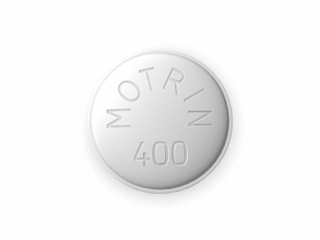

Motrin (Ibuprofen) – Pain Relief & Fever Reduction (UK)
Motrin contains ibuprofen, a widely used anti-inflammatory medicine that can help relieve pain and reduce fever. This patient-friendly guide explains how ibuprofen works, how it is used, what to expect, and important safety information for people in the United Kingdom.
1) Basic product information
Active ingredient: Ibuprofen (also known as an NSAID – non-steroidal anti-inflammatory drug).
Common uses: Headaches, toothache, period pain, muscle/joint pain, sprains, colds/flu with fever or aches.
Medicines category: NSAID analgesic/antipyretic.
Motrin is available in different strengths and formulations depending on the product. Always check the label and leaflet for the exact strength (e.g., mg per tablet/sachet/5 mL).
| Topic | What it means for you |
|---|---|
| How it helps | Reduces pain, inflammation and fever |
| How long it takes | Often begins within 30–60 minutes (varies by person and product) |
| How to take it | Use the dose on the pack; take with food if it upsets your stomach |
| Who should be cautious | People with stomach ulcers/bleeding risk, kidney problems, certain heart conditions, or NSAID allergy/asthma sensitivity |
| Typical duration | Use the lowest effective dose for the shortest time needed |
2) Mechanism of action (how Motrin works)
Ibuprofen works by blocking enzymes called COX-1 and COX-2 (cyclo-oxygenase enzymes). These enzymes are involved in making prostaglandins, which contribute to:
- Pain: Prostaglandins sensitise pain pathways.
- Inflammation: Prostaglandins promote inflammatory processes.
- Fever: Prostaglandins play a role in raising body temperature.
By reducing prostaglandins, ibuprofen provides relief from symptoms such as soreness, swelling, aches and fever. It does not “cure” the underlying cause, but it can make you feel better while your body recovers.
3) Pharmacokinetics (how the body handles ibuprofen)
Understanding how ibuprofen is processed can help you plan dosing and anticipate effects.
- Absorption: Ibuprofen is absorbed through the gut. Taking it with food may slow absorption slightly but can improve stomach tolerance.
- Distribution: It circulates in the bloodstream and can reach sites of inflammation.
- Metabolism: Mainly broken down in the liver into inactive metabolites.
- Elimination: Metabolites are excreted primarily by the kidneys (urine).
- Half-life: Commonly around ~2 hours in healthy adults (individual results vary).
Because ibuprofen levels fall relatively quickly, it is usually taken in regular doses throughout the day when needed, rather than as a single long-lasting dose—always following your product label or pharmacy advice.
4) Indications – what Motrin is used for
In the UK, ibuprofen products are commonly used for temporary relief of symptoms including:
- Headache (including tension-type headache)
- Toothache
- Period pain
- Muscular aches, sprains, strains and sports injuries
- Joint pain and pain from inflammation
- Backache
- Fever and aches associated with colds or flu
- Pain following minor injury (temporary symptom relief)
If symptoms persist for more than a few days, worsen, or are accompanied by severe symptoms (such as breathlessness, chest pain, severe abdominal pain, rash, or persistent vomiting), seek medical advice promptly.
5) Typical use and timing
Motrin is typically taken when symptoms occur, with dosing intervals that depend on the strength and age group. Always follow the directions on the package or the patient information leaflet.
How soon does it work?
Many people feel relief within 30–60 minutes. For some types of pain, the onset may be slower, and effects can vary with dose, formulation, and whether you have eaten.
How often should it be taken?
Ibuprofen products are commonly dosed at intervals of up to three times per day for certain adult OTC regimens, or more frequently in some prescription/clinical contexts. For safety, do not exceed the maximum daily dose on the pack. If you need it for longer than recommended, or at higher doses than stated, speak to a pharmacist or healthcare professional.
Practical timing tips
- For stomach comfort: take with food or milk if you find it upsets your stomach.
- For bedtime symptoms: consider taking a dose earlier in the evening so it can work through the night, rather than taking it too late and missing the intended interval (follow your pack schedule).
- For fever: keep an eye on your temperature and overall condition rather than dosing by time alone.
6) Dosing – important safety notes
Dosing depends on the product strength and age/weight. This section provides general guidance suitable for adults using over-the-counter strengths; however, you should always follow the directions on the specific Motrin product you have.
| Situation | General guidance (check your product for exact dose) |
|---|---|
| Adults (typical OTC use) | Usually start with a dose stated on the pack, then take further doses only as directed. Do not exceed the maximum daily dose on the label. |
| Children | Use a child-appropriate formulation and calculate dosing based on age/weight as stated in the leaflet/box. Avoid guessing doses. |
| Older adults | Often need extra caution: a lower dose may be recommended, and side effects (stomach/kidney) can occur more easily. |
| Longer use | Use the lowest effective dose for the shortest time. If symptoms continue, get advice rather than extending use. |
Do not combine Motrin (ibuprofen) with other NSAIDs (such as naproxen, diclofenac, or high-dose aspirin for pain) unless advised by a healthcare professional, because the risk of stomach irritation, bleeding and kidney effects can increase.
Missed dose
If you miss a dose, take it when you remember unless it is close to the next scheduled dose. Do not take extra doses to make up for the missed one. Follow the pack schedule.
7) Food interactions – what to know
Food can influence how quickly ibuprofen is absorbed. For most people:
- Taking with food: can reduce the likelihood of indigestion or stomach discomfort.
- Taking on an empty stomach: may lead to faster onset but more stomach irritation in some people.
- Gastro-sensitive users: if you have a history of stomach problems, consider taking with meals as a safer approach.
There are no specific foods that must be avoided in all circumstances, but maintaining hydration and avoiding excessive alcohol (see below) can help reduce strain on your stomach and kidneys.
8) Alcohol and medicine interactions
Alcohol
It is generally recommended to avoid or limit alcohol while taking ibuprofen, especially at higher doses or when used for more than a short period. Alcohol can increase the risk of stomach irritation and bleeding and can also add stress to the liver.
If you plan to drink alcohol, consider keeping doses low and occasional, take with food, and stop ibuprofen if you notice symptoms such as heartburn, black stools, vomiting blood, or severe stomach pain.
Other medicines that may interact
Ibuprofen can interact with various medicines. Below are common interaction categories—always check the leaflet for your product and ask a pharmacist if you’re unsure:
- Other NSAIDs: increased risk of stomach bleeding and kidney effects.
- Anticoagulants (blood thinners): e.g., warfarin—risk of bleeding may increase.
- Antiplatelets: e.g., aspirin (in certain doses)—may add to bleeding risk.
- Corticosteroids: may increase gastrointestinal side effects.
- SSRIs/SNRIs (antidepressants): can increase bleeding risk in the gut when combined.
- Diuretics and blood pressure medicines (especially ACE inhibitors/ARBs): combining with NSAIDs can affect kidney function in some people.
- Lithium: levels may increase, leading to toxicity risk.
- Methotrexate: may increase methotrexate-related toxicity at higher doses.
- Digoxin: NSAIDs may increase digoxin levels.
- Some diabetes medicines: may alter blood sugar control (rare, but monitor if advised).
- Some supplements: herbal products such as high-dose fish oil or others may influence bleeding risk in some contexts.
If you take medicines regularly, particularly for heart, blood pressure, kidney disease, blood thinning, or mental health, check interactions with your pharmacist before using ibuprofen.
9) Safety profile – side effects and who should avoid Motrin
Common side effects
Many people tolerate ibuprofen well when used as directed. Possible side effects include:
- Indigestion, heartburn or stomach discomfort
- Nausea
- Headache or dizziness (less common)
Serious warnings – seek urgent help
Stop Motrin and get urgent medical advice if you experience any of the following:
- Signs of stomach bleeding: vomiting blood, black/tarry stools, severe stomach pain
- Allergic reactions: wheezing, swelling of face/lips, rash/hives, severe itching
- Breathing problems: worsening asthma or difficulty breathing after taking ibuprofen or similar NSAIDs
- Chest pain or sudden breathlessness
- Severe skin reactions (blistering, peeling, painful rash)
- Reduced urination, swelling of legs/ankles or signs of kidney problems
Who should be particularly cautious
- People with a history of stomach ulcers or gastrointestinal bleeding
- People with kidney disease or dehydration (e.g., vomiting/diarrhoea)
- People with certain heart conditions or uncontrolled high blood pressure
- People who have had an NSAID allergy or asthma exacerbation from NSAIDs
- People taking blood thinners or multiple medicines that increase bleeding risk
- Older adults (higher risk of side effects)
- People who are pregnant (particularly later pregnancy) should seek advice before use
General safety principles
- Use the lowest effective dose for the shortest time.
- Avoid combining with other NSAIDs unless advised.
- If you need ibuprofen repeatedly for more than a few days, consider speaking to a pharmacist or GP for assessment of the underlying cause.
10) Practical use tips (getting the best benefit, safely)
Choose the right product
Check whether you have regular tablets, liquid suspension, or another formulation. Different products may have different dosing schedules.
Take it correctly
- Read the label and follow the stated directions.
- Use water to swallow tablets/capsules.
- If it upsets your stomach, take with food or milk (unless your product states otherwise).
- Do not take more than the maximum daily dose.
Track your symptoms
If you use ibuprofen for pain or fever, consider noting:
- When you took the dose
- How severe the symptoms were (and whether they improved)
- Any side effects (e.g., indigestion, rash)
When to stop self-care and seek advice
- Pain or fever persists beyond the recommended period on the pack
- The pain is severe, recurrent, or linked to injury that needs evaluation
- You have new symptoms such as rash, blood in vomit/stool, or breathlessness
11) Alternative options
Depending on your symptoms, you may consider other measures or different medicines. Some common alternatives include:
Other pain/fever medicines
- Paracetamol (acetaminophen): often a good alternative for fever and pain, with a different side-effect profile.
- Other NSAIDs: may be suitable for some people, but should be chosen carefully due to similar NSAID risks.
Non-medicine options
- Rest and gentle movement for minor sprains/strains
- Cold or heat depending on the type of injury and stage (cold for first 24–48 hours after injury, then heat may help)
- Hydration for viral illnesses with fever
- Physical measures (e.g., stretching, posture support) for back/joint discomfort
If you’re unsure which option is safest for you—particularly if you have stomach, kidney or heart problems—ask a pharmacist for tailored advice.
12) Market and legal context in the United Kingdom
In the UK, ibuprofen products are widely available as medicines for self-care. Product availability, strength, and packaging are regulated, and manufacturers include patient information leaflets describing proper use, warnings, and maximum doses.
Pharmacies and online retailers typically stock both lower-strength OTC options and, in some cases, higher-strength products depending on the regulatory classification of the specific product. Labels are designed to support safe self-management for common aches, pains and fevers.
The safety information for NSAIDs is emphasised in UK public health materials because of known risks involving the stomach, kidneys and cardiovascular system, particularly with higher doses or prolonged use.
Note: This page describes general information. Always follow the instructions on the specific product you buy.
13) Recent guidance and practical safety messaging (high-level)
UK guidance and professional advice commonly reinforces the following themes for ibuprofen and other NSAIDs:
- Use the lowest effective dose and avoid taking it longer than necessary.
- Check interactions if you take anticoagulants, antidepressants, blood pressure/diuretic medicines, or other anti-inflammatory medicines.
- Avoid NSAIDs in people with a history of NSAID-related allergy or certain gastrointestinal bleeding risks.
- Extra caution for people who are dehydrated, elderly, or have kidney impairment.
- Monitor for red-flag symptoms such as black stools, severe abdominal pain, wheezing or swelling.
If you are taking ibuprofen frequently for persistent pain (e.g., inflammatory conditions), discuss a plan with a healthcare professional rather than relying on OTC dosing indefinitely.
14) Delivery and availability (UK)
Motrin (ibuprofen) is commonly available through UK pharmacies and online medicine retailers. Stock levels can vary by brand, strength and formulation.
- Availability: Many standard strengths are typically in stock, while specific formulations or child-friendly variants may be limited.
- Dispatch: Orders are usually dispatched within the retailer’s stated processing window (often same day or next working day).
- Delivery: Delivery options and timeframes depend on the retailer and your location across the UK.
- Packaging: Medicines should arrive in sealed packaging. Check the expiry date on arrival.
Keep medicines out of reach of children, store according to the pack (typically cool, dry conditions), and do not use after expiry.
15) FAQ – Motrin (Ibuprofen)
Can I take Motrin with food?
Yes. Taking ibuprofen with food can reduce stomach upset. If your stomach is sensitive, consider taking it with meals or milk, unless your product leaflet advises otherwise.
How long does Motrin take to work?
Many people notice symptom relief within 30–60 minutes. The timing can vary based on dose, formulation, and whether you have eaten.
How often can I take ibuprofen?
Follow the dosing schedule on your product label. Do not exceed the maximum daily dose stated on the pack. If you need more than the label suggests, seek pharmacist advice.
Is ibuprofen safe for everyone?
Not always. People at higher risk of side effects include those with stomach ulcers/bleeding history, kidney problems, certain heart conditions, NSAID allergy/asthma sensitivity, or those taking blood thinners. If you fall into these groups, ask a pharmacist before using.
Can I take Motrin if I’m on other medicines?
Some medicines increase risks when combined with ibuprofen (for example, anticoagulants, corticosteroids, other NSAIDs, or certain antidepressants). Check the leaflet and talk to a pharmacist if you are unsure.
Can I drink alcohol while taking Motrin?
It’s best to limit or avoid alcohol while taking ibuprofen, especially at higher doses or for longer than a few days. Alcohol can raise the risk of stomach irritation and bleeding.
What should I do if I accidentally take too much?
If you think you may have taken more than the recommended dose, seek urgent advice from NHS 111 (or your local urgent care service) or call emergency services if severe symptoms occur.
What are the warning signs of a serious reaction?
Seek urgent help if you develop symptoms such as wheezing or swelling of the face/lips, severe rash, vomiting blood, black stools, severe stomach pain, chest pain, or breathing difficulties.
Can I use ibuprofen for fever in children?
Children require careful dosing based on age and weight, and a suitable child formulation. Always use the product intended for children and follow the leaflet precisely. If you are unsure, ask a pharmacist.
Should I stop Motrin if symptoms improve?
Yes. When symptoms ease, it’s generally best to stop using ibuprofen. The goal is the lowest effective dose for the shortest time needed.
What if my pain or fever doesn’t improve?
If symptoms persist, worsen, or keep returning, consider speaking to a pharmacist or healthcare professional for assessment of the underlying cause.