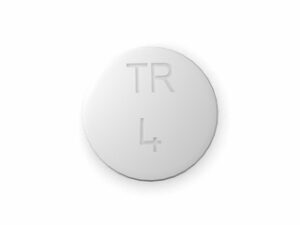
Desogestrel / Ethinyl estradiol (Desogestrel and Ethinyl estradiol) — Patient Guide (UK)
Desogestrel / Ethinyl estradiol is a combined oral contraceptive (COC) used to prevent pregnancy and, in some people, to help improve certain hormonal-related symptoms. This guide explains how it works, how to take it, what to expect, and important safety information—written in clear, practical language for customers in the United Kingdom.
| Key information | What you should know |
|---|---|
| Common name | Desogestrel / Ethinyl estradiol |
| Type of medicine | Combined oral contraceptive pill (COC) |
| Active ingredients | Desogestrel (progestogen) + Ethinyl estradiol (oestrogen) |
| Main use | Contraception (pregnancy prevention) |
| How it works | Stops ovulation and changes cervical mucus |
| How to take | One tablet daily, following the pack schedule (usually 21 days on, then a break or placebo) |
| Effectiveness | Highest when taken correctly and consistently |
| UK availability | Widely supplied through UK pharmacy channels; availability may vary by brand and pack size |
What is Desogestrel / Ethinyl estradiol?
Desogestrel / Ethinyl estradiol is a type of birth control pill containing two hormones: desogestrel (a progestogen) and ethinyl estradiol (an oestrogen). By providing a steady hormonal dose, it prevents pregnancy by reducing the chance of ovulation and by making it harder for sperm to enter the uterus.
Different brands may use slightly different tablet schedules (for example, 21 active tablets followed by a tablet-free interval, or active/placebo sequences). Always follow the instructions specific to the pack you receive.
How it works (mechanism of action)
Desogestrel / Ethinyl estradiol works through several related mechanisms:
- Prevents ovulation: The oestrogen and progestogen help suppress the natural hormone signals that normally trigger ovulation.
- Thickens cervical mucus: The progestogen makes cervical mucus less penetrable to sperm.
- Alters the uterine lining: Hormonal changes can make the uterine environment less suitable for implantation.
These combined effects give contraceptive protection when taken correctly and consistently.
Pharmacokinetics (how your body processes it)
Pharmacokinetics describes how the body absorbs, distributes, metabolises, and eliminates a medicine. While individual differences exist, the main points for this combination pill are:
- Absorption: After swallowing, both hormones are absorbed through the digestive system.
- Metabolism: Both components are primarily metabolised in the liver.
- Half-life and steady levels: Hormone levels are designed to be maintained with daily dosing, helping suppress ovulation reliably.
- Excretion: Metabolites are eliminated mainly via bile and urine pathways.
Because the hormones are metabolised in the liver, some other medicines or herbal products that affect liver enzymes can reduce contraceptive effectiveness (see “Medicine interactions” below).
Typical use and when it starts protecting you
Common reasons people choose this pill
- Pregnancy prevention
- Helping to control cycle-related bleeding patterns (for example, more predictable bleeding for some people)
- May improve symptoms such as acne and period-related discomfort in some individuals (varies)
Timing: starting contraception
How quickly the pill works depends on when you start. Typical guidance is:
- If you start within the first 5 days of your period (day 1 = first day of bleeding), contraceptive protection is often immediate.
- If you start at another time, additional contraception (e.g., condoms) may be needed for a short period while the pill’s effects build up.
If you are switching from another contraceptive method, your clinician/pharmacist can advise the best start timing. If you have had unprotected sex since your last period began, seek advice promptly to ensure you are appropriately protected.
Dose and how to take it
The usual regimen for combined oral contraceptives is:
- One tablet by mouth once daily, at roughly the same time each day.
- Follow the order and schedule on your specific pack (many packs follow a 21 active tablet + break pattern, or an active/placebo sequence).
If your pack contains a tablet-free break
- Bleeding (withdrawal bleeding) commonly occurs during the break or placebo days.
- Start your next pack on the recommended day, even if bleeding hasn’t fully stopped.
If your pack uses placebo tablets
- Take the placebo tablets as directed to maintain the correct daily routine and cycle schedule.
If you miss tablets or are unsure what to do, check your pack leaflet for the exact “missed pill” instructions or speak with a healthcare professional.
Food interactions
Food is not expected to have a clinically important effect on how desogestrel/ethinyl estradiol works for most people. You can take the tablet with or without food. However:
- If you vomit shortly after taking a tablet, it may not have fully absorbed. Consider the “missed tablet” guidance for your pack.
- Severe diarrhoea can also reduce absorption; seek advice if symptoms are significant or persistent.
Alcohol and medicine interactions
Alcohol
Moderate alcohol intake is generally not expected to reduce the contraceptive effect of combined pills for most people. Still, alcohol may indirectly increase risk by:
- Making it easier to miss tablets
- Increasing likelihood of vomiting or diarrhoea in some situations
If you vomit after drinking, follow the advice for missed tablets.
Other medicines that can reduce effectiveness
Some medicines can reduce contraceptive effectiveness by altering liver enzymes (for example, certain drugs that induce cytochrome P450 enzymes). This can increase the risk of pregnancy.
Examples of medicine classes that may interact include (not exhaustive):
- Some anti-epileptics (antiepileptic drugs)
- Some treatments for tuberculosis
- Some HIV/Hepatitis C medicines (depending on regimen)
- Rifamycin antibiotics (e.g., rifampicin)
- Herbal products such as St John’s wort (Hypericum perforatum)
Medicines that may increase side effects or require extra caution
Some medicines may increase hormone-related side effects, or may require careful monitoring when used alongside combined pills. If you are starting or stopping any regular medicines, ask a pharmacist for interaction advice.
Always inform a healthcare professional that you take a combined oral contraceptive when being prescribed other treatments.
Indications (what it is used for)
The main indication of desogestrel / ethinyl estradiol is:
- Contraception in individuals who choose an oral combined hormonal method.
Depending on the person, clinicians may also consider it for non-contraceptive benefits (such as menstrual cycle control) where appropriate. The exact benefits vary between individuals.
Safety profile and important risks
Like all hormonal contraceptives, desogestrel/ethinyl estradiol can cause side effects. Most are mild and improve over time, but it is important to understand the rare but serious risks associated with combined pills.
Common side effects
- Headache
- Nausea, stomach discomfort
- Breast tenderness
- Changes in bleeding pattern (spotting, irregular bleeding, breakthrough bleeding)
- Changes in mood (varies)
- Fluid retention
Many side effects settle after the first few cycles. If symptoms are bothersome or persistent, seek advice.
Serious risks (seek urgent medical help)
Combined pills slightly increase the risk of blood clots compared with not using combined hormonal contraception. The risk is higher in certain situations.
-
Blood clots in a leg (DVT) or lungs (PE)
- Possible symptoms: one-sided leg swelling or pain, sudden breathlessness, chest pain, coughing blood.
-
Stroke
- Possible symptoms: sudden weakness or numbness on one side, trouble speaking, sudden vision problems, severe dizziness.
-
Heart attack
- Possible symptoms: chest pain/pressure, pain spreading to arm/jaw, shortness of breath.
Get urgent medical attention if you develop symptoms suggestive of blood clots, stroke, or heart attack.
Who should be particularly cautious?
Combined hormonal contraception may not be suitable for everyone. Higher caution is needed if you have:
- Known history of blood clots
- Some migraine types (especially migraine with aura)
- Uncontrolled high blood pressure
- Smoking (risk rises substantially with age, particularly over 35)
- Very high cholesterol or other cardiovascular risk factors
- Major surgery or prolonged immobility (see below)
- Liver problems
- Some hormone-related cancers
If any of these apply to you, discuss suitability with a clinician or pharmacist.
Major surgery or prolonged immobility
The risk of blood clots is higher during and after surgery, or when you are immobilised (for example, long-haul travel with limited movement). In many cases, doctors advise stopping combined pills some weeks before major surgery and using a non-hormonal or alternative method in the interim. Follow the advice given for your situation.
Practical use tips for best effectiveness
- Take it at the same time every day to reduce forgetfulness. Many people find setting a phone alarm helpful.
- Use a reminder system (calendar, app, or pill organiser).
- Plan for travel to avoid missed doses across time changes.
- If you’re ill (especially vomiting/diarrhoea), check the missed tablet guidance for your pack.
- Carry your next pack when you’re away from home, so you can keep the routine.
- Don’t double up automatically unless your leaflet instructs you to do so after a missed tablet.
Missed pills, late doses, and what to do
If you miss tablets or take them late, the level of contraceptive protection can drop depending on how many tablets were missed and where you are in the pack. The exact instructions depend on the type of pill pack and the missed-pill scenario.
Always check the leaflet that comes with your specific brand for detailed missed-pill steps. If you’ve had sex since missing pills and you’re unsure about protection, seek prompt advice.
Alternative options
If desogestrel/ethinyl estradiol isn’t suitable, there are several other contraceptive methods. Alternatives include:
Other combined pills
- Different progestogens combined with ethinyl estradiol (choice may depend on side effects and risk profile).
Progestogen-only methods
- Progestogen-only pills (POP)
- Hormonal injections or implants
- Hormonal intrauterine systems (IUS)
Non-hormonal options
- Copper intrauterine device (IUD)
- Barrier methods (e.g., condoms)
A pharmacist can help you compare options based on your needs, preferences, and medical history.
Market and legal context in the UK
In the United Kingdom, combined oral contraceptives are regulated medicines and are supplied to the public through pharmacy services and clinical pathways. Availability and product listing may vary by brand, pack size, and current supply conditions.
Guidance on contraceptive use is consistent with UK public health recommendations and professional clinical standards. People are encouraged to access appropriate advice about suitability, risks, and interactions—especially when starting contraception or changing medicines.
Recent guidance and safety considerations (UK-focused)
UK guidance continues to emphasise the following points for combined hormonal contraception:
- Individual risk assessment for blood clots and cardiovascular risk factors (including smoking, migraines, and family history).
- Attention to medicine interactions, especially with liver enzyme–inducing medicines and herbal products like St John’s wort.
- Clear advice on missed tablets and what to do when protection may be reduced.
- Prompt escalation for red-flag symptoms suggesting blood clots, stroke, or serious cardiovascular events.
If you have questions about suitability or current UK advice for your situation, a pharmacist can guide you to the most appropriate next steps.
Delivery and availability in the UK
Desogestrel / Ethinyl estradiol may be available from UK pharmacies and online pharmacy partners depending on stock levels and brand selection. Delivery options vary by provider.
- Dispatch: Typically occurs on working days once the order is confirmed and items are available.
- Delivery times: Depend on the selected shipping method and local courier schedules.
- Packaging: Medicines are usually supplied in manufacturer packaging to support identification and storage.
- Availability: If a specific brand is out of stock, we may offer an alternative equivalent option (if allowed and appropriate) or provide restock updates.
Check the product page for the latest delivery estimates and stock status for the specific brand and pack you order.
Frequently Asked Questions (FAQ)
1) How effective is Desogestrel / Ethinyl estradiol?
Effectiveness depends on correct daily use. When taken properly and consistently, combined pills are highly effective. Missed or late tablets can reduce effectiveness, so it’s important to follow the pack schedule and missed-pill guidance.
2) Will I get a period every month?
Many people have predictable withdrawal bleeding during the break or placebo days. Some may have lighter bleeding or spotting between scheduled bleeds, particularly in the first few cycles. If bleeding is very unusual or you have concerns, seek advice.
3) Can I start the pill straight after pregnancy or breastfeeding?
Timing after childbirth and breastfeeding depends on individual circumstances and guidance for postpartum contraception. Discuss with a clinician or pharmacist for the safest approach and suitable method.
4) What if I’m sick or I vomit after taking the tablet?
If you vomit shortly after taking the pill, absorption may be incomplete. Follow the missed tablet instructions in your pack leaflet. If vomiting or diarrhoea is severe, you may need extra contraception temporarily.
5) Does alcohol affect the contraceptive pill?
Moderate alcohol is generally not expected to reduce effectiveness directly. The main risk is missing tablets or vomiting after drinking. If you vomit, follow the missed-pill advice.
6) Are there medicines I must avoid?
Some medicines and herbal products can reduce contraceptive effectiveness. This includes certain anti-epileptics, tuberculosis treatments, HIV/hepatitis treatments, rifamycin antibiotics, and St John’s wort. Tell your pharmacist about all medicines you take (including supplements) for interaction checks.
7) Is it safe to take if I smoke?
Smoking increases cardiovascular and blood-clot risks with combined pills, especially if you are older. If you smoke, ask for personalised advice on suitability and safer alternatives.
8) What should I do if I miss tablets?
The correct action depends on your pack type and how many tablets you missed. Refer to the leaflet for your exact instructions. If you’re unsure—especially if you’ve had sex since missing pills—get prompt advice.
9) Can I use tampons/menstrual cups while taking the pill?
Yes. The pill does not change how tampons or menstrual cups work. Use whichever products are comfortable for you.
10) When should I stop and get urgent medical help?
Stop and seek urgent medical attention if you develop symptoms suggestive of a blood clot (for example, sudden breathlessness, chest pain, one-sided leg swelling), stroke, or heart attack. These are rare but serious warning signs.
Before you start: key checklist
- Check your medical history and any migraine symptoms (especially aura).
- Review whether you smoke, have high blood pressure, or have clotting risk factors.
- Consider planned surgery or periods of immobilisation.
- Tell your pharmacist about all medicines, including supplements and herbal products.
- Ensure you can take the pill daily at a consistent time.
If you are unsure about suitability, interactions, or starting timing, speaking with a pharmacist can help you choose the safest, most effective option for your needs.