

Hydrochlorothiazide
Hydrochlorothiazide is a widely used water tablet (a thiazide diuretic) that helps your body remove excess salt and water through the urine. In the UK, it is prescribed and also used as part of long-term treatment for certain conditions, most commonly high blood pressure. It may also be used to reduce fluid build-up (oedema) and to support management of other related conditions as advised by a healthcare professional.
Quick overview
| Category | Details |
|---|---|
| Medicine type | Thiazide diuretic (“water tablet”) |
| Common uses | High blood pressure; fluid retention (oedema) in selected cases |
| How it works | Helps kidneys remove salt (sodium) and water |
| Onset of action | Often within a few hours of a dose |
| Duration | Typically several hours, with blood-pressure effects lasting longer |
| Common side effects | Increased urination, mild dizziness, low potassium, dehydration |
| Monitoring | Blood pressure and blood tests (electrolytes like sodium/potassium) |
What is Hydrochlorothiazide?
Hydrochlorothiazide belongs to the thiazide diuretic family. Diuretics increase urine output by changing how your kidneys handle salt and water. By reducing excess fluid and relaxing blood vessel resistance, hydrochlorothiazide can lower blood pressure and help relieve swelling caused by fluid retention.
In practice, hydrochlorothiazide is often used alone or in combination with other blood pressure medicines (such as ACE inhibitors or angiotensin receptor blockers) to improve overall control.
Mechanism of action (how it works)
Hydrochlorothiazide primarily acts in the kidney. It works on the distal convoluted tubule, where it reduces the reabsorption of sodium and chloride. As a result:
- More sodium is excreted in the urine.
- Water follows the sodium, so urine volume increases.
- Over time, reduced fluid volume and effects on blood vessels can contribute to lower blood pressure.
- Because it affects salt balance, it may also lead to changes in potassium, magnesium, and sodium levels.
Pharmacokinetics (what the body does to the medicine)
Pharmacokinetics describes how hydrochlorothiazide is absorbed, distributed, metabolised (processed), and eliminated.
- Absorption: Hydrochlorothiazide is absorbed from the gastrointestinal tract. The rate and extent of absorption may vary slightly between individuals.
- Distribution: It circulates in the bloodstream and reaches sites where kidney tubular reabsorption occurs.
- Metabolism: Hydrochlorothiazide is not extensively metabolised in the body.
- Elimination: It is mainly excreted unchanged via the kidneys. This means kidney function influences how long it stays in the body.
- Half-life: The elimination half-life is typically in the range of several hours, supporting once- or twice-daily dosing in many regimens. Longer-lasting blood pressure effects may occur beyond the peak diuretic effect.
Typical uses in the UK
Hydrochlorothiazide is used to treat and manage several conditions, most commonly:
- Hypertension (high blood pressure): Helps reduce blood pressure and lower long-term cardiovascular risk.
- Oedema (fluid retention): May be used in selected causes of swelling, where diuresis helps relieve symptoms.
- Adjunct therapy for certain patients: It may be combined with other medicines to improve control.
The exact reason you are taking it depends on your individual medical history. If you are unsure, check the label and your treatment plan.
When to take it (timing and routine)
Hydrochlorothiazide can increase urine output, so timing is important for comfort and daily life.
- Common advice: Take it in the morning to reduce the chance of needing the toilet during the night.
- Consistency: Take it at about the same time each day.
- If prescribed twice daily: A second dose is often scheduled earlier in the day to minimise nocturia (night-time urination).
If you miss a dose, the safest action often depends on how your medicine is scheduled. In general, do not double up to make up for a missed dose—follow your pharmacy directions or label instructions, and seek advice if unsure.
Food interactions
Hydrochlorothiazide is usually taken with or without food. However, certain dietary considerations can matter because thiazides alter electrolyte balance.
What to consider
- Salt intake: High salt diets can counteract blood pressure effects. Lower salt intake may improve control, but avoid drastic changes without guidance, especially if you’re prone to low sodium or dehydration.
- Potassium intake: Thiazides can lower potassium. Foods rich in potassium (for example, bananas, citrus fruit, tomatoes, potatoes, beans) may help, but do not take potassium supplements unless advised.
- Alcohol-containing foods: Alcohol itself is the main concern rather than food; moderation is advised.
When food may affect you
Many people tolerate hydrochlorothiazide regardless of meals. If the medicine makes you feel light-headed, some people find taking it with food reduces stomach discomfort—confirm with your healthcare team if you have persistent symptoms.
Alcohol interactions
Alcohol can increase the risk of side effects such as dizziness and low blood pressure, particularly when you first start treatment or when doses are adjusted. Because hydrochlorothiazide also lowers fluid balance, dehydration can be more likely with heavy alcohol intake.
- Moderate alcohol: Often possible, but be mindful of dizziness.
- Binge drinking: Higher risk of dehydration and electrolyte problems.
- Driving/operating machinery: Avoid if you feel unwell or dizzy.
Medicine interactions (important)
Hydrochlorothiazide can interact with other medicines, mainly through effects on kidney function, electrolyte balance, and blood pressure. Always review your full list of medicines and supplements with a pharmacist or healthcare professional.
Common interaction themes
- Potassium changes: Hydrochlorothiazide may lower potassium. Some medicines raise potassium, and the combined effect can vary.
- Kidney function and dehydration: If you are dehydrated, some medicines can be harder for your kidneys to handle.
- Blood pressure lowering: Combining medicines that lower blood pressure can increase the chance of dizziness or falls.
Examples of medicines that may be relevant
- Other antihypertensives: May be beneficial together, but monitor for symptoms of low blood pressure.
- NSAIDs (non-steroidal anti-inflammatory drugs) such as ibuprofen and naproxen: may reduce diuretic/blood pressure effects and affect kidney function in some patients, especially with dehydration.
- Lithium: Diuretics can increase lithium levels, raising toxicity risk. Close monitoring is required if used together.
- Digoxin and other heart medicines: Low potassium can increase the risk of rhythm problems.
- Corticosteroids (e.g., prednisolone) or laxatives: may worsen low potassium.
- Diabetes medicines: Thiazides can affect blood sugar in some people; medication adjustment may be necessary.
- Gout medicines: Hydrochlorothiazide may raise uric acid levels, sometimes triggering gout.
- Calcium and vitamin D: Thiazides can increase calcium levels, so monitoring may be needed.
If you start a new medicine (including over-the-counter painkillers, herbal remedies, or supplements), check whether it could interact. Pharmacists can usually help quickly.
Indications (when hydrochlorothiazide is used)
“Indications” means the medical reasons hydrochlorothiazide may be recommended. In the UK, indications most commonly include:
- Essential hypertension: Chronic high blood pressure without a specific secondary cause.
- Oedema: Fluid retention linked to certain conditions, such as some heart-related or kidney-related causes (only in appropriate cases).
- Part of combination therapy: When blood pressure targets are not achieved with one medicine alone.
Your prescriber may tailor the plan based on other conditions (kidney function, diabetes, gout history, electrolyte status) and your overall cardiovascular risk.
Dosing (typical approach)
Dosing depends on the condition being treated, your response, and your kidney function. Always follow the dosing instructions on your label.
General dosing principles
- Start low, adjust carefully: Many regimens begin at a lower dose and increase if needed.
- Single morning dose is common: To reduce night-time urination.
- Kidney function matters: If kidney function is reduced, dosing and monitoring may need to change.
- Electrolyte monitoring is important: Sodium, potassium, and sometimes magnesium and kidney function are frequently checked.
Typical adult dosing (for reference)
Hydrochlorothiazide dosing regimens vary widely across products and patient needs. Some common starting points used in practice are in the range of 12.5 mg to 25 mg once daily, with adjustments based on response. Some patients may be prescribed a different schedule (including twice-daily schedules), especially when used for fluid retention.
Please treat this as general information, not a personal dose recommendation. Your exact dose should be taken from the medicine pack and your healthcare plan.
Safety profile (side effects and when to seek help)
Like all medicines, hydrochlorothiazide can cause side effects. Many are mild and manageable, but some require urgent medical attention.
Common or expected effects
- More frequent urination: Often in the first days after starting.
- Light-headedness (especially when standing quickly).
- Headache or mild fatigue.
- Muscle cramps or weakness (may relate to electrolyte changes).
Electrolyte and metabolic changes
Thiazide diuretics may change blood levels of electrolytes. Your clinician may monitor these to prevent complications.
- Low potassium (hypokalaemia): Can cause weakness, cramps, or heart rhythm changes.
- Low sodium (hyponatraemia): Symptoms can include headache, confusion, severe tiredness, or nausea.
- High uric acid: May trigger gout attacks in susceptible people.
- Increased blood sugar: May be noticeable in some people with diabetes.
- Raised calcium: Less commonly, blood calcium can increase.
Serious side effects—get urgent medical help
Seek urgent advice if you experience signs of a serious reaction or severe electrolyte imbalance, such as:
- Fainting, severe dizziness, or inability to stand safely
- Severe weakness, muscle paralysis, or significant confusion
- Heart palpitations, chest pain, or new irregular heartbeat
- Signs of severe dehydration (very low urine, extreme thirst, persistent vomiting)
- Allergic symptoms (swelling of face/lips, difficulty breathing, widespread rash)
Who needs extra caution?
Extra monitoring may be needed if you have:
- Reduced kidney function
- History of electrolyte problems (low sodium/potassium)
- Gout or high uric acid
- Diabetes
- Liver disease or significant low blood pressure risk
- Older age (risk of dehydration and falls can be higher)
Practical use tips (how to take it safely)
- Hydrate appropriately: Drink fluids normally unless you have been advised to restrict fluids. Thiazides can contribute to dehydration.
- Stand up slowly: Especially when getting out of bed or after sitting.
- Track symptoms: If you notice unusual weakness, cramps, dizziness, or gout flare-ups, inform your healthcare professional.
- Keep up with blood tests: Monitoring electrolytes and kidney function helps prevent complications.
- Be careful during hot weather: Increased sweating can compound fluid loss.
- Avoid doubling doses: If you miss a dose, follow label instructions rather than taking extra tablets.
Dehydration and “illness days” (what to do if you are unwell)
If you develop vomiting, diarrhoea, high fever, or are not able to drink normally, dehydration can occur quickly. Dehydration can increase the risk of kidney problems when using diuretics.
Many UK clinical resources advise temporary review of medicines in certain “sick day” situations. For personalised advice, contact your GP practice or pharmacist—especially if you’re also taking medicines such as ACE inhibitors/ARBs or NSAIDs.
Alternative options
Depending on why you’re taking hydrochlorothiazide, alternatives may include other diuretics or different blood pressure medicines.
Other diuretics
- Indapamide: Another thiazide-like diuretic often used for hypertension.
- Chlortalidone: Longer-acting thiazide-like diuretic used in some regimens.
- Loop diuretics (e.g., furosemide): Often used when stronger diuresis is needed (typically for specific fluid conditions).
Non-diuretic blood pressure medicines
- ACE inhibitors (e.g., lisinopril, ramipril)
- Angiotensin receptor blockers (ARBs) (e.g., losartan)
- Calcium channel blockers (e.g., amlodipine)
- Beta-blockers (e.g., bisoprolol) in selected cases
The best alternative depends on your blood pressure target, kidney function, electrolyte profile, other conditions (like diabetes or gout), and what has worked previously.
Hydrochlorothiazide in the UK: market and legal context
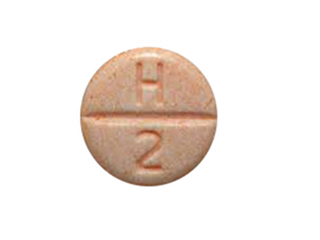
In the UK, hydrochlorothiazide is an established medicine. Many hydrochlorothiazide products are available as tablets in defined strengths and may be supplied through community pharmacies. UK regulation ensures medicines are manufactured, quality-checked, and labelled according to national requirements.
Availability may vary by brand and strength. Some people may receive different formulations or packaging while remaining on the same active ingredient and strength, depending on supply.
For the most current information about specific brands, strengths, and supply in your area, your pharmacist can confirm what’s in stock.
Recent guidance and best-practice considerations
UK prescribing practice for hypertension commonly reflects national and international evidence, including the use of thiazide-type diuretics as part of first-line or combination options for many adults. Clinicians focus on:
- Achieving blood pressure targets while minimising side effects.
- Routine monitoring of electrolytes and kidney function, particularly after starting or changing dose.
- Individualising therapy based on age, comorbidities, and cardiovascular risk.
- Assessing fall risk and dehydration risk in vulnerable groups.
- Reviewing medication interactions to avoid avoidable kidney stress and electrolyte disruption.
Guidance may evolve over time; always rely on the most up-to-date advice given to you by your healthcare team.
Delivery and availability (online pharmacy information)
Hydrochlorothiazide is commonly available through UK online pharmacy services, subject to usual supply and stock availability. Delivery options and dispatch times may vary depending on the supplier and the strength/brand you select.
- Availability: Check real-time stock status on the product page.
- Delivery times: Typically shown at checkout or in the delivery information section.
- Packaging: Medicines are delivered in secure, tamper-evident packaging where applicable.
- Cold-chain: Hydrochlorothiazide tablets generally do not require refrigeration.
If you need a specific brand or strength but it is not currently available, speak to your pharmacist about alternatives with the same active ingredient and strength.
FAQ (frequently asked questions)
1) Is hydrochlorothiazide a “water tablet”?
Yes. Hydrochlorothiazide is a thiazide diuretic, meaning it helps your body remove extra salt and water through the kidneys, leading to increased urination.
2) How soon will it start working?
Many people notice increased urine output within a few hours of taking a dose. Blood pressure improvements build over time and may continue beyond the immediate diuretic effect.
3) Should I take it in the morning or at night?
In many regimens, it is taken in the morning to reduce night-time trips to the toilet. If you’ve been told to take it differently, follow your label instructions.
4) Can I take hydrochlorothiazide with food?
It can usually be taken with or without food. If it upsets your stomach, taking it with a meal may help. Check your product leaflet for any specific instructions.
5) What should I do if I miss a dose?
Do not double up. Check the instructions on your medicine label or patient information. If you’re uncertain, contact your pharmacist for advice.
6) Will it affect my potassium level?
It may. Thiazides can lower potassium in some people. This is why electrolyte monitoring is often recommended, and why you should not start potassium supplements without guidance.
7) Can hydrochlorothiazide trigger gout?
It can increase uric acid levels, which may trigger gout attacks in susceptible individuals. If you have a history of gout, discuss prevention and monitoring.
8) Is it safe with alcohol?
Moderate alcohol may be possible, but be cautious. Alcohol can increase dizziness and dehydration risk. Avoid heavy drinking, particularly in hot weather or if you feel unwell.
9) Are there medicines I should avoid?
Some medicines can interact, including NSAIDs (like ibuprofen), lithium, digoxin, and others. Don’t start, stop, or change doses of any medicine without checking first with your pharmacist, especially if you have kidney disease or dehydration risk.
10) How often are blood tests needed?
Frequency varies depending on your health and the reason you’re taking the medicine. Typically, electrolytes and kidney function are checked after starting or changing dose, and then periodically. Your clinician will advise a schedule.
11) Can I drive after taking it?
If you feel dizzy or unwell, avoid driving. Many people tolerate hydrochlorothiazide without problems, but side effects like dizziness can occur, especially early in treatment.
12) What are signs I should seek urgent medical help?
Seek urgent medical advice if you have severe dizziness or fainting, confusion, signs of severe dehydration, significant weakness, palpitations, breathing difficulty, or swelling/allergic symptoms.
Final reminders
Hydrochlorothiazide can be an effective medicine for controlling blood pressure and managing fluid retention, but it requires sensible hydration and appropriate monitoring—particularly of electrolytes and kidney function. If you notice new symptoms such as severe dizziness, muscle weakness, palpitations, or signs of dehydration, seek medical help promptly.