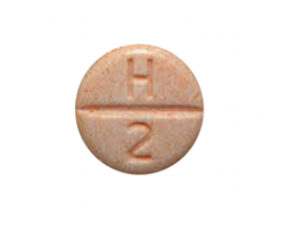


Midodrine (Oral)
Midodrine is a medicine used to treat certain types of low blood pressure (hypotension), especially when symptoms are caused by the body’s inability to maintain adequate blood pressure. It works by narrowing blood vessels, helping to raise and stabilise blood pressure so you can feel better and function more comfortably.
This guide explains what Midodrine does, how it’s used, what to expect, and important safety information. It is written for people in the United Kingdom and focuses on practical, patient-friendly advice.
Basic Product Information
- Active ingredient: Midodrine
- Medicines type: Antihypotensive / vasoconstrictor (blood pressure raising)
- How it’s usually taken: By mouth (tablet or liquid formulation depending on product availability)
- Common therapeutic use: Symptomatic orthostatic hypotension and related hypotension conditions
- ATC (typical classification): C01CA17 (midodrine)
Note: Product strengths and formulations can vary by brand. Always follow the specific instructions provided with your medicine.
How Midodrine Works (Mechanism of Action)
Midodrine itself is a prodrug—that means it is converted in the body into an active form called desglymidodrine. The active metabolite stimulates alpha-1 adrenergic receptors on blood vessels.
When these receptors are activated, blood vessels constrict (narrow). This increases peripheral vascular resistance and helps raise blood pressure, particularly in situations where blood pressure drops when standing.
- Helps maintain blood pressure on standing
- May reduce symptoms such as dizziness, light-headedness, or faintness
- Does not directly treat the cause of low blood pressure—rather, it supports blood pressure control
Pharmacokinetics (How the Body Processes It)
Understanding how midodrine behaves in the body can help explain why timing matters and why dosing is often scheduled around waking and standing.
- Absorption: Midodrine is absorbed after oral dosing. Food can affect absorption and speed of onset (see “Food and interactions”).
- Metabolism: It is metabolised to its active form (desglymidodrine).
- Onset: Symptom relief may begin within about 30–60 minutes after dosing, though individual response varies.
- Duration: Effects typically last for several hours, so dosing schedules often use multiple daily doses.
- Elimination: The active metabolite is eliminated mainly via the kidneys (kidney function can influence exposure).
Kidney function note: If you have reduced kidney function, your body may clear the drug less efficiently. Your clinician may adjust dosing accordingly.
Typical Use in the UK
In the UK, Midodrine is commonly used for symptomatic orthostatic hypotension—a condition where blood pressure drops when you stand up or sit up, causing symptoms.
It may also be considered in certain forms of neurogenic hypotension (where the nervous system’s ability to regulate blood vessel tone is impaired), depending on the underlying condition and specialist assessment.
Indications (What It’s Used For)
- Symptomatic orthostatic hypotension (e.g., dizziness, blurred vision, weakness, near-fainting upon standing)
- Neurogenic orthostatic hypotension associated with conditions affecting autonomic nervous system regulation
- Other documented hypotension scenarios where a doctor determines the benefit of increasing vascular tone outweighs risks
Important: Use should be tailored to the individual. If your symptoms suggest a serious underlying problem (e.g., chest pain, severe shortness of breath, black stools, or collapse), seek urgent medical help.
Timing: When to Take Midodrine
Midodrine is often taken in the daytime because its effect can increase blood pressure when you are upright and reduce symptoms such as dizziness. A key safety concern is that it can also raise blood pressure when lying down, potentially leading to supine hypertension (high blood pressure while you are in bed).
- Generally: It is commonly scheduled so you take doses during waking hours when you may be standing or sitting upright.
- Avoid lying down soon after a dose: Many people are advised to avoid lying down for a period after taking it (your prescriber’s timing guidance should be followed).
- Bedtime: Dosing schedules are usually designed to reduce the risk of nighttime high blood pressure.
- Symptom tracking helps: If you notice dizziness or faintness at particular times, discuss your timing and dose schedule.
Practical tip: If you have a home blood pressure monitor, recording readings (especially lying and standing) can help assess whether the medicine is helping or causing high blood pressure when supine.
Dosing (General Guidance)
Midodrine dosing is individualised based on your symptoms, blood pressure response, and tolerability. The information below is general and should not replace the instructions provided for your specific product.
Common Dosing Approach
- Starting dose: Often begins at a low level and is adjusted gradually.
- Administration frequency: Typically taken 2 to 3 times daily (depending on formulation and response).
- Adjustment: Dose may be increased if symptoms persist and supine hypertension is not problematic, or reduced if side effects occur.
How to Take It
- Take the tablet(s) or measured dose as directed with water.
- Try to keep doses evenly spaced during your waking hours.
- If you miss a dose, do not take an extra dose to catch up without guidance.
Always check your specific product leaflet for exact instructions on strength, frequency, and maximum daily dose.
Food Interactions
Food may affect how quickly midodrine is absorbed. This can influence how soon you feel an effect.
- Take consistency seriously: Try to take midodrine the same way each day (e.g., always with or always without food) unless your instructions say otherwise.
- Absorption speed: If you notice delays in symptom relief after meals, you may need to adjust timing (discuss with your pharmacist or clinician).
What to do: If your medicine instructions specify “take with food” or “take before food,” follow those directions. Otherwise, aim for a regular routine and monitor your blood pressure response.
Alcohol and Medicine Interactions
Alcohol
Alcohol can worsen dizziness and may also affect blood pressure regulation. Because midodrine is used to manage symptoms related to blood pressure, alcohol may make it harder to predict how you will feel.
- Recommendation: Limit alcohol or avoid it, especially if you are prone to fainting, falls, or severe light-headedness.
- Hydration matters: Alcohol can contribute to dehydration, which may further lower blood pressure when standing.
Interactions with Other Medicines
Midodrine’s effect can be influenced by other medicines that affect blood pressure, heart rate, or blood vessel tone.
- Other blood pressure–related medicines: Combining midodrine with drugs that lower blood pressure may counteract each other.
- Medicines that raise blood pressure or affect sympathetic tone: May increase risk of supine hypertension or cardiovascular side effects.
- Diuretics: If you take “water tablets,” they can influence fluid balance and blood pressure stability.
- Antidepressants and other neuroactive drugs: Some can alter autonomic regulation and dizziness risk.
Always review your entire list of medicines (including over-the-counter products and herbal supplements) with your pharmacist. This is especially important if you take treatments for blood pressure, heart conditions, prostate symptoms, or neurological conditions.
Safety Profile: Common and Serious Side Effects
Like all medicines, midodrine can cause side effects. Many are dose-related and can improve with adjustment or timing changes. The most important safety issue is increased blood pressure when lying down.
Potential Serious Risks
- Supine hypertension: High blood pressure when lying down (especially at night). This may be more likely if doses are taken too close to bedtime or if you lie down soon after dosing.
- Reflex bradycardia: Slower heart rate can occur as blood pressure rises.
- Cardiovascular strain: If you have underlying heart disease, careful monitoring may be required.
Common Side Effects
- “Tingling” or scalp itching (paresthesia)
- Urinary retention or difficulty urinating (especially in people with prostate issues)
- Headache or discomfort
- Nausea or stomach discomfort
- Coldness or changes in skin sensation
When to Seek Urgent Medical Advice
Seek urgent medical help if you experience:
- Chest pain, severe shortness of breath, or symptoms of a stroke (face drooping, arm weakness, speech difficulty)
- Severe headache, confusion, or signs of dangerously high blood pressure
- Fainting with injury or repeated collapse
- Inability to urinate with significant discomfort
Practical Use Tips (Getting the Best from Midodrine)
Midodrine works best when combined with practical lifestyle strategies that reduce drops in blood pressure on standing.
Before Standing
- Move gradually: Sit up slowly, pause, then stand.
- Counter-manoeuvres: Some people benefit from tensing thigh or calf muscles before standing.
- Hydration: Adequate fluids can help maintain circulating volume.
Body Positioning
- Avoid lying flat soon after a dose to reduce supine hypertension risk.
- If you rest in the daytime, consider keeping the head elevated if advised.
Blood Pressure Monitoring
- If possible, measure blood pressure at the times relevant to your symptoms (e.g., lying down and then after standing).
- Record readings and any symptoms (dizziness, light-headedness, headaches) to discuss with your clinician.
Fall Prevention
- Use support when standing (chair backs, railings).
- Take extra care at night when going to the toilet.
- Consider wearing footwear with good grip and avoiding slippery floors.
Alternative Options (Other Treatments for Orthostatic Hypotension)
Depending on the cause of your hypotension, alternatives may include non-medicine strategies, other medicines, or adjustment of contributing factors (e.g., dehydration, dose of other drugs).
Non-medicine options
- Compression garments (e.g., abdominal binders or compression stockings)
- Increased fluid and salt intake if appropriate for you (important: check if you have heart failure or kidney disease)
- Physical conditioning and careful orthostatic training
- Reviewing medication triggers such as diuretics or vasodilators
Medication alternatives (examples)
- Fludrocortisone (helps retain salt and water)
- Droxidopa (where available; used for neurogenic orthostatic hypotension in some countries)
- Midodrine alternatives may vary based on local guidance and availability
Your pharmacist or clinician can explain which option is most suitable based on your diagnosis, blood pressure pattern, and side-effect risk.
Market and Legal Context for the UK
In the United Kingdom, medicines are regulated by the Medicines and Healthcare products Regulatory Agency (MHRA). Midodrine-containing products are supplied under the applicable UK medicines framework. Pharmacies must follow legal requirements for supply, patient information, and product handling.
Availability can vary by brand, formulation, and local stock. Some medicines may be subject to additional prescribing or supply arrangements depending on their licensing status and clinical use.
Supply and labelling: UK packs should include patient information leaflets and clear product identifiers. If you are unsure about a product you receive, do not use it—contact the pharmacy supplying it.
Recent Guidance and Clinical Considerations
Orthostatic hypotension management is an evolving area. In recent years, clinical practice has increasingly focused on:
- Confirming the pattern (e.g., orthostatic drop in blood pressure with symptoms)
- Reducing avoidable causes (dehydration, medication-related hypotension, anaemia)
- Balancing benefit against supine hypertension risk through timing and monitoring
- Using non-drug strategies alongside medication when appropriate
Local specialist services (for example, neurology, geriatric medicine, cardiology, or autonomic clinics) may tailor treatment based on the suspected underlying mechanism.
Delivery and Availability (UK Online Pharmacy)
Availability of Midodrine can vary. When you order online, you may see different pack sizes or strengths depending on current supply.
- Dispatch: Most orders are dispatched quickly once payment and identity checks (if required) are completed.
- Delivery: Delivery options typically include standard and express services depending on the pharmacy’s logistics network.
- Cold chain: Midodrine tablets are generally stored at controlled room temperature; they do not usually require cold-chain delivery.
- Stock changes: If an item is temporarily unavailable, the pharmacy may offer an alternative pack size/brand (if clinically appropriate) or notify you.
Storage at home: Keep your medicine in its original packaging, protected from light and moisture. Store at temperatures specified on the label and keep out of reach of children.
Frequently Asked Questions (FAQ)
1) What is Midodrine used for?
Midodrine is used to treat symptomatic orthostatic hypotension (blood pressure drops when standing) and related conditions where raising blood pressure reduces dizziness, light-headedness, or near-fainting.
2) When will I notice it working?
Many people notice improvement within about 30–60 minutes after taking a dose. Exact timing varies by formulation, individual absorption, and whether you take it with food.
3) Why do I need to avoid lying down after taking it?
Midodrine can increase blood pressure, including when you’re lying down. Avoiding lying down soon after dosing helps reduce the risk of supine hypertension.
4) Can Midodrine cause high blood pressure?
Yes. The most important blood pressure risk is high blood pressure while lying down. This is why careful timing and (when advised) blood pressure monitoring are important.
5) What should I do if I miss a dose?
If you miss a dose, take it only if it’s still close to the time you normally take it and you can do so safely according to your medicine instructions. If you’re unsure, contact your pharmacist. Do not take extra doses to “catch up” without guidance.
6) Can I drink alcohol while taking Midodrine?
It’s best to limit or avoid alcohol because it may worsen dizziness and affect blood pressure. If you choose to drink, do so cautiously and monitor how you feel.
7) Is it safe to drive or operate machinery?
If you experience dizziness, blurred vision, or faintness, avoid driving or hazardous activities until you’re confident the medicine is not causing symptoms. Take extra care during dose changes or when starting treatment.
8) What interactions should I watch for?
Tell your pharmacist about all medicines you take, especially those affecting blood pressure or the autonomic nervous system. This includes any tablets for heart conditions, high blood pressure, fluid tablets, and some neurological or antidepressant medicines.
9) Does food affect Midodrine?
Food can influence absorption speed for some people. For best results, keep your routine consistent (take it the same way each day) unless your product instructions specify otherwise.
10) What are the most common side effects?
Common side effects include tingling/itching (paresthesia), headache, stomach upset, and sometimes urinary difficulties.
11) When should I seek urgent help?
Get urgent medical assistance if you develop severe chest pain, signs of stroke, severe headache/confusion, repeated fainting, or trouble urinating that is causing significant discomfort.
Summary
Midodrine helps treat symptomatic orthostatic hypotension by constricting blood vessels through alpha-1 receptor stimulation. It can improve standing-related dizziness, but it may also cause problems such as supine hypertension. Success with midodrine depends on correct dosing timing, consistent daily routine, monitoring (when advised), and combining medication with practical measures to reduce blood pressure drops.
If you have questions about your specific product strength, how to take it, or how it might interact with your other medicines, your pharmacist can help.