
Spironolactone: Patient-Friendly Information (UK)
Spironolactone is a medicine used to help the body get rid of excess salt and water and to reduce the effects of the hormone aldosterone. It is commonly prescribed for fluid retention (oedema) and certain heart and hormonal conditions. Many people also hear about spironolactone for acne or hair loss, because it can affect hormone-driven oil production and certain androgen effects.
This page explains how spironolactone works, how it is used, typical timing, interactions (including food, alcohol, and other medicines), safety points, and practical tips for getting the best results.
| Topic | Key points |
|---|---|
| Medicine name | Spironolactone |
| Type | Potassium-sparing diuretic (aldosterone antagonist) |
| What it’s used for | Fluid retention, certain heart conditions, high aldosterone states; selected hormonal conditions such as acne/hirsutism |
| Main benefit | Reduces sodium/water retention and helps lower harmful aldosterone effects |
| Important safety concern | Can raise potassium (hyperkalaemia), especially with kidney problems or interacting medicines |
| Common monitoring | Blood potassium and kidney function (e.g., urea/creatinine/eGFR) |
Basic product information
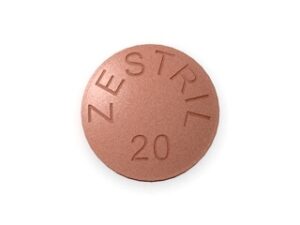
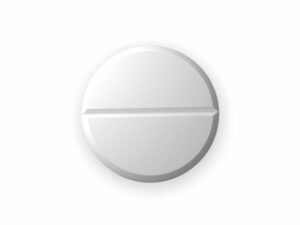
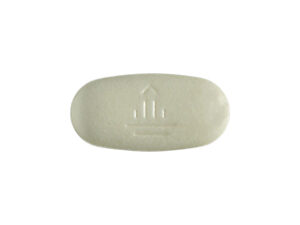
Spironolactone is available in tablet form (and some formulations may vary by brand). The strength may differ depending on the manufacturer. In the UK, different brands and generics may be available through pharmacies.
The dose depends on the condition being treated, your kidney function, and any medicines you take that could affect potassium. Your clinician may adjust the dose gradually.
How spironolactone works (mechanism of action)
Spironolactone is an aldosterone antagonist. Aldosterone is a hormone that helps regulate salt and water balance by acting on the kidneys and other tissues.
- Diuretic effect (fluid balance): By blocking aldosterone receptors in the kidney, spironolactone reduces sodium reabsorption and increases excretion of sodium and water.
- Potassium-sparing effect: Because it blocks aldosterone, it tends to reduce potassium loss. This can be beneficial for people needing a diuretic while avoiding low potassium, but it also means potassium can rise in some people.
- Hormonal effects (androgen-related conditions): Spironolactone has anti-androgen activity. This may help reduce oil production and unwanted hair growth in some hormonally driven conditions.
Pharmacokinetics (how the body handles it)
Pharmacokinetics describes what happens to a medicine in the body: absorption, distribution, metabolism, and elimination. Spironolactone is metabolised mainly in the liver to active metabolites (breakdown products that can also contribute to its effects).
- Absorption: It is absorbed after oral dosing. Individual absorption may vary.
- Metabolism: Spironolactone is metabolised in the liver to active metabolites, which may contribute to both the onset and duration of effect.
- Onset of diuretic effect: Diuretic effects may take time; some people notice changes within days, though full benefit may take longer depending on the condition.
- Elimination: Active metabolites are excreted primarily via urine and also through other routes. Your kidney function can influence how quickly the medicine and metabolites are cleared.
Because of its metabolites and the time course of aldosterone blockade, spironolactone can act more gradually than some “loop” diuretics.
Typical uses and indications in the UK
Spironolactone is used for several clinical situations. Indications can vary by local guidance and individual assessment. Common uses include:
Cardiovascular and fluid retention
- Fluid retention (oedema): Particularly when associated with conditions such as heart failure or when additional diuretic therapy is required.
- Heart failure: In certain patient groups, spironolactone may help reduce progression and symptoms.
- Hyperaldosteronism: Conditions involving excess aldosterone may be treated with aldosterone antagonists.
Hormone-related conditions (commonly discussed)
- Acne (selected cases): In women (and sometimes other groups depending on clinical judgement), spironolactone may be used when acne is linked to hormonal patterns.
- Hirsutism (unwanted hair growth): Anti-androgen activity can help some people with androgen-related symptoms.
- Other androgen-driven symptoms: Use is based on specialist assessment.
If you are taking spironolactone for a hormonal skin condition, it’s important to allow time for effect and to follow monitoring advice, particularly regarding potassium.
How to take spironolactone: dosing and timing
Dosing varies by condition, age, kidney function, and other medications. Your clinician will determine the best starting dose. Below are general patterns for how spironolactone is commonly taken.
Typical timing
- Once daily dosing: Many people take spironolactone once per day. It is often taken in the morning or evening, depending on how it affects you (e.g., whether you notice more frequent urination).
- Twice daily dosing: Some people are prescribed twice daily dosing to improve tolerance and achieve steadier levels.
- Consistency matters: Try to take it at the same time each day.
Dose adjustment and monitoring
Dose adjustments may be needed after blood tests. Monitoring is especially important if you:
- have reduced kidney function
- take other medicines that can affect potassium
- have heart failure or are receiving other diuretics
Practical guidance for missed doses
If you forget a dose, take it when you remember unless it’s close to the time of the next dose. If it is almost time for your next dose, skip the missed dose and continue as normal. Do not take a double dose to make up for a missed tablet. If you’re unsure, ask a pharmacist for advice.
Food interactions and whether to take with meals
Spironolactone can generally be taken with or without food. Some people find that taking it with food helps reduce stomach upset. Follow the advice from your dispensing pharmacist or prescriber.
- Salt intake: Because spironolactone affects sodium handling, very high salt intake may reduce effectiveness.
- Potassium intake: Large amounts of potassium from supplements may increase the risk of high potassium.
- Dietary patterns: If you are advised to limit potassium, be cautious with “low-salt” products. These often contain potassium chloride.
Alcohol and medicine interactions
Alcohol can affect blood pressure and may increase dizziness in some people, particularly when starting or increasing doses. Spironolactone can also lower blood pressure in certain individuals, so alcohol may add to that effect.
- Practical advice: Keep alcohol moderate and see how you feel after dosing.
- Be cautious if you get light-headed: Avoid driving or operating machinery if you feel dizzy or unwell.
Other important medicine interactions
Interactions can be a key safety issue with spironolactone, largely because it can raise potassium. Tell your healthcare professional about all medicines and supplements you use, including over-the-counter products.
Medicines that may increase potassium (risk of hyperkalaemia)
- Potassium supplements
- Potassium-containing salt substitutes (often potassium chloride)
- Other potassium-sparing diuretics (e.g., amiloride, triamterene)
- ACE inhibitors (some blood pressure medicines such as lisinopril or enalapril)
- Angiotensin II receptor blockers (ARBs) (e.g., losartan, valsartan)
- Heparin (blood thinning medicine; risk varies by context and duration)
- Some anti-inflammatory medicines (NSAIDs) can reduce kidney function or affect electrolyte balance, which may increase risk in susceptible people.
Medicines and factors affecting kidney function
- Dehydration (e.g., vomiting, severe diarrhoea, inadequate fluid intake) can increase the risk of kidney-related complications.
- Contrast dyes used in some imaging tests can stress kidneys—ensure medical staff know you take spironolactone.
- Regular NSAID use may affect kidneys; occasional doses may be different—seek advice if you need them often.
Digoxin and other narrow therapeutic index medicines
Some medicines (like digoxin) have stronger “dose-response” relationships, meaning blood electrolyte changes may affect safety. If you take digoxin, it’s important to follow monitoring plans closely.
Safety profile: who should take extra care?
Like all medicines, spironolactone has potential side effects. Many people tolerate it well, but certain risks deserve attention. The most important is high potassium.
Common side effects
- Increased urination (often early on)
- Dizziness or light-headedness (especially on standing)
- Stomach discomfort or nausea
- Headache
- Breast tenderness or breast enlargement (may occur in some people)
- Changes in menstrual cycle
Less common but important risks
- Hyperkalaemia (high potassium): Can be serious and may not cause obvious symptoms early. In severe cases it can lead to heart rhythm problems.
- Kidney function changes (more likely with existing kidney impairment)
- Low blood pressure (particularly when starting, increasing, or in dehydration)
- Raised risk of certain hormonal effects due to anti-androgen activity
- Allergic reactions (rare)
Seek urgent medical help if
Contact urgent services or seek immediate advice if you experience symptoms that could be related to high potassium, severe dizziness, or an allergic reaction, such as:
- new severe weakness or unusual muscle symptoms
- palpitations, fainting, or chest discomfort
- swelling of the face, lips, tongue, or throat; difficulty breathing
- severe persistent vomiting or inability to keep fluids down
Monitoring in the UK (practical safety)
Many people on spironolactone have blood tests to check:
- Potassium levels
- Kidney function (e.g., creatinine/eGFR)
- Sometimes blood pressure and symptom review
Monitoring frequency varies depending on dose, kidney function, and whether other interacting medicines are used.
Practical use tips for best results
- Track how you feel: If you get dizziness after taking it, consider taking it at a different time of day and speak to a pharmacist.
- Review supplements: Avoid potassium supplements unless specifically advised. Be careful with “electrolyte” products.
- Be cautious with low-salt products: Many contain potassium chloride and can increase potassium levels.
- Stay hydrated appropriately: Don’t over-restrict fluids, but follow any advice given for your condition. If you have vomiting/diarrhoea, seek advice.
- Allow time for effect: For acne or androgen-related symptoms, visible changes can take weeks. For fluid-related symptoms, improvement may occur over days to weeks depending on the cause.
- Keep follow-up appointments: Monitoring blood tests are part of safe use.
- Report new symptoms: Especially palpitations, faintness, marked weakness, or severe muscle cramps.
Alternatives to spironolactone
“Alternative” medicines depend on the reason spironolactone was started. Your clinician may consider different approaches based on your condition, kidney function, and the balance of benefits and risks.
For fluid retention / diuretic needs
- Other diuretics (e.g., loop diuretics such as furosemide) for fluid removal, depending on clinical circumstances.
- Different aldosterone blockers in selected situations—availability and suitability can vary.
For acne or androgen-related symptoms
- Topical treatments (e.g., retinoids, benzoyl peroxide, topical antibiotics where appropriate).
- Other systemic options that a dermatologist may choose depending on severity and risk profile.
- Hormonal treatments may be considered in suitable patients.
If you are considering stopping or switching, do not adjust your medicines on your own—talk to a healthcare professional to reduce risk.
UK market and legal context (how medicines are supplied)
In the United Kingdom, spironolactone is supplied through licensed channels. Medicines are classified by legal status, and supply may depend on a valid framework for the patient’s needs and safety checks. Online pharmacies in the UK typically provide medicines according to regulatory requirements and professional standards.
Availability may vary depending on formulation strength, brand, and stock levels. Generic versions may be available, which can affect appearance but not intended therapeutic effect if they are bioequivalent.
Always check that the product you receive matches the strength and directions you were given.
Recent guidance and monitoring considerations
Guidance for aldosterone antagonists and diuretic use continues to emphasise:
- Regular monitoring of kidney function and potassium, particularly when starting or changing dose
- Careful management of interacting medicines (notably those that can increase potassium or affect kidney function)
- Individualised risk assessment based on age, baseline potassium, kidney function, and comorbidities
- Patient education about symptoms of electrolyte imbalance and when to seek help
Local protocols may differ slightly between services and specialties. Your clinician will tailor monitoring and follow-up to your situation.
Delivery and availability (UK online pharmacy considerations)
Availability of spironolactone tablets can be influenced by brand, strength, and prescription processing pathways. When ordering online in the UK, ensure:
- The strength and dosage form match what you need.
- Packaging and expiry dates are checked on arrival.
- Delivery address accuracy is confirmed to avoid delays.
- Delivery service follows the pharmacy’s standard procedures and that you can receive the parcel promptly.
If you need the medicine urgently, contact customer support to confirm stock status and estimated dispatch times. Some pharmacies may offer options such as standard or tracked delivery.
FAQ
1. How long does spironolactone take to work?
It depends on why you are taking it. For fluid-related symptoms, improvement may be noticed within days, but full benefit may take longer. For acne or androgen-related symptoms, visible improvement often takes several weeks. Keep taking it as advised and attend monitoring appointments.
2. Can I take spironolactone with food?
Yes. Many people can take spironolactone with or without food. If it upsets your stomach, taking it with a meal may help.
3. Why do I need blood tests?
Spironolactone can increase potassium and may affect kidney function. Blood tests help check safety—especially early in treatment or after dose changes.
4. What should I avoid regarding potassium?
Avoid potassium supplements and be cautious with salt substitutes (often potassium chloride). If you have been told to limit potassium, follow that advice closely. Ask a pharmacist if you’re unsure about a supplement or product.
5. Can I drink alcohol while taking spironolactone?
You can usually drink alcohol in moderation, but be careful: alcohol can worsen dizziness or lower blood pressure in some people. If you notice light-headedness after drinking, reduce alcohol further and seek advice.
6. Are there medicines I should not take with spironolactone?
Some medicines increase the risk of high potassium or affect kidney function (for example certain blood pressure medicines, potassium supplements, and some anti-inflammatory medicines). Always check with a pharmacist or clinician before starting new medicines.
7. What side effects are most concerning?
High potassium can be serious and may not cause obvious early symptoms. Seek urgent advice if you develop palpitations, fainting, severe weakness, or symptoms of an allergic reaction.
8. What if I miss a dose?
Take it when you remember unless it’s close to the next dose. If it’s nearly time for your next dose, skip the missed dose and continue. Do not take a double dose.
9. Can spironolactone help acne?
In some people, particularly when acne has a hormonal component, spironolactone may help. It requires appropriate assessment and monitoring, especially because of the potassium risk.
10. Where should I store spironolactone?
Store at room temperature in a dry place, keep tablets in their original packaging, and keep out of sight and reach of children. Follow any storage instructions on the label.