Tenormin (Atenolol) – Patient Guide (UK)
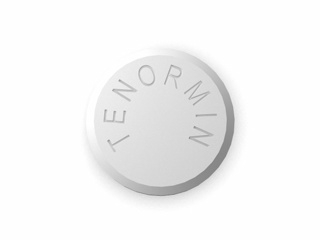
Tenormin is the brand name for atenolol, a medicine in the group known as beta-blockers. It is used to treat a number of cardiovascular conditions and can help reduce strain on the heart. This guide explains how Tenormin works, how it is usually taken, key safety information, and what to consider when taking it with other medicines or alcohol.
Basic product information
- Brand name: Tenormin
- Generic name: Atenolol
- Medicine type: Beta-blocker (selective beta-1 blocker)
- Common strengths: Commonly available tablet strengths include 25 mg, 50 mg, and 100 mg (varies by product/manufacturer)
- How it is taken: By mouth, usually as tablets
In the UK, Tenormin tablets are supplied through pharmacies in line with medicines legislation and NHS/private healthcare pathways. Availability may vary by strength and manufacturer, but atenolol is a well-established medicine.
How Tenormin works (mechanism of action)
Atenolol blocks beta-adrenergic (beta) receptors, mainly the beta-1 receptors found in the heart. By doing so, it reduces:
- Heart rate (slower pulse)
- Force of contraction of the heart
- Conduction through the heart (which can stabilise rhythm in some conditions)
- Release of adrenaline effects in the cardiovascular system
The result is typically a lower heart workload, improved control of blood pressure, and reduced symptoms related to heart disease such as angina (chest pain) and certain rhythm disturbances.
Pharmacokinetics (how the body handles atenolol)
“Pharmacokinetics” describes how the medicine is absorbed, distributed, metabolised, and eliminated. Key points for atenolol include:
- Absorption: Atenolol is absorbed from the gastrointestinal tract, with peak levels occurring a few hours after a dose.
- Distribution: It distributes into body tissues, including the cardiovascular system.
- Metabolism: Atenolol has limited metabolism in the liver compared with some other beta-blockers.
- Excretion: Mainly cleared by the kidneys.
- Half-life: It has a relatively long duration of action, which is why many people take it once daily (depending on the condition and dose).
Because elimination relies heavily on the kidneys, dose adjustments may be needed in people with reduced kidney function.
Typical uses in the UK
Tenormin (atenolol) is used in a range of cardiovascular indications. Your clinician will choose the best option based on your overall health and symptoms.
Indications (what it is used for)
- High blood pressure (hypertension)
- Angina pectoris (to reduce frequency/severity of chest pain)
- After a heart attack (myocardial infarction) – used to help reduce risk of complications in selected patients
- Some abnormal heart rhythms (depending on diagnosis and clinical judgement)
- Rate control in certain conditions where the heart rate needs management (for example, some cases of atrial fibrillation)
Tenormin is a prescription medicine in the UK. Use is guided by a healthcare professional to match the condition being treated.
When and how to take Tenormin (timing)
Many people take atenolol once daily due to its duration of action, but dosing schedules can vary. A common approach is:
- Once daily dosing: Often taken at the same time each day to maintain steady effect.
- Consistency: Aim for regular timing (e.g., morning or evening) based on your routine.
- If missed: If you forget a dose and remember later the same day, take it when you remember. If it is near the time of the next dose, skip the missed dose—do not double up.
If you are unsure about timing for your specific regimen, follow the instructions provided with your product and speak with a pharmacist.
Food interactions and taking with meals
Food can affect how quickly atenolol is absorbed, but it is generally not a major interaction for safety. Practical guidance:
- Take with or without food: Many people can take Tenormin regardless of meals.
- Consistency matters: Take it the same way each day (with or without food) to keep routine stable.
- Swallow tablets whole: Unless your product instructions advise otherwise.
If you notice changes in how you feel after changing your meal timing, discuss this with a healthcare professional.
Alcohol and medicine interactions
Alcohol can affect blood pressure, heart rate, and dizziness risk—effects that can overlap with beta-blockers. Consider:
- Possible increased dizziness/light-headedness: Alcohol may worsen this, especially when starting treatment or increasing dose.
- Breathing symptoms in some people: If you have asthma or wheeze, any additional triggers can be problematic.
- Hypotension risk: Alcohol may contribute to lower blood pressure.
There is no single “universal” safe amount of alcohol, because it depends on your health, dose, and other medicines. If you drink alcohol, it is sensible to start cautiously and monitor how you feel.
Important medicine interactions (what to watch for)
Atenolol can interact with other medicines that affect heart rhythm, blood pressure, or the nervous system. Always inform a pharmacist or clinician of all medicines you take, including over-the-counter products and herbal remedies.
Common interaction themes
- Other blood pressure or heart medicines: Additive effects can increase risk of low blood pressure (hypotension).
- Other medicines that slow the heart: Combining with drugs that also slow heart rate can increase risk of bradycardia or heart block.
- Medicines affecting rhythm: Some antiarrhythmic drugs may increase rhythm-related side effects.
- Diabetes medicines: Beta-blockers can mask some low blood sugar symptoms (especially fast heartbeat).
- Non-steroidal anti-inflammatory drugs (NSAIDs): Frequent or high-dose use may reduce blood-pressure lowering effect for some people.
Examples of medicines that may matter
- Verapamil or diltiazem (rate-limiting heart medicines)
- Digoxin (can affect heart rate)
- Other beta-blockers or certain calcium channel blockers
- Antiarrhythmic drugs
- Insulin and glucose-lowering tablets (masking symptoms of hypoglycaemia)
- Some antidepressants and antipsychotics that influence rhythm in certain circumstances
- Some asthma/COPD medications (beta-blockers may oppose bronchodilation in susceptible people)
This list is not exhaustive. If you start, stop, or change dose of any medicine, check whether an interaction may occur. A pharmacist can advise quickly.
Dosing overview (general information)
The correct dose depends on the diagnosis, your age, kidney function, heart rate, and blood pressure response. Dosing can vary considerably between patients, so this section is a general overview.
How dosing is typically managed:
- Start low, then adjust: Many regimens begin with a lower dose and are increased gradually.
- Monitor pulse and blood pressure: Clinicians often review symptoms, heart rate, and blood pressure when adjusting.
- Kidney function matters: Because atenolol is cleared through the kidneys, dose adjustment may be required if you have reduced kidney function.
Tablets are usually taken once daily; however, some people may be advised to take it twice daily depending on their condition and response.
If you have questions about your specific dose schedule, confirm details with your pharmacist or clinician.
Safety profile: who should be cautious?
Tenormin is generally well tolerated by many people, but like all medicines it has potential side effects and precautions. Discuss your medical history before use—especially any of the following:
- Asthma or history of wheezing (even though atenolol is “beta-1 selective”, it can still affect the airways in some cases)
- Very slow heart rate (bradycardia), or certain types of heart block
- Low blood pressure (hypotension)
- Heart failure or conditions involving poor heart pumping (may require careful management)
- Poor circulation (beta-blockers may worsen cold extremities in some people)
- Diabetes (symptoms of low blood sugar can be masked)
- Thyroid disease (beta-blockers can mask signs of hyperthyroidism)
- Kidney impairment (may require dose adjustment)
Common side effects
Side effects vary by person and by dose. Many are mild and improve over time, especially during the first weeks.
- Feeling tired or weak
- Dizziness or light-headedness (especially when standing up)
- Slower heart rate
- Cold hands and feet
- Sleep disturbance or unusual dreams
- Gastrointestinal discomfort (nausea, diarrhoea)
- Sexual function changes in some people
Serious side effects: seek urgent advice
Contact urgent medical help or seek prompt clinical advice if you experience:
- Severe dizziness, fainting, or collapse
- Very slow pulse with symptoms (extreme weakness, breathlessness, chest discomfort)
- Worsening breathing difficulty, wheeze, or sudden asthma symptoms
- Signs of an allergic reaction (swelling of face/lips, rash, severe itching, trouble breathing)
- Chest pain that is new or worsening
Practical use tips (to get the best benefit and reduce problems)
- Take at the same time each day to keep steady effects on heart rate and blood pressure.
- Check your pulse if advised: If you have symptoms such as dizziness, your pharmacist or clinician may suggest monitoring.
- Be careful when standing up: If you feel light-headed, rise slowly from sitting or lying positions.
- Do not stop suddenly: Beta-blockers should generally be withdrawn gradually under medical guidance to avoid rebound symptoms (e.g., angina worsening or increased heart rate).
- Keep records: Note blood pressure readings, pulse, and symptoms to discuss at follow-up.
- Manage diabetes carefully: If you have diabetes, monitor glucose regularly—beta-blockers may hide warning signs of hypoglycaemia.
- Inform healthcare teams: Tell all clinicians (including dentists and emergency services) that you take Tenormin.
Alternative options (other medicines that may be used)
Beta-blockers are not the only approach to heart-related conditions. Alternatives depend on your diagnosis and overall health. Some common alternative classes or options include:
For blood pressure
- ACE inhibitors (e.g., ramipril, lisinopril)
- Angiotensin II receptor blockers (ARBs) (e.g., losartan, candesartan)
- Calcium channel blockers (e.g., amlodipine)
- Thiazide-type diuretics (e.g., indapamide)
For angina or certain rhythm issues
- Other beta-blockers (e.g., bisoprolol, metoprolol)
- Non–beta-blocker rate control options may be considered depending on the specific rhythm and patient profile
Your healthcare professional will select alternatives based on evidence, your medical history, kidney function, and tolerance.
Market and legal context in the UK
In the United Kingdom, medicines are regulated by the Medicines and Healthcare products Regulatory Agency (MHRA). Medicines are also supported by guidance from the National Institute for Health and Care Excellence (NICE), and by formularies used by the NHS. Tenormin (atenolol) is widely recognised in UK clinical practice and is available through pharmacies and approved supply routes.
The UK medicines landscape also includes ongoing reviews of prescribing practices and the continuing evaluation of benefits and risks for different patient groups. Availability may vary by pack size or strength due to supply chain changes.
Recent guidance and prescribing considerations (UK-facing)
Clinical decisions for hypertension and heart disease often consider overall cardiovascular risk and individual patient factors. In recent years, UK clinical discussions have frequently included:
- Choosing medicines tailored to patient risk (including kidney function and comorbidities)
- Using beta-blockers appropriately for the strongest evidence-based indications (such as certain cardiac conditions)
- Reviewing the need for long-term therapy periodically, based on symptom control and blood pressure targets
- Monitoring tolerability (pulse, blood pressure, fatigue, dizziness, breathing symptoms)
For your personal treatment, follow the advice provided by your clinician. If you have questions about whether Tenormin is the most suitable option, a pharmacist can help explain options and how to discuss them.
Delivery and availability (what you can expect)
Online pharmacies in the UK typically offer standard and tracked delivery options for suitable products. Availability depends on the strength and pack size required (for example, 25 mg, 50 mg, or 100 mg tablets). When a strength is temporarily out of stock, some pharmacies may offer:
- Alternative pack sizes
- Generic equivalents (atenolol from different manufacturers)
- Expected restock dates
Delivery times vary by provider and location within the UK. If you need your medication urgently, check the estimated dispatch and delivery windows shown at checkout and consider contacting customer support.
FAQ
1. Is Tenormin the same as atenolol?
Yes. Tenormin is a brand name for atenolol. Other brands may contain the same active ingredient.
2. How long does Tenormin take to work?
Some effects (such as heart rate slowing and blood pressure reduction) can begin within hours of a dose. For long-term conditions like blood pressure and angina prevention, full benefit may take days to weeks, depending on your dose and response.
3. Can I stop Tenormin if I feel better?
Do not stop suddenly. Beta-blockers are usually reduced gradually to avoid rebound symptoms such as faster heart rate or worsening angina. Discuss any changes with your pharmacist or clinician first.
4. What if I miss a dose?
If you miss a dose, take it when you remember unless it is close to your next scheduled dose. Do not double up. If you are unsure, ask a pharmacist for advice based on your schedule.
5. Can I drink alcohol while taking Tenormin?
Alcohol may increase dizziness and lower blood pressure. If you choose to drink, start with small amounts and monitor how you feel. Avoid heavy drinking, especially when you’re new to treatment or after dose changes.
6. Does Tenormin interact with asthma medicines?
Beta-blockers can potentially affect breathing in people with asthma or reactive airways. Your clinician will weigh the benefits and risks and may suggest an alternative or careful monitoring. If you develop wheezing or breathlessness, seek medical advice promptly.
7. Will Tenormin mask symptoms of low blood sugar?
Beta-blockers can mask some warning signs of hypoglycaemia, particularly fast heartbeat and tremor. If you have diabetes, monitor glucose regularly and be alert for non-heart-related symptoms such as sweating, confusion, or unusual weakness.
8. Is Tenormin safe for kidney problems?
Because atenolol is cleared mainly by the kidneys, people with reduced kidney function may require a dose adjustment. Your prescriber will consider kidney function when planning treatment.
9. Are there alternatives if Tenormin isn’t suitable?
Yes. Depending on your condition, clinicians may consider other beta-blockers or medicines from different classes. The best choice depends on your diagnosis, other medicines, and how you tolerate treatment.
10. What should I do if I experience troublesome side effects?
Mild tiredness or dizziness can occur, particularly early on. If side effects are persistent or severe (for example, fainting, breathlessness, or very slow pulse), seek prompt medical advice. A pharmacist can also help you decide how urgent it is.
Summary
Tenormin (atenolol) is a beta-blocker used to manage several cardiovascular conditions such as high blood pressure, angina, and selected heart rhythm or post-heart-attack scenarios. It works by lowering heart rate and reducing the heart’s workload. For many people it is taken once daily, with or without food, and its effects are supported by long-established clinical use in the UK.
If you have questions about dosing timing, interactions (including alcohol), or safety concerns—especially breathing problems, very slow pulse, or diabetes—speak with a pharmacist.
| Topic | What to know (quick guide) |
|---|---|
| Active ingredient | Atenolol (beta-1 selective beta-blocker) |
| Typical timing | Often once daily at the same time each day |
| Food | Can usually be taken with or without food; keep routine consistent |
| Alcohol | May increase dizziness and lower blood pressure; keep intake cautious |
| Key interactions | Medicines that slow heart rate, affect rhythm, or lower glucose; caution with NSAIDs and other BP agents |
| Kidney considerations | Cleared mainly by the kidneys—dose adjustment may be needed in kidney impairment |
| Do not stop abruptly | Beta-blockers are usually withdrawn gradually to prevent rebound effects |