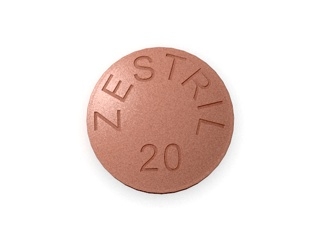


Zestril (Lisinopril) — Patient Information (UK)
Zestril contains lisinopril, a medicine used to treat a range of cardiovascular conditions. It belongs to a group of medicines called ACE inhibitors (angiotensin-converting enzyme inhibitors). This page explains what Zestril is used for, how it works, how to take it safely, and what to expect in everyday life.
If you have any questions or concerns about your treatment, speak to a healthcare professional or pharmacist. Always follow the instructions provided with your medicine.
Quick overview
- Active ingredient: Lisinopril
- Medicine type: ACE inhibitor
- Common uses: high blood pressure, heart failure, and after heart attack in selected patients
- Typical dosing: once daily (dose varies by condition)
- Key safety points: can lower blood pressure; may rarely cause swelling of the face/throat; requires monitoring of kidney function and potassium
- Not suitable in pregnancy: ACE inhibitors are contraindicated during pregnancy
Basic product information
| Category | Information |
|---|---|
| Brand name | Zestril |
| Generic name | Lisinopril |
| Drug class | ACE inhibitor |
| Typical dosing schedule | Often once daily, at the same time each day |
| Formulation | Tablets in different strengths (availability may vary) |
| Where to use | UK (market availability depends on the product strength and supply) |
How Zestril works (mechanism of action)
Lisinopril is an ACE inhibitor. ACE (angiotensin-converting enzyme) helps produce angiotensin II, a substance that tightens blood vessels and also stimulates release of hormones that increase salt and water retention.
By blocking ACE, lisinopril:
- Relaxes blood vessels, which helps reduce blood pressure
- Reduces workload on the heart, improving symptoms in heart failure
- Helps improve blood flow and long-term cardiovascular risk in selected patients
- May also reduce the breakdown of bradykinin, which is one reason ACE inhibitors can rarely cause swelling (angioedema)
Pharmacokinetics: how the body handles lisinopril
Understanding how the medicine behaves in the body can help explain timing, effects, and why monitoring is important. Key points include:
- Absorption: Lisinopril is absorbed from the gut after oral dosing.
- Time to effect: Blood pressure-lowering effects typically begin within hours.
- Peak effect: Effects often peak later in the first day after a dose.
- Steady effect: The full effect on blood pressure and heart failure can take days to weeks, depending on dose and individual factors.
- Distribution: It circulates in the bloodstream and acts on its target system-wide.
- Elimination: Lisinopril is not extensively metabolised by the liver; it is mainly eliminated by the kidneys.
- Half-life: It has a long enough duration to allow once-daily dosing for many people.
Because lisinopril is cleared through the kidneys, kidney function can influence how it works and how quickly the body clears it. That is why kidney function and potassium levels are commonly checked.
Typical uses in the UK
Zestril (lisinopril) is used to treat:
- High blood pressure (hypertension): to lower blood pressure and reduce cardiovascular risk.
- Heart failure: to improve symptoms, reduce risk of hospitalisation, and support long-term management.
- After a heart attack (myocardial infarction): in selected patients, especially when certain clinical criteria are met.
- Some patients with kidney and cardiovascular risk: treatment plans vary and depend on overall condition and test results.
The exact indications and eligibility depend on your health history and test results. Your clinician will decide whether lisinopril is appropriate for you.
When and how to take Zestril (timing)
For most people, lisinopril is taken once daily. Choose a time that you can keep consistent. Many people find it easiest to take it in the morning, but taking it at night may be preferable if it causes dizziness earlier in the day.
Practical timing guidance
- Same time each day: helps maintain a steady effect.
- If you feel light-headed: consider taking it at a time when you can sit or rest, and discuss with your pharmacist or doctor.
- Keep up the routine: even if you feel well, continue unless advised otherwise.
If you miss a dose
If you forget a dose, take it when you remember unless it is close to the time of your next dose. Do not take a double dose to make up for the missed tablet. If you are unsure, ask your pharmacist for advice.
Food interactions
Lisinopril can generally be taken with or without food. Food does not usually prevent the medicine from working. However, consistency is helpful—try to take it the same way each day (with or without food) so you can predict how you feel.
Avoid starting or stopping major dietary changes without discussing with your healthcare professional, particularly if you are managing kidney disease or low/high potassium.
Alcohol and medicine interactions
Alcohol can increase the chance of side effects such as dizziness and light-headedness, especially when starting lisinopril or increasing the dose. If you drink alcohol, consider limiting it and monitor how you feel.
Be cautious with medicines that affect blood pressure
Taking Zestril together with other medicines that lower blood pressure may cause blood pressure to drop too far, leading to faintness or dizziness. Examples include:
- Other antihypertensives (e.g., calcium-channel blockers, diuretics)
- Nitrates
- Some antidepressants (depending on type)
- Medicines used for erectile dysfunction (phosphodiesterase-5 inhibitors), particularly when combined with nitrates
Common interaction themes to discuss with a pharmacist
- Potassium changes: ACE inhibitors can raise potassium. This becomes more important if you use potassium supplements or “salt substitutes” containing potassium.
- Kidney function: some combinations can stress the kidneys.
- NSAIDs (painkillers): frequent use of anti-inflammatory painkillers may reduce the kidney-protective effect and raise risk of kidney issues when combined with ACE inhibitors.
Important medicine interactions (talk to a pharmacist if relevant)
Interactions depend on your current treatments, kidney function, and dose. Below are examples of categories that may interact with lisinopril.
1) Potassium and “salt substitutes”
- Potassium supplements
- Salt substitutes (often contain potassium chloride)
- Potassium-sparing diuretics (e.g., spironolactone, eplerenone, amiloride, triamterene)
These can increase the risk of high potassium (hyperkalaemia), which can affect heart rhythm. Monitoring may be required.
2) Diuretics (“water tablets”)
- Diuretics can further lower blood pressure and influence kidney function.
- Starting or adjusting diuretics may change how you respond to lisinopril.
3) NSAIDs and painkillers
- Examples include ibuprofen, naproxen, and diclofenac.
- Frequent or high-dose use can increase kidney strain and may reduce blood pressure-lowering effects.
Occasional use may be acceptable for some people, but it’s best to confirm with a healthcare professional—particularly if you have kidney problems, dehydration, or are elderly.
4) Lithium
Lithium levels can be affected by ACE inhibitors. Close monitoring is usually required if this combination is used.
5) Other blood pressure medicines and vasodilators
- May increase the risk of low blood pressure (hypotension), causing dizziness or fainting.
6) Certain diabetes medicines
If you use insulin or diabetes tablets, blood sugar may drop further in some cases. Monitoring helps prevent hypos.
Safety profile: what to watch for
Like all medicines, lisinopril can cause side effects. Many people experience few or mild effects, but it’s important to know the warning signs.
Common side effects
- Dizziness or light-headedness (especially when starting or increasing the dose)
- Headache
- Dry cough (a classic ACE inhibitor side effect)
- Feeling tired
- Low blood pressure symptoms such as weakness
Less common but important: swelling (angioedema)
Rarely, ACE inhibitors can cause angioedema—swelling of the face, lips, tongue, throat, or airway. This can be serious and needs urgent attention.
Seek urgent medical help immediately if you develop:
- Swelling of the face, lips, tongue, or throat
- Trouble breathing or swallowing
- Severe rash or swelling that comes on suddenly
Kidney function and potassium changes
ACE inhibitors can alter kidney function and potassium levels. Your clinician may arrange blood tests before starting and after dose changes. Contact your healthcare professional promptly if you are unwell with vomiting/diarrhoea, severe dehydration, or notice reduced urination.
Other possible effects
- Changes in blood counts (rare)
- Unusual tiredness or muscle weakness (may relate to potassium levels)
- Persistent cough leading to discussion about alternative options
- Rare allergic reactions
Indications and dosing: typical regimens
Dosing varies by condition, kidney function, blood pressure, and whether you take other medicines. The information below is a general guide—your prescriber will determine your dose.
General dosing principles
- Start low, go slow: especially in people at higher risk of low blood pressure.
- Blood tests: may be needed to check creatinine/eGFR and potassium.
- Dose adjustments: based on response and tolerance.
- Once daily: many patients take it in the morning or evening.
Typical dose patterns (examples)
- Hypertension: usually starts at a lower dose and is adjusted gradually depending on blood pressure targets.
- Heart failure: typically starts at a low dose and increases carefully to reduce dizziness and protect kidney function.
- After myocardial infarction: dosing may be started soon after an event in selected patients, with monitoring.
Your exact tablet strength and daily dose should match the plan provided to you. If you’re unsure which strength you have been given, check the label or ask your pharmacist.
Renal impairment (kidney problems)
Because lisinopril is cleared by the kidneys, people with reduced kidney function may need lower doses and more frequent monitoring. Inform your clinician if you have kidney disease or have previously been told your eGFR is reduced.
Older adults
Older adults may be more sensitive to the blood pressure-lowering effects, particularly at treatment start. Starting with a lower dose and monitoring can reduce the risk of dizziness or falls.
Practical use tips (getting the best from your medicine)
- Monitor blood pressure: if your healthcare team recommends home checks, record readings and bring them to appointments.
- Attend blood test appointments: kidney function and potassium monitoring are important and help keep treatment safe.
- Stand up slowly: helps reduce light-headedness, especially in the first days of treatment.
- Stay hydrated: avoid dehydration (for example during hot weather or with diarrhoea/vomiting).
- Know your “sick day” plan: if you become very unwell, ask your clinician whether you should temporarily pause certain medicines.
- Do not stop suddenly: stopping ACE inhibitors without advice may worsen blood pressure and heart-related conditions.
- Track a persistent cough: if it becomes bothersome, talk to your pharmacist or doctor—alternatives may be considered.
When to seek medical advice urgently
Contact urgent medical services or seek immediate care if you experience:
- Swelling of the face, lips, tongue, or throat
- Difficulty breathing or swallowing
- Fainting or severe dizziness
- Severe allergic reaction symptoms
- Signs of very high potassium (for example significant muscle weakness or palpitations), especially if you have been told your potassium is high
Alternative options to consider
If lisinopril is not suitable (for example due to intolerance, persistent cough, or other factors), clinicians may consider other medication classes. Options may include:
- ARBs (angiotensin receptor blockers), such as losartan, valsartan, or candesartan
- Other antihypertensives (calcium-channel blockers, thiazide-like diuretics, etc.), depending on your condition
- For heart failure: specific guideline-based combinations may be used (your clinician will choose what fits your case)
Do not switch or stop medicines without professional guidance. The choice depends on your diagnosis, test results, and other treatments.
UK market and legal context (overview)
In the United Kingdom, medicines like Zestril are regulated through the Medicines and Healthcare products Regulatory Agency (MHRA) and must meet standards for quality, safety, and effectiveness. Supply and pharmacy processes are designed to ensure that patients receive appropriate medicines and relevant information.
Online pharmacies operating lawfully in the UK will:
- Provide clear product details and patient information
- Use appropriate pharmacy safeguards and identity checks where required
- Ensure medicines are sourced from permitted supply chains
- Offer support through registered pharmacists
Regulatory requirements can vary by product type and patient pathway. Your online pharmacy should clearly explain ordering processes and availability.
Recent guidance and clinical updates (high-level)
Clinical recommendations for cardiovascular medicines evolve over time based on new evidence and audits. In the UK, prescribers often follow evidence-based guidance such as those from the NICE (National Institute for Health and Care Excellence) and professional cardiovascular societies.
While specific recommendations for lisinopril dosing may vary by individual circumstances, the consistent themes in modern practice include:
- Careful initiation with monitoring of kidney function and potassium
- Managing blood pressure targets tailored to the individual
- Assessing medicines holistically to avoid avoidable interactions
- Checking eligibility and safety (particularly pregnancy status for ACE inhibitors)
Your clinician may review your medication plan periodically to ensure it remains appropriate.
Delivery and availability in the UK
Zestril (lisinopril) availability may vary by tablet strength and current supply. Online pharmacy delivery typically includes:
- Order processing: confirmation and pharmacy checks before dispatch
- Delivery service: tracked delivery is common for medication orders
- Packaging: medicines are usually shipped in secure, tamper-evident packaging
- Estimated delivery: depends on location and stock status
When you place an order, the website should show estimated delivery times and any limitations based on stock. If the strength you need is not available immediately, your pharmacist may discuss alternative options or restocking times.
Storage and handling
- Store at room temperature unless the label says otherwise.
- Keep in the original packaging to protect from moisture and to help identify the product.
- Keep out of sight and reach of children.
- Do not use after the expiry date printed on the pack.
FAQ — Zestril (lisinopril)
1) What is Zestril used for?
Zestril is used to treat high blood pressure, heart failure, and (in selected cases) after a heart attack. It may also be used as part of broader cardiovascular and kidney risk management depending on individual assessment.
2) How quickly will I feel the effect?
Blood pressure may begin to lower within hours, but it can take days to weeks to reach the full effect. Heart failure benefits may also build over time. Keep taking it daily unless your clinician tells you otherwise.
3) Can I take Zestril with food?
Yes. Zestril can usually be taken with or without food. Try to keep the routine consistent.
4) Does Zestril cause a cough?
A dry, persistent cough is a known side effect of ACE inhibitors, including lisinopril. If the cough becomes troublesome, discuss it with a healthcare professional. Alternatives may be considered.
5) Is it safe to drink alcohol while taking Zestril?
Alcohol may increase the chance of dizziness or low blood pressure. If you drink, consider keeping it modest and pay attention to how you feel, particularly when starting treatment or after dose changes.
6) What blood tests are needed?
Your clinician may check kidney function (creatinine/eGFR) and potassium levels before starting and after dose changes. Monitoring helps reduce risk of kidney problems and high potassium.
7) What should I do if I miss a dose?
Take it when you remember unless it’s nearly time for the next dose. Do not take a double dose. If you’re unsure, ask your pharmacist.
8) Are there medicines I should avoid?
Some combinations need caution, including potassium supplements or salt substitutes, certain diuretics, NSAIDs taken regularly, and lithium. Always check with a pharmacist when starting new medicines, including over-the-counter products.
9) Can I take Zestril if I’m pregnant?
No. ACE inhibitors like lisinopril are not suitable during pregnancy and can harm the unborn baby. If pregnancy is possible or you become pregnant, seek urgent medical advice to discuss alternatives.
10) What are the warning signs of a serious reaction?
Seek urgent help if you develop swelling of the face, lips, tongue, or throat, or have trouble breathing or swallowing. Also seek help for fainting or severe dizziness.
11) What can I do to reduce dizziness?
Stand up slowly, stay hydrated, and avoid sudden position changes. If dizziness is persistent or severe, speak to a pharmacist or healthcare professional—they may need to adjust your dose or review interacting medicines.
12) What are alternatives if Zestril isn’t right for me?
Depending on your condition, clinicians may consider ARBs (such as losartan or candesartan), other blood pressure medicines, or different heart failure regimens. The best option depends on your health history and test results.
Important: This information is a guide and cannot replace personalised medical advice. Always read the patient information leaflet supplied with your medicine and follow guidance from your healthcare professional.