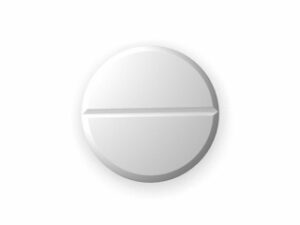
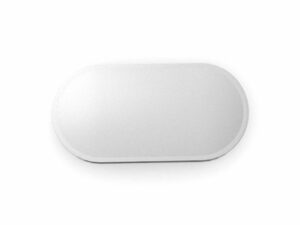
Coreg (Carvedilol) – Patient Information
Coreg is a brand of carvedilol, a medicine used to treat certain heart and circulation conditions. It belongs to a group of medicines called beta-blockers, and it also has additional effects on blood vessels. This page explains what Coreg is, how it works, how it’s usually taken, key safety considerations, and what to expect in day-to-day use in the UK.
Quick overview
| Topic | Key points |
|---|---|
| Active ingredient | Carvedilol |
| Class | Beta-blocker (with blood-vessel–relaxing properties) |
| Common uses | Heart failure; high blood pressure; sometimes after certain heart problems (specialist-led) |
| How it works | Reduces heart rate and force of pumping; helps widen blood vessels |
| Typical timing | Often taken once or twice daily depending on your specific product and plan |
| Food and alcohol | Food may affect absorption; alcohol can increase dizziness/low blood pressure |
Basic product information
In the UK, Coreg contains carvedilol. You may see different strengths on the shelf depending on supply and manufacturer packs. Carvedilol tablets may be prescribed and taken as part of a longer-term treatment plan for heart conditions.
Do not change your dose or stop carvedilol suddenly unless a clinician tells you to. Stopping abruptly can worsen symptoms and may increase the risk of heart complications.
How Coreg works (mechanism of action)
Carvedilol works by blocking certain receptors in the body, mainly beta-adrenergic receptors. This leads to:
- Lower heart rate (slower pulse)
- Reduced force of contraction, which lowers the workload on the heart
- Blood-vessel widening (vasodilation), helping to reduce blood pressure and improve blood flow
The overall effect is a reduction in how hard your heart needs to work, which can improve symptoms and outcomes in appropriate conditions, such as certain types of heart failure.
Pharmacokinetics: how your body handles carvedilol
Pharmacokinetics describes what happens after you take a dose—absorption, distribution, metabolism, and elimination. While individual responses vary, the following provides a useful overview.
Absorption
- Carvedilol is absorbed after oral dosing.
- Food can influence how quickly the medicine reaches peak blood levels.
Distribution
- Carvedilol is distributed throughout the body and may bind to plasma proteins.
- Because it can affect the heart and circulation, its effects can be felt early (such as slower pulse or reduced blood pressure), though full benefits build over time.
Metabolism
- Carvedilol is metabolised mainly by the liver.
- Medicines that strongly influence liver enzymes may change carvedilol levels (your pharmacist can advise based on your medicines list).
Elimination
- Carvedilol and its metabolites are eliminated primarily through the liver/bile and kidneys (metabolite clearance).
- In people with certain types of liver impairment, carvedilol may build up and cause side effects more easily—this is why medical review is important.
What Coreg is used for in the UK
Coreg (carvedilol) is used to treat conditions related to the heart and circulation. The exact indication depends on your diagnosis and medical history.
Common indications (summary)
- Heart failure (typically chronic heart failure): used to help improve symptoms and support long-term management.
- High blood pressure (hypertension): helps lower blood pressure.
- Other heart conditions: carvedilol may be used in certain specialist-guided situations depending on the clinical picture. Your clinician will confirm the reason for your specific treatment.
If you are unsure why you’ve been given Coreg, check your medicine label or ask your pharmacist.
When to take Coreg (timing and routine)
Many people take carvedilol once or twice daily depending on the formulation and your prescribed regimen. The goal is consistent daily coverage while reducing side effects.
Practical timing tips
- Try to take it at the same times each day to keep levels steadier.
- If your dose is twice daily, common timing is morning and evening.
- During the initial period, you may feel more tired or dizzy as your body adjusts—plan your routine accordingly.
- Use a daily reminder (phone alarm, calendar, or blister pack schedule).
Do not double up if you miss a dose. See the FAQ for what to do if you forget a tablet.
Food interactions: should you take Coreg with or without meals?
Carvedilol absorption can be affected by food. As a general approach:
- For many carvedilol regimens, taking it with food can reduce the speed of absorption and may improve tolerability.
- However, follow your own prescription instructions and the directions printed on your medicine label. If your label says “take with food,” try to follow this consistently.
If you have swallowing difficulties or need help with taking tablets, speak to your pharmacist—there may be options or advice for safe administration.
Alcohol and medicine interactions
Alcohol can interact with how you feel while taking carvedilol. Because carvedilol can lower blood pressure and reduce heart rate, alcohol may increase dizziness, light-headedness, or faintness—especially when you start treatment or increase the dose.
Alcohol: practical guidance
- Avoid heavy drinking, particularly early in treatment or after dose increases.
- Be cautious when standing up quickly.
- If you notice significant dizziness, discuss it with your pharmacist or clinician.
Medication interaction overview
Carvedilol can interact with other medicines. Some interactions may affect heart rate, blood pressure, or drug levels. Examples (not exhaustive) include:
- Other medicines that slow the heart (certain calcium channel blockers, some antiarrhythmics): may increase the risk of slow heart rate or heart block.
- Blood pressure–lowering medicines: may add together and cause dizziness or low blood pressure in some people.
- Medicines affecting liver metabolism (certain drugs that alter enzyme activity): can raise or lower carvedilol levels.
- Diabetes medicines (including insulin and tablets): beta-blockers can mask some warning signs of low blood sugar (hypoglycaemia), such as fast heartbeat.
- Non-steroidal anti-inflammatory drugs (NSAIDs): regular or high-dose NSAIDs may affect blood pressure control and kidney function in some cases, which is relevant for heart failure management.
Always provide your pharmacist with a full list of medicines, including over-the-counter products and herbal remedies.
Dosing: typical starting approach and maintenance
The dose of Coreg is individual and depends on the condition being treated, your heart rate, blood pressure, and tolerance. For many heart-related uses, clinicians often start at a low dose and increase gradually.
Typical dosing principles (general)
- Start low to reduce the risk of dizziness, low blood pressure, or slow pulse.
- Increase gradually based on your symptoms, pulse, and blood pressure.
- Monitor for side effects (fatigue, light-headedness, breathlessness, swelling changes).
Strengths and schedules
In the UK, Coreg tablets are commonly available in different strengths. Your dosing schedule (once vs twice daily) will be written on your medicine label. If you have multiple products (e.g., different strengths), ensure you are following the exact instructions provided.
Do not use a friend’s dose or adjust your schedule without medical guidance.
Indications explained: what symptoms may improve
When carvedilol is taken for the right indication, many people notice improved day-to-day symptoms over time. This varies by person and depends on overall heart function and other treatments.
- Heart failure: may help reduce breathlessness, fatigue, and fluid-related symptoms. Some people also notice better exercise tolerance.
- High blood pressure: may gradually lower blood pressure and reduce strain on blood vessels and the heart.
Importantly, you may not “feel” the medicine working immediately. Benefits can develop over weeks as your body adjusts.
Safety profile: important side effects and warnings
Like all medicines, Coreg can cause side effects. Many are mild and improve as your body adjusts, but some require urgent attention. Below is a patient-friendly guide to common and serious effects.
Common side effects
- Dizziness or light-headedness, especially when standing up
- Tiredness or fatigue
- Slow heart rate (bradycardia)
- Low blood pressure
- Nausea in some people
Less common but notable effects
- Headache
- Fluid retention changes in heart failure patients (your clinician may monitor your weight and symptoms)
- Changes in circulation to fingers/toes (coldness) in some people
Seek urgent medical advice if
Contact urgent care or emergency services if you experience severe symptoms such as:
- Fainting or near-fainting
- Severe chest pain
- Sudden severe shortness of breath
- Very slow pulse with weakness or confusion
- Signs of an allergic reaction (e.g., swelling of the face/lips, difficulty breathing, widespread rash)
Special precautions
- Asthma or chronic lung disease: beta-blockers can sometimes worsen breathing symptoms. Your clinician will consider risks and monitoring.
- Diabetes: carvedilol may mask some hypoglycaemia symptoms such as a racing heartbeat. Extra attention to glucose monitoring is important.
- Peripheral circulation problems: may worsen coldness or discomfort in extremities in some individuals.
- Low blood pressure tendencies: may increase dizziness, particularly at the start or after dose changes.
- Liver impairment: carvedilol is processed by the liver; dosing may need adjustment and close monitoring.
If you experience persistent dizziness, very slow pulse, or worsening breathing, speak to a healthcare professional promptly.
Practical use tips (making Coreg easier to manage)
1) Get to grips with “adjustment phase” effects
Many people feel slightly more tired or dizzy during the first days or after each dose increase. This is often dose-related and can improve over time. When starting, take your first dose when you can safely rest and observe how you feel.
2) Monitor pulse and blood pressure if advised
- If your clinician has suggested home monitoring, keep a simple log.
- Note symptoms (dizziness, fatigue, breathlessness) alongside the readings.
3) Rise slowly
To reduce the chance of dizziness, stand up slowly from sitting or lying down—especially after taking a dose.
4) Keep to the routine
- Use a blister pack and avoid dose confusion.
- If you travel, keep the medicine in your carry-on bag (where safe) and bring extra stock.
5) Don’t stop suddenly
Stopping carvedilol abruptly can be harmful for some people. If you need to stop, it should be tapered under clinical advice.
What if you miss a dose?
If you forget a dose, take it when you remember unless it’s close to the next dose. If it’s close, skip the missed dose and take the next one at the usual time.
- Do not double to make up for a missed tablet.
- If you frequently miss doses, talk to your pharmacist about simplifying your routine.
Alternative options to consider
There are several other medicines used for the same or similar conditions, including other beta-blockers and blood pressure–lowering medicines. The best alternative depends on your diagnosis, co-existing conditions, and how you respond to treatment.
Examples of alternatives (general)
- Other beta-blockers (e.g., bisoprolol, metoprolol): may be considered in suitable individuals.
- Blood pressure agents such as ACE inhibitors, ARBs, calcium channel blockers, or thiazide-type diuretics: these may be used alone or in combination with beta-blockers.
- For heart failure: clinicians may use combinations including ACE inhibitors/ARBs/ARNIs, beta-blockers, mineralocorticoid receptor antagonists, and SGLT2 inhibitors—based on your specific situation.
If you’re asking about alternatives because of side effects or convenience, speak to a pharmacist or clinician. Switching medicines should be planned safely, especially in heart conditions.
UK market and legal context (what this means for patients)
In the UK, medicines are regulated by the Medicines and Healthcare products Regulatory Agency (MHRA). Coreg (carvedilol) is a licensed medicine and is made available to patients through authorised supply routes.
When buying online, ensure the website is legitimate and complies with UK pharmacy and medicine-supply rules. For safety, reputable online pharmacies provide:
- Clear product information and strength details
- Proper packaging and barcodes
- Advice about delivery times and how to store the medicine
- Signposting to appropriate healthcare support if you have questions
Recent guidance and monitoring (patient-relevant points)
For heart conditions, clinical guidance typically emphasises:
- Gradual initiation and dose titration for beta-blockers
- Regular monitoring of pulse, blood pressure, symptoms, and in heart failure patients, sometimes weight and fluid status
- Review of medicines interactions, especially in older adults and people taking multiple medicines
If your dose is being adjusted, you may be asked to attend reviews or share home readings. Always follow the plan your healthcare team sets out.
Delivery, availability, and how to store Coreg
Availability in the UK
Coreg (carvedilol) availability can vary by strength and manufacturer. Online pharmacies may offer delivery options depending on your location and stock.
Delivery expectations
- Delivery time depends on the provider and your postcode.
- Many UK online pharmacies offer tracked delivery or designated delivery time windows.
- Check the product page for estimated dispatch and delivery times.
Storage
- Store tablets in their original packaging.
- Keep out of sight and reach of children.
- Store according to the instructions on the pack (commonly at room temperature, away from excessive heat and moisture).
- Do not use after the expiry date shown on the carton or blister.
Handling your medicine
- If you use blister packs, only remove a tablet immediately before taking it.
- Keep tablets dry and avoid leaving them in humid bathrooms.
FAQ about Coreg (Carvedilol)
1) What is Coreg used for?
Coreg (carvedilol) is used for conditions such as heart failure and high blood pressure. Your specific reason depends on your diagnosis and your clinician’s plan.
2) How should I take Coreg?
Take Coreg exactly as directed on your label. Many people take it in the morning and evening if they’re on a twice-daily regimen. Follow whether your instructions say to take it with food.
3) Can I take Coreg with food?
Food can influence how carvedilol is absorbed. If your label instructs you to take it with food, aim to do so consistently. If you’re unsure, ask your pharmacist.
4) Does Coreg affect my pulse or blood pressure?
Yes. Carvedilol can lower blood pressure and slow the heart rate. Some people notice this as dizziness, tiredness, or reduced exercise tolerance at first, particularly after dose increases.
5) Is it safe to drink alcohol while taking Coreg?
Alcohol may increase dizziness and low blood pressure. It’s best to avoid heavy drinking and be cautious, especially when starting or changing the dose.
6) What medicines commonly interact with Coreg?
Interactions can occur with medicines that affect heart rate, blood pressure, liver metabolism, or blood sugar. Examples include certain calcium channel blockers, antiarrhythmics, some diabetes medicines, and some liver enzyme–affecting drugs. Always review your full medicine list with your pharmacist.
7) What should I do if I miss a dose?
Take it when you remember unless the next dose is close. If it’s nearly time for the next dose, skip the missed one. Do not double up.
8) Are there any warning signs I should not ignore?
Seek urgent help if you faint, have severe breathlessness, severe chest pain, signs of allergy, or a very slow pulse with weakness or confusion.
9) Can I stop Coreg suddenly?
Do not stop abruptly without advice. Beta-blockers often need gradual tapering to reduce the risk of worsening heart symptoms.
10) What are the most common side effects?
Dizziness/light-headedness, tiredness, slow pulse, and low blood pressure are among the more common effects.
11) How long does it take to work?
Some effects (like lowered heart rate or blood pressure) may be felt early. For conditions such as heart failure, benefits typically build over weeks as your dose is titrated and your body adapts.
12) If I have asthma, should I avoid Coreg?
Not necessarily, but caution is important. Beta-blockers can worsen breathing in some people. Discuss your history of asthma or wheeze with a clinician before starting or continuing.
Final notes
Coreg (carvedilol) can be an important part of long-term heart care. If you’re starting treatment, plan for an adjustment period and keep follow-up appointments. If you have questions about interactions, timing, or side effects, your pharmacist can help you use the medicine safely and effectively.