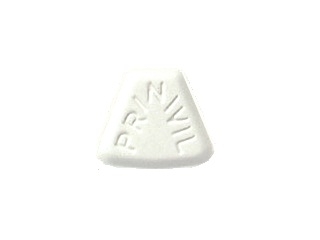

Prinivil (Lisinopril) – Patient Information (UK)
Prinivil contains the active ingredient lisinopril, a medicine from the group known as ACE inhibitors (angiotensin-converting enzyme inhibitors). It is used to treat a number of cardiovascular conditions, most commonly high blood pressure (hypertension) and certain types of heart disease.
This guide is designed to be patient-friendly and to help you understand how Prinivil works, how it is usually taken, what to expect, and what safety points to consider. Always follow the instructions given by your healthcare professional and the information leaflet supplied with your medicine.
Key product information
- Brand name: Prinivil
- Generic name: Lisinopril
- Medicine type: ACE inhibitor (cardiovascular medicine)
- Main uses: High blood pressure; heart failure; after heart attack in certain patients
- Common strengths (may vary by supply): 2.5 mg, 5 mg, 10 mg, 20 mg, 30 mg, 40 mg tablets (check your package)
- How it is taken: Usually by mouth once daily (sometimes adjusted based on your condition)
How Prinivil works (mechanism of action)
Lisinopril lowers blood pressure and helps the heart work more efficiently. It does this by blocking the action of the ACE enzyme (angiotensin-converting enzyme).
ACE plays a role in producing angiotensin II, a substance that narrows blood vessels. When Prinivil reduces angiotensin II levels:
- Blood vessels relax and widen, which lowers blood pressure.
- Less stress is placed on the heart, particularly in heart failure.
- Fluid balance may improve by affecting hormone systems that regulate salt and water.
In some patients, these effects can also help slow the progression of cardiovascular disease and reduce certain risks over time.
Pharmacokinetics (how the body handles lisinopril)
Understanding how lisinopril moves through the body can help set expectations.
- Absorption: Lisinopril is absorbed after oral dosing. Food does not significantly change the overall extent of absorption for most people.
- Time to peak level: The concentration in the blood typically peaks within about 6 hours after a dose.
- Duration: The effect lasts long enough that many people take it once daily.
- Distribution: It circulates in the bloodstream and distributes to tissues as it exerts its effects.
- Metabolism: Lisinopril is not extensively metabolised. Much of the active drug remains unchanged.
- Elimination: It is mainly removed from the body via the kidneys. This is why kidney function is important for safe use.
- Half-life: The elimination half-life is approximately 12 hours (varies by individual and kidney function).
Typical uses in the UK
In the UK, lisinopril is prescribed for several cardiovascular indications, which may include:
- Hypertension (high blood pressure): to reduce blood pressure and lower cardiovascular risk.
- Heart failure: to help manage symptoms and improve outcomes in suitable patients (often used alongside other heart medicines).
- After myocardial infarction (heart attack): in selected patients, typically when clinical conditions allow and depending on stability and treatment plan.
Your exact treatment plan depends on your diagnosis, your blood pressure, kidney function, potassium level, age, and other medicines you take.
When to take Prinivil (timing and routine)
Most people take Prinivil . Many find it easiest to choose a consistent time each day—such as:
- In the morning (common choice)
- In the evening (if that reduces side effects like dizziness)
Tips for routine:
- Try to take it at the same time each day.
- If you miss a dose, take it when you remember unless it is near the time of the next dose—then skip the missed dose.
- Do not take a double dose to make up for a forgotten tablet.
If you are unsure what to do after a missed dose, check your patient information leaflet or contact your pharmacist.
Food interactions
Food is generally not a major issue with lisinopril for most people. You can usually take Prinivil with or without food.
However, personal tolerance matters. If a particular dose upsets your stomach or makes you feel light-headed, taking it with a light meal may help. Ask your pharmacist for advice tailored to your situation.
Alcohol and medicine interactions
Alcohol
Alcohol can increase the likelihood of dizziness or
- Keep alcohol moderate.
- Be cautious when standing up quickly.
- Avoid heavy drinking until you know how Prinivil affects you.
Other medicine interactions (important)
Some medicines can change how Prinivil works or increase side effects—particularly effects on kidneys and potassium.
Tell your pharmacist or healthcare professional if you take:
- Potassium supplements or salt substitutes containing potassium (may increase potassium too much).
- Diuretics (“water tablets”), especially:
- Potassium-sparing diuretics (e.g., amiloride, spironolactone, eplerenone)
- Higher-risk combinations may require closer monitoring.
- Other blood pressure medicines (may further lower blood pressure—sometimes beneficial, but can increase dizziness).
- Non-steroidal anti-inflammatory drugs (NSAIDs) such as ibuprofen or naproxen (especially frequent/high-dose use), which may affect kidney function and reduce blood pressure-lowering effect.
- Lithium (requires close monitoring; risk of lithium accumulation).
- Immunosuppressants (your clinician may need to adjust monitoring).
- Trimethoprim (may raise potassium in some cases).
- Diabetes medicines (may affect blood sugar control; while hypoglycaemia is not common, monitoring may be advised).
- Medicines that affect the renin-angiotensin system (other ACE inhibitors, ARBs, or direct renin inhibitors). In some situations combining these is not recommended due to higher risk of kidney problems and high potassium.
If you use any over-the-counter medicines (including painkillers), check with your pharmacist to avoid unwanted interactions.
Indications and what they mean for you
The word indication means the reason a medicine is prescribed. Below are common indications and what to expect:
| Indication | What Prinivil helps with | What you may notice |
|---|---|---|
| High blood pressure | Lowering blood pressure and reducing cardiovascular risk | Many people feel no immediate change—regular blood pressure checks are important |
| Heart failure | Improving how well the heart pumps and reducing strain on the body | Over time, symptoms such as breathlessness or swelling may improve |
| After heart attack (selected patients) | Supporting recovery and reducing risk of complications | Stabilisation and longer-term risk reduction; monitoring is commonly intensified |
Dosing – typical regimens and how adjustments are made
Only your prescriber can determine your right dose. Doses may vary based on kidney function, blood pressure, and how you respond to treatment.
General dosing principles for lisinopril:
- Starting dose may be lower in people with kidney problems, older age, low blood pressure, or those taking diuretics.
- Dose increases may happen gradually, often every 1–2 weeks (or per your clinician’s plan), guided by blood pressure and blood tests.
- Monitoring commonly includes kidney function (creatinine/eGFR) and potassium levels—especially after starting and after dose changes.
Typical adult dosing (approximate; check your label):
- Hypertension: starting doses may be around 5 mg once daily (lower in some people). The dose may be increased depending on response.
- Heart failure: starting doses are often very low (for example, 2.5 mg once daily), with gradual titration.
- Post–heart attack (selected patients): dosing is started once clinically appropriate and gradually increased.
If you have been given a particular dose, use it exactly as directed. Do not adjust your dose yourself.
Safety profile and important warnings
Like all medicines, Prinivil can cause side effects. Many are mild and improve as your body adjusts. Some effects require urgent medical attention.
Common side effects
- Dizziness or feeling light-headed, especially after the first dose or when standing up
- Headache
- Dry, persistent cough (a known ACE inhibitor effect)
- Fatigue
- Nausea or mild stomach discomfort
Less common but important
- Low blood pressure, particularly in people who are dehydrated or taking diuretics
- Changes in kidney function
- High potassium (hyperkalaemia), which may not cause symptoms but can be detected on blood tests
Seek urgent medical advice immediately if you get:
- Signs of angioedema (ACE inhibitors can cause this). Examples include:
- Swelling of the face, lips, tongue or throat
- Difficulty breathing or swallowing
- Rapidly developing swelling
- Severe allergic reactions
- Fainting or severe dizziness
- Signs of kidney problems such as a marked reduction in urination or unexpected swelling
If angioedema is suspected, it is generally considered a medical emergency.
Practical use tips (getting the best and safest results)
- Stay hydrated appropriately: dehydration can increase the risk of low blood pressure and kidney problems. Follow your clinician’s advice—especially if you have heart failure or fluid restrictions.
- Attend blood tests: monitoring kidney function and potassium helps prevent complications.
- Be careful when standing: get up slowly, especially after starting or when increasing the dose.
- Avoid potassium-heavy products unless advised: do not use salt substitutes with potassium unless your clinician has approved them.
- Know your cough plan: a dry cough can occur with ACE inhibitors. Don’t stop the medicine yourself—contact your pharmacist/GP for guidance on switching if needed.
- Keep a medication list: include over-the-counter items (especially NSAIDs) so interactions can be checked quickly.
Alternative options
If Prinivil is not suitable (for example, due to intolerance, cough, or other safety considerations), other treatments may be considered. Your prescriber will choose based on your condition and risks.
Other ACE inhibitors
- Examples include enalapril, ramipril, perindopril (choice depends on availability, your condition, and how you tolerate them).
ARB medicines (similar indication, different mechanism)
Some patients who cannot tolerate ACE inhibitors (often due to cough) may be prescribed an ARB. Examples include:
- Losartan, valsartan, candesartan, irbesartan
Other blood pressure/heart failure classes
- Beta-blockers (common in heart failure and after heart attack)
- Calcium channel blockers
- Diuretics (“water tablets”)
Never switch treatments without professional advice. Each medicine has its own dosing and monitoring requirements.
Market and legal context for the UK
In the United Kingdom, medicines like Prinivil (lisinopril) are regulated by the Medicines and Healthcare products Regulatory Agency (MHRA) and are distributed through licensed channels. Safety information, product labelling, and prescribing standards are designed to meet UK regulatory requirements.
Online pharmacy supply must follow UK law and relevant regulatory frameworks. Reputable suppliers provide genuine medicines, correct packaging/leaflets, and appropriate customer support.
Important note: Conditions such as kidney disease, diabetes, or history of angioedema may require extra safety checks and closer monitoring.
Recent guidance and monitoring approach (UK context)
While specific national guidance can evolve, the general UK approach to ACE inhibitor use includes:
- Baseline assessment of blood pressure and relevant blood tests (kidney function and potassium).
- Repeat blood tests after starting or increasing the dose to ensure potassium and creatinine/eGFR remain safe.
- Review of interacting medicines, particularly NSAIDs, potassium supplements, and other medicines affecting the renin–angiotensin system.
- Patient education about dizziness, cough, and symptoms requiring urgent action.
Your clinician may also consider individual factors such as frailty, hydration status, and concomitant conditions. Follow-up is often arranged shortly after initiation or dose changes.
Delivery, availability, and ordering (UK)
Prinivil availability can vary depending on pack size and strength. Many online pharmacies can supply ACE inhibitor tablets when the medicine is in stock or through standard ordering processes.
- Typical delivery options: Next-day or standard delivery may be available depending on supplier and location.
- Packaging: Medicines are supplied in tamper-evident packaging with the appropriate leaflets.
- Stock checks: reputable pharmacies usually confirm stock and provide estimated delivery times at checkout.
For best results: ensure your delivery address is correct and someone can accept the parcel if required. If you have concerns about delivery times, contact the pharmacy’s customer service.
FAQ
1) How quickly does Prinivil start working?
Blood pressure may start to decrease within hours of a dose. Full benefits—especially for heart failure—develop over days to weeks. Your prescriber may schedule follow-up and blood tests after starting or dose changes.
2) What is the most common side effect?
A dry, persistent cough is a classic side effect of ACE inhibitors. Some people experience dizziness, particularly early on.
3) Can I take Prinivil with food?
Yes. Prinivil can usually be taken with or without food. If it upsets your stomach, taking it with a meal may help.
4) Is it safe to drink alcohol while taking lisinopril?
Alcohol may increase dizziness and lower blood pressure. Keep intake moderate, especially at the beginning or after dose changes, and avoid heavy drinking.
5) Should I avoid NSAIDs like ibuprofen?
Frequent or high-dose NSAID use may affect kidney function and can increase interaction risk. If you need pain relief, discuss options with a pharmacist—sometimes paracetamol is preferred.
6) Why are blood tests needed?
ACE inhibitors can affect kidney function and potassium levels. Testing helps confirm your body is tolerating treatment safely, particularly after starting and increasing the dose.
7) What if I feel dizzy?
Dizziness can happen, particularly when you first start or when rising from sitting/lying down. Stand up slowly. If dizziness is severe, persistent, or you feel faint, contact your healthcare professional promptly.
8) What should I do if I miss a dose?
Take it when you remember unless it is close to your next dose. If it is almost time for the next dose, skip the missed one. Do not take a double dose.
9) Can I use salt substitutes?
Many salt substitutes contain potassium. These can raise potassium too much when combined with lisinopril. Check with your pharmacist or prescriber before using them.
10) Are there alternatives if I get a cough?
Yes. If the cough is troublesome, your prescriber may consider switching to an ARB or another appropriate treatment, depending on your condition and overall risk.
Summary
Prinivil (lisinopril) is an ACE inhibitor used to treat high blood pressure and certain heart conditions. It works by relaxing blood vessels and supporting heart function, with effects often developing within hours and benefits building over time. Safe use relies on correct dosing, avoiding risky interactions (such as certain medicines and potassium products), and attending recommended blood tests. If you experience symptoms such as facial swelling, breathing difficulty, or severe dizziness, seek urgent medical advice.
Always read the patient information leaflet and follow the advice of your healthcare professional for your individual situation.