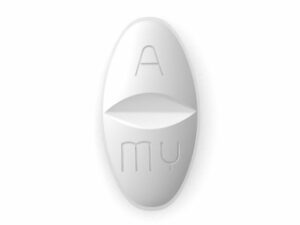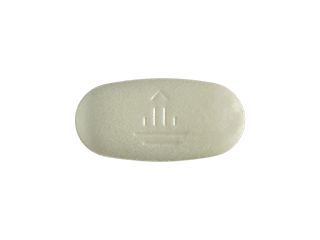


Micardis (Telmisartan) – Patient Information
Micardis is a medicine containing telmisartan, used to treat high blood pressure (hypertension) and to help reduce the risk of certain cardiovascular events in suitable adults. This guide explains what Micardis is, how it works, how it’s taken, key safety points, and practical advice—written for people in the United Kingdom.
Quick facts
- Active ingredient: Telmisartan
- Medicine type: Angiotensin II receptor blocker (ARB)
- Main uses: High blood pressure; cardiovascular risk reduction in appropriate patients
- Common strengths (examples): 20 mg, 40 mg, 80 mg tablets
- How it’s taken: Once daily
- Typical timing: At the same time each day
- Food: Food may slightly affect absorption, but Micardis can be taken with or without food in most people
What is Micardis?
Micardis is a brand of telmisartan. Telmisartan belongs to a group of medicines called angiotensin II receptor blockers (ARBs).
ARBs help relax and protect blood vessels by interfering with the body’s renin–angiotensin–aldosterone system (RAAS), which plays an important role in blood pressure control and fluid balance.
How Micardis works (mechanism of action)
Telmisartan blocks the action of angiotensin II at the AT1 receptors. Angiotensin II normally causes:
- Blood vessels to narrow (increasing blood pressure)
- The body to retain salt and water
- Hormonal responses that can worsen blood pressure and strain the heart
By blocking AT1 receptors, telmisartan helps to: lower blood pressure and reduce strain on the heart and blood vessels.
Pharmacokinetics (how the body handles it)
Pharmacokinetics describes absorption, distribution, metabolism, and elimination.
- Absorption: Telmisartan is absorbed from the gut after taking a tablet. Food can reduce the rate of absorption, but not usually to a degree that prevents effectiveness.
- Onset: Blood pressure lowering typically begins within the first day, with fuller effects often seen after several weeks.
- Distribution: Telmisartan binds strongly to plasma proteins.
- Metabolism: It is mainly metabolised by conjugation (not by the liver enzyme system commonly involved with many drug interactions).
- Elimination: It is excreted mainly in bile/faeces and partly in urine.
- Half-life: Telmisartan has a long duration of action, supporting once-daily dosing.
Typical uses in the United Kingdom
Micardis is used for the following conditions, depending on individual assessment:
- Hypertension (high blood pressure): to lower blood pressure and reduce cardiovascular risk.
- Cardiovascular risk reduction: in adults at high cardiovascular risk who cannot use, or may benefit from, an appropriate alternative strategy—particularly where evidence supports telmisartan for reducing certain major cardiovascular events.
Your healthcare professional will decide whether Micardis is appropriate based on your blood pressure readings, overall health, risk factors, and other medicines you take.
When to take Micardis (timing)
Once daily dosing is typical. Choose a time that is easy to maintain consistently.
- Same time each day: This helps keep blood pressure control steady.
- With or without food: Many people can take Micardis at any time of day. If your prescriber advises a specific routine, follow that advice.
- If you miss a dose: Take it when you remember on the same day. If it is nearly time for the next dose, skip the missed dose and return to your regular schedule. Do not take a double dose.
Food interactions
Food may affect how quickly telmisartan is absorbed, but usually does not prevent the medicine from working as intended. For most people, taking Micardis with or without food is acceptable.
If you notice stomach upset or changes in how you feel after taking it, consider:
- Taking it consistently either with meals or on an empty stomach (whichever suits you best)
- Speaking to a healthcare professional if you have persistent symptoms
Alcohol interactions
Alcohol can lower blood pressure and may increase side effects such as dizziness or light-headedness, particularly when starting treatment or increasing the dose.
- Practical approach: If you drink alcohol, keep it moderate and be cautious when standing up.
- Seek advice: If you experience fainting, severe dizziness, or falls, contact a healthcare professional promptly.
Medicine interactions (important)
Telmisartan can interact with other medicines that affect kidney function, potassium levels, or blood pressure. Always inform a healthcare professional (or pharmacist) about all medicines you use, including over-the-counter products and supplements.
Common interaction themes
- Potassium-raising medicines: Some medicines and supplements can increase potassium. Examples may include potassium supplements, potassium-containing salt substitutes, and certain diuretics (like spironolactone or eplerenone).
- NSAIDs (painkillers like ibuprofen, naproxen, diclofenac): Regular or high-dose NSAID use can affect kidney function, especially when combined with RAAS blockers like telmisartan.
- Other blood pressure medicines: Combining may increase the risk of low blood pressure (dizziness, fatigue).
- Lithium: Telmisartan may increase lithium levels; this combination usually requires close monitoring.
- Renal impairment risk: People with dehydration, kidney disease, or elderly age may be more vulnerable to kidney-related side effects.
Tip for safer use
If you need pain relief regularly, ask a pharmacist which options are safest for you (especially if you take telmisartan and have kidney problems, heart failure, or are older).
Dosing: how much Micardis is usually taken
Dosing is individual. The information below is general and does not replace advice from your healthcare professional.
| Condition | Typical starting dose (general) | Dose adjustments (general) | Maximum common dose |
|---|---|---|---|
| Hypertension | 20 mg or 40 mg once daily (depending on patient factors) | May increase based on blood pressure response | 80 mg once daily |
| Cardiovascular risk reduction | Often begins at 80 mg once daily | Based on clinician assessment and tolerance | 80 mg once daily (typical strategy) |
Important: Do not change your dose without medical advice. If blood pressure is not controlled, your prescriber may adjust the dose or add other treatments.
Safety profile: what to watch for
Like all medicines, Micardis can cause side effects. Many people experience none or only mild effects. However, it’s important to know what to watch for.
Common side effects
- Headache
- Dizziness or light-headedness (especially when starting or increasing dose)
- Fatigue
- Back pain
- Urinary tract infections
Less common but important side effects
- Low blood pressure (symptoms may include fainting, severe dizziness)
- High potassium (may not cause symptoms; blood tests can detect it)
- Changes in kidney function (blood tests may monitor this)
Seek urgent medical help if
- Swelling of the face, lips, tongue, or throat; trouble breathing or swallowing (possible allergy/angioedema)
- Severe dizziness/fainting
- Signs of severe illness such as persistent vomiting, inability to keep fluids down, or signs of dehydration
Who should be extra careful?
Telmisartan may not be suitable for everyone. Extra caution may be needed in certain situations.
- Pregnancy: ARBs are generally not used during pregnancy because they can harm the unborn baby.
- Breastfeeding: advice depends on individual circumstances; discuss options with a healthcare professional.
- Kidney problems or reduced blood flow to kidneys: kidney function and potassium often require monitoring.
- History of high potassium: may require closer blood tests.
- Dehydration: if you are unwell with vomiting/diarrhoea, you may be at higher risk of kidney complications.
- Diabetes or heart failure: may require closer monitoring.
Practical use tips (daily living advice)
- Monitor blood pressure: If you have a home monitor, keep a note of readings for your review appointments.
- Stay hydrated appropriately: Avoid dehydration; if you’re unwell with diarrhoea/vomiting, contact a clinician for advice.
- Don’t double up: If you miss a dose, take it when remembered unless close to the next dose.
- Be consistent with timing: Once-daily dosing works best with regular timing.
- Use medication lists: Keep an up-to-date list of all medicines and show it to healthcare professionals.
- Check potassium/renal blood tests: Your prescriber may arrange blood tests after starting or changing dose, especially if you’re at higher risk.
Missed dose and “what if” situations
If you miss a dose
Take it as soon as you remember on the same day. If it’s nearly time for the next dose, skip the missed dose. Do not take two doses at once.
If you feel dizzy
- Stand up slowly from sitting or lying positions.
- Check whether dizziness occurs soon after taking the dose (tell your healthcare professional if it persists).
- A sudden drop in blood pressure may occur in some situations, such as dehydration.
If you are unwell (vomiting/diarrhoea)
If you become significantly unwell and cannot keep fluids down, you may be at higher risk of kidney-related problems while taking medicines that affect RAAS. Contact a healthcare professional promptly for personalised advice.
Alternative options
Depending on your medical history and blood pressure targets, alternatives may include other ARBs, ACE inhibitors, calcium channel blockers, thiazide-like diuretics, and other combinations. Which option is best depends on:
- Your blood pressure readings
- Kidney function and potassium levels
- Heart conditions (if present)
- Side effects and prior medication experiences
Examples of alternative medicines commonly used in the UK:
- Other ARBs: e.g., valsartan, losartan, irbesartan, candesartan
- ACE inhibitors: e.g., lisinopril, enalapril, ramipril
- Calcium channel blockers: e.g., amlodipine
- Diuretics: e.g., indapamide, hydrochlorothiazide (or similar agents)
Do not switch medicines without professional advice, especially if you are taking multiple medicines or have kidney/heart disease.
UK market and legal context
In the United Kingdom, medicines such as Micardis (telmisartan) are regulated by the Medicines and Healthcare products Regulatory Agency (MHRA) and must follow rules for quality, safety, and supply. Drug packs, patient information leaflets, and pharmacy services help ensure correct use.
In the UK, ARB medicines are typically supplied through pharmacy channels in line with prescribing and clinical governance requirements, and pharmacies work to ensure patients receive the correct product, strength, and instructions.
This webpage is for general information. Individual suitability depends on medical history, other medicines, and blood test results where needed.
Recent guidance and monitoring (UK context)
Guidance for blood pressure management in the UK continues to emphasise:
- Regular blood pressure review and appropriate targets
- Choice of first-line therapy based on patient factors and comorbidities
- Monitoring kidney function and electrolytes (especially potassium) for medicines affecting the RAAS
- Individualising treatment when people have additional risks such as kidney disease, diabetes, or cardiovascular conditions
Local protocols may also recommend “high-risk” blood tests soon after initiation and after dose changes. Always follow the monitoring plan given by your healthcare team.
Delivery and availability
Availability may vary depending on stock levels and the required strength. In the UK, many pharmacies offer home delivery options, typically including:
- Tracked delivery: to provide reassurance on delivery progress
- Discreet packaging: to protect privacy
- UK-wide delivery: subject to postcode coverage
- Order processing times: may differ based on weekends and bank holidays
When ordering online, ensure you select the correct strength and quantity. If you have any doubts, contact customer support before placing your order.
FAQ
1) Is Micardis used to treat heart failure?
Micardis (telmisartan) may be used for certain cardiovascular risk reduction strategies. However, whether it’s used for heart failure specifically depends on your individual diagnosis and local treatment approach. Your clinician can confirm whether it’s intended for your condition.
2) How quickly will Micardis lower my blood pressure?
Blood pressure reduction can begin within the first day, but the full effect often develops over several weeks. Keep taking it consistently even if you don’t feel any different.
3) Can I take Micardis in the morning or at night?
Yes. Many people take it in the morning for routine ease, but night dosing is also possible. Choose what you can adhere to daily. If dizziness occurs, consider discussing timing changes with a healthcare professional.
4) Does Micardis cause a cough?
ARBs like telmisartan typically have a lower risk of cough than ACE inhibitors. If you develop an unexpected cough or breathing difficulty, seek medical advice.
5) What blood tests might I need?
Your clinician may check kidney function (creatinine/eGFR) and electrolytes (especially potassium), particularly after starting or increasing the dose, and if you’re at higher risk.
6) Can I drink alcohol while taking Micardis?
Moderate alcohol is often possible, but alcohol can worsen dizziness or low blood pressure. If you feel light-headed, limit alcohol and speak to a healthcare professional.
7) What pain relief is safest with Micardis?
Regular use of NSAIDs (such as ibuprofen) may affect kidney function in combination with telmisartan. For safer options, ask a pharmacist—especially if you have kidney problems, dehydration, or are elderly.
8) Are there foods I should avoid?
There are no specific “avoid” foods for telmisartan in most people. Food may affect absorption slightly, but Micardis can usually be taken with or without meals. Maintain a balanced diet and follow any diet advice related to kidney function or potassium.
9) What if I’m pregnant or planning a pregnancy?
Telmisartan is generally not recommended during pregnancy because ARBs can harm the unborn baby. If pregnancy is possible, speak to a healthcare professional promptly to discuss safer alternatives.
10) Can I take Micardis with other blood pressure medicines?
Sometimes yes. Combination therapy is common to achieve target blood pressure, but the exact combination should be selected to minimise dizziness, low blood pressure, and kidney/electrolyte problems.
Summary
Micardis (telmisartan) is an ARB medicine used in the UK to help control high blood pressure and, in some cases, reduce cardiovascular risk. It works by blocking angiotensin II at AT1 receptors, helping blood vessels relax and lowering blood pressure. Because it can affect kidney function and potassium levels, monitoring may be needed—especially for people at higher risk.
Take Micardis once daily at a consistent time, be cautious with dehydration and alcohol, and speak to your pharmacist or healthcare professional about any new medicines (including painkillers and supplements).