
Aceon (Perindopril) — Patient Information (UK)
Aceon is a medicine containing perindopril, used to treat certain heart and blood vessel conditions. This guide explains how Aceon works, what it is used for, how to take it, important safety information, interactions, and practical tips for UK patients.
Always follow the instructions given with your medicine. If you are unsure about your dose or timing, ask your healthcare professional or pharmacist.
Basic product information
- Medicine name: Aceon
- Active ingredient: Perindopril (an ACE inhibitor)
- Medicine type: Blood pressure–lowering and heart-protective medicine
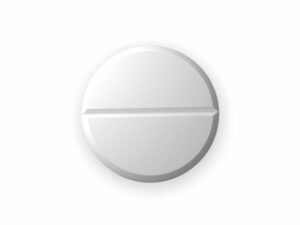
- How it’s usually supplied: Tablet(s) with different strengths depending on the presentation
- Medicines category (UK): ACE inhibitors (angiotensin-converting enzyme inhibitors)
What Aceon is used for (typical indications in the UK)
Aceon is prescribed for conditions where reducing strain on the heart and blood vessels can improve outcomes.
- High blood pressure (hypertension): Helps lower blood pressure and reduce cardiovascular risk.
- Heart failure: Particularly to help manage chronic heart failure and improve symptoms and outcomes.
- Reducing the risk of cardiovascular events: Sometimes used after certain cardiovascular events (e.g., in people at higher risk), as part of an overall prevention plan.
Note: The exact indication and target dose can vary depending on your medical history, kidney function, and other medicines.
How Aceon works (mechanism of action)
Perindopril belongs to the group of medicines called ACE inhibitors. It helps control the renin–angiotensin–aldosterone system (RAAS), which influences blood vessel tone, fluid balance, and blood pressure.
- Blocks ACE (angiotensin-converting enzyme): This reduces the formation of angiotensin II, a substance that narrows blood vessels and increases blood pressure.
- Promotes relaxation of blood vessels: By reducing angiotensin II, vessels widen, lowering resistance and blood pressure.
- May reduce harmful stress on the heart: Lower afterload (the work the heart must do) can support heart function.
ACE inhibitors can also affect levels of bradykinin, which is one reason they can cause side effects such as a dry cough in some people.
Pharmacokinetics (how the body handles perindopril)
Pharmacokinetics describes absorption, distribution, metabolism, and elimination.
- Absorption: Perindopril is absorbed from the gastrointestinal tract after taking a tablet.
- Activation: Perindopril is a prodrug and is converted in the body to its active form (commonly referred to as perindoprilat), which inhibits ACE.
- Time to effect: Blood-pressure and ACE-inhibition effects typically develop after dosing and may reach meaningful effect within hours, with consistent benefit from regular daily use.
- Distribution: The active metabolite distributes through body tissues and contributes to blood vessel and cardiovascular effects.
- Elimination: The active form is mainly cleared via the kidneys. This is why dose and monitoring may need adjustment in people with reduced kidney function.
Key clinical point: Kidney function and potassium levels are important for safe use, because ACE inhibitors can increase potassium.
When and how to take Aceon (timing and practical routine)
Most ACE inhibitors are taken once daily, but your exact schedule depends on your prescribed dose and condition.
- Typical timing: Many patients take perindopril in the morning or at a time advised by their clinician.
- Consistency matters: Try to take it at the same time each day.
- If you miss a dose: Take it as soon as you remember if it’s not close to your next dose. If it is close, skip the missed dose and continue your usual schedule. Do not take a double dose.
Practical tip: Use a daily reminder (phone alarm, pill organiser) to help maintain steady dosing, which supports blood pressure control.
Food interactions (can you take Aceon with meals?)
Whether you can take perindopril with food depends on the specific formulation and advice given for your product.
- General guidance for many ACE inhibitors: Taking with or without food may be acceptable, but some medicines can have reduced or altered absorption when taken with certain meals.
- Follow your product instructions: If your Aceon instructions say “take before food” or “with food,” follow that advice.
If you are unsure, check the leaflet provided with your tablets or ask a pharmacist. It’s also helpful to keep your routine consistent (same relation to meals each day).
Alcohol and medicine interactions
Alcohol: Drinking alcohol may increase the chance of side effects such as dizziness or light-headedness, particularly when starting treatment or increasing the dose. Alcohol can also affect blood pressure control.
- Tip: If you drink alcohol, consider limiting intake and be cautious the first time you combine alcohol with your new dose.
- Get advice: If you feel faint, dizzy, or unwell, seek medical advice promptly.
Other medicine interactions: The most important interactions involve potassium balance, kidney function, and blood pressure effects (see sections below).
Common medicines and food supplements that may interact
Many interactions can be managed safely with monitoring, but some combinations should be avoided or used only under close supervision.
1) Medicines that increase potassium
ACE inhibitors may increase potassium. Combining with other potassium-raising products can cause hyperkalaemia (high potassium), which can be dangerous.
- Potassium supplements
- Salt substitutes containing potassium
- Potassium-sparing diuretics (e.g., spironolactone, eplerenone, amiloride, triamterene)
- Some other agents that affect potassium (your pharmacist can check)
2) “Water tablets” (diuretics)
- Diuretics (especially loop or thiazide types) can enhance the blood-pressure lowering effect and affect kidney function.
- Starting ACE inhibitor therapy alongside diuretics may increase risk of early dizziness or changes in kidney function, so monitoring is often needed.
3) Painkillers: NSAIDs
Non-steroidal anti-inflammatory drugs (NSAIDs) may reduce the blood-pressure effect of ACE inhibitors and increase risk of kidney problems, especially in older adults or those with existing kidney disease.
- Examples include ibuprofen, naproxen, and high-dose aspirin (where applicable).
- Tip: If you need pain relief regularly, ask a pharmacist about safer options for you.
4) Other blood pressure–lowering medicines
- Combining Aceon with other antihypertensives can increase the risk of low blood pressure, dizziness, or fainting—though the combination may be intentional and monitored.
5) Lithium
ACE inhibitors can increase lithium levels, raising risk of lithium toxicity. If you take lithium, close monitoring is essential.
6) Diabetes medicines
Aceon can influence blood sugar control in some people taking antidiabetic therapies. While it does not usually cause major problems, blood glucose monitoring may be needed when starting or changing dose.
7) Estrogen-containing medicines
Some hormonal therapies may affect fluid balance and blood pressure. Inform your clinician of all ongoing treatments.
Important note on combinations with other RAAS blockers
Combining ACE inhibitors with angiotensin receptor blockers (ARBs) or with medicines that block the same RAAS pathway is generally not routinely recommended unless under specialist guidance, because it can increase risk of kidney issues and high potassium.
Dosing (how Aceon is typically prescribed)
Dosing varies according to the condition being treated, your blood pressure response, age, kidney function, and other medicines. Your doctor/pharmacist will set the dose that is safest for you.
- Starting dose: Often low at the beginning to reduce the risk of dizziness and kidney-related side effects.
- Titration: The dose may be increased gradually at intervals, based on blood pressure and tolerance.
- Maintenance dose: The long-term dose that controls symptoms and blood pressure.
Do not adjust your dose unless instructed by a healthcare professional. If you experience side effects such as persistent dizziness, fatigue, or reduced urine output, contact a clinician promptly.
Safety profile and side effects
Most people tolerate Aceon well, but side effects can occur. Some are common; others require urgent medical attention.
Common side effects
- Dizziness or light-headedness (especially when starting or increasing dose)
- Headache
- Dry, persistent cough (a known ACE inhibitor effect)
- Fatigue
- Low blood pressure (may cause fainting in some cases)
Less common but important effects
- Changes in kidney function (often detected through blood tests)
- High potassium (hyperkalaemia), which may not cause symptoms early but can be identified in blood tests
- Swelling of face/lips/tongue or severe allergic reactions (see emergency symptoms below)
Seek urgent medical help if you have:
- Signs of angioedema: swelling of the face, lips, tongue, throat, or difficulty breathing
- Severe allergic reaction: widespread rash, wheezing, or collapse
- Severe dizziness or fainting, especially if you cannot stay upright
- Very reduced urine output or sudden swelling
Who should take extra care?
- People with kidney disease or reduced kidney function
- Those with a history of high potassium
- Older adults (higher likelihood of low blood pressure or reduced kidney reserve)
- People with dehydration (vomiting, diarrhoea, not drinking enough)
- Those with certain heart conditions where blood pressure drops may be poorly tolerated
Practical tips for safe use
- Monitor blood tests: Your clinician may check kidney function (creatinine/eGFR) and potassium before and after starting or changing dose.
- Stand up slowly: Helps reduce dizziness. If you feel light-headed, sit or lie down.
- Stay hydrated (unless restricted): Dehydration can worsen low blood pressure and kidney effects.
- Be cautious with over-the-counter NSAIDs: If you need pain relief, ask a pharmacist for the safest option for your situation.
- Report a persistent cough: A dry cough can be bothersome. Inform your clinician—alternatives may be considered if needed.
- Know your “red flags”: Swelling of lips/face, trouble breathing, or severe dizziness needs prompt medical advice.
Alternatives to Aceon (perindopril)
If Aceon is not suitable due to side effects (e.g., cough), kidney issues, or other factors, clinicians may consider other options. Examples include:
- ARBs (angiotensin receptor blockers): e.g., losartan, valsartan, candesartan
- Other ACE inhibitors: e.g., lisinopril, ramipril, enalapril
- Other blood pressure medicines depending on your condition, such as calcium-channel blockers or thiazide-like diuretics
- For heart failure: treatment may include additional medicines beyond blood pressure control, based on guidelines
Important: Switching medicines should be done under clinical guidance to maintain safe blood pressure and kidney monitoring.
Market and legal context in the United Kingdom
In the UK, ACE inhibitors such as perindopril are established medicines used in routine clinical practice for cardiovascular disease and hypertension management. Medicines must comply with UK regulatory requirements, and products supplied through UK pharmacies follow stringent quality and safety standards.
Drug safety and information: In the UK, medicine safety updates are communicated through official channels (e.g., MHRA and pharmacy networks). If new safety information emerges, healthcare professionals and pharmacists will advise on any necessary changes.
Supply: Availability can vary by strength and manufacturer. Patients are encouraged to check stock status with their pharmacy supplier.
Recent guidance and monitoring considerations
While specific recommendations vary by patient and condition, current UK clinical practice places strong emphasis on:
- Baseline and follow-up monitoring of kidney function and potassium for ACE inhibitors.
- Careful management around dehydration (for example during acute illness with vomiting/diarrhoea), as blood-pressure and kidney risks can temporarily increase.
- Recognising ACE inhibitor cough and considering alternatives if persistent and troublesome.
- Cardiovascular risk management as part of a broader plan (e.g., lifestyle measures and other evidence-based medicines where appropriate).
“Sick day” awareness: Many patients are advised to seek advice if they become very unwell with vomiting or diarrhoea, because RAAS medicines may require temporary review. Speak to a clinician for your personal plan.
Delivery and availability (UK online pharmacy)
Availability depends on stock levels of specific tablet strengths and pack sizes. When ordering online in the UK:
- Check strength and pack size: Ensure you select the correct dosage form and strength.
- Confirm product details: Look for the active ingredient (perindopril) and match it to your usual medicine.
- Delivery times: Delivery schedules vary by pharmacy and supplier network; most reputable UK pharmacies provide estimated dispatch and delivery timelines during checkout.
- Storage on arrival: Store tablets according to the label instructions, typically in a cool, dry place away from children.
If a medicine is temporarily unavailable, a pharmacist or supplier may offer an alternative pack size/strength where clinically appropriate and permitted.
Aceon FAQ
1) How quickly will Aceon start working?
Blood pressure can begin to improve within hours of a dose, but the full benefit may take days to weeks. Heart-related benefits from longer-term use develop over time. Continue taking Aceon regularly as directed.
2) Will I feel side effects immediately?
Some people notice dizziness or light-headedness early, particularly after the first dose or dose increases. This often improves as the body adjusts, but persistent or severe symptoms should be reported promptly.
3) What if I get a dry cough?
A dry, persistent cough is a known effect of ACE inhibitors. If it is bothersome or continues, contact your healthcare professional. Do not stop Aceon without advice, but seek guidance to discuss options.
4) Can I take Aceon with other medicines?
Many medicines can be taken alongside Aceon, but some combinations require caution—particularly NSAIDs, potassium supplements, and certain kidney-affecting medicines. Tell your pharmacist about everything you take, including over-the-counter products.
5) Can I drink alcohol while taking Aceon?
Small amounts may be possible for some people, but alcohol can increase dizziness and lower blood pressure. If you are new to Aceon or increasing dose, be especially cautious. Seek advice if you feel faint or unwell.
6) What should I do if I miss a dose?
Take it when you remember unless it is close to your next dose. If close, skip the missed dose and continue as normal. Avoid doubling up.
7) Are there any tests I should expect?
Your clinician may monitor blood pressure and order blood tests to check kidney function and potassium—especially after starting treatment or changing the dose.
8) Who should not take Aceon?
Certain people should avoid perindopril or use it only with careful specialist oversight—such as those with a past severe reaction to ACE inhibitors, people with a history of angioedema linked to ACE inhibitor use, and in pregnancy (ACE inhibitors are not suitable during pregnancy). If any of this applies, discuss with a clinician.
9) Can Aceon be used in pregnancy or breastfeeding?
ACE inhibitors are generally not recommended during pregnancy. Breastfeeding suitability depends on individual factors and local guidance—discuss with a healthcare professional.
10) What are signs of high potassium or kidney problems?
High potassium may not cause obvious symptoms, but kidney issues can show up as reduced urine output, unusual swelling, or feeling very unwell. Lab tests provide the clearest information. If you notice concerning symptoms, contact medical services promptly.
Summary
Aceon (perindopril) is an ACE inhibitor used in the UK to manage conditions such as high blood pressure and certain heart conditions. It works by relaxing blood vessels and reducing strain on the cardiovascular system. Safe use requires attention to kidney function, potassium levels, and potential interactions—especially with potassium-raising supplements, NSAIDs, and other medicines that affect blood pressure or the RAAS pathway. With regular monitoring and practical daily routines, many people benefit from steady cardiovascular protection.
| Topic | What to remember with Aceon (perindopril) |
|---|---|
| Typical use | Hypertension, heart failure, and cardiovascular risk reduction (as clinically indicated) |
| How it works | ACE inhibition → reduced angiotensin II effects → relaxed blood vessels and lower cardiac strain |
| Timing | Usually once daily; take at the same time each day as instructed |
| Food | Follow product-specific instructions; keep your routine consistent |
| Key monitoring | Kidney function and potassium levels, especially after starting and dose changes |
| Alcohol | May worsen dizziness/low blood pressure—use caution, especially early in treatment |
| Common side effects | Dry cough, dizziness, headache, fatigue |
| Urgent symptoms | Swelling of face/lips/tongue, breathing difficulty, severe dizziness/fainting |