
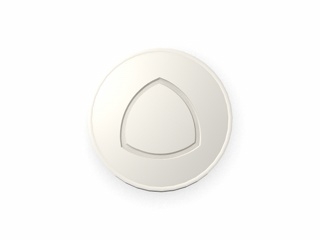

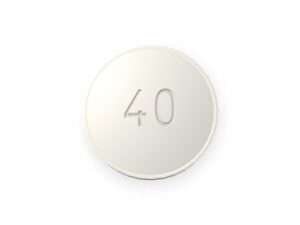
Isoptin (Verapamil) — Patient Information (UK)
Isoptin is a brand of verapamil, a medicine used to treat certain heart rhythm problems and high blood pressure. It belongs to a group of medicines called calcium channel blockers. Many people use verapamil safely and effectively for long periods, but it is important to understand how it works, how to take it, and when to seek medical advice.
This page explains verapamil in a clear, patient-friendly way for readers in the United Kingdom. It is intended to help you use your medicine safely and confidently. Always follow the advice from your prescriber and the instructions on your medicine label.
Basic product information
| Feature | Information |
|---|---|
| Active ingredient | Verapamil |
| Brand name | Isoptin |
| Medicine class | Calcium channel blocker (non-dihydropyridine) |
| Common uses | Heart rhythm problems (certain supraventricular arrhythmias), angina in some people, and high blood pressure; also used for migraine prevention in some cases |
| Typical forms | Tablets/capsules in different strengths and release types (immediate-release vs modified/extended-release, depending on product) |
Note: Different verapamil products have different release patterns. Do not switch between brands or formulations without medical guidance, because the timing and how the medicine works can change.
How Isoptin (verapamil) works
Verapamil blocks calcium channels in the heart and blood vessels. Calcium is involved in muscle contraction and the electrical signalling system of the heart.
By reducing calcium entry into heart cells, verapamil can:
- Slow down heart rate by affecting the electrical conduction system (especially the AV node).
- Reduce the force of heart contraction, which can lower oxygen demand in the heart.
- Relax blood vessels, helping to lower blood pressure.
This combination explains why verapamil can be used for certain rhythm disturbances and for blood pressure control.
Pharmacokinetics (how the body handles verapamil)
Pharmacokinetics describes what happens after you take a medicine—absorption, distribution, metabolism, and elimination.
- Absorption: Verapamil is absorbed after oral dosing. Absorption can vary between formulations (immediate-release vs modified-release).
- Metabolism: Verapamil is extensively processed by the liver (primarily via CYP3A4 enzymes). This is why many other medicines can affect how verapamil levels in your body change.
- Half-life: The time it takes for half of the drug to be eliminated varies by formulation and individual factors.
- Excretion: Metabolites are eliminated mainly through the body’s normal pathways (largely via the kidneys).
Practical implication: Because verapamil is processed by the liver and has interactions with other medicines, your dose may need adjustment if you start/stop interacting drugs or if your liver function is reduced.
What Isoptin is used for (indications)
Verapamil is used for several conditions. Your specific reason for treatment will be tailored to you.
- Supraventricular tachycardias: Certain fast heart rhythms originating above the heart’s ventricles.
- Angina (stable angina): To help reduce episodes of chest pain in some patients (often based on individual suitability).
- High blood pressure (hypertension): To help reduce blood pressure and cardiovascular risk.
- Prevention of migraine: In some people, verapamil may help prevent migraine attacks (this is a common “preventive” use, though the exact regimen should follow clinician advice).
Important: Not all heart rhythm problems are treated with verapamil. It is most suitable for specific types, and an ECG and clinical assessment guide safe use.
When and how to take Isoptin (timing)
The best timing depends on the exact formulation.
- Follow the label: Take your dose exactly as directed.
- Consistency helps: Try to take it at similar times each day.
- With water: Swallow tablets/capsules whole unless your product instructions allow splitting or crushing.
- Do not crush modified-release forms: If your medicine is extended/modified release, crushing or splitting can change how quickly it is absorbed and may increase side effects.
Missed dose:
- If you miss a dose, take it when you remember unless it is near the time of the next dose.
- Do not take a double dose to make up for a missed one.
- If you are unsure, check your pharmacy advice leaflet or contact your pharmacist for guidance.
Food interactions
Food can influence how quickly verapamil is absorbed, depending on the formulation and individual factors.
- General advice: Many people can take verapamil with or without food, but follow the specific directions provided with your product.
- Grapefruit and grapefruit juice: Grapefruit may increase verapamil levels because it can affect CYP3A4 enzymes. This may increase the risk of side effects such as dizziness, low heart rate, or low blood pressure. It is best to avoid grapefruit unless a clinician has confirmed it is safe for you.
- High alcohol consumption (see below) can also affect blood pressure and heart rate.
If you have experienced side effects after a particular meal pattern, discuss this with your pharmacist—sometimes changing when you take the dose can help.
Alcohol and medicine interactions
Combining verapamil with alcohol can increase the risk of dizziness, light-headedness, and low blood pressure. Alcohol can also make it harder to recognise early warning symptoms like faintness.
- Moderation is advised: If you drink alcohol, do so cautiously and see how your body responds.
- Avoid binge drinking: Higher amounts can significantly increase side effects.
Key medicine interactions (not exhaustive):
- Other heart rhythm or rate-slowing medicines: May increase the risk of very slow heart rate or heart block.
- Beta-blockers (e.g., metoprolol): Used together in selected patients, but the combination can increase effects on heart rate and conduction.
- Digoxin: Verapamil may raise digoxin levels, increasing the risk of digoxin toxicity.
- Statins: Some statins can have interaction differences; certain combinations may raise statin levels (your pharmacist can advise which statin regimens are safest).
- Antiarrhythmics: Some combinations can be risky and need careful monitoring.
- Anti-fungal medicines and some antibiotics: These can increase verapamil levels by affecting liver enzymes.
- Rifampicin and other enzyme inducers: These can reduce verapamil levels, making it less effective.
Always tell your pharmacist and prescriber about:
- All medicines you currently take (including inhalers, eye/ear drops, and OTC products)
- Herbal products (especially St John’s wort)
- Any recent changes to your medicines
Dosing: typical approach and important safety notes
Dosing is individual. Your age, condition, heart rate, ECG results, kidney/liver function, and the formulation (immediate-release vs modified/extended-release) all affect the correct dose.
Typical dosing principles may include:
- Starting low: Many people begin at a lower dose and are increased gradually if needed.
- Formulation matters: Immediate-release and extended/modified-release regimens are not interchangeable.
- Monitoring: Blood pressure and heart rate are usually monitored. In rhythm indications, ECG monitoring may be needed.
Do not change your dose on your own. If you feel unwell, your dose may need review.
Overdose risk: If too much verapamil is taken, it can cause dangerous effects on heart rate and blood pressure. If you suspect an overdose, seek urgent medical help immediately (in the UK, call 999 or 111 depending on severity, and contact your local emergency services).
Safety profile: who should be cautious?
Like all medicines, verapamil can cause side effects. Most people tolerate it well, but you should know which effects are expected and which require urgent help.
Common side effects
- Dizziness or light-headedness
- Headache
- Swelling of the ankles/feet (oedema)
- Constipation
- Feeling tired
- Nausea
Serious side effects — seek urgent help
Get urgent medical advice if you experience any of the following:
- Fainting or severe dizziness
- Very slow heartbeat (bradycardia) or symptoms of heart block (e.g., collapse)
- Shortness of breath that is new or worsening
- Chest pain that is severe or unexpected
- Signs of allergic reaction such as swelling of the face/lips, wheezing, or a widespread rash
Situations where verapamil may be unsuitable or needs careful review
- Heart rhythm or conduction conditions where verapamil could worsen slow heart rates
- Heart failure or reduced heart pumping ability (treatment depends on clinical status)
- Significant liver impairment (dose adjustments may be required)
- Low blood pressure (hypotension)
If you have any of the above, your clinician will weigh the benefits and risks and decide on the best plan.
Practical use tips (making treatment easier)
- Track your pulse: If you are taking verapamil for rhythm issues, monitoring heart rate can be helpful. Ask your clinician what rate range is appropriate for you.
- Manage constipation early: Constipation is common with verapamil. Drink fluids, include fibre in your diet, and consider discussing a suitable stool softener/laxative with your pharmacist if needed.
- Stand up slowly: Dizziness can occur, particularly when starting or increasing dose.
- Medication organiser: Use a weekly pill box or alarms to reduce missed doses.
- Keep a list of interactions: Carry a written or digital list of your medicines and show it to any healthcare professional you see.
- Do not stop suddenly: Stopping abruptly may worsen some conditions. Discuss changes with your clinician first.
Alternative options
If verapamil is not suitable or does not work well, there may be other treatment options depending on your condition. Alternatives may include:
- Other calcium channel blockers: For example, other non-dihydropyridine agents (or dihydropyridines) depending on the indication.
- Beta-blockers: Commonly used for angina and some rhythm problems.
- Other anti-anginal or blood pressure medicines: Such as ACE inhibitors, angiotensin receptor blockers, thiazide-like diuretics, or other classes depending on your profile.
- Migraine prevention options: Depending on your history, options can include other preventive medicines (and non-drug approaches).
- Non-drug management: Lifestyle measures—such as reducing salt intake, smoking cessation, healthy weight, regular activity (as advised), and stress management—can support treatment for hypertension and angina.
Your pharmacist or prescriber can explain which alternatives are most appropriate for your specific diagnosis and medical history.
Market and legal context in the United Kingdom
Medicines containing verapamil are available within the UK medicines framework and are supplied through community and hospital services. The exact availability depends on the formulation and licensing status.
In the UK, medicines are regulated by the Medicines and Healthcare products Regulatory Agency (MHRA). Pharmacy supply is governed by professional standards, product licensing, and legal requirements regarding patient safety. Your local pharmacy team may ask for information to ensure safe dispensing and correct usage.
Pharmacist involvement matters: Verapamil has meaningful interaction potential and can affect heart rate and blood pressure, so pharmacists may perform checks such as verifying current medicines and assessing for contraindications or safety risks.
Recent guidance and monitoring (general expectations)
While specific guidance can vary by product and clinical pathway, there are common UK expectations for safe use of verapamil:
- Regular monitoring of blood pressure and heart rate, especially when starting treatment or adjusting dose.
- ECG review where appropriate for rhythm-related indications.
- Medication review for interactions whenever new drugs are started, particularly antibiotics/antifungals, heart medicines, and digoxin.
- Review for liver and kidney status if you have known impairment or symptoms suggesting organ problems.
If you feel your symptoms are changing—such as worsening dizziness, unusual breathlessness, or changes in heart rate—seek advice promptly.
Delivery and availability (UK online pharmacy)
Availability of Isoptin (verapamil) can vary depending on stock levels and the specific strength/formulation. Most UK online pharmacies can:
- Confirm the exact product (strength and release type) before dispatch
- Provide clear dosing instructions on the label
- Offer delivery options depending on the courier and service level
Delivery tips:
- Ensure your address and contact details are correct.
- If someone else collects the parcel, confirm their details if required.
- Check packaging on arrival and store the medicine as directed on the label.
If you need help choosing the correct strength or formulation, contact the pharmacy before ordering.
FAQ — Isoptin (verapamil)
1) What is Isoptin used for?
Isoptin (verapamil) is used for specific heart rhythm problems, angina in selected patients, high blood pressure, and sometimes migraine prevention. The exact reason depends on your diagnosis.
2) How quickly does verapamil work?
Some effects on heart rate and symptoms may be noticeable soon after taking a dose, but the overall benefits (especially for blood pressure or migraine prevention) can take days to weeks. Your clinician will advise what improvement to expect and when.
3) Can I take Isoptin with food?
Many people can take verapamil with or without food. Follow the instructions on your product label. Avoid grapefruit/grapefruit juice unless your healthcare professional has confirmed it is safe for you.
4) Should I avoid alcohol?
Alcohol may increase dizziness and the risk of low blood pressure when combined with verapamil. If you drink, do so carefully and in moderation.
5) What medicines should not be taken together with verapamil?
Some medicines can increase verapamil levels (e.g., certain antibiotics/antifungals) or increase the risk of slow heart rate (e.g., some heart-rate–lowering drugs). Always share your full medicine list with your pharmacist.
6) What side effects are most common?
Common side effects include dizziness, headache, constipation, swelling of the ankles/feet, tiredness, and nausea.
7) When should I seek urgent help?
Seek urgent medical advice if you faint, develop severe dizziness, experience very slow heartbeat, have serious breathing difficulties, or have chest pain that is severe or unexpected.
8) What should I do if I miss a dose?
Take it when you remember unless it is near your next dose. Do not take a double dose. If unsure, ask your pharmacist.
9) Can I stop verapamil suddenly?
Do not stop verapamil suddenly unless a clinician tells you to. Stopping abruptly may worsen symptoms in some conditions.
10) Are there different types of Isoptin?
Yes. Verapamil comes in different formulations and release profiles. Your dosing schedule depends on the specific product, so do not switch between release types without advice.
Reminder: This information is for general guidance. Your personal treatment plan should be based on your medical history, current conditions, and the exact verapamil product you have been given. If you have questions about your specific medicine, ask your pharmacist.