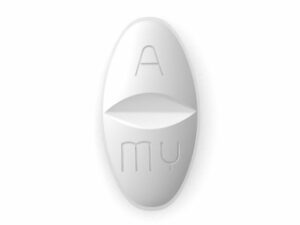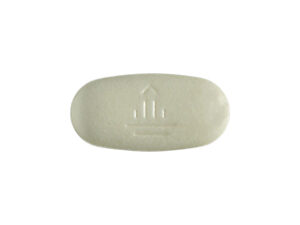


Nebivolol (Nebivolol) — Patient Information
Nebivolol is a prescription medicine used to treat certain heart and circulation conditions. It belongs to a group of medicines called beta-blockers. In the UK, it is commonly prescribed for high blood pressure and for certain types of chronic (long-term) heart failure. This page explains how nebivolol works, how it is taken, key safety points, and practical guidance for everyday use.
Important: The information below is designed to help you understand your medicine. Always follow the instructions given by your healthcare professional and the medicine label you receive.
Basic product information
| Category | Details |
|---|---|
| Generic name | Nebivolol |
| Medicinal class | Beta-blocker (selective beta-1 blocker with nitric-oxide related properties) |
| Common conditions treated in the UK | High blood pressure (hypertension); chronic heart failure |
| Typical dosage forms | Tablets (strength varies by brand) |
| How it is usually taken | Once daily for many patients (follow your label instructions) |
How nebivolol works (mechanism of action)
Nebivolol reduces strain on the heart by affecting the body’s beta-adrenergic system. It acts mainly on beta-1 receptors in the heart. In addition, nebivolol has unique effects that help improve blood vessel function.
- Slows the heart rate and reduces the force of contraction, lowering the workload on the heart.
- Reduces blood pressure by helping blood vessels relax and by decreasing cardiac output.
- May improve nitric-oxide related pathways leading to better vascular (blood vessel) function.
Because it can be more cardio-selective than some older beta-blockers, it may be better tolerated in some people with mild breathing issues, but it can still affect airways—especially at higher doses.
Pharmacokinetics (how the body handles nebivolol)
Pharmacokinetics describes how the medicine is absorbed, processed, and eliminated.
- Absorption: Nebivolol is absorbed after oral dosing. Food may influence absorption slightly, but it is generally taken once daily and can be taken with or without food depending on your product label and clinician advice.
- Distribution: It circulates in the bloodstream and reaches target tissues including the heart and blood vessels.
- Metabolism: Nebivolol is metabolised by the liver. The process may be influenced by genetic differences in metabolism (so patients may respond slightly differently).
- Elimination: Metabolites are eliminated primarily via the liver/bile and to some extent through the kidneys.
- Half-life: The medicine is designed for once-daily dosing in many cases. Effects last long enough to maintain steady action over 24 hours.
If you have liver disease or kidney impairment, your healthcare professional may adjust dosing or monitor you more closely.
What nebivolol is used for (indications)
In the UK, nebivolol is used for:
- Hypertension (high blood pressure): To reduce blood pressure and lower cardiovascular risk.
- Chronic heart failure: Used as part of a long-term treatment plan for certain patients with stable chronic heart failure. It may be added alongside other medicines typically used for heart failure (such as ACE inhibitors/ARBs, diuretics, and other cardioprotective therapies).
It is not intended as an emergency medicine for sudden symptoms. For urgent breathing problems, fainting, chest pain, or severe worsening symptoms, seek immediate medical attention.
When to take nebivolol (timing and consistency)
Nebivolol is commonly taken once daily at the same time each day. Many people find it easiest to take it in the morning or at night depending on tolerability and routine.
Timing tips:
- Choose a consistent time: Taking it at the same time daily helps maintain stable levels.
- If you feel dizzy: Consider taking it at night (only if your clinician agrees and your product instructions allow).
- Do not double up: If you miss a dose, take it when you remember unless it is close to the next dose. Do not take two doses together.
In heart failure: Treatment is often started at a low dose and increased gradually over weeks to improve tolerance.
Can you take nebivolol with food? (food interactions)
For most people, nebivolol can be taken with or without food. However, food may affect how quickly it is absorbed. Consistency matters more than the exact meal timing.
- If your label says “take with food” or gives specific instructions, follow those directions.
- If you notice stomach discomfort, taking it with a small meal may help.
General advice: Avoid abrupt changes in diet around the time you start the medicine. If you have gastrointestinal problems or are taking multiple medications, ask your pharmacist to review possible interactions.
Alcohol and medicine interactions
Alcohol can affect your cardiovascular system and may worsen some side effects of beta-blockers.
- Dizziness and light-headedness: Alcohol may increase the risk of feeling faint, especially when standing up.
- Blood pressure changes: Alcohol can contribute to lower blood pressure in some people.
- Judgement and driving: If you feel drowsy or dizzy, avoid driving or operating machinery.
Practical guidance: Keep alcohol intake moderate. If you are unsure about what is safe for you, speak to your healthcare professional.
Medicine interactions (important)
Nebivolol can interact with other medicines. Some interactions may affect heart rate, blood pressure, or rhythm, while others may change nebivolol levels in the body.
Medicines that may increase the risk of slow heart rate or blood pressure changes
- Other beta-blockers or heart-rate lowering medicines
- Verapamil or diltiazem (certain calcium channel blockers)
- Amiodarone and other antiarrhythmics (rhythm medicines)
- Digoxin (used in heart conditions)
- Clonidine (may require careful stop/start procedures)
Medicines that may affect nebivolol blood levels
- Certain antidepressants (for example, fluoxetine, paroxetine)
- Some medicines for fungal infections (e.g., ketoconazole)
- Certain antibiotics (e.g., rifampicin can alter levels)
- Cimetidine (acid-related medication)
Medicines that can affect the airways
- Asthma/COPD inhalers: Beta-blockers can sometimes reduce the effectiveness of rescue inhalers, particularly at higher doses. However, nebivolol may be more selective for the heart than some beta-blockers. If you use inhalers, inform your prescriber.
Diabetes medicines
- Beta-blockers can sometimes mask warning symptoms of low blood sugar (like fast heartbeat).
- If you have diabetes, monitor blood glucose closely, and discuss how beta-blockers may affect hypoglycaemia awareness.
Always tell your pharmacist about all medicines you take, including over-the-counter products and herbal remedies. If you start a new medicine, check whether it may interact with nebivolol.
Dose and how to use nebivolol
Dosing depends on the condition being treated, your age, kidney/liver function, and how well you tolerate the medicine.
Follow the dose on your label. The typical dosing approaches below are for guidance and may differ from your individual plan.
1) High blood pressure (hypertension)
- Starting dose: often 5 mg once daily for many adults.
- Adjustment: Your clinician may adjust the dose gradually based on blood pressure readings.
- Typical maintenance: commonly up to 10 mg once daily; some patients may need different regimens depending on response.
2) Chronic heart failure
- Start low and increase slowly: Treatment is usually initiated at a low dose and increased stepwise at intervals (often every 1–2 weeks) depending on tolerance.
- Monitoring is important: Heart rate, blood pressure, symptoms (such as breathlessness), and fluid status may be checked.
How to take tablets
- Swallow with water.
- Try to take it at the same time each day.
- Do not stop suddenly without medical advice—especially in heart conditions. Stopping abruptly can cause worsening symptoms in some people.
Safety profile and side effects
Like all medicines, nebivolol can cause side effects. Many people tolerate it well, but it’s important to recognise common effects and seek help for serious symptoms.
Common side effects
- Slow heart rate (bradycardia)
- Dizziness or light-headedness, especially when standing up
- Fatigue or tiredness
- Headache
- Shortness of breath (more likely if you have underlying breathing problems)
- Swelling in the lower legs (may occur in some heart failure patients and should be monitored)
Less common but important
- Low blood pressure (hypotension)
- Sleep disturbances or unusual dreams
- Nausea or stomach upset
- Sexual dysfunction (reported with some beta-blockers)
Seek urgent medical help if you experience
- Fainting or severe dizziness
- Chest pain or signs of a serious allergic reaction (swelling of face/lips, difficulty breathing, widespread rash)
- Marked breathing difficulty, wheezing, or severe asthma symptoms
- Very slow heartbeat with weakness or confusion
If you have diabetes or circulation problems (such as Raynaud’s phenomenon), talk to your healthcare professional about how nebivolol might affect your symptoms.
Practical use tips for daily life
- Check your pulse and blood pressure: If you have been advised to, monitor regularly, especially early in treatment or after dose changes.
- Stand up slowly: If you feel dizzy, rise slowly from sitting/lying positions.
- Keep medication routines simple: Use reminders or a daily pill organiser.
- Don’t stop suddenly: Especially if taking nebivolol for heart failure or angina-related conditions—consult your clinician for a safe plan.
- Be cautious with other rate-lowering medicines: Always confirm new prescriptions or pharmacy recommendations with your pharmacist.
- Inform clinicians before procedures: If you are having surgery or procedures, mention you take nebivolol.
Alternative options (if nebivolol isn’t suitable)
If nebivolol is not appropriate due to side effects, interactions, or specific medical factors, clinicians may consider other treatment options. Alternatives depend on the condition being treated.
For high blood pressure
- Other beta-blockers (choice depends on heart rate and side effect profile)
- ACE inhibitors or ARBs
- Calcium channel blockers (such as amlodipine)
- Thiazide-like diuretics
For chronic heart failure
- Other evidence-based beta-blockers
- Medicines that target heart failure pathways (for example, ACE inhibitors/ARBs/ARNI, mineralocorticoid receptor antagonists, and SGLT2 inhibitors depending on your clinical situation)
Your healthcare professional will weigh benefits and risks based on your history, kidney function, blood pressure, heart rhythm, and other medicines.
Market and legal context in the United Kingdom
In the UK, nebivolol is an established medicine for cardiovascular conditions. It is supplied under pharmacy regulations and is used within national and clinical guidance frameworks. Cardiovascular prescribing commonly follows evidence-based approaches and shared care pathways, particularly for long-term conditions like hypertension and chronic heart failure.
Supply and availability: Nebivolol products are typically available through pharmacies and may be stocked under different brand names or generic packs depending on manufacturer supply.
Regulated information: Medicines in the UK come with approved product information (such as Summary of Product Characteristics) and patient information leaflets. Your local pharmacy can help with brand/generic identification and advice about storage and use.
Recent guidance and monitoring considerations
UK clinical practice continues to emphasise:
- Cardiovascular risk reduction: Managing blood pressure and optimising heart failure therapy with medicines proven to reduce risk and improve outcomes.
- Careful initiation and titration: Especially for heart failure, where beta-blockers are usually started low and increased gradually.
- Monitoring: Heart rate, blood pressure, kidney function, and symptoms should be reviewed after starting or changing doses.
- Individualised treatment: Considering comorbidities such as asthma/COPD, diabetes, and kidney/liver impairment.
If you are newly starting nebivolol or adjusting your dose, expect follow-up checks and encourage your pharmacist or clinician to clarify what side effects to watch for and when to seek help.
Delivery and availability (UK online pharmacy guidance)
Availability varies by manufacturer and pack size. Most nebivolol items are held in stock or can be sourced through pharmacy supply chains. For online orders, delivery times can depend on:
- Stock status (held locally vs. sourced to order)
- Dispatch times and courier schedules
- Bank holidays and weekends
What to check before ordering:
- Strength and pack size match your current prescription/medication plan
- Brand name or generic variant is acceptable to you
- Correct quantity for your treatment plan
To avoid missed doses, consider ordering in good time so you have a continuous supply.
FAQ: Nebivolol (Nebivolol)
1. How long does nebivolol take to work?
Some effects on heart rate and blood pressure may occur within the first days. Full blood pressure benefit may take several weeks as your body adjusts and the dose is optimised. In heart failure, dose titration is gradual, and improvements may be seen over weeks to months.
2. Will nebivolol reduce my heart rate?
Yes. Nebivolol is designed to slow the heart rate. This is an intended effect. If you notice symptoms such as marked fatigue, dizziness, or fainting, contact your healthcare professional promptly.
3. Can I drive while taking nebivolol?
If you feel dizzy, unusually tired, or unwell after starting or changing dose, avoid driving and other risky activities until you know how nebivolol affects you. If symptoms persist, seek advice.
4. What if I miss a dose?
Take it as soon as you remember unless it is near the time for your next dose. Do not take two doses together. If you miss multiple doses, contact your pharmacist or healthcare professional for advice.
5. Can I stop nebivolol suddenly?
Do not stop suddenly without medical advice. In some people, stopping abruptly can worsen heart-related symptoms. Your clinician may recommend a stepwise reduction if stopping is necessary.
6. Is nebivolol safe if I have asthma or COPD?
Beta-blockers can potentially affect airways. Nebivolol is more cardio-selective than some alternatives, but it can still be problematic, particularly at higher doses or in severe disease. If you have asthma/COPD, discuss inhaler use and symptom monitoring with your clinician.
7. What alcohol level is safe?
There is no one-size-fits-all answer. Alcohol may increase dizziness and lower blood pressure. If you drink, keep it moderate and monitor how you feel. If you have been advised to avoid alcohol due to health reasons, follow that advice.
8. Does nebivolol interact with common cold or allergy medicines?
Some over-the-counter products may affect blood pressure or heart rate (for example, decongestants containing sympathomimetic agents). Ask your pharmacist before using new OTC products, especially if you have hypertension or heart failure.
9. Are there alternatives if I don’t tolerate nebivolol?
Yes. Alternatives may include other beta-blockers or different classes of medicines depending on your condition. Your prescriber can tailor a plan based on your symptoms, heart rate, and blood pressure.
10. How should nebivolol be stored?
Keep tablets in their original packaging, protected from moisture and heat, and out of sight and reach of children. Follow the storage instructions on the patient information leaflet.
Summary
Nebivolol is a beta-blocker used in the UK to treat high blood pressure and chronic heart failure. It works by slowing the heart and helping blood vessels function more effectively. For many people, it is taken once daily at a consistent time. As with all medicines, it can cause side effects—most commonly changes in heart rate and blood pressure-related symptoms such as dizziness or fatigue. Careful monitoring, gradual dose changes (particularly in heart failure), and checking interactions with other medicines can help you use nebivolol safely.