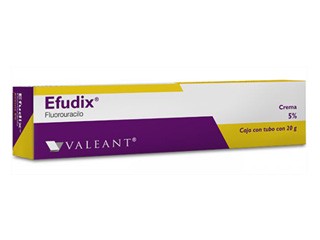


Fluorouracil: Patient Information (UK)
Fluorouracil (also known as 5-fluorouracil or 5‑FU) is a widely used chemotherapy medicine used to treat certain types of cancer. It is available in different forms depending on the indication and treatment plan, commonly as an injection or as a solution used in specialist cancer services.
This guide explains what Fluorouracil is, how it works in the body, how it is typically used, what to expect, and important safety information. It is written in patient-friendly language for people in the United Kingdom.
| Category | Details |
|---|---|
| Medicine name | Fluorouracil (5‑fluorouracil, 5‑FU) |
| Type | Cytotoxic chemotherapy (antimetabolite) |
| Common forms | Injection/infusion solutions (varies by treatment setting) |
| Typical use | Cancer treatment (often colorectal and other solid tumours; sometimes topically/locally in specific preparations) |
| How it is given | Usually under specialist oncology care; exact schedule depends on the regimen |
Basic product information
- Active ingredient: Fluorouracil (5‑FU)
- How it is supplied: As a pharmaceutical solution for use in healthcare settings, with product strength and packaging varying by manufacturer and presentation.
- Why it’s used: To stop cancer cells from multiplying by interfering with DNA and RNA production.
How Fluorouracil works (mechanism of action)
Fluorouracil belongs to a group of medicines called antimetabolites. Cancer cells often divide rapidly and require building blocks to make DNA and RNA. Fluorouracil interferes with these processes.
In the body, Fluorouracil is converted into active metabolites that:
- Disrupt DNA synthesis by blocking key enzymes involved in thymidine production (important for DNA building).
- Interfere with RNA function, which can affect the production of proteins needed for cell growth.
- Help create cell stress and death in rapidly dividing tumour cells.
Because these pathways can also affect healthy fast‑growing cells (such as those in the mouth, gut lining, skin, and bone marrow), side effects are possible.
Pharmacokinetics (what happens to the medicine in the body)
“Pharmacokinetics” describes how the body absorbs, distributes, metabolises, and eliminates a medicine. For Fluorouracil, key points include:
- Absorption and entry into the bloodstream: Depending on the formulation and how it is administered (commonly by injection/infusion), Fluorouracil enters the circulation directly.
- Distribution: It distributes widely through body tissues, including areas where tumour cells may be present.
- Metabolism: Fluorouracil is mainly broken down in the liver and also via extrahepatic pathways. Metabolism involves enzymes that convert it into inactive or less active products.
- Elimination: Fluorouracil and its metabolites are removed largely via the kidneys and through metabolism-related pathways.
- Variable exposure: Blood levels can differ between individuals and according to the regimen. Clinicians consider kidney/liver function, overall health, and other medicines when planning treatment.
Typical use in the UK (indications)
In the UK, Fluorouracil is used as part of cancer treatment programmes. The exact indication depends on the tumour type, stage, treatment goals (curative, adjuvant, neoadjuvant, or palliative), and which combination regimen is chosen.
Common clinical uses include:
- Colorectal cancer: Often as part of combination chemotherapy regimens (for example, in combination with other agents such as leucovorin and/or oxaliplatin depending on the regimen).
- Gastrointestinal and other solid tumours: Used in selected situations where it is an appropriate part of the treatment plan.
- Local treatment (specific preparations): Some topical or field treatments containing related fluoropyrimidine medicines exist for certain skin conditions, but the exact product availability and use can differ. Always check the specific product you are viewing and its intended purpose.
Your oncology team will explain which indication applies to you and why Fluorouracil is chosen.
Timing: when and how it is given
Fluorouracil schedules vary widely. It may be administered:
- In cycles (for example, every 1–3 weeks depending on the regimen),
- As short infusions over minutes to hours,
- or as longer continuous infusions in some protocols.
Timing is determined by the treatment protocol and how your body responds. Dose adjustments are often made based on blood counts and side effects. For the safest use, follow the exact treatment schedule provided by your cancer care team.
Dosing: what you should know
Dosing of Fluorouracil is typically based on:
- Body surface area (BSA) (commonly used in chemotherapy),
- Indication and regimen (which other medicines are combined),
- Frequency (cycle length),
- Blood test results (for example, neutrophils and platelets),
- Liver and kidney function, and
- Previous treatment history and current tolerability.
Because dosing is individual and depends on the exact protocol, it is not appropriate to provide a single universal dose. Your healthcare team will calculate and confirm the regimen for your situation.
Do not change the dose or skip doses without medical advice. Chemotherapy dose modifications can be necessary to protect safety and reduce complications.
Food interactions
Many chemotherapy regimens involving Fluorouracil are given by injection/infusion and are not directly affected by food. However, there can still be practical food considerations because Fluorouracil commonly affects the mouth and gut.
General dietary tips:
- Hydration: Drink fluids regularly unless you have been told to restrict fluids.
- Small, frequent meals: Can help if appetite is reduced or if nausea occurs.
- Mouth care: Choose soft, bland foods if you develop mouth ulcers or soreness.
- Manage diarrhoea: Ask your team for advice on anti-diarrhoea medicines and dietary changes if diarrhoea occurs.
Drug–food interactions: If you are taking other medicines alongside chemotherapy, ask your cancer team or pharmacist about interactions. Some supportive medicines (for nausea, nausea prevention, pain relief, infections) may have their own instructions regarding meals.
Alcohol and medicine interactions
Alcohol can worsen side effects like nausea, fatigue, dehydration, and may affect liver function. During chemotherapy, it is generally advisable to avoid or minimise alcohol.
Alcohol may also interact indirectly by:
- Increasing dehydration risk if you have vomiting or diarrhoea.
- Adding strain to the liver, especially if you have underlying liver disease or high medication burden.
- Amplifying fatigue, which can affect ability to cope with treatment schedules.
If you drink alcohol, discuss it with your oncology team so you can receive advice specific to your regimen and overall health.
Safety profile: common and serious side effects
Like all cytotoxic medicines, Fluorouracil can cause side effects. Not everyone gets them, and severity varies from person to person. Many side effects are manageable with supportive care.
Common side effects
- Low blood counts (myelosuppression): increased risk of infection, tiredness, bruising or bleeding.
- Gastrointestinal effects: diarrhoea, nausea, vomiting, abdominal discomfort.
- Mouth changes: mouth ulcers, inflammation, sore mouth.
- Fatigue: a common effect of chemotherapy.
- Skin and hair effects: skin dryness or rash may occur; hair loss is less common with Fluorouracil alone than with some other chemotherapy agents, but it can still happen depending on combinations.
- Hand–foot type reactions: soreness, redness, or peeling on palms and soles can occur, particularly with certain schedules or combination regimens.
Less common but important risks
- Allergic reactions: rare, but seek urgent advice if you get swelling, wheezing, or widespread hives.
- Cardiac effects: some patients experience chest discomfort or rhythm changes; inform staff promptly if you notice symptoms.
- Severe infection: because of low white blood cell counts, infections can become serious quickly.
- Neurological symptoms: unusual neurological changes should be assessed promptly.
Seek urgent medical help if
- You have a fever or signs of infection (for example, chills, feeling very unwell),
- You develop severe diarrhoea, persistent vomiting, or cannot keep fluids down,
- You have severe mouth ulcers or are unable to eat/drink,
- You have significant bleeding or unusual bruising,
- You experience chest pain, shortness of breath, or palpitations.
Practical use tips (for patients)
Because Fluorouracil is usually administered in clinical settings, “practical use” is mainly about preparation, monitoring, and self-care between appointments.
Before each treatment cycle
- Attend blood tests as scheduled, since dose timing and safety often depend on blood counts.
- Report symptoms early (diarrhoea, mouth sores, fever, infections, uncontrolled nausea).
- Review medications with your team, including over‑the‑counter products and supplements.
-
Keep track of:
- temperature readings,
- bowel habits (especially frequency and severity of diarrhoea),
- oral discomfort,
- any new skin changes (including palms/soles).
During treatment
- Stay hydrated and follow advice about fluids if you develop diarrhoea.
- Oral care: use gentle mouth rinses if recommended; keep teeth hygiene soft and consistent.
- Skin care: moisturise regularly; protect hands and feet from friction and heat if you’re prone to irritation.
- Nutrition: aim for calorie- and protein-containing meals where tolerated; consider dietetic support if appetite is poor.
After treatment
- Watch for delayed effects (for example, mouth soreness or diarrhoea can appear or worsen between cycles).
- Contact your team promptly if symptoms escalate.
- Keep appointments for blood monitoring and follow-up visits.
Alternative options
Alternative treatments depend entirely on the cancer type, stage, and your overall health. Fluorouracil is often used as part of combination chemotherapy regimens, and other medicines may be considered.
Depending on the situation, options may include:
- Other fluoropyrimidines (for example, capecitabine is an oral prodrug of 5‑FU in some contexts).
- Different chemotherapy agents used in combinations (regimen dependent).
- Targeted therapies where appropriate (based on tumour markers).
- Immunotherapy in selected cancers.
- Radiotherapy or surgery depending on goals and disease stage.
Discuss with your oncology team whether Fluorouracil is the best match for your tumour and treatment goals, or whether alternatives are suitable.
Market and legal context in the UK
In the UK, chemotherapy medicines are provided through established NHS pathways and specialised cancer services, as well as some private oncology settings. Medicines are authorised and regulated under the UK medicines framework.
Key points for patients include:
- Regulatory oversight: medicines must meet safety and quality standards set by UK regulatory bodies.
- Specialist administration: many cytotoxic medicines require careful handling, preparation, and monitoring, typically within clinical environments.
- Safety monitoring: blood tests and symptom reviews are central to chemotherapy safety.
Availability can differ by presentation (strength, pack size, and form) and by treatment regimen needs. Your healthcare provider can confirm what is available for your care plan.
Recent guidance and updates (general themes)
Chemotherapy practice evolves as new evidence and safety data become available. In recent years, guidance across oncology services has continued to emphasise:
- Prompt management of side effects (especially diarrhoea, infections, and mouth inflammation).
- Risk-aware dosing adjustments based on blood counts and organ function.
- Improved supportive care (anti-emetics, mouth care strategies, infection prevention approaches).
- Clear communication about when to report symptoms urgently.
Your local NHS cancer service may use specific protocol pathways for monitoring and dose modification. Always follow the advice issued by your treating team.
Delivery and availability (UK online pharmacy context)
Fluorouracil is typically handled and administered within healthcare settings due to the nature of chemotherapy and required safe handling measures. For online pharmacy websites, availability can vary depending on the product presentation and the intended clinical pathway.
When purchasing medicines through an online pharmacy platform, you should expect:
- Product checks: confirmation of the correct medicine, strength, and pack size.
- Temperature and handling requirements: some products may have storage requirements; your pharmacy will state handling instructions.
- Delivery times: depends on prescription processing workflows and local logistics (where applicable).
- Availability status: some strengths/presentations may be temporarily limited based on supply.
If the product you need is not available immediately, the pharmacy may offer alternatives or notify you of restock dates. Always ensure you receive the correct presentation for your treatment regimen.
Storage and handling (general patient guidance)
Follow the storage instructions provided on the medicine label and patient information materials. In general, chemotherapy medicines require careful handling and should be stored safely away from children and pets.
- Keep in original packaging to protect from light and ensure traceability where relevant.
- Do not transfer to other containers unless instructed by a healthcare professional.
- Check expiry date before use in the clinical setting.
If you have questions about storage, ask your pharmacy or treatment centre for guidance specific to the product you have been supplied.
Frequently Asked Questions (FAQ)
Is Fluorouracil the same as 5‑FU?
Yes. Fluorouracil and 5‑fluorouracil (5‑FU) refer to the same active chemotherapy ingredient.
What cancers is Fluorouracil used for in the UK?
It is used for selected cancers, most commonly within chemotherapy regimens for solid tumours such as colorectal cancer. The exact use depends on your diagnosis and the chosen regimen.
How soon do side effects start?
Timing varies. Some effects (such as nausea or fatigue) may begin shortly after treatment, while others (such as diarrhoea or mouth ulcers) may develop over days. Your care team can provide expected timelines for your specific protocol.
Can I eat normally while on Fluorouracil?
Many people can eat, but treatment may affect appetite, taste, and the mouth or gut. Small frequent meals, gentle foods, and hydration can help. Seek advice if you are struggling to eat or drink.
Is there an alcohol restriction during treatment?
It is generally recommended to avoid or limit alcohol because it can worsen dehydration, nausea, fatigue, and may affect the liver. Ask your team for personalised advice.
What medicines should I avoid?
Many medicines can affect chemotherapy safety, including some supplements and “over‑the‑counter” products. Always tell your healthcare team about everything you take. They can check for interactions and advise what is safe to continue.
What should I do if I feel unwell after treatment?
Contact your cancer care team promptly. Seek urgent help if you have a fever, severe diarrhoea, bleeding, chest pain, or severe persistent vomiting—especially if you feel much worse than expected.
Are there alternatives to Fluorouracil?
Potential alternatives depend on the cancer type and regimen. Options may include other chemotherapy agents, other fluoropyrimidines (such as capecitabine in some settings), targeted therapies, immunotherapy, radiotherapy, or surgery. Discuss with your oncologist about what fits your treatment goals.
How long will I be on treatment?
Fluorouracil is commonly given in cycles for a planned number of treatments. The overall duration depends on your response, side effects, and treatment goal.
Important final note
This information is designed to help you understand Fluorouracil and to prepare for conversations with your healthcare team. Always follow the specific instructions provided by your oncology professionals, including the plan for monitoring blood tests and managing side effects.