

Digoxin (e.g., digoxin tablets or capsules) — Patient Information
Digoxin is a medicine used mainly for certain heart conditions. It can help the heart pump more effectively and, in some cases, slow down a fast heart rate caused by specific rhythm problems. Because digoxin has a relatively narrow margin between effective and potentially harmful doses, it’s important to use it carefully and follow monitoring advice from your healthcare team.
This page explains how digoxin works, how it’s used in the UK, what to expect, common safety considerations, and practical guidance to support safe use.
Basic product information
| Category | Details |
|---|---|
| Medicine name | Digoxin |
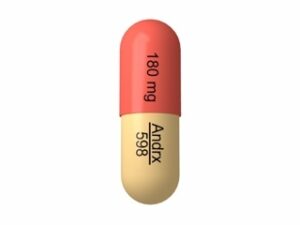
| Common forms | Tablets or capsules (brand/generic products vary) |
| What it’s used for | Some forms of heart failure and certain rhythm problems (e.g., atrial fibrillation) |
| Medicinal group | Cardiac glycoside |
| Availability in the UK | Available via NHS and private pharmacies; medicines are subject to local supply and prescription/dispensing regulations |
How digoxin works (mechanism of action)
Digoxin belongs to the group of cardiac glycosides. It works in two main ways:
- Improves heart contraction strength: Digoxin helps the heart muscle contract more effectively by influencing how calcium is handled inside heart cells. This can improve pumping efficiency in certain people with heart failure.
- Slows electrical activity through the heart: Digoxin affects signals in the atrioventricular (AV) node. This can reduce the heart rate when it is beating too fast due to certain rhythm conditions (commonly atrial fibrillation).
Important: Digoxin doesn’t usually “cure” an irregular rhythm. Instead, it may help control symptoms by improving performance and/or slowing the ventricular rate.
Pharmacokinetics (how the body handles digoxin)
Understanding pharmacokinetics can help explain why monitoring and dose adjustments are important.
Absorption
- Digoxin is absorbed from the gut, though absorption can vary between individuals.
- It may take time to reach steady levels in the body.
Distribution
- Digoxin distributes into body tissues and binds to certain proteins and tissues, including heart muscle.
- It stays in the body for a long time, so changes may take days to reflect in blood levels.
Metabolism and elimination
- Digoxin is not extensively metabolised and is mainly eliminated by the kidneys.
- This means kidney function strongly influences digoxin levels.
Time to effect and steady state
- Some benefits (especially heart rate control) may be felt within hours.
- However, digoxin blood levels typically stabilise after several days of consistent dosing, depending on kidney function and other factors.
Typical use in the UK
In the UK, digoxin is commonly considered for:
- Heart failure: Usually in selected patients where symptoms persist despite other optimal therapy, or where a clinician judges it beneficial for symptom control. Modern heart failure treatment often includes medicines such as beta-blockers, ACE inhibitors/ARBs/ARNIs, mineralocorticoid receptor antagonists, and others, depending on the person.
- Atrial fibrillation (AF) with fast ventricular response: Digoxin may be used to help slow the heart rate, especially in people who are less able to tolerate other rate-control options or as part of a combination strategy.
Because approaches depend on your exact heart condition, other health conditions, and medication list, the best plan is individualised by your healthcare professional.
Indications (what digoxin is used to treat)
Digoxin is indicated for:
- Symptomatic heart failure in certain patients to improve symptoms and reduce the need for hospitalisation in selected situations.
- Rate control in atrial fibrillation and in some cases atrial flutter (depending on local product information and clinical judgement).
Note: Indications and recommended roles can vary between patient groups and over time as guidelines evolve.
How to take digoxin: timing and practical use tips
Many people take digoxin once daily, but your exact dosing schedule may differ based on age, kidney function, and the formulation (tablet strength and brand).
Timing
- Take digoxin at the same time each day to keep blood levels more stable.
- If you are advised to take it twice daily, follow that schedule consistently.
- Use a pill organiser or alarms if you find it easy to miss doses.
With or without food?
- Digoxin can usually be taken with or without food. If your stomach is sensitive, taking it with food may help.
- Try to keep the same approach from day to day (with meals vs without meals), as consistency may help reduce variability.
Swallowing and missed doses
- Swallow tablets/capsules whole with water unless your clinician or pharmacist advises otherwise.
- If you miss a dose, take it when you remember only if it is reasonably close to the time you should have taken it. If it’s near the next dose, skip the missed dose and continue as normal.
- Do not double up to make up for a missed dose. Digoxin overdose can be serious.
Blood tests and monitoring
- Your healthcare team may request blood tests to measure digoxin levels and/or check kidney function and electrolytes (especially potassium).
- Monitoring is particularly important if your kidney function changes, if you start/stop interacting medicines, or if you develop symptoms suggestive of toxicity (see Safety Profile).
Food interactions
Food interactions with digoxin are generally less dramatic than interactions with some other medicines, but there are still important points:
- Consistency is key: Take digoxin in a consistent way relative to meals.
- Fibre-rich meals and gut changes: Major changes in diet, diarrhoea, vomiting, or malabsorption conditions can affect digoxin absorption. If you experience persistent diarrhoea or vomiting, contact a clinician.
Grapefruit and fruit juices: Unlike some other medicines, grapefruit is not a typical major digoxin interaction. However, some general “heart medicine” interactions can vary by the specific product and co-medications. If you’re unsure, ask a pharmacist to review your full list.
Alcohol and medicine interactions
Alcohol and digoxin
- Moderate alcohol may be tolerated by many people, but alcohol can worsen dehydration, affect electrolytes (such as potassium and magnesium), and affect adherence.
- Heavy drinking increases the risk of falls, dehydration, and liver-related changes that may indirectly affect your overall health and medication safety.
If you drink alcohol, it’s sensible to keep it within recommended UK limits and stay well hydrated. If you have heart failure, alcohol can also worsen symptoms in some people—seek personalised advice.
Other medicine interactions (very important with digoxin)
Digoxin is sensitive to interactions that can increase or decrease its blood level, or increase the risk of abnormal heart rhythms.
Common categories of medicines that may interact with digoxin include:
- Anti-arrhythmics: other heart rhythm medicines may increase the risk of abnormal rhythms.
- Amiodarone: can increase digoxin levels and raise toxicity risk.
- Verapamil or diltiazem: can affect digoxin levels.
- Macrolide antibiotics (e.g., clarithromycin) and tetracyclines may increase digoxin levels in some cases.
- Diuretics (“water tablets”)—especially those that lower potassium or magnesium (e.g., loop diuretics): changes in electrolytes increase digoxin toxicity risk.
- Laxatives that cause diarrhoea: can lower potassium and increase risk.
- Calcium or potassium supplements may affect rhythm stability; do not start/stop without discussing with a clinician.
- Antacids and certain stomach medicines: may influence absorption—timing adjustments may be needed.
Always tell a clinician or pharmacist about every medicine you take, including over-the-counter products, herbal supplements, and “as-needed” medicines.
Dosing: general information and factors that affect your dose
Digoxin dosing is individual. It depends on factors such as age, kidney function, body size, and whether other interacting medicines are used. Because of the narrow therapeutic window, dosing should be based on your healthcare professional’s plan.
Typical dosing approach (general)
- Many adults with chronic use are prescribed a once-daily maintenance dose.
- Dosing may be lower in older adults or in people with reduced kidney function.
- Clinicians may use blood levels and kidney/electrolyte results to fine-tune dosing.
Do not change the dose yourself
- Starting or stopping interacting medicines (such as certain antibiotics, anti-arrhythmics, or diuretics) can require dose adjustment.
- Do not take extra doses to “catch up.” Digoxin toxicity can be life-threatening.
Missed dose reminder
If you miss a dose, follow the approach explained earlier. Because digoxin has potential toxicity, it’s particularly important not to double up.
Safety profile: risks, side effects, and when to seek help
Digoxin can cause side effects, and toxicity may occur especially when blood levels rise due to high dose, kidney impairment, dehydration, low potassium/magnesium, or drug interactions.
Common side effects
- Nausea
- Vomiting
- Loss of appetite
- Headache or fatigue (may occur)
Signs of possible digoxin toxicity (urgent)
Contact urgent medical services or seek urgent advice if you experience symptoms such as:
- New or worsening irregular heartbeat, palpitations, or feeling faint
- Severe nausea, vomiting, or diarrhoea
- Visual disturbances (for example, blurred vision, seeing halos around lights, colour changes—reported in some cases)
- Confusion or extreme drowsiness
- Shortness of breath or symptoms of worsening heart failure
Because some toxicity symptoms overlap with heart condition symptoms, it’s important not to “wait and see” if symptoms are concerning.
Who needs extra caution?
- People with kidney problems (digoxin is cleared by the kidneys)
- Older adults (often more sensitive and more likely to have reduced kidney function)
- Anyone with low potassium or low magnesium (often from vomiting, diarrhoea, or diuretics)
- People taking interacting medicines
- People who become dehydrated (e.g., during illness with vomiting/diarrhoea)
Practical use tips for safe everyday use
- Keep regular appointments for blood tests and review.
- Check your kidney function when advised and report any major changes.
- Know your electrolytes: ask whether you should monitor potassium/magnesium—especially if you’re on diuretics.
- Watch for dehydration: contact your healthcare team if you have vomiting, diarrhoea, fever, or reduced fluid intake.
- Maintain consistent diet and fluid intake where possible.
- Tell clinicians about all medicines (including antibiotics, anti-arrhythmics, painkillers, laxatives, herbal products, and vitamin supplements).
- Use one pharmacy: using the same pharmacy helps ensure interactions are checked.
Alternative options for heart conditions
The “best” alternative to digoxin depends on the condition being treated (heart failure vs atrial fibrillation rate control) and your individual health profile. In the UK, clinicians often follow guideline-directed treatment.
For heart failure
- Beta-blockers (e.g., carvedilol, bisoprolol, metoprolol in selected patients)
- ACE inhibitors / ARBs / ARNIs (depending on eligibility)
- Mineralocorticoid receptor antagonists
- SGLT2 inhibitors (in appropriate patients)
- Other treatments may be considered based on ejection fraction type, symptoms, and comorbidities.
For atrial fibrillation rate control
- Beta-blockers
- Calcium-channel blockers (for example verapamil or diltiazem, depending on the clinical picture)
- In some cases, other strategies such as rhythm-control approaches or procedures may be considered by specialist teams.
If you’re currently taking digoxin and want to explore alternatives, discuss this with a clinician—stopping digoxin abruptly without a plan may worsen symptoms or heart rhythm control.
UK market and legal context (how digoxin is supplied)
Digoxin is a well-established medicine in the UK. Medicines may be supplied through NHS services and community pharmacies in line with UK medicines regulations. Availability can vary by formulation and manufacturer. For patients, this typically means:
- Medicines are usually supplied in specific pack sizes and strengths.
- Your local pharmacy will check interactions, confirm the dose, and advise on how to take it safely.
- Healthcare providers may adjust dosing based on blood tests and changes in kidney function.
Recent guidance and clinical updates: Heart failure and atrial fibrillation management are periodically updated through national and international guidance. In general practice, digoxin tends to be used selectively—often for symptom control in certain heart failure patients and for rate control in atrial fibrillation in specific circumstances. Clinicians consider the balance between benefit and risk, particularly because digoxin toxicity can occur if interacting medicines or electrolyte disturbances develop.
For the most current recommendations, your clinician may refer to guideline updates from relevant UK and European cardiology bodies.
Delivery and availability (online pharmacy information)
Digoxin availability online depends on the specific product (brand/generic), strength, and current supplier stock. When ordering through a UK online pharmacy:
- Pack sizes and strengths may differ between manufacturers; always confirm the label matches the dose you were advised.
- Delivery times depend on courier schedules, your location, and stock availability.
- Some items may be supplied directly from regional warehouses or suppliers to manage availability.
Cold-chain storage: Digoxin tablets/capsules are usually stored at room temperature, but always follow the storage instructions on the outer pack.
If you need urgent supply (for example, you are about to run out), contact the pharmacy’s customer support so they can advise on fastest options and stock status.
FAQ — Digoxin
1) What is digoxin used for?
Digoxin is used for selected heart conditions, mainly symptomatic heart failure and for rate control in atrial fibrillation (helping slow the heart rate). It helps the heart’s pumping performance and affects heart rate by acting on the heart’s electrical pathways.
2) How long does digoxin take to work?
Some effects may occur within hours (especially rate control). However, steady blood levels typically develop over several days. Your clinician may monitor levels and symptoms after starting or changing dose.
3) Can I take digoxin with food?
Yes, digoxin is usually taken with or without food. Try to take it the same way each day. If food helps you avoid stomach upset, taking it with meals is often practical.
4) What should I do if I miss a dose?
Do not double up. Take it only if it’s close to the time you should have taken it. If it’s near your next dose, skip the missed dose and continue as normal. If you’re unsure, ask your pharmacist for advice based on your dosing schedule.
5) Are there foods I should avoid?
There are no single “banned” foods for digoxin for most people. The key is consistency and avoiding major changes in diet that affect absorption, especially if you have diarrhoea or vomiting. If you have significant stomach illness, seek advice.
6) Can I drink alcohol while taking digoxin?
Moderation is advised. Avoid heavy drinking because it can increase dehydration and worsen electrolyte balance—both can increase digoxin risk. If you have heart failure symptoms that worsen with alcohol, ask your clinician for personalised guidance.
7) What medicines commonly interact with digoxin?
Several medicines can interact with digoxin, including some anti-arrhythmics, certain antibiotics, medicines that affect heart rate, and diuretics that lower potassium or magnesium. Always provide your full list of medicines and supplements to your pharmacist.
8) What symptoms could indicate digoxin toxicity?
Warning signs include new/worsening irregular heartbeat, severe or persistent nausea/vomiting, diarrhoea, dizziness/fainting, confusion, or visual disturbances (such as seeing halos or colour changes). If you suspect toxicity, seek urgent medical advice.
9) Why do I need blood tests?
Because digoxin levels can become too high or too low, especially with kidney changes or interacting medicines. Blood tests help ensure safe dosing and reduce the risk of toxicity.
10) Are there alternatives if digoxin isn’t suitable?
Yes. Alternatives depend on your condition. For heart failure, other guideline-directed medicines may be used. For atrial fibrillation rate control, options may include beta-blockers or certain calcium-channel blockers. Your clinician can tailor choices to your health profile.
Summary
Digoxin is a cardiac glycoside used in the UK to treat selected cases of heart failure and to help control heart rate in atrial fibrillation. It improves heart performance and slows certain electrical signals in the heart. Because digoxin is cleared mainly by the kidneys and has potential interactions, careful dosing, monitoring (including kidney function and sometimes digoxin levels), and attention to dehydration and electrolyte balance are essential. Always review your full medicine list with your pharmacist, and seek urgent advice if you develop symptoms that could indicate toxicity.