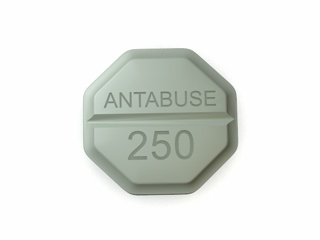


Antabuse (Disulfiram) – Patient-Friendly Guide (UK)
Antabuse contains disulfiram, a medicine used as part of a structured approach to help people who have problems with alcohol consumption. Disulfiram works by creating an unpleasant reaction when alcohol (including certain alcohol-containing products) is taken, which may help discourage drinking.
This guide explains how Antabuse works, what to expect, important food and medicine interactions, safety considerations, and practical tips for using it responsibly in the United Kingdom.
Basic product information
| Item | Details |
|---|---|
| Medicine name | Antabuse |
| Active ingredient | Disulfiram |
| What it is used for | Alcohol dependence support (used alongside psychosocial care and monitoring) |
| How it works | Blocks alcohol metabolism so alcohol causes an unpleasant reaction |
| Common forms | Oral tablets (strengths may vary by product) |
How Antabuse (disulfiram) works
When you drink alcohol, your body normally breaks it down in steps. One important step involves an enzyme that helps convert alcohol into harmless substances.
Disulfiram interferes with this process. Specifically, it affects enzymes involved in converting alcohol (ethanol) and a key intermediate called acetaldehyde into substances that can be cleared from the body.
As a result, drinking alcohol after starting disulfiram can cause acetaldehyde to build up, leading to a reaction that may include flushing, nausea, vomiting, low blood pressure, headache, chest discomfort, and a general feeling of severe illness. The intensity can vary between individuals and depends on the amount and type of alcohol exposure.
Why the reaction matters
The purpose of the disulfiram reaction is to make drinking alcohol feel distinctly unpleasant, helping reduce the chance of relapse. Antabuse is most effective when used as part of a wider plan, such as counselling, support groups, and careful monitoring.
Pharmacokinetics (how the body handles disulfiram)
Pharmacokinetics describes what happens to a medicine in the body—absorption, distribution, metabolism, and elimination. While individual responses vary, the following points help explain timing and duration of action.
Absorption
Disulfiram is taken by mouth and is absorbed from the gastrointestinal tract. Food may affect the speed of absorption, but not necessarily the overall effect.
Distribution and long-lasting effects
Disulfiram is metabolised in the body into active metabolites that can contribute to the duration of the alcohol sensitivity effect. Because these effects can persist, you must avoid alcohol well beyond the last dose (your clinician or pharmacist will advise on a safe window for your situation).
Metabolism and elimination
The medicine is metabolised mainly in the liver. Elimination occurs over time through metabolic clearance and excretion. In people with significant liver impairment, the risk of side effects may increase, and additional caution is needed.
Typical use in the UK
Antabuse is used to support alcohol dependence where complete abstinence is the goal. It is generally used alongside psychosocial support and a carefully planned strategy to reduce relapse risk.
Because disulfiram can cause serious reactions if alcohol is taken, it is often considered when:
- There is a strong commitment to staying alcohol-free.
- There is support in place (for example, a structured care plan).
- The person understands and accepts the consequences of alcohol exposure.
- There are appropriate safety checks (including medical review of suitability).
When Antabuse starts working (timing)
Disulfiram can make you sensitive to alcohol within a short time after starting, and the effect can persist for days after stopping. Timing varies depending on factors such as dose, metabolism, and individual health.
Practical safety rule: treat disulfiram as requiring strict avoidance of alcohol for the entire period you are taking it and for a period after stopping. Ask your pharmacist for guidance specific to your dose and schedule.
Alcohol “hidden” in products
Avoiding alcohol is not only about drinks. Many everyday items may contain alcohol, including some sauces, medicines, mouthwashes, cough syrups, aftershaves, and certain “natural” products. Read labels carefully.
Food and drinks interactions
While the disulfiram reaction is most widely associated with alcoholic beverages, alcohol-containing ingredients in food and drink can also trigger symptoms.
Alcohol in food
- Food labelled “contains alcohol” or “made with alcohol”
- Some sauces, marinades, and cooking wines
- Alcohol-based flavourings
- Over-the-counter products that include alcohol as an ingredient
What about “non-alcoholic” drinks?
Some non-alcoholic or “0.0%” products may still contain trace alcohol depending on manufacturing and labelling. If you are using Antabuse, it’s safest to choose products clearly verified as alcohol-free or avoid these entirely.
Alcohol and medicine interactions (very important)
The defining interaction of disulfiram is with alcohol. Beyond drinks, alcohol may appear in other medicines. In addition, disulfiram can interact with certain drugs by changing metabolism or increasing side-effect risk.
Medicines and alcohol-containing products to avoid or check
- Cough and cold syrups that contain alcohol
- Some mouthwashes and oral antiseptics
- Aftershaves and skin products (if absorbed in significant amounts or used on large areas)
- Alcohol-containing drops (for example, some formulations of certain treatments)
- Some “herbal” preparations or tinctures (often alcohol-based)
- Certain digestive products or tonics
If you’re unsure whether a product contains alcohol, check the ingredient list or ask your pharmacist. When possible, choose alcohol-free formulations.
Important medicine-to-medicine considerations
Disulfiram may affect how certain drugs work, and some medicines may increase the likelihood of side effects. Examples (not exhaustive) include:
- Warfarin (blood thinning medicine): may increase bleeding risk.
- Phenytoin (for seizures): disulfiram may affect drug levels and control.
- Metronidazole (antibiotic): the combination may increase risk of adverse effects.
- Other medicines used for substance dependence: guidance may be needed depending on the plan and timing.
- Medicines that affect the liver: may increase strain on liver metabolism.
Always share your complete medicine list with your healthcare professional, including over-the-counter products and supplements.
Indications: what Antabuse is used for
In the UK context, Antabuse (disulfiram) is indicated for the support of alcohol dependence where the goal is complete abstinence. It may be used in carefully selected people who understand the disulfiram-alcohol reaction and can follow strict avoidance.
Dosing: how Antabuse is usually taken
Dosing must be individualised based on your medical history, liver function, and risk factors. Your clinician or pharmacist will advise the dose and schedule that is appropriate for you.
Common dosing pattern
Typical regimens for disulfiram in alcohol dependence often start with a test period under supervision, followed by a maintenance dose. The usual approach includes:
- Ensuring you have stopped drinking alcohol before starting.
- Starting at a dose determined by the care plan.
- Reviewing tolerance and safety, including any symptoms after exposure.
Do not change dose without advice
Do not increase, decrease, or stop the dose without professional guidance. If you miss a dose, do not “double up”. Seek advice from a pharmacist on what to do next.
Alcohol-free requirement before starting
A key safety step is being alcohol-free before starting Antabuse. Your clinician will advise on the required abstinence period. This is important to reduce the risk of a reaction at the start of treatment.
Safety profile and possible side effects
Like all medicines, disulfiram can cause side effects. Many people experience mild effects, but some reactions can be severe, especially if alcohol is taken.
Common or expected side effects
- Headache
- Drowsiness or fatigue
- Metallic or unpleasant taste
- Nausea, stomach upset
- Acne-like skin eruptions or rash in some people
- Behavioural or mood changes (in some individuals)
Serious reactions
The disulfiram-alcohol reaction is the most critical risk. If you accidentally consume alcohol, symptoms may become severe. Seek urgent medical help if you experience:
- Severe vomiting or persistent diarrhoea
- Severe dizziness or fainting
- Chest pain, shortness of breath, or a feeling of severe collapse
- Confusion, severe agitation, or unusual behaviour
- Signs of an allergic reaction (swelling of the face/lips, trouble breathing, widespread rash)
Liver and neurological risks
Because disulfiram is metabolised by the liver and can affect the nervous system, clinicians may monitor liver function. People with liver disease or neurological conditions may need additional caution or may not be suitable.
Who should use extra caution or avoid disulfiram
Suitability depends on individual factors. Extra caution is needed if you have any of the following:
- Liver disease or abnormal liver tests
- Severe heart disease or cardiovascular instability
- Uncontrolled psychotic disorders or severe mood instability
- Epilepsy or seizure history (or medicines that affect seizure threshold)
- Recent alcohol use or inability to maintain abstinence
If you are unsure, discuss with a healthcare professional. This information is not a substitute for medical assessment.
Practical tips for safe day-to-day use
- Plan alcohol-free routines: keep alcohol out of the home and be prepared for social situations.
- Read labels every time: alcohol can appear in new or unfamiliar products.
- Choose alcohol-free oral products: use alcohol-free mouthwash if needed.
- Be careful with “tinctures” and supplements: many contain alcohol.
- Inform dentists and other clinicians: for planned procedures and medication choices.
- Keep a medication list: include disulfiram and bring it to appointments.
- Do not drink “small sips” to test: even small amounts may trigger symptoms.
- Know what to do if exposure happens: seek advice promptly if you accidentally take alcohol.
Alternative options for alcohol dependence support
Disulfiram is one option among several medicines and non-medicine treatments used for alcohol dependence. Alternatives may be considered depending on your health, preferences, and care plan.
Other commonly used medicine options
- Naltrexone: helps reduce alcohol craving and the rewarding effects of alcohol for some people.
- Acamprosate: supports maintaining abstinence for some individuals after detoxification.
- Support and psychosocial therapies: counselling, motivational support, and structured programmes.
Your healthcare team can help decide what fits best, including whether medication is appropriate for your situation.
Market and legal context in the United Kingdom
In the UK, disulfiram-containing medicines such as Antabuse are regulated and supplied according to UK medicines law and prescribing/dispensing practices. Medicines are typically made available via licensed pharmacy supply chains, and product availability can vary by strength and manufacturer.
Current UK guidance for alcohol dependence commonly emphasises a whole-person approach including: assessment, risk management, psychosocial support, relapse-prevention planning, and medicines optimisation where suitable.
Guidance and local pathways can differ between regions (for example, through NHS services and alcohol specialist teams).
Recent guidance and clinical practice notes (UK)
Clinical practice in the UK generally reflects the need for:
- Careful patient selection for disulfiram, given the risk of severe reactions with alcohol.
- Ongoing monitoring, especially regarding liver function and mental health.
- Clear education about “hidden alcohol” in medicines and everyday products.
- Integration with psychosocial support for improved outcomes.
Always follow the advice of your healthcare professional, particularly if you have liver conditions, mental health conditions, or complex medication regimens.
Delivery and availability in the UK
Availability of Antabuse can vary depending on the specific tablet strength and supplier. Online pharmacies may provide delivery within the UK subject to stock status, payment verification, and compliance checks.
Typical considerations include:
- Stock status: if unavailable, your pharmacy may offer an alternative product or notify you.
- Delivery times: shipping timelines depend on the carrier and order processing.
- Product packaging: medicines are normally dispatched in secure, sealed packaging.
- Storage: follow label instructions for storage temperature and protection from moisture.
If you need delivery urgently, check estimated delivery options at checkout.
FAQ
1) What happens if I drink alcohol while taking Antabuse?
You may develop an unpleasant and potentially serious reaction due to acetaldehyde build-up. Symptoms can include flushing, nausea, vomiting, headaches, palpitations, and low blood pressure. If symptoms are severe, seek urgent medical help.
2) How long do I need to avoid alcohol after stopping Antabuse?
The effect can persist because disulfiram and its metabolites remain in the body for some time. The exact duration depends on dose and individual factors. Ask your pharmacist for a safe time frame for your situation.
3) Can I use alcohol-containing mouthwash or cough medicine?
It’s important to avoid alcohol-containing products if you are taking disulfiram. Check labels and ask your pharmacist for alcohol-free options where possible.
4) Are “0.0%” drinks safe?
Some products may contain trace alcohol. For strict safety, it’s best to avoid anything that is not clearly alcohol-free or verified as such.
5) Can I take Antabuse with other medicines?
Disulfiram can interact with certain medicines and also alcohol-containing formulations. Tell your pharmacist about all medicines, including over-the-counter products and supplements, so they can check suitability and interactions.
6) What are the main warning signs that mean I should seek urgent help?
Seek urgent help if you experience severe vomiting, collapse/fainting, chest pain, severe shortness of breath, confusion, or signs of an allergic reaction.
7) Does food affect how Antabuse works?
Food may affect how quickly disulfiram is absorbed, but the key issue is avoiding foods and drinks that contain alcohol or alcohol-containing ingredients.
8) Is Antabuse suitable for everyone with alcohol dependence?
Not always. Suitability depends on medical history (especially liver, heart, neurological and mental health factors) and your ability to avoid alcohol completely. A clinician will assess risk and benefit for you.
9) What if I accidentally take alcohol—what should I do?
Stop further alcohol exposure immediately and contact urgent medical advice if symptoms occur or if you took a significant amount. Even if you feel okay at first, it’s still wise to get advice—especially if you develop flushing, nausea, or dizziness.
10) Are there alternatives to disulfiram?
Yes. Depending on your preferences and clinical suitability, options may include medications such as acamprosate or naltrexone and a range of psychosocial supports. Discuss with a healthcare professional.
Where to get further help in the UK
If you or someone you care for is struggling with alcohol misuse, support is available through local NHS services and specialist alcohol teams. You can also speak to a GP or pharmacist for advice about safe options and next steps.
If there is an immediate risk to health (for example, severe reaction symptoms after alcohol exposure), seek emergency medical help.