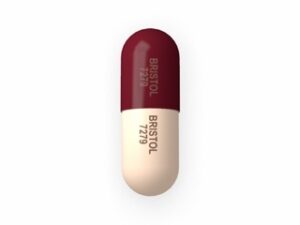


Azithromycin: Patient-Friendly Guide (UK)
Azithromycin is an antibiotic medicine used to treat certain bacterial infections. This guide explains how azithromycin works, how it behaves in the body, common uses, dosing and timing considerations, and important safety information. It is written for patients in the United Kingdom and aims to help you use your medicine safely and confidently.
Basic product information
- Active ingredient: Azithromycin
- Medicinal type: Antibiotic (macrolide)
- Common forms: Tablets, capsules, and oral suspensions (depending on brand/strength)
- How it is usually taken: By mouth
- Where it is used: Various infections caused by susceptible bacteria
Different brands and strengths may exist. Always check your specific product label for the exact strength and dosing instructions.
How azithromycin works (mechanism of action)
Azithromycin belongs to the macrolide antibiotic group. It works by interfering with bacterial protein production.
- Azithromycin binds to the 50S ribosomal subunit of susceptible bacteria.
- This blocks translocation of the growing protein chain.
- As a result, bacteria cannot make essential proteins needed for growth and replication.
Depending on the bacteria and concentration achieved, azithromycin can be bacteriostatic (stopping growth) and, in some cases, bactericidal (killing bacteria).
Pharmacokinetics (how azithromycin moves through the body)
Understanding pharmacokinetics can help explain why azithromycin is often taken in a convenient schedule and why dosing is important.
| Process | What typically happens |
|---|---|
| Absorption | Azithromycin is absorbed after oral dosing. Food may affect absorption to some extent depending on the formulation, but many regimens can still be taken with normal meals (see food section for practical details). |
| Distribution | It distributes widely throughout the body, including lung tissues and other sites of infection. Concentrations inside certain immune cells can be higher than in blood. |
| Metabolism | Metabolism occurs mainly in the liver. Some metabolites may be formed, but azithromycin’s clinical effect is largely due to the parent drug. |
| Excretion | Azithromycin is cleared through a combination of bile and urinary routes. It is known for a long elimination half-life, contributing to once-daily or short-course regimens in some indications. |
| Half-life | The apparent half-life can be prolonged, helping maintain antibacterial activity after the final dose. |
Typical use in the UK
Azithromycin is used for infections caused by certain bacteria that are susceptible to macrolides. It may be considered when:
- an infection is likely bacterial (based on symptoms and clinical assessment)
- the pathogen is susceptible
- there are reasons other antibiotics may be unsuitable for the individual
- the infection is in a location where azithromycin reaches adequate concentrations
Examples of conditions where it may be used include (depending on local guidance, susceptibility patterns, and patient factors):
- Respiratory tract infections in selected cases
- Ear, nose, and throat infections in selected cases
- Skin and soft tissue infections in selected cases
- Sexually transmitted infections caused by susceptible organisms, when appropriate
- Other bacterial infections when clinically indicated
Antibiotic choice depends on infection type, severity, allergies, pregnancy status, and resistance patterns. If you are unsure whether your symptoms need antibiotics, seek medical advice.
Timing: when to take azithromycin
Many azithromycin regimens are taken once daily. The exact schedule varies by the indication and product strength.
- Take at the same time each day to help you remember and keep consistent levels.
- Complete the course even if you feel better, unless a clinician advises you to stop.
- If you miss a dose, follow the instructions on your label (or advice given when you received the medicine). Generally, do not take a double dose.
If you are using a suspension, shake well if required and measure carefully using the provided oral syringe/measure.
Food interactions and how to take with meals
Food can affect how much azithromycin is absorbed and how quickly it reaches peak levels.
- General advice: Follow the instructions on your medicine label or the advice provided by your pharmacist.
- If the label says “with or without food”: you can usually take it either way; choose a routine that is easier to maintain.
- If the label advises taking with food: taking it with a meal can improve tolerance for some people (e.g., reducing nausea).
If you experience stomach upset, mild supportive steps (such as taking the medicine with a small snack, staying hydrated, and avoiding large greasy meals) may help—unless your label advises otherwise.
Alcohol and medicine interactions
Alcohol
Azithromycin is not typically known for a direct, dangerous interaction with alcohol. However, drinking alcohol may worsen side effects such as:
- nausea
- dizziness
- stomach upset
For best results and comfort, it’s generally recommended to limit or avoid alcohol while you are unwell and taking antibiotics.
Medicine interactions (important)
Many medicines can interact with azithromycin, mainly through effects on the liver or heart rhythm (QT interval) or through effects on other medicines’ levels.
Tell your pharmacist or healthcare professional if you take any of the following (this is not an exhaustive list):
- Medicines that can affect heart rhythm (QT prolongation), such as some antiarrhythmics and certain antipsychotics/antidepressants.
- Warfarin and other blood thinners: antibiotics can increase bleeding risk in some people. Monitoring may be needed.
- Antacids containing aluminium or magnesium may reduce absorption if taken too close together; spacing may be recommended.
- Some cholesterol-lowering medicines (statins): combining may raise the risk of muscle-related side effects in some circumstances.
- Digoxin: azithromycin may increase digoxin levels in some people.
- Oral diabetes medicines (e.g., repaglinide) and other medicines metabolised via similar pathways: levels may change.
If you want, you can ask your pharmacist to check your medicine list for interactions.
Indications (when azithromycin may be used)
“Indication” means the reason a medicine is used. Azithromycin is used for infections caused by susceptible bacteria. The exact decision depends on:
- the site of infection (throat, lungs, skin, etc.)
- how severe the illness is
- local resistance patterns and clinical guidelines
- allergies and other individual risk factors
In the UK, clinicians follow antimicrobial stewardship principles to help preserve antibiotic effectiveness. That means azithromycin may not be the first choice for every infection, even if symptoms sound similar.
Dosing (general information)
Azithromycin dosing depends on the type of infection, patient age/weight, and the specific product formulation. Always follow the dose on your medicine label.
Typical dosing schedules (examples)
The following are general examples often used for azithromycin regimens. Your exact schedule may differ. Refer to your product label for the correct instructions.
- Short course regimens are common, sometimes taken once daily for a few days.
- Longer regimens may be used in specific indications, sometimes with a different schedule.
- Children and lower body weight often use weight-based dosing for oral suspension.
If you are unsure how many tablets/which dose strength to take, do not guess—check the packaging or ask your pharmacist.
How to take
- Swallow tablets/capsules whole with water.
- For suspension: shake if required; measure accurately; take straight after measuring.
- If you vomit soon after taking a dose, ask a pharmacist for advice on whether to repeat the dose.
Safety profile: side effects and when to seek help
Common side effects
Most people tolerate azithromycin well. Common side effects are usually mild to moderate and may include:
- nausea
- diarrhoea
- abdominal (stomach) discomfort
- headache
- taste changes
Less common but important risks
- Allergic reactions (rare): rash, itching, swelling of lips/face, breathing difficulties.
- Severe diarrhoea: watery or bloody diarrhoea, especially with fever or severe abdominal pain, can indicate a serious bowel reaction.
- Liver problems (rare): yellowing of skin/eyes, dark urine, severe fatigue.
- Heart rhythm changes (rare but important): palpitations, fainting, or severe dizziness—particularly if you have existing heart rhythm problems or take QT-prolonging medicines.
Urgent advice
Seek urgent medical attention if you experience any signs of:
- severe allergic reaction (trouble breathing, swelling, collapse)
- signs of severe infection worsening rapidly
- persistent vomiting preventing you from keeping fluids or medicine down
- severe dehydration (e.g., very dry mouth, reduced urination, marked weakness)
- fainting or significant abnormal heartbeats
Practical use tips for best results
- Start on time: take your first dose as advised and maintain the schedule.
- Don’t skip doses: skipping can reduce effectiveness and increase the chance of treatment failure.
- Complete the course: even if symptoms improve, bacteria may still be present.
- Hydrate: if you get diarrhoea or nausea, drink fluids regularly (small sips can help).
- Monitor symptoms: if your condition does not start to improve within a few days, contact a clinician or pharmacist.
- Check your medicine list: ask about interactions, especially if you take warfarin, digoxin, antiarrhythmics, or antacids.
Alternatives to azithromycin
Alternative antibiotics may be considered depending on the type of infection, likely bacteria, allergy status, and local guidelines. Alternatives sometimes include:
- Amoxicillin or other penicillins (when suitable)
- Doxycycline (for certain infections, depending on guidance)
- Clarithromycin (another macrolide, not identical to azithromycin)
- Clindamycin (in selected infections)
- Cefalexin or other cephalosporins (when appropriate)
The “best alternative” depends on susceptibility and your individual circumstances. If you have taken azithromycin before and the infection recurred, seek professional advice before choosing a different antibiotic.
Market and legal context in the UK
In the United Kingdom, antibiotics are regulated medicines. Azithromycin availability may depend on product classification and prescribing/dispensing requirements under UK medicines legislation.
Pharmacies and prescribers in the UK follow antimicrobial stewardship to reduce unnecessary antibiotic use and help combat antibiotic resistance. This is why clinicians consider:
- whether bacterial infection is likely
- whether a watch-and-wait approach is appropriate
- local guidance on first-line treatments
- past antibiotic history and allergy status
Online pharmacies in the UK typically ensure medicines are supplied legally and safely in line with the relevant requirements for dispensing and patient information.
Recent guidance and stewardship notes (UK)
UK guidance emphasises appropriate antibiotic selection and duration, with attention to resistance patterns. In general:
- Antibiotics should be used for confirmed or strongly suspected bacterial infections.
- When antibiotics are needed, clinicians often choose options that are more targeted or recommended as first-line for the specific infection.
- Repeated or unnecessary use can contribute to resistance and may increase risk of side effects.
- Symptoms that worsen or do not improve should be reviewed to confirm diagnosis and reconsider treatment.
This information supports safe use and should be read alongside the specific advice for your infection.
Delivery and availability (online pharmacy)
Availability of azithromycin may vary by strength, pack size, and formulation. When ordering from an online pharmacy in the UK, you should generally expect:
- Availability checks based on stock and supplier lead times.
- Delivery options that may vary by location and courier service.
- Packaging designed to protect medication during transit.
- Clear product information on strength, form (tablet/capsule/suspension), and directions.
Delivery times depend on the service level offered by the pharmacy and current logistics. If you need medicine urgently, check estimated dispatch and delivery windows before placing an order.
Storage and handling
- Keep medicines out of the sight and reach of children.
- Store according to label instructions (commonly at room temperature).
- For suspensions, check whether refrigeration is required once prepared (if applicable) and follow expiry/discard guidance.
- Do not use after the expiry date printed on the pack.
FAQ
1) What is azithromycin used for?
Azithromycin is used to treat certain bacterial infections where the bacteria are susceptible. It is commonly considered for some respiratory, ear/nose/throat, skin, and other infections depending on clinical assessment and local guidance.
2) How quickly should I feel better?
Many infections start to improve within a few days of appropriate antibiotic treatment. If you feel significantly worse, or you do not improve after a reasonable period (often a few days, depending on the infection), seek advice from a clinician or pharmacist.
3) Can I take azithromycin with food?
Many people can take azithromycin with or without food, but this depends on the product and the instructions on the label. If you get stomach upset, taking it with a meal or a light snack may help—unless your label says otherwise.
4) What if I miss a dose?
Follow the advice on your label. In general, do not take a double dose to make up for a missed one. If you are unsure, ask your pharmacist for guidance based on your dosing schedule.
5) Is it safe to drink alcohol while taking azithromycin?
There is usually no direct dangerous interaction, but alcohol can worsen side effects such as nausea and dizziness and can make it harder to recover. Limiting or avoiding alcohol is a sensible choice while you are unwell.
6) What are the warning signs that I should stop and seek help?
Seek urgent medical attention for signs of severe allergy (difficulty breathing, swelling), severe or bloody diarrhoea, yellowing of the skin/eyes, fainting/palpitations, or severe dizziness.
7) Who should take extra care with azithromycin?
Extra care may be needed if you have:
- a history of heart rhythm problems or prolonged QT interval
- significant liver disease
- myasthenia gravis
- known allergies to macrolide antibiotics
- you take medicines known to interact with azithromycin
8) Are there alternatives if azithromycin doesn’t suit me?
Yes. Depending on your infection and medical history, a clinician may consider other antibiotics. The alternative depends on the likely bacteria and your allergy/interactions.
Important: This page provides general patient information. For personalised advice about your specific situation—especially dose, timing, and interactions—please follow the instructions provided with your medicine and consult a pharmacist if you are unsure.