
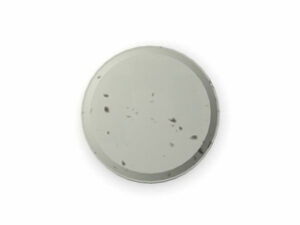
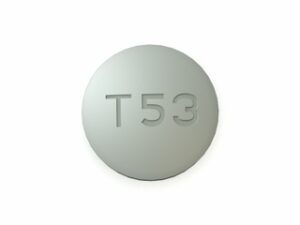
Carbamazepine (UK) — Patient Information
Carbamazepine is a medicine used mainly to treat certain types of epilepsy and nerve-related pain conditions. It belongs to a group of medicines called antiepileptics (anti-seizure medicines) and also helps calm abnormal electrical activity in the nervous system.
This page explains how carbamazepine works, how it’s typically used, important safety information, and practical tips for taking it safely in the United Kingdom.
Key product information
| Category | Details |
|---|---|
| Generic name | Carbamazepine |
| Common uses | Epilepsy; trigeminal neuralgia; certain nerve pain conditions (under clinician guidance) |
| Medicinal form | Tablets and other formulations depending on brand/product; some are modified release |
| How it works | Stabilises nerve cell activity and reduces abnormal firing |
| Typical dosing style | Often started low and increased gradually; split dosing is common for immediate-release forms |
| Important checks | Blood tests may be needed (e.g., full blood count, liver function), plus monitoring of sodium and drug levels in some cases |
How carbamazepine works (mechanism of action)
Carbamazepine helps control symptoms by affecting how nerve cells send electrical signals.
- Blocks voltage-gated sodium channels in nerve cell membranes, which helps reduce repetitive firing.
- May also affect neurotransmitter release and neuronal signalling, contributing to seizure control and relief of certain nerve pain.
In practical terms, carbamazepine can:
- Reduce the likelihood of seizures in people with epilepsy.
- Reduce painful nerve signals in conditions such as trigeminal neuralgia.
Pharmacokinetics: what the body does with carbamazepine
Pharmacokinetics describes how a medicine is absorbed, distributed, metabolised, and eliminated.
- Absorption: Carbamazepine is absorbed from the gut after oral dosing. Food may influence the speed but not always the total amount absorbed.
- Distribution: It distributes into body tissues and can cross into the brain and other compartments.
- Metabolism: Mainly metabolised by the liver via enzymes (notably CYP3A4). It can also induce its own metabolism over time (so levels may change as treatment continues).
- Elimination: Excreted mostly as metabolites (with some unchanged drug), primarily via the kidneys.
- Half-life: The time it takes for the body level to reduce by half can vary; it may be shorter during long-term treatment because of enzyme induction.
Why this matters: Because carbamazepine is metabolised by liver enzymes and can affect enzyme activity, it has significant interactions with other medicines and may require careful monitoring when starting, stopping, or changing doses.
Typical indications and uses in the UK
Carbamazepine is used for a variety of conditions, including:
- Epilepsy, particularly focal (partial) seizures and certain types of mixed seizure disorders (as appropriate for the person’s diagnosis).
- Trigeminal neuralgia (a condition causing severe facial pain related to the trigeminal nerve).
- Other nerve pain conditions in selected circumstances, depending on clinical assessment and local guidance.
Important note: The exact suitability of carbamazepine depends on your diagnosis, medical history, and other treatments. Your clinician may choose an alternative if you have specific risk factors (for example certain blood disorders, liver disease, or a history of serious allergic reactions to related medicines).
Timing and how to take carbamazepine
How you take carbamazepine depends on the formulation (immediate-release vs modified release) and your prescribed schedule.
General timing guidance
- Follow your dosing schedule consistently (same times each day) to keep blood levels steadier.
- If you take immediate-release tablets, doses are often split across the day.
- If you take a modified-release formulation, it may be taken less frequently and should be taken according to the product instructions.
Missing a dose
- If you miss a dose, take it when you remember unless it’s close to the next dose.
- Do not take a double dose to make up for the missed one.
- If you frequently miss doses, speak to a healthcare professional for personalised advice.
Swallowing and administration
- Swallow tablets with water.
- Do not crush or split modified-release tablets unless the product guidance allows it.
- If you have difficulty swallowing, ask a pharmacist about options (for example alternative formulations).
Food interactions
Carbamazepine can be taken with or without food, but food can affect how quickly it reaches peak levels.
- Taking it with food may reduce stomach upset for some people.
- Consistency is important: try to take your dose the same way each day (with or without food) unless advised otherwise.
If you notice new nausea, vomiting, dizziness, or unusual sleepiness after starting or changing a dose, seek advice promptly, as these may relate to increased drug levels or interactions.
Alcohol and medicine interactions
Alcohol
Alcohol can increase the risk of side effects with carbamazepine, particularly:
- Drowsiness, dizziness, and impaired coordination
- Reduced reaction time (increasing risk of falls or accidents)
Advice: It’s usually best to avoid or minimise alcohol. If you do drink, keep to low amounts and see how you respond—especially during dose changes.
Medicine interactions
Carbamazepine has a strong interaction profile because it:
- Is metabolised by liver enzymes (mainly CYP3A4).
- Can induce enzymes, which may reduce the effectiveness of some other medicines.
Common types of interacting medicines include:
- Other anti-epileptic medicines (the dose and levels of one or both may change).
- Antibiotics (some can increase carbamazepine levels; others can reduce them).
- Antifungals (can affect liver metabolism and drug levels).
- Antidepressants and antipsychotics (interaction risk varies; some can raise levels or increase side effects).
- Oral contraceptives (carbamazepine can reduce effectiveness by enzyme induction).
- Anticoagulants and antiplatelet medicines (interaction risk; monitoring may be required).
- Other drugs that affect the liver (risk of altered levels and toxicity).
Always check: Tell your pharmacist or clinician about all medicines you take, including over-the-counter products, herbal remedies, and supplements. Some “natural” products can still interact with carbamazepine.
Dosing: typical approach and what to expect
Carbamazepine dosing is individual. The safest approach is often a gradual titration—starting low and increasing until symptoms are controlled and side effects are acceptable.
Typical dosing principles
- Start low and increase slowly to reduce early side effects (such as dizziness or nausea).
- Doses may be divided across the day for immediate-release formulations.
- Clinicians may consider blood level monitoring in some situations (for example, side effects, adherence concerns, drug interactions, pregnancy, or difficult-to-control seizures).
- Your treatment plan may adjust if you switch formulation (immediate-release to modified-release, or vice versa).
Conventional range (general information)
For patient understanding, carbamazepine doses vary widely between individuals. The exact dose for you will be based on your condition, response, and tolerance.
Because dosing is highly personalised, it’s best to follow the dose on your product label and clinician’s instructions rather than rely on generic ranges.
If you’re unsure: Ask your pharmacist to explain how your specific tablet strengths and timing add up to your prescribed daily dose.
Safety profile: important risks and side effects
Like all medicines, carbamazepine can cause side effects. Many people experience mild effects early on that improve as the body adjusts. However, some reactions can be serious.
Common side effects
- Dizziness or feeling unsteady
- Drowsiness, fatigue
- Nausea or stomach upset
- Headache
- Blurred or double vision
Less common but important effects
- Low sodium (hyponatraemia): may cause headache, confusion, weakness, or worsening fatigue.
- Changes to blood counts (e.g., reduced white blood cells or anaemia).
- Changes to liver function.
Serious reactions — seek urgent medical help
Carbamazepine can, rarely, cause severe allergic or skin reactions. Get urgent medical attention if you develop:
- Signs of serious rash (especially if spreading, blistering, or involving the mouth/eyes)
- Fever, sore throat, or feeling very unwell with rash
- Swelling of the face or lips, breathing difficulties
- Unexplained bruising or persistent infection (could indicate blood problems)
Important: Do not “wait and see” if symptoms suggest a severe reaction.
Risk factors and precautions
Your prescriber may take extra care if you have:
- History of abnormal blood counts
- Liver disease
- A history of serious allergic reactions to carbamazepine or related medicines
- Known genetic risk factors for severe skin reactions (in some populations, specialised testing may be considered)
Practical use tips for everyday life
- Keep a routine: Take your dose at consistent times. Setting alarms can help.
- Be cautious when driving or operating machinery at the start of treatment or after dose changes (dizziness and sleepiness can occur).
- Avoid abrupt changes: Don’t stop carbamazepine suddenly unless instructed by a clinician—this can increase seizure risk.
- Hydration: If you’ve had low sodium before or symptoms suggesting it (headache, confusion), contact a healthcare professional.
- Track side effects: If you notice vision changes, marked drowsiness, or unsteadiness, record when it happens and how severe it is.
- Check interactions: Before starting new medicines (including antibiotics, antifungals, and over-the-counter cold/flu products), ask a pharmacist.
Alternative options
If carbamazepine isn’t suitable (for example due to side effects, interactions, or lack of control), there are alternative treatments depending on the condition being treated.
For epilepsy
- Other anti-epileptic medicines may be used depending on seizure type (examples include lamotrigine, levetiracetam, valproate, and others—choice depends on individual factors).
For trigeminal neuralgia
- Other medicines sometimes considered include alternatives such as oxcarbazepine, depending on suitability and local practice.
For nerve pain more broadly: Some clinicians may choose other neuropathic pain treatments depending on diagnosis, co-existing conditions, and side effect risk.
If you’re considering switching, seek personalised advice; switching anti-epileptic medicines typically requires careful planning to reduce risk.
Carbamazepine in the UK: market and legal context
In the United Kingdom, carbamazepine is an established medicine used for epilepsy and certain pain conditions. It is provided through the NHS and also through private healthcare routes where appropriate.
UK medicines are regulated by the Medicines and Healthcare products Regulatory Agency (MHRA). Pharmacy supply is governed by UK medicines legislation and safe dispensing practices.
What this means for you:
- Carbamazepine supply is subject to standard UK pharmacy checks, including identity and safety screening.
- Because carbamazepine has an interaction profile and can cause serious reactions in rare cases, pharmacists may ask additional questions to improve safety.
- When medicines are changed, you may be asked to confirm your current dose and any recent medication updates.
Recent guidance and monitoring (UK-relevant)
While individual advice can vary, UK healthcare practice emphasises safety monitoring for carbamazepine, especially during initiation and dose changes. Clinicians may monitor:
- Blood tests (including full blood count and liver function), particularly early in treatment and where risk factors exist.
- Sodium levels if there are symptoms suggestive of hyponatraemia or if you are at increased risk.
- Drug interactions when starting or stopping other medicines.
- Skin and general wellbeing for signs of serious rash or hypersensitivity, especially during the first weeks.
If you’re advised to have monitoring tests, try to attend them at the recommended times. If you develop new symptoms, don’t wait for routine monitoring to ask for advice.
Delivery and availability (UK online pharmacy)
Carbamazepine is generally available in the UK through pharmacies and pharmacy supply channels. Availability can depend on:
- Strength and formulation (immediate-release vs modified-release)
- Brand/product supply status
- Supply chain demand
Delivery: Many UK pharmacies offer home delivery within typical service timeframes. Delivery options, costs, and cut-off times vary by provider.
What you can do to avoid delays:
- Ensure your delivery address is correct and includes any required details.
- If someone else may be receiving parcels at your address, confirm your delivery preferences.
- Keep an eye on order confirmation messages and tracking updates.
Storage: Keep tablets in their original packaging, away from moisture and excessive heat. Store out of sight and reach of children.
FAQ: Carbamazepine
1) How long does carbamazepine take to work?
Some benefits may be noticed within days, but full effect—especially for seizure control—can take longer and often requires dose titration. Nerve pain relief may also improve gradually. Individual response varies.
2) Can I drink alcohol while taking carbamazepine?
It’s generally recommended to avoid or minimise alcohol because it can increase drowsiness, dizziness, and impaired coordination. If you do drink, keep it minimal and be extra careful.
3) What should I do if I forget a dose?
Take it when you remember unless it’s close to the next dose. Do not double up. If you’re unsure, contact a pharmacist for advice.
4) Are there foods I should avoid?
There are no specific “forbidden” foods for carbamazepine, but consistent timing with/without food is helpful. If food makes you nauseous, consider taking with a meal.
5) Can carbamazepine interact with the contraceptive pill?
Yes. Carbamazepine can reduce the effectiveness of hormonal contraceptives (including the combined oral contraceptive pill) by enzyme induction. Discuss reliable contraception options with a healthcare professional.
6) Why do blood tests matter for carbamazepine?
Carbamazepine can affect blood counts and liver function, and it can lower sodium in some people. Monitoring helps identify problems early.
7) What are the warning signs of a serious skin reaction?
Seek urgent medical help for rash with blistering, peeling, sores in the mouth/eyes, fever, or feeling very unwell—especially during early treatment.
8) Can I stop carbamazepine suddenly?
Stopping abruptly may increase seizure risk and can cause withdrawal-type effects. Any changes should be planned with healthcare guidance.
9) Is carbamazepine safe for everyone?
Carbamazepine is not suitable for everyone. Safety depends on your medical history, other medicines, and your risk factors for serious reactions. A clinician and pharmacist can assess suitability.
10) What should I do if I feel very dizzy or extremely sleepy?
These may be signs of increased drug levels or side effects. Avoid driving and seek advice from a pharmacist or clinician promptly, especially if symptoms are new or worsening.
Important safety reminder
If you experience severe side effects, symptoms of allergy (especially rash), or signs that concern you, seek medical advice urgently. Always inform healthcare professionals about all medicines you take, including over-the-counter products and herbal remedies.
For personalised guidance about carbamazepine—such as the best time to take your dose, how to manage missed doses, or which interactions to watch for—speak to a pharmacist or your healthcare team.