
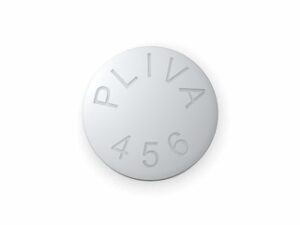

Etodolac (EtoDolac) – Patient-Friendly Guide (UK)
Etodolac is a non-steroidal anti-inflammatory drug (NSAID) used to relieve pain and inflammation. In the UK, etodolac is commonly prescribed for certain long-term painful conditions and flare-ups where reducing inflammation is important. This page explains how etodolac works, how it’s taken, key safety points, interactions, and what to expect during treatment.
Important: Always follow the advice of your healthcare professional and the instructions on your medicine label. Information below is for general guidance and may not replace personalised recommendations.
Quick Overview
| Topic | What you should know |
|---|---|
| Medicine type | NSAID (anti-inflammatory pain reliever) |
| Common reasons for use | Inflammatory joint conditions (e.g., arthritis) and pain with swelling |
| How it works | Reduces inflammatory chemicals (prostaglandins) by inhibiting COX enzymes |
| How to take | Usually with food or after meals to reduce stomach upset |
| Common side effects | Indigestion, stomach pain, nausea; dizziness in some people |
| Key risks | Stomach/intestinal irritation or bleeding, kidney effects, cardiovascular risk in some patients |
| Interactions | Other NSAIDs, blood thinners, corticosteroids, some blood pressure tablets, diuretics, lithium, methotrexate |
Basic Product Information
Active ingredient: Etodolac
Medicine class: NSAID (non-steroidal anti-inflammatory drug)
Common strengths/forms: Available in different strengths depending on local supply; tablets are typical. Your specific product may be immediate release or modified release, which affects dosing timing.
Who it is for: Adults who have been advised by a clinician to manage inflammatory pain, particularly where anti-inflammatory effects are needed.
How Etodolac Works (Mechanism of Action)
Etodolac belongs to the NSAID family. NSAIDs work mainly by reducing the production of prostaglandins, which are chemicals involved in:
- Inflammation (swelling and redness)
- Pain (pain signalling)
- Fever (less commonly used for fever in practice)
Etodolac inhibits enzymes called cyclooxygenases (COX), which play a key role in prostaglandin formation. The practical outcome is:
- Less inflammation and swelling
- Reduced pain
- Improved mobility in painful joint conditions
Because prostaglandins also help protect the stomach lining and support kidney function, blocking them can increase risk of side effects in susceptible people.
Pharmacokinetics (Absorption, Distribution, Metabolism, Excretion)
Pharmacokinetics describes how the body handles the medicine. While exact figures may vary by formulation and individual factors, the typical pattern for etodolac is:
Absorption
Etodolac is absorbed through the gastrointestinal tract. Taking it with food can improve tolerability and may reduce stomach discomfort.
Distribution
After absorption, it circulates in the blood and can reach inflamed tissues, supporting its pain-relieving and anti-inflammatory effects.
Metabolism
Etodolac is metabolised by the liver. People with significant liver impairment should use NSAIDs with caution and only under medical guidance.
Excretion
Metabolites are eliminated primarily through the kidneys and partly via other pathways. This is why kidney function is important when using NSAIDs.
Onset and duration
Many people notice improvement in pain within hours, with clearer effects over several days. The dosing frequency depends on the specific formulation and your regimen.
Typical Uses and Indications in the UK
Etodolac is used to treat conditions where both pain and inflammation are key features. Depending on local prescribing practices and your condition, indications may include:
- Inflammatory joint disorders (such as certain types of arthritis)
- Pain with swelling where an anti-inflammatory effect is needed
- Long-term management of chronic joint pain in selected patients
Your clinician will consider factors such as your medical history, age, stomach/ulcer risk, kidney function, and cardiovascular risk before recommending etodolac.
Timing: When and How to Take Etodolac
General timing guidance
- Take at the same times each day to maintain steady pain control.
- Take with food or after a meal if your product doesn’t specify otherwise, to reduce stomach irritation.
- Follow the dosing instructions on your label or provided by your clinician.
Missed dose
If you miss a dose:
- Take it when you remember unless it’s close to the next dose.
- If it’s almost time for the next dose, skip the missed dose.
- Do not take a double dose to make up for the missed one.
Stopping
Do not stop suddenly without advice if you’re using it for an ongoing inflammatory condition. Some people may need gradual review, especially if symptoms persist or worsen.
Dosing: How Much Is Usually Taken?
Dose varies by indication, the specific formulation (immediate vs. modified release), and your individual risk factors. Your clinician’s prescription instructions should be followed exactly.
In general, dosing strategies for NSAIDs focus on:
- Using the lowest effective dose
- Using it for the shortest duration needed to control symptoms
- Reviewing the treatment regularly
Practical tip: If your pain is not improving or is worsening after a period of use, contact your healthcare professional rather than increasing the dose on your own.
Food Interactions and What to Watch
Food can affect stomach comfort more than it affects the core anti-inflammatory effect. For many people, taking etodolac with meals helps prevent indigestion, heartburn, and stomach pain.
- Take with food if you have a history of dyspepsia (indigestion) or gastric sensitivity.
- If you experience nausea or stomach burning, discuss timing adjustments with a pharmacist or clinician.
- Try to avoid taking it on an empty stomach unless your clinician has advised otherwise.
Alcohol and NSAIDs together can increase the likelihood of stomach irritation and bleeding, so caution is essential (see below).
Alcohol and Medicine Interactions
Alcohol
Combining NSAIDs such as etodolac with alcohol can increase risk of:
- Stomach lining irritation
- Gastric ulcers or gastrointestinal bleeding
- Kidney stress in some circumstances
Patient-friendly advice: If you drink alcohol, keep it moderate and consider avoiding alcohol while starting treatment or if you have any history of ulcers or reflux. Ask your pharmacist if you’re unsure.
Medicine interactions
Etodolac can interact with other medicines. Always tell a healthcare professional about all medicines you use, including over-the-counter painkillers.
Common interaction groups include:
- Other NSAIDs (e.g., ibuprofen, naproxen, diclofenac, aspirin for pain): increased risk of stomach and kidney side effects.
- Blood thinners (e.g., warfarin): increased bleeding risk.
- Antiplatelet medicines (e.g., clopidogrel): may increase bleeding risk.
- Corticosteroids (e.g., prednisolone): higher risk of stomach ulcers/bleeding.
- Selective serotonin reuptake inhibitors (SSRIs) (e.g., sertraline, citalopram): may raise GI bleeding risk.
- Blood pressure medicines including ACE inhibitors (e.g., lisinopril) and ARBs (e.g., losartan), and diuretics (e.g., furosemide): NSAIDs can affect kidney function, particularly in older adults or those who are dehydrated.
- Lithium: NSAIDs can raise lithium levels, increasing toxicity risk.
- Methotrexate: increased risk of methotrexate-related side effects if used together (monitoring may be needed).
- Cyclosporine or tacrolimus: may increase kidney-related risk.
If you take any of the medicines listed, your healthcare professional may recommend extra monitoring, dose adjustments, or gastroprotection.
Safety Profile: Side Effects and Important Warnings
Like all medicines, etodolac can cause side effects. Many people tolerate it well when used at the lowest effective dose and with food, but risks are important to understand.
Common side effects
- Indigestion, heartburn
- Nausea
- Stomach pain or discomfort
- Dizziness or headache
Less common but serious risks
Seek medical help urgently if you develop signs of serious complications:
- Gastrointestinal bleeding:
- Black, tarry stools
- Vomiting blood or material that looks like “coffee grounds”
- Severe persistent stomach pain
- Allergic reactions:
- Swelling of face/lips
- Difficulty breathing
- Severe rash or hives
- Kidney problems (watch for reduced urine output, unusual swelling, sudden weight gain, severe fatigue)
- Cardiovascular symptoms (chest pain, sudden shortness of breath, weakness on one side)
Who should be extra cautious?
Consult a healthcare professional before using etodolac if you have any of the following:
- History of stomach ulcers or GI bleeding
- Kidney disease or dehydration
- Heart disease or previous stroke
- Uncontrolled high blood pressure
- Asthma that worsens with NSAIDs
- Age over 65 (higher risk of side effects)
- Concurrent medicines that increase bleeding risk
Pregnancy and breastfeeding (general considerations)
NSAIDs are generally not recommended in later pregnancy. If you are pregnant, trying to conceive, or breastfeeding, discuss with a clinician before use.
Practical Use Tips (Getting the Best and Safest Results)
- Use the lowest effective dose: If symptoms improve, ask whether dose reduction is appropriate.
- Protect your stomach: Take with food and avoid taking other NSAIDs simultaneously.
- Stay hydrated: Dehydration can increase kidney-related risks.
- Monitor symptoms: If pain control is not adequate, don’t simply increase the dose—seek advice.
- Keep track of side effects: Indigestion, unusual bruising, black stools, or decreased urination should be discussed promptly.
- Avoid “double pain relief” by accident: Many cold/flu products contain NSAIDs or aspirin-like components.
When to Seek Urgent Medical Advice
Contact urgent medical care or emergency services if you experience:
- Signs of severe allergic reaction (facial swelling, breathing difficulty)
- Vomiting blood or black/tarry stools
- Severe stomach pain that doesn’t settle
- Sudden chest pain, severe shortness of breath, or signs of stroke
- Very reduced urination or signs of significant kidney trouble
Alternative Options (Depending on Your Condition)
Depending on your symptoms and medical history, healthcare professionals may consider alternative treatments. Options can include:
Other NSAIDs
Some people may be switched to another NSAID with different tolerability. However, you should not take two NSAIDs together unless specifically instructed.
Non-NSAID pain relief
- Paracetamol (acetaminophen): can help with pain relief, though it has less anti-inflammatory effect than NSAIDs.
- Topical anti-inflammatories (for suitable joint areas): may reduce systemic exposure and can be useful for localised pain.
Supportive and long-term measures
- Physiotherapy and targeted exercise programmes
- Weight management (if appropriate)
- Heat/cold therapy
- For certain inflammatory diseases, disease-modifying therapies may be considered by specialists
Your clinician can advise which alternative fits your diagnosis, severity, and risk profile.
Market and Legal Context in the United Kingdom
In the UK, the availability of medicines is regulated by the Medicines and Healthcare products Regulatory Agency (MHRA) and overseen through established legal frameworks. NSAIDs such as etodolac are subject to prescribing and pharmacy supply rules and must be supplied in line with UK medicines legislation and clinical governance standards.
Supply arrangements can vary by product type and strength, and may be subject to:
- Prescription requirements for some strengths/products
- Pharmacist review of suitability based on patient history and medicines used
- Clear labelling and patient information about risks and correct use
For the most accurate current status for a specific etodolac brand, form, and strength, refer to the product packaging or UK pharmacy information systems.
Recent Guidance and Safety Messages (General UK Context)
UK healthcare organisations and regulators consistently emphasise several points for NSAID safety:
- Risk assessment: consider stomach, kidney, and cardiovascular risk before and during treatment.
- Lowest effective dose: use the minimum needed to achieve symptom control.
- Avoid combining NSAIDs: don’t take multiple NSAIDs together.
- Monitor for adverse effects: particularly in older adults and those with comorbidities.
- Recognise warning signs: GI bleeding and severe allergic reactions require urgent attention.
Because guidance can be updated, it’s wise to check with your pharmacist or clinician if you are starting NSAID treatment or if your health status has changed.
Delivery and Availability (Online Pharmacy UK)
Availability depends on stock levels and the specific etodolac presentation you’re ordering. Reputable online pharmacies typically offer:
- Clear product details: strength, formulation, and pack size
- Delivery options: standard and sometimes expedited delivery (varies by supplier and location)
- Cold chain not typically required for etodolac tablets
- Secure packaging and discreet delivery
Delivery times: Most UK deliveries are processed quickly once dispatched. Exact timelines depend on your postcode, courier service, and stock availability.
Availability alerts: If a particular strength is out of stock, some pharmacies may offer notifications or alternatives.
FAQ: Etodolac (UK)
1) What is etodolac used for?
Etodolac is an NSAID used to relieve pain and inflammation, often for inflammatory joint conditions. It may be used for long-term symptom management in selected patients.
2) How quickly does etodolac start working?
Many people feel some pain relief within hours. Full benefit for inflammation and mobility may take several days, depending on the condition and dose.
3) Should I take etodolac with food?
Often, yes. Taking NSAIDs with food or after a meal can help reduce indigestion and stomach discomfort. Follow your label instructions.
4) Can I take ibuprofen or naproxen with etodolac?
Generally, it’s best to avoid combining NSAIDs unless a clinician specifically advises otherwise. Taking multiple NSAIDs increases the risk of stomach bleeding and kidney problems.
5) What should I do if I miss a dose?
Take it when you remember unless it’s almost time for the next dose. Don’t take a double dose to compensate.
6) Are there foods I should avoid?
There are no specific universal foods that must be avoided, but alcohol should be limited. A regular meal schedule and hydration can improve tolerability.
7) Can I drink alcohol while taking etodolac?
It’s recommended to be cautious. Alcohol can increase the risk of stomach irritation and bleeding when combined with NSAIDs. If you choose to drink, keep it minimal and avoid alcohol if you’ve had ulcers or significant indigestion.
8) What are the most important side effects to watch for?
Watch for stomach bleeding signs (black stools, vomiting blood), severe allergic reactions, reduced urination, and symptoms such as chest pain or sudden breathlessness. Seek urgent medical help if these occur.
9) Who should not take etodolac?
People with certain medical histories (e.g., previous NSAID-related allergic reactions, active or recent stomach bleeding, significant kidney problems) should not use NSAIDs without specialist advice. Your pharmacist or clinician can check your suitability.
10) What alternatives are available if etodolac doesn’t suit me?
Alternatives can include other NSAIDs, paracetamol, topical therapies, physiotherapy, or other treatments depending on the diagnosis. Discuss options with your healthcare professional.
Summary
Etodolac is an NSAID designed to reduce both pain and inflammation for conditions such as inflammatory arthritis. It works by lowering prostaglandins through COX inhibition, which helps relieve symptoms but can also increase risks—especially for the stomach, kidneys, and (in some patients) the cardiovascular system. For safer use, take it with food, avoid combining with other NSAIDs, review interactions with your current medicines, and seek urgent help if you experience warning signs such as black stools, severe stomach pain, or allergic symptoms.
If you have questions about whether etodolac is suitable for your health situation, speak to a pharmacist or clinician before starting or continuing treatment.