

Mysoline (Primidone) — Patient Information (UK)
Mysoline contains primidone, an anti-epileptic medicine used in the management of certain types of seizures. This page explains what Mysoline is, how it works, typical uses, how to take it safely, and what to consider in daily life.
If you are unsure about your dose or how to start treatment, always follow the advice given to you by your healthcare professional. This information is designed to be patient-friendly and to help you understand your medicine.
Basic product information
| Category | Details |
|---|---|
| Medicine name | Mysoline |
| Active ingredient | Primidone |
| Therapeutic class | Anti-epileptic (antiepileptic/anti-seizure) medicine |
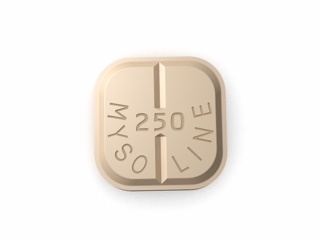
| Common forms | Oral tablets (strengths may vary by product) |
| How it is taken | By mouth |
| Regulatory setting (UK) | Medicinal product authorised for use in the UK |
Availability, brand names, and specific tablet strengths can vary. Your pharmacist can confirm exactly what you have ordered or what is available locally.
What is primidone and how does Mysoline work?
Primidone is an anti-epileptic medicine that helps to reduce abnormal electrical activity in the brain. It is metabolised in the body partly into a related active compound (phenobarbital), which contributes to its seizure-controlling effects.
Mechanism of action (how it works):
- Enhances inhibitory signalling in the brain (promotes “braking” effects that limit excessive firing of nerve cells).
- Reduces neuronal excitability, helping prevent seizure activity from spreading or building up.
- Its breakdown products, including phenobarbital, also help contribute to the overall anti-seizure effect.
Importantly, antiseizure medicines are not immediate “rescue” treatments; they are intended to reduce the frequency and severity of seizures over time.
Pharmacokinetics (how the body handles Mysoline)
The behaviour of primidone in the body can be summarised in practical terms for patients:
- Absorption: Primidone is absorbed after oral dosing.
- Distribution: It reaches tissues throughout the body and can cross into the brain where it helps control seizure activity.
- Metabolism: It is metabolised in the liver.
- Active metabolite: Primidone is converted partly to phenobarbital, which has its own pharmacological activity.
- Elimination: The medicine and its metabolites are mainly removed by the kidneys (through urine).
Why this matters: steady control often requires consistent daily dosing, and dosage changes may take time to show full effect. Because of metabolism and active metabolites, side effects may also change gradually after dose adjustments.
Typical uses (indications) in adults and children
Mysoline (primidone) is used for epilepsy and other seizure disorders. Exact suitability depends on seizure type, age, other medicines, and individual medical history.
Commonly, primidone may be used as:
- Adjunctive therapy for seizure control (used alongside other anti-epileptic medicines).
- Alternative or add-on option in some people when other treatments are not suitable.
In addition to epilepsy, primidone has historically been used for specific conditions such as essential tremor in some clinical contexts, though prescribing depends on local practice and the individual’s situation.
Your doctor will decide what is appropriate for you based on the diagnosis and what has worked (or not worked) previously.
When and how to take Mysoline (timing and routine)
Mysoline is taken by mouth, typically once or more times daily depending on your prescribed schedule. To maintain steadier blood levels, follow your dosing timetable carefully.
- Take at the same times each day as much as possible.
- Do not miss doses—if you do miss one, follow the guidance given to you by your pharmacist or prescriber.
- Do not stop suddenly without medical advice, as this can increase the risk of seizures.
Starting doses and titration: many people begin with a low dose and increase gradually to reduce side effects such as drowsiness and dizziness. A gradual increase also helps your body adapt.
Food interactions and taking with meals
For many patients, primidone can be taken with or without food. However, food may affect how quickly you feel the effects or how your stomach tolerates the tablet.
- If you get nausea, dizziness, or stomach upset, taking Mysoline with food may help.
- Try to keep your routine consistent (for example, always take it after a meal), unless your healthcare professional advises otherwise.
If you have been told to take it a certain way, follow that instruction. Always check the leaflet that comes with your medicine for the most accurate guidance for the specific product.
Alcohol and medicine interactions
Alcohol
Alcohol should be avoided or kept to an absolute minimum. Alcohol can increase side effects such as:
- Drowsiness and slowed reaction time
- Dizziness
- Impaired coordination
Combining alcohol with primidone can also increase the risk of accidents, especially when driving or operating machinery. If you drink, discuss safe limits with your healthcare professional.
Important interactions (examples)
Primidone can interact with other medicines, including those that affect the liver enzymes involved in drug metabolism. Some medicines may increase primidone levels (raising side effect risk), while others may reduce its effectiveness (increasing seizure risk).
Tell your pharmacist or healthcare professional about all medicines you take, including:
- Other anti-epileptic medicines
- Medicines for anxiety, sleep, or pain (especially sedatives/opioids)
- Some antidepressants and antipsychotics
- Hormonal treatments and contraceptives (interaction risk may apply with some enzyme effects)
- Medicines for fungal infections or other serious infections
- Herbal supplements (for example, St John’s Wort) — these may affect levels of anti-epileptic medicines
If you start, stop, or change any medicine, ask whether there is an interaction risk with primidone.
Dosing: how much Mysoline is usually taken?
Dosage varies widely by age, seizure type, response, and tolerance. Your healthcare professional will individualise the regimen and adjust it gradually.
General dosing approach:
- Begin low and increase gradually (“titration”).
- The total daily dose is then adjusted to achieve seizure control with the fewest side effects.
- Some people require splitting doses across the day to improve tolerability.
Do not adjust your dose on your own. If you feel your dose is too strong (e.g., severe sleepiness, unsteadiness) or not strong enough (e.g., ongoing seizures), seek guidance promptly.
Because exact dose ranges depend on the individual and the specific formulation strength, it is best not to guess. Your pharmacy label and the patient information leaflet that came with your medication provide the dosing schedule for your particular prescription.
Safety profile: side effects and warnings
Like all medicines, Mysoline can cause side effects. Many are more likely when starting treatment or when the dose is increased. Over time, some side effects lessen as your body adapts.
Common side effects
- Drowsiness, tiredness
- Dizziness or feeling light-headed
- Nausea and sometimes appetite changes
- Unsteadiness (particularly when doses are being adjusted)
- Blurred vision in some people
Less common but serious risks
Seek urgent medical advice if you develop symptoms that could indicate a serious reaction. These may include:
- Signs of an allergic reaction such as rash, swelling of the face/lips, wheezing, or difficulty breathing.
- Severe skin reactions (persistent rash, blistering, mouth sores, or peeling skin).
- Unusual bleeding or bruising, persistent fever, or signs of blood problems (e.g., tiredness and weakness).
- Worsening mood, unusual behaviour, or severe confusion.
- Seizure worsening or new seizure types—this can require review of the treatment plan.
Driving and safety
Because Mysoline can cause dizziness or drowsiness, it may affect your ability to drive. UK rules also relate to seizure control and medical fitness to drive. Discuss driving safety with your healthcare professional if you have seizures or experience side effects.
Withdrawal and stopping
Stopping primidone suddenly can increase the risk of seizures and withdrawal symptoms. If treatment needs to be stopped, it should generally be reduced gradually under medical supervision.
Practical use tips for day-to-day success
- Use a pill organiser or reminder system to help you take doses on time.
- Track your response: consider noting seizure frequency, triggers, and side effects.
- Be cautious with “as needed” sedatives: antihistamines that cause drowsiness, sleep aids, or pain medicines may add to sedative effects.
- Stand up slowly if dizziness occurs, especially when starting or after dose increases.
- Keep regular sleep and meals: missed sleep and irregular meals can provoke seizures in some people.
- Medical reviews matter: periodic follow-up helps ensure dose and monitoring are appropriate.
Alternative options
If Mysoline is not suitable or is causing problems, there are other anti-epileptic medicines available in the UK. The best alternative depends on seizure type, age, medical history, and how you respond.
Examples of alternative anti-epileptic medicines (not exhaustive):
- Levetiracetam
- Lamotrigine
- Valproate (where appropriate; specialist assessment needed due to important risks)
- Carbamazepine
- Oxcarbazepine
- Topiramate
- Gabapentin or pregabalin
For tremor-related use, other medicines may be considered depending on the cause and severity. Speak to a healthcare professional about suitable options for your condition.
UK market and legal context (patient-friendly overview)
In the UK, medicines including Mysoline are regulated to meet safety, quality, and effectiveness standards set by the Medicines and Healthcare products Regulatory Agency (MHRA). Supply through online pharmacies is governed by UK medicines legislation and relevant regulations to ensure safe handling and distribution.
Online pharmacy availability may include:
- Authorised supply channels that meet legal requirements for medicines distribution.
- Product labelling and batch/expiry information as required for medicines sold to patients.
- Pharmacist checks to support safe use and appropriate supply based on the patient’s needs.
If you have questions about whether a medicine can be supplied to you, your pharmacy will be able to explain the process and any eligibility criteria.
Recent guidance and clinical considerations (UK)
Seizure care in the UK is informed by clinical standards and specialist guidance, which may be updated over time. Key general principles commonly reflected in recent advice include:
- Individualised treatment based on seizure type, age, and comorbidities.
- Gradual titration when starting or adjusting anti-epileptic medicines to improve tolerability.
- Avoiding abrupt changes (dose changes or stopping) to reduce seizure risk.
- Attention to mental health: monitoring for mood changes or worsening behaviour.
- Managing interactions with other medicines, including supplements and over-the-counter products that may cause sedation or affect metabolism.
Your pharmacist and clinician can also advise on any UK-specific recommendations applicable to you.
Delivery and availability in the UK
We aim to make delivery straightforward and reliable for customers across the UK. Availability can vary based on stock levels and supply chain timing.
What to expect:
- Stock checks before dispatch.
- Secure packaging to help protect the tablets during transit.
- Estimated delivery times shown at checkout (these may vary by location).
- Expiry/batch information on the product packaging.
If you need the medicine urgently or have specific delivery requirements, contact customer support so we can advise on the best options available.
Safety checklist before you start (or continue) Mysoline
- Have you informed your healthcare professional about all medicines you take?
- Do you avoid or limit alcohol?
- Do you know what to do if you miss a dose?
- Have you discussed driving and safety given your seizure history and side effects?
- Are you aware of any known allergies to similar medicines?
FAQ — Mysoline (Primidone)
1) What is Mysoline used for?
Mysoline (primidone) is used to help control seizures in epilepsy and may be used in certain other conditions depending on your diagnosis. Your healthcare professional will confirm the specific reason for your treatment.
2) How long does it take to work?
Many people notice changes gradually. Because dosing is often increased slowly, full effect may take time. Consistent daily dosing is important. If seizures worsen or don’t improve, seek medical advice rather than changing your dose yourself.
3) Can I take Mysoline with food?
Often, it can be taken with or without food. If you feel sick or dizzy, taking it with a meal may improve tolerability. Follow the instructions on your product leaflet and pharmacy label.
4) What should I do if I miss a dose?
Guidance can depend on your dosing schedule and how long it has been since you missed a dose. Contact your pharmacist for advice tailored to your regimen, or refer to the patient leaflet included with your medicine.
5) Is alcohol allowed?
It is strongly advised to avoid or minimise alcohol. Alcohol can increase drowsiness and dizziness and may worsen safety risks. If you want to drink, discuss an appropriate approach with your healthcare professional.
6) Can I stop Mysoline suddenly?
No—do not stop suddenly unless a clinician tells you to. Stopping abruptly can increase seizure risk and may cause withdrawal effects. Doses are usually reduced gradually.
7) What are the common side effects?
Drowsiness, dizziness, unsteadiness, and nausea are among the more common effects, especially when starting or increasing the dose. If side effects are severe or persistent, talk to your healthcare professional.
8) Are there any medicine interactions I should know about?
Yes. Primidone can interact with other medicines, including sedatives and other anti-epileptic drugs, and may be affected by medicines that change liver enzyme activity. Tell your pharmacist about everything you take, including over-the-counter products and herbal remedies.
9) Will Mysoline affect my ability to drive or work?
It may. Drowsiness and unsteadiness can affect driving, cycling, and machine operation. UK driving fitness rules also consider seizure control. Ask your clinician if you have concerns.
10) What if Mysoline doesn’t control my seizures?
If seizures are not controlled, you may need a review of the diagnosis, dose, adherence, or alternative/add-on treatment. Do not change your dose without medical guidance.
Need further help?
If you have questions about taking Mysoline safely, possible interactions, or managing side effects, speak to your pharmacist. They can help you understand how this medicine fits with your overall treatment plan.