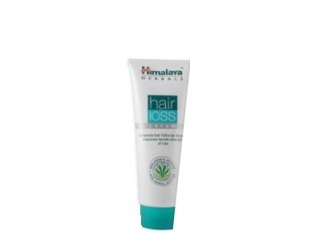

Hair Loss Cream — Patient Guide (UK Online Pharmacy)
Hair Loss Cream is a topical treatment designed to help with certain types of hair loss by supporting hair regrowth and reducing further thinning. This leaflet-style guide explains how the cream works, how to use it, what to expect, and important safety information for adults in the United Kingdom.
Note: This page provides general information about hair loss creams commonly used in the UK. Always check your specific product label for exact ingredients and instructions, as formulations and strengths can vary.
Quick Overview
| Category | Topical hair loss treatment |
|---|---|
| How it’s used | Applied to the scalp/affected areas |
| Typical application frequency | Usually once or twice daily (depending on product strength) |
| Common timeframe for results | Often 3–6 months; continuing improvement thereafter |
| Main benefit | May help stimulate regrowth and improve density in androgenetic alopecia |
| Key safety topics | Scalp irritation, unwanted effects from absorption, and interactions (rare with topical use) |
What is Hair Loss Cream?
Hair Loss Cream is a medication-based cosmetic-topical product intended for use on the scalp. It is formulated to deliver an active ingredient directly where hair follicles need support. Many hair loss creams sold in the UK are used for androgenetic alopecia (commonly called pattern hair loss), which can affect both men and women.
Depending on the product, the cream may contain an active ingredient such as:
- Minoxidil (commonly available as creams, solutions, and foams)
- Other supportive ingredients that may help improve scalp condition
To ensure the best and safest use, confirm the active ingredient and strength on your packaging.
How Hair Loss Cream Works (Mechanism of Action)
If your product contains minoxidil (a common active ingredient in hair loss creams), it helps treat pattern hair loss by:
- Increasing blood flow to hair follicles, which supports the growth phase.
- Prolonging the growth (anagen) phase of the hair cycle.
- Stimulating hair follicles so that thinner, miniaturised hairs may become thicker over time.
Hair follicles respond gradually. This is why results are typically not immediate and need consistent application.
Pharmacokinetics (Absorption & How the Body Handles It)
Topical hair loss creams are designed to act locally on the scalp, but small amounts may be absorbed through the skin.
- Absorption: Absorption varies based on factors such as the condition of the scalp (e.g., irritation or broken skin), how much is applied, and whether the area is covered.
- Distribution: After absorption, the active substance may distribute in the body, though levels from proper topical use are generally much lower than oral therapy.
- Metabolism & elimination: The absorbed portion is typically processed by the body and eliminated primarily via normal bodily pathways (e.g., kidneys).
Practical takeaway: While systemic exposure is generally low with correct use, you should follow dosing instructions carefully and avoid applying more than recommended.
Indications: When Hair Loss Cream is Used
Hair Loss Cream is generally used for:
- Androgenetic alopecia (pattern hair loss)
- Supporting regrowth in areas where hair has become thinner
It may be less effective for hair loss caused by other factors such as sudden shedding (e.g., after severe illness), scalp infections, traction, or scarring alopecias. If you are unsure about the cause of your hair loss, consider consulting a healthcare professional for assessment.
Who Can Use It?
Hair loss creams are typically intended for adults. Suitability depends on the specific product formulation and strength, as well as your medical history.
Do not use or seek advice first if you:
- Have a known allergy to any ingredients
- Have scalp conditions that make the area unsafe for application (e.g., open wounds, severe inflammation)
- Are pregnant, breastfeeding, or planning pregnancy (ask a healthcare professional first)
Typical Dosing & How to Apply
Follow the directions on your product label and packaging. The dosing below is general and depends on the cream’s strength and your pattern of thinning.
Typical dose (common guidance)
- Men: Often 1 mL applied once or twice daily (depending on the specific product strength and regimen).
- Women: Often 1 mL applied once or twice daily (depending on the specific product strength and regimen).
If your cream comes with a measuring cap/spoon or graduated applicator, use it to ensure correct dosing.
Step-by-step practical use
- Start with a dry scalp. Apply to the areas where hair is thinning.
- Part the hair so the cream reaches the scalp.
- Apply the recommended amount and gently massage into the scalp for a short time (as directed).
- Wash hands after application.
- Allow to dry. Avoid washing the scalp immediately after application unless the label instructs otherwise.
- Continue consistently. Regrowth works on a hair-cycle timeline.
How much area to cover
- Focus on thinning areas rather than applying randomly across the scalp.
- If the product label provides a target area size, follow it.
- Avoid excessive application to “speed things up.” More is not necessarily better and can increase side effects.
When to Start Seeing Results (Timing)
Hair grows in cycles. Therefore, a consistent routine is essential:
- First weeks (0–8 weeks): Some people notice shedding (sometimes called “initial shedding”) or mild changes in hair feel.
- Early months (3–4 months): Some improvement in thickness may begin.
- Later months (6–12 months): Best evaluation of response usually occurs after sustained use.
Important: If you stop, any benefits may gradually fade over time.
Food Interactions
Because Hair Loss Cream is used on the scalp and (in most products) acts mainly locally, food interactions are not typically expected.
However:
- Follow product instructions for use and do not exceed the recommended dose.
- If your specific product has additional warnings, take them seriously.
Alcohol Interactions and Safety
Most topical hair loss creams have no direct interaction with alcohol. That said, alcohol-containing solvents (found in some formulations) may:
- Cause scalp dryness or irritation in sensitive individuals
- Increase discomfort if your scalp is already irritated
Practical advice: If you drink alcohol, this usually does not affect the cream’s action, but if you notice increased dizziness or palpitations after using the product (uncommon), stop and seek medical advice.
Medicine Interactions
Topical application usually results in low systemic absorption, so interactions are generally uncommon. Still, interactions can occur, especially in people who have other medical conditions or take medicines that affect blood pressure.
Please tell a pharmacist or healthcare professional if you use any of the following types of medicines:
- Medicines that lower blood pressure (antihypertensives)
- Other cardiovascular medicines
- Blood vessel–affecting medicines or therapies
- Other products for hair loss used at the same time (to avoid overexposure to the active ingredient)
If you experience side effects such as rapid heartbeat, chest pain, faintness, or severe dizziness, seek urgent medical advice.
Safety Profile & Side Effects
Hair Loss Cream is generally well tolerated when used as directed. As with all medicines, side effects can occur.
Common local side effects
- Scalp irritation (redness, itching, burning)
- Dryness or flaking
- Headache (sometimes reported)
- Initial shedding in early weeks (may occur in some users)
Less common systemic effects (usually due to absorption or sensitivity)
- Dizziness
- Light-headedness
- Palpitations (awareness of heartbeat)
- Swelling (rare)
Stop and seek medical help if
- There is severe scalp reaction, swelling of the face/lips, or breathing difficulties (possible allergy)
- You develop chest pain, fainting, or significant shortness of breath
- Severe or persistent dizziness and rapid heartbeat occur
Pregnancy, breastfeeding, and fertility
Hair loss creams containing active drug ingredients are not usually recommended during pregnancy or breastfeeding unless a clinician advises otherwise. If you are pregnant, trying to conceive, or breastfeeding, please seek advice first.
Practical Use Tips (Getting the Best Results Safely)
- Consistency is key: results depend on continuous use over months.
- Apply to the scalp, not hair strands: helps deliver the active ingredient where follicles are located.
- Don’t “double up”: if you miss a dose, apply at the next scheduled time.
- Be gentle with scalp care: avoid aggressive scratching or harsh chemical treatments on the application area.
- Let it dry before styling: if your regimen is compatible with hair styling products, confirm with the label to avoid product interaction or scalp irritation.
- Track progress: take photos every 4–6 weeks in the same lighting and angle.
- Manage irritation early: mild dryness/itch may occur. If it becomes persistent, consider speaking with a pharmacist about symptom management.
What to Expect If You See Early Shedding
Some people report increased shedding during the first weeks of treatment. This can happen because hair follicles cycle into a new growth phase. If shedding is severe, persistent, or accompanied by strong irritation, stop use and seek advice.
Do not stop prematurely based on small amounts of shedding—evaluate over several months—unless you have concerning symptoms.
Alternative Options for Hair Loss in the UK
Depending on your hair loss type and severity, alternatives may include:
- Other hair growth treatments (topical or other licensed options)
- Shampoos and scalp care for underlying conditions such as seborrhoeic dermatitis
- Oral treatments for selected cases (requires clinician assessment)
- Low-level laser therapy (LCP/LLLT devices—evidence varies)
- Hair transplant surgery for suitable candidates
- Lifestyle and medical review if shedding is due to stress, nutritional deficiency, thyroid issues, or chronic illness
If your hair loss is sudden, patchy, rapidly worsening, or associated with scalp pain or scaling, it may indicate a different condition. In that case, appropriate diagnosis is important.
UK Market & Legal/Regulatory Context
In the United Kingdom, hair loss products sold online may be classified as:
- Medicines (subject to UK medicines regulations)
- Prescription-only or pharmacy/sale-from-a-pharmacy depending on active ingredient and formulation
- Cosmetic products where they do not contain a medicine-like active treatment claim
For patients, the key considerations are:
- Choose legitimate UK supply from recognised online pharmacies.
- Check the active ingredient and strength before ordering.
- Follow UK label instructions exactly.
- Be cautious with unregulated websites claiming “instant regrowth.”
Recent guidance note: UK regulators and professional bodies generally emphasise safe use, clear labelling, and appropriate patient selection for hair loss treatments. Always ensure the product matches the type of hair loss you have and does not conflict with your medical situation.
Delivery, Availability & Ordering (UK)
Hair Loss Cream is typically available through UK online pharmacies, subject to stock levels and the specific product formulation. Delivery speed can vary by provider and location within the UK.
- Availability: Common sizes are often stocked; limited batches may affect dispatch times.
- Delivery: Standard and express options may be offered at checkout.
- Packaging: Products are usually sent in protective outer packaging to help prevent damage in transit.
- Returns: Follow your pharmacy’s returns policy. Medicines are often non-returnable once dispensed unless faulty.
If you need it quickly for your routine, check the estimated delivery window before confirming your order.
How to Store Hair Loss Cream
- Store at the recommended temperature on the label.
- Keep out of sight and reach of children.
- Check expiry date and discard responsibly if expired.
- Replace the cap tightly after use to prevent drying or contamination.
FAQ (Frequently Asked Questions)
How long does it take to work?
Most people need at least 3–6 months to judge whether the treatment is helping, with improvements often continuing up to 12 months. Consistent daily use is crucial.
Will my hair shed before it grows back?
Some users experience initial shedding in the early phase. This can be part of the hair cycle process. If shedding is excessive or you have strong scalp irritation, seek advice.
Can I use Hair Loss Cream if I have a sensitive scalp?
You may still be able to use it, but you should start carefully and monitor for irritation. If your scalp becomes red, painful, or severely itchy, stop and consult a pharmacist.
What if I miss a dose?
If you miss an application, apply it when you next remember—unless it’s close to your next dose. Do not apply extra to “catch up.”
Can I use it with hair dyes or styling products?
Hair treatments can irritate the scalp. It’s best to avoid applying strong chemicals to the area immediately after using the cream. Check the product label for any specific compatibility warnings and allow the cream to fully dry.
Is it safe to use with other hair growth products?
Using multiple products with similar actives may increase side effects. If you are already using another hair loss medication, speak to a pharmacist before combining them.
Does it work for all types of hair loss?
Hair loss creams typically work best for androgenetic alopecia (pattern hair loss). They may be less effective for other types such as scarring alopecia or sudden shedding due to illness or nutritional deficiency.
Will I need to use it long-term?
Pattern hair loss is often chronic. If treatment helps, continued use may be needed to maintain benefits. Your response and tolerance will guide long-term use.
Can I apply more than the recommended amount for faster results?
No. Applying more increases the risk of irritation and systemic side effects. Follow the labelled dose and frequency.
What should I do if I get severe irritation?
Stop using the cream and seek advice. Severe burning, swelling, blistering, or signs of allergy require urgent medical attention.
Summary
Hair Loss Cream is a topical option intended to support hair regrowth in pattern hair loss by helping hair follicles move through the growth cycle. It requires steady use over months to assess benefits. When applied correctly and safely, it is generally well tolerated, though scalp irritation and early shedding can occur.
If you’re unsure whether your hair loss is suitable for this type of treatment, or you have a medical condition or take medicines that affect blood pressure, ask a pharmacist for advice before starting.