V-gel (Oral / Buccal Gel) – Patient Information for the UK
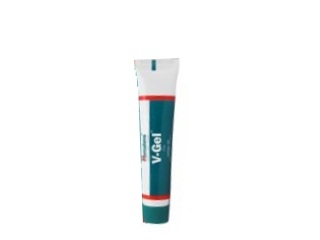
V-gel is an oral gel used to help protect and soothe the lining of the mouth and throat. It forms a protective barrier on affected areas, which can support comfort when you have symptoms such as mouth soreness, throat irritation, or minor inflammatory discomfort. This guide explains what V-gel is, how it works, how to use it, and what to consider regarding safety and interactions—tailored for readers in the United Kingdom.
Please note: product formulations can differ by country and by specific product presentation. Always check the pack and patient leaflet supplied with your specific V-gel product for the exact ingredients and directions.
Basic product information
| Item | Typical information |
|---|---|
| Product name | V-gel |
| Type | Oral gel (used in the mouth/throat) |
| How it works | Forms a protective coating/gel barrier to soothe irritated tissue |
| Common symptoms supported | Mouth and throat irritation, soreness, minor inflammation-related discomfort |
| Where it is used | Oral cavity and/or throat region (depending on directions) |
| Availability | Commonly available via pharmacies and online health retailers in the UK |
What is V-gel and how does it work?
Mechanism of action (how it works in the body)
V-gel is designed to coat the surfaces within the mouth and throat. When applied, it creates a soothing, protective layer over irritated areas. This barrier may:
- Help reduce direct contact between irritants and sensitive tissue
- Support comfort by shielding inflamed or sore areas
- Assist with short-term symptom relief
Because the main action is local (on the lining of the mouth/throat), V-gel is generally used to relieve symptoms rather than treat deeper causes directly.
Pharmacokinetics (how the body handles it)
For locally acting oral gels such as V-gel, systemic absorption is typically limited. In most cases, the product is intended to act in the mouth and throat rather than be extensively absorbed into the bloodstream.
- Absorption: Usually minimal due to local use and protective gel coating.
- Distribution: Mainly local to the oral cavity/throat.
- Metabolism/excretion: Any systemic involvement is generally low; elimination is not usually a main consideration for patients using the product as directed.
If you have kidney or liver conditions or take multiple medicines, it is still best to follow the product directions carefully and speak to a pharmacist if you are unsure.
Typical uses in the UK
V-gel is commonly used for minor irritation and soreness in the mouth or throat. It may be useful when the lining is irritated due to everyday causes such as:
- Soreness from minor inflammation or irritation
- Discomfort when eating or speaking due to mouth/throat sensitivity
- Temporary flare-ups where protective coating may help
V-gel does not replace medical care for serious, worsening, or persistent symptoms.
Indications (when it may be appropriate)
In practice, V-gel is used for symptomatic relief of oral and throat irritation. “Indications” can vary by product licence and specific formulation, so always refer to the box/leaflet for the exact authorised uses.
Generally, you might consider V-gel if you have:
- Minor mouth ulcers or soreness (where appropriate for your product)
- Throat irritation discomfort that benefits from a protective barrier
- General protective soothing support during short periods of discomfort
Dosing and timing
Follow the dosing instructions on the pack. Dosage can vary depending on strength, age, and the specific V-gel presentation. The information below is a general guide and may not match every product variant.
Typical timing
- When symptoms are present: Use when you notice discomfort, especially after meals or before eating if the gel helps you tolerate food more comfortably.
- Between meals: If your pack instructions allow, a separate dose between meals may help keep the protective coating in place.
- Before bedtime: For night-time throat or mouth soreness, applying as directed before sleep may provide comfort.
How to use (general guidance)
- Wash your hands before applying the gel.
- Gently clean the mouth if needed (unless you are instructed otherwise).
- Apply the recommended amount to the affected area(s) in the mouth/throat.
- Try not to swallow immediately if the gel is meant for the mouth lining; let it coat the area.
- After application, avoid eating or drinking for a short period if the leaflet advises it—this helps the gel remain in place.
Important: If you are using multiple oral medicines (for example lozenges, mouth sprays, or other gels), allow time between products so V-gel can form its protective barrier effectively.
Food interactions
Because V-gel works locally by coating tissues, food and drink can affect how long the gel remains in contact with the lining. In general:
- Try to avoid eating and drinking immediately after application (unless the leaflet says otherwise).
- Hot drinks may increase discomfort; cool or lukewarm drinks are often better tolerated.
- Sticky or very spicy foods may irritate the area and shorten how long the gel stays in place.
If you have been advised to follow special diets (for example due to swallowing difficulties), follow your healthcare professional’s guidance and ask a pharmacist about the best timing for V-gel.
Alcohol and medicine interactions
Alcohol
V-gel is applied locally and is not intended to have a strong systemic effect. However, alcohol can irritate the mouth and throat, potentially worsening symptoms. If you are using V-gel for irritation, you may find it helpful to:
- Avoid alcohol-containing mouth products
- Limit alcohol temporarily if it makes symptoms worse
Interactions with other medicines
Since V-gel forms a barrier in the mouth/throat, the main interaction consideration is local interference: another medicine taken in the mouth (sprays, lozenges, gels, or mouthwashes) may not contact the tissue as intended if applied too close to V-gel.
- Spacing doses: Allow time between V-gel and other oral products.
- Rinses/mouthwashes: If using a mouthwash, consider the order carefully—so V-gel can still coat the area.
- Swallowing tablets/capsules: These are generally taken by mouth and swallowed; follow your usual medicine timing unless advised otherwise.
For a personalised check, speak to a pharmacist—especially if you take medicines for mouth conditions, have frequent reflux/heartburn, or use multiple oral treatments.
Safety profile
Who should be cautious?
V-gel is generally considered suitable for short-term relief when used as directed, but you should take care if you:
- Have a known allergy to any of the ingredients
- Have severe or persistent mouth/throat symptoms
- Have difficulty swallowing (ask a professional before using any oral gel)
- Are using other mouth/throat treatments at the same time
Possible side effects
Side effects are not expected in most people when V-gel is used properly. However, as with any medicine, side effects can occur.
- Mild, temporary discomfort at the application site
- Altered taste or a coating feeling
- Allergic reactions (uncommon)—stop use and seek advice if you develop swelling, rash, or breathing difficulty
When to seek medical advice urgently
Stop using V-gel and seek urgent medical help if you experience:
- Breathing difficulties, wheezing, or swelling of the face/lips/tongue
- Severe mouth or throat pain that rapidly worsens
- High fever, drooling, or inability to swallow
- Signs of serious infection or dehydration
Practical use tips for best results
- Keep the gel in place: After applying, avoid eating and drinking for the period recommended on your pack.
- Apply gently: Use a clean finger or applicator as instructed. Avoid rubbing aggressively on ulcerated tissue.
- Don’t double up too quickly: If using multiple products, space them out.
- Check your mouth regularly: If symptoms persist, mouth ulcers can have causes that need assessment.
- Maintain good oral hygiene: Use a gentle toothbrush and avoid irritants like strongly flavoured mouthwashes if they worsen symptoms.
Alternative options (depending on your symptoms)
If V-gel does not suit you, or if symptoms persist, a pharmacist may recommend other approaches for mouth/throat discomfort. Alternatives may include:
- Protective barrier gels or pastes designed for mouth ulcers/sore areas
- Throat lozenges for soothing the throat lining
- Oral antiseptic mouthwashes where bacterial involvement is suspected (use as advised)
- Pain-relief medicines such as paracetamol or ibuprofen for symptomatic relief (if suitable for you)
The best choice depends on the underlying cause—such as viral irritation, trauma (e.g., from biting), reflux-related irritation, nutritional issues, or dental problems. If symptoms are recurring or prolonged, it’s worth seeking advice.
UK market and legal context
In the United Kingdom, oral gels and similar products may be supplied as over-the-counter (OTC) medicines or as authorised medical devices/consumer healthcare products, depending on ingredients and claims. Product availability is governed by UK medicines regulations and oversight by bodies such as the Medicines and Healthcare products Regulatory Agency (MHRA).
When buying online, choose reputable retailers and verify that the product is supplied in correct packaging with clear instructions and an approved product information leaflet (where applicable).
Recent guidance and practical recommendations (UK)
While guidance may change over time, common UK-facing public health and pharmacy recommendations for mouth/throat symptoms include:
- Short-term self-care first when symptoms are mild and improving
- Seek professional advice if symptoms persist beyond the expected healing period, or if they recur frequently
- Check for red flags such as difficulty swallowing, significant swelling, or fever
- Avoid irritants including tobacco smoke, alcohol-based mouth products, and very spicy foods
If you are unsure whether your symptoms are appropriate for V-gel, a pharmacist can help you decide on the most suitable option.
Delivery and availability in the UK
V-gel is often available from UK pharmacies and online health retailers. Delivery options may vary by supplier, but many offer:
- Standard delivery (typically a few working days)
- Express delivery where available
- Tracked delivery for added security
Availability can depend on stock levels and the specific product size. Before placing an order, check: strength, pack size, expiry date information (where shown), and delivery region.
Storage: Keep V-gel in a safe, dry place, at the temperature specified on the packaging, and keep it out of reach of children.
FAQ
How quickly will V-gel work?
Many people notice soothing relief soon after application because V-gel coats the irritated surface. The duration can vary depending on how often you eat or drink and the severity of irritation.
How often can I use V-gel?
Follow the dosing frequency on your V-gel pack or leaflet. If you need help choosing a schedule that fits your day, speak to a pharmacist.
Should I eat or drink after using V-gel?
It’s usually best to wait for a short period after applying V-gel so it stays in contact with the affected area. Check your pack directions for the recommended waiting time.
Can I use V-gel if I’m pregnant or breastfeeding?
If you are pregnant or breastfeeding, discuss use with a pharmacist or healthcare professional—especially if you need to use it for more than a short time. Always follow the product leaflet for advice specific to your formulation.
Is V-gel suitable for children?
Child suitability depends on the specific product and age recommendations on the pack. Check the leaflet for age limits and ask a pharmacist if you are unsure.
What if my mouth ulcers or throat irritation don’t improve?
If symptoms persist, become more painful, or last longer than expected, seek advice from a pharmacist, GP, or dental professional. Persistent mouth ulcers can have causes that may require targeted treatment.
Can I use V-gel with mouthwash?
You can often use other oral products, but spacing matters. Mouthwash can rinse off the protective gel. Consider using V-gel after mouthwash (or at a different time of day) so it can coat the area effectively, following pack guidance.
Are there any alcohol interactions?
V-gel’s action is local and generally does not cause major systemic alcohol interactions. However, alcohol can irritate the mouth and throat and worsen symptoms. Limiting alcohol can help while you’re treating irritation.
Does V-gel treat infections?
V-gel is primarily a protective and soothing gel. It may relieve discomfort, but it is not designed to treat all causes of infection. If you suspect an infection or have severe symptoms (e.g., fever, swollen glands), seek medical advice.
Where can I buy V-gel in the UK?
V-gel is typically available through UK pharmacies and reputable online retailers. Ensure you receive the correct product with clear instructions and a leaflet where applicable.
Summary
V-gel is a soothing oral gel designed to coat and protect irritated areas in the mouth and throat, supporting comfort during short-term symptoms. It works locally, with minimal systemic absorption expected when used correctly. For best results, apply it according to the pack instructions, allow time after dosing before eating or drinking, and seek advice if symptoms persist or include warning signs.