
Weekend Pack – Patient Information (UK)
Weekend Pack is a convenient, ready-to-use medicine pack designed for use over a short period of time—typically covering a weekend course—so you can manage a specific treatment plan with less hassle. It is intended for people in the United Kingdom who want clear instructions on how and when to take their medicine.
Important: Always follow the instructions provided with your Weekend Pack and consult a healthcare professional if you are unsure whether it’s suitable for you.
What is the Weekend Pack?
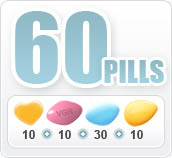
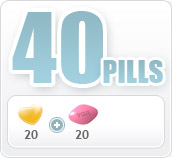
The Weekend Pack is a short-course pack containing a set number of doses of one medicine (or a defined treatment regimen) intended to be taken within a limited timeframe. Packs are typically designed to simplify planning around a weekend schedule.
Because product formulations can vary by brand and supplier, you should check your pack label for:
- the active ingredient(s)
- the strength (mg per dose)
- the number of doses included
- the exact dosing schedule printed on your leaflet
This page explains key information commonly relevant to “weekend pack” medicines, including how they work, how they behave in the body, and how to take them safely.
Basic product information
| Category | Details |
|---|---|
| Product name | Weekend Pack |
| Use timeframe | Short course (commonly weekend-based) |
| Active ingredient | Check your pack label/leaflet for the exact medicine |
| Intended users | Adults who meet the medicine’s indications |
| Where it’s available | UK online pharmacies and authorised supply channels |
| How to use | Follow the printed schedule for your specific pack |
How it works (mechanism of action)
The mechanism of action depends on the specific active ingredient included in your Weekend Pack. Different medicines are used for different conditions, and each works in a unique way.
In general, short-course “weekend” packs are designed to:
- reach therapeutic levels quickly after dosing
- support a targeted effect during the planned period
- minimise prolonged exposure beyond the intended timeframe
To understand your exact mechanism of action: please refer to the leaflet supplied with your medicine. If you tell us the active ingredient and strength from your pack label, we can help you interpret the leaflet information in plain English.
Pharmacokinetics (how the body processes it)
Pharmacokinetics describes what the body does with the medicine—how it is absorbed, distributed, metabolised, and excreted. While exact values vary by medicine, most short-course tablets or capsules follow these general patterns:
- Absorption: Many oral medicines are absorbed from the gastrointestinal tract. Some are affected by stomach acidity and food intake.
- Time to peak effect: A typical medicine may reach peak blood levels within a certain period after swallowing (often within 1–3 hours for many oral tablets, but this varies).
- Distribution: The medicine may bind to plasma proteins and distribute into tissues.
- Metabolism: The liver commonly breaks down medicines via metabolic pathways. Some medicines can interact with liver enzymes or other medicines that use the same pathways.
- Elimination: Medicines are usually removed via urine and/or bile. The “half-life” describes how long it takes for the level in the body to reduce by half.
Why this matters: Pharmacokinetics influences timing (when you should take it) and informs advice about food interactions and drug interactions.
For your specific pack: check the leaflet for details such as peak time, half-life, and how kidney or liver conditions may affect dosing.
Typical use (what it’s for)
Weekend Pack is typically used for a defined condition where a short course is appropriate. Common examples (depending on the exact product and country approvals) may include:
- Situational or short-term symptoms that need treatment over a limited time
- Planned episodes where dosing is scheduled ahead of symptoms
- Condition-specific regimens as determined by clinical guidance and the medicine’s licensed use
Because “Weekend Pack” is not a single universal medicine name, the exact indication is determined by the active ingredient in your pack.
Always confirm: read the “What this medicine is used for” section of your leaflet to ensure it matches your need.
Indications (when to use)
The leaflet accompanying your Weekend Pack will list approved indications. In practice, indications depend on factors such as age, symptom history, underlying conditions, and contraindications.
Look for and follow these leaflet sections:
- What it is used for
- Do not use if (contraindications)
- Warnings and precautions
If you are unsure whether you meet the conditions for use, seek advice from a pharmacist or clinician before starting.
Timing: when to take Weekend Pack
Correct timing can affect how well a medicine works. The leaflet will provide precise instructions such as “take 1 dose on day X” or “take at least X hours before an event.”
In general:
- Start on the correct day: begin the course according to your pack schedule.
- Take with water: swallow tablets/capsules with a full glass of water unless stated otherwise.
- Maintain spacing: if more than one dose is included, take them at the times specified (e.g., morning/evening) and keep intervals consistent.
- Don’t double up: if you miss a dose, follow the leaflet advice—do not automatically take extra.
Tip for weekend regimens: set reminders for Saturday/Sunday doses to avoid missed or late dosing.
Dosing (how much to take)
Dose depends on the active ingredient and strength, so dosing instructions must come from your pack leaflet and label.
Common dosing principles include:
- Follow age guidance: some medicines have age limits or different adult dosing.
- Use the exact tablet/capsule strength provided in the pack (do not substitute without advice).
- Adjustments may be required for certain health conditions (e.g., liver or kidney impairment) or interacting medicines—again, check the leaflet.
Do not exceed the recommended number of doses in the pack. If symptoms persist or worsen, seek medical advice rather than repeating or extending the course.
Food interactions (taking with meals)
Some medicines are best absorbed on an empty stomach, while others can be taken with food. Food can affect:
- Absorption rate (how quickly it enters the bloodstream)
- Peak concentration (highest level reached)
- Side effects such as nausea or stomach upset
General practical guidance (check your leaflet for the exact rule):
- If your leaflet says “take with food”, do so—this can reduce stomach irritation.
- If it says “take on an empty stomach”, avoid food for the recommended period before/after dosing.
- If you are unsure, ask a pharmacist—especially if you have a sensitive stomach or take other medicines.
Consistency helps: taking each dose in a similar way (e.g., always with breakfast) can improve predictability.
Alcohol interactions
Alcohol can worsen side effects and may interfere with medicine metabolism, depending on the active ingredient. While many people can tolerate small amounts of alcohol, caution is recommended—particularly for short-course regimens where side effects may occur around the time you’re taking the medicine.
General safety approach:
- Avoid heavy drinking (binge drinking) while taking the course.
- Check the leaflet for explicit alcohol warnings (some medicines advise avoiding alcohol altogether).
- If you feel unwell (dizziness, drowsiness, nausea), avoid alcohol and stop the course only if instructed by a healthcare professional.
If you have a history of liver disease or are taking multiple medicines, ask a pharmacist before using the Weekend Pack.
Medicine interactions (other drugs and supplements)
Drug interactions can change how your medicine works or increase side effects. Interactions are especially relevant for short-course medicines, because you may take the course when you’re already on other treatments.
Please review your leaflet’s “Interactions” or “Warnings” section. Typical interaction categories include:
- Other prescription medicines (including antidepressants, antibiotics, antivirals, heart medicines)
- Over-the-counter medicines (including painkillers, cold/flu products)
- Herbal products (e.g., St John’s Wort)
- Supplements (some can affect liver enzymes or clotting)
Important: tell your pharmacist if you take any of the following (or similar):
- medicines that affect the liver (enzyme inducers or inhibitors)
- medicines that affect blood pressure or the heart (depending on the active ingredient)
- medicines that cause sleepiness or dizziness
If you are taking several medicines, consider keeping a written list of your current medicines and doses to show at the point of advice.
Safety profile (who should be careful and what to watch for)
Every medicine has potential side effects and safety considerations. The most accurate information is in the leaflet for your specific Weekend Pack.
Common side effects
Many short-course medicines can cause mild, temporary effects such as:
- headache
- nausea or indigestion
- dizziness
- stomach discomfort
- fatigue
Serious side effects
Stop the medicine and seek urgent medical help if you experience signs of an allergic reaction or other serious reactions, such as:
- swelling of the face, lips, or throat
- difficulty breathing
- severe or persistent chest pain
- fainting or severe dizziness
- unusual severe skin reactions
Who should not use it (contraindications)
Your leaflet will list reasons not to take the medicine. These may include (depending on the active ingredient):
- allergy to the medicine or related ingredients
- certain medical conditions (e.g., significant liver impairment, specific heart conditions)
- use of interacting medicines that make the combination unsafe
- pregnancy or breastfeeding restrictions
Warnings and precautions
Additional precautions may be needed if you have:
- kidney or liver problems
- a history of ulcers or gastrointestinal problems
- heart rhythm or blood pressure issues
- ongoing conditions that affect how you tolerate medicines
Practical use tips
These practical tips can help you get the best results and stay safe:
- Read the leaflet before your first dose and keep it for reference.
- Check the pack label for your dosing schedule and strength.
- Use a calendar or phone reminder for each dose day/time.
- Stay hydrated (unless your clinician has advised fluid restriction).
- Avoid alcohol or keep it minimal during the course if the leaflet advises caution.
- Don’t mix with unverified supplements that may interact.
- If you miss a dose, follow leaflet instructions. If unsure, speak to a pharmacist.
- Monitor symptoms: if the condition doesn’t improve or worsens, seek advice rather than repeating the regimen immediately.
Alternative options
If Weekend Pack isn’t suitable for you, there may be other options depending on the condition and the active ingredient.
Possible alternatives include:
- Different pack sizes (e.g., a shorter or longer course)
- Different strengths to match your dosing needs
- Alternative medicines from the same or different drug groups
- Non-medicine approaches (where relevant) such as lifestyle measures, counselling, or supportive care
- Different administration forms (e.g., tablets vs. capsules) if side effects are a problem
Your pharmacist can advise on the most appropriate alternative based on your symptoms, medical history, and current medicines.
Market and legal context (United Kingdom)
Medicines in the UK are regulated to ensure safety, quality, and appropriate use. The legal and market status of a medicine depends on whether it is classified as:
- POM (Prescription Only Medicine)
- GSL (General Sale List)
- Pharmacy (P) category medicines sold with pharmacist involvement
- Licensed and distributed by authorised wholesalers
For online purchasing, UK pharmacies must comply with advertising and medicines regulations, including providing clear product information, ensuring lawful supply, and supporting patient safety.
What this means for you: you should expect the online pharmacy to provide accurate medicine details, clear usage instructions, and safety information, and to highlight when a healthcare professional review may be needed.
Recent guidance and up-to-date advice
Clinical and safety guidance can change as evidence develops. UK healthcare organisations and the medicines regulator may update advice related to:
- recommended dosing
- contraindications and warnings
- drug interaction safety alerts
- monitoring advice for specific patient groups
To stay aligned with current best practice:
- follow the leaflet supplied with your exact product
- check for any safety updates referenced by your pharmacy
- seek advice if you have new symptoms, are taking new medications, or have health changes
If you want, share the active ingredient from your Weekend Pack label and we can summarise key safety points to watch for.
Delivery and availability (UK)
Weekend Pack is typically available through authorised online pharmacies across the UK. Delivery options can vary by supplier and location.
When ordering, you can usually expect:
- Secure packaging to protect the product
- Tracking (often available at checkout or by email)
- Dispatch timelines based on order cut-off times
- Age and identity checks where legally required
Availability may depend on stock levels. If you need the medicine for a specific weekend date, place your order early to allow for postal delivery times.
Note: Some medicines may have restrictions on delivery destinations (e.g., certain areas, remote locations, or business addresses). If you’re unsure, check the pharmacy’s delivery policy.
FAQ (Frequently Asked Questions)
1) How do I take Weekend Pack?
Take it exactly as described in your pack leaflet and on the label. The schedule (which day(s) and what time) can vary depending on the specific active ingredient and your regimen.
2) Can I take it with food?
That depends on the medicine. Some medicines should be taken with food to reduce stomach upset; others work best on an empty stomach. Check the leaflet “Food interactions” section and follow the guidance for your exact pack.
3) What if I miss a dose?
Follow the “If you miss a dose” advice in your leaflet. If you’re unsure, contact a pharmacist for guidance. Avoid taking extra doses to make up for a missed one unless the leaflet instructs you to do so.
4) Can I drink alcohol while using Weekend Pack?
Alcohol may increase side effects and can interact with some medicines. Many leaflets advise limiting or avoiding alcohol during treatment. Review the leaflet and use cautious judgement—especially if you feel dizzy or nauseated.
5) Are there interactions with other medicines?
Yes, interactions depend on the active ingredient. Common interaction categories include medicines that affect liver enzymes, heart rhythm, blood pressure, or cause drowsiness. Tell your pharmacist about all medicines and supplements you take.
6) Is Weekend Pack suitable for everyone?
No. Suitability depends on factors like allergies, medical history, and current medicines. Check the leaflet’s “Do not use” section and seek advice if you have liver/kidney problems, take multiple medicines, are pregnant/breastfeeding, or have significant underlying illness.
7) How quickly will it work?
Many oral medicines take effect within hours, but timing varies by ingredient and whether you have eaten. The leaflet may provide information on onset or peak levels—follow the guidance and avoid taking additional doses early.
8) What side effects should I expect?
Common side effects (if they occur) are often mild and temporary. Serious effects are uncommon but require urgent medical attention. Consult your leaflet for the specific list of side effects for your Weekend Pack.
9) What should I do if my symptoms don’t improve?
If symptoms persist, worsen, or keep coming back, stop self-managing and seek advice. A pharmacist can help assess whether you need a different approach or further review.
10) How do I store Weekend Pack?
Store according to the instructions on the outer carton/leaflet (commonly at room temperature, away from direct heat and moisture). Keep out of the sight and reach of children.
Disclaimer: This information is for general patient education and does not replace advice from a healthcare professional or the specific instructions provided with your Weekend Pack. Always read the leaflet supplied with your medicine for the most accurate guidance.