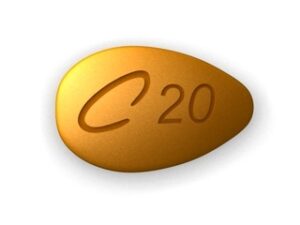


Enclomiphene (For Men’s Testosterone Support) — Patient-Friendly UK Guide
Enclomiphene is a medicine that supports the body’s own production of testosterone. It is often used in adult men with low testosterone due to conditions where the signal from the brain to the testes is not functioning optimally. This guide explains how enclomiphene works, how it is used, what to expect, and important safety considerations for people in the United Kingdom.
1) Basic product information
| Information | Details |
|---|---|
| Generic name | Enclomiphene |
| What it’s used for | Stimulation of natural testosterone production (commonly in male hypogonadism) |
| How it works | Selective oestrogen receptor modulator (SERM) that increases luteinising hormone (LH) and follicle-stimulating hormone (FSH) |
| Typical form | Oral tablets/capsules (strength varies by product) |
| Common dosing frequency | Usually once daily or as advised |
| Onset of effects | Hormone changes can begin within days to weeks; fuller effects often take several weeks |
Product availability, strengths, and formulations can vary between manufacturers and supply routes. Always use the specific product information provided with your medicine.
2) How enclomiphene works (mechanism of action)
Enclomiphene belongs to a group of medicines called selective oestrogen receptor modulators (SERMs). It interacts with oestrogen receptors in the brain—particularly in the hypothalamus and pituitary—where hormone “feedback” helps regulate testosterone production.
In simple terms, enclomiphene:
- Blocks oestrogen feedback signals in the brain (oestrogen receptors are influenced), which makes the pituitary “think” there is less oestrogenic activity than there actually is.
- This leads to an increase in luteinising hormone (LH) and follicle-stimulating hormone (FSH).
- LH and FSH stimulate the testes to increase natural testosterone production and support aspects of sperm production.
Compared with testosterone replacement therapy, enclomiphene can encourage your body to make its own testosterone, which may help maintain fertility in some men, although individual responses vary.
3) Pharmacokinetics (how the body processes it)
“Pharmacokinetics” describes how a medicine is absorbed, distributed, metabolised and eliminated. While exact values can vary by formulation and study population, the following general patterns are typical for enclomiphene:
- Absorption: Enclomiphene is taken by mouth and is absorbed through the gastrointestinal tract.
- Distribution: It circulates in the bloodstream and reaches tissues where oestrogen receptor signalling is relevant, including the hypothalamus and pituitary.
- Metabolism: It is metabolised in the liver.
- Elimination: The medication is cleared gradually, with a relatively long persistence in the body compared with many short-acting medicines.
Practical implication: Because levels can build and persist, dose adjustments and monitoring are often guided by blood tests rather than symptom changes alone.
4) Typical use in the UK
Enclomiphene is commonly considered for adult men who have evidence of low testosterone with symptoms, particularly when clinicians want to increase endogenous production. It may be used in settings such as:
- Hypogonadism where the problem is in the signalling pathway (e.g., secondary hypogonadism).
- Men seeking to increase testosterone while aiming to preserve testicular function.
- Cases where fertility preservation is a priority (though individual fertility outcomes vary).
Enclomiphene use in specific circumstances can depend on local clinical assessment and laboratory results (including testosterone, LH, FSH, and sometimes oestradiol and prolactin).
5) Timing: when to take it and when you’ll notice changes
When to take it
- It is usually taken once daily at a consistent time.
- If you’re prone to stomach upset, taking it with food may help (see food section below for details).
- Try not to double up if you miss a dose; follow the instructions supplied with your medicine.
How quickly effects may appear
- Hormonal changes: LH/FSH stimulation may begin within days, but measurable increases in testosterone can take several weeks.
- Symptoms: Improvements (energy, libido, mood, strength) may lag behind hormone changes and often take 4–12 weeks for a noticeable effect.
- Ongoing response: Some men continue to see incremental benefit over time; monitoring helps ensure levels remain in a safe range.
6) Food interactions
Food can influence how quickly a tablet dissolves and is absorbed, but enclomiphene is generally considered usable with or without food.
- With food: Taking enclomiphene with a meal can reduce the chance of nausea or stomach discomfort for some people.
- Without food: Some people tolerate it well on an empty stomach; however, gastrointestinal side effects can occur.
Tip: Choose a routine you can stick to (same time of day, similar relation to meals) to help stabilise absorption.
7) Alcohol and medicine interactions
There is no universal “hard” rule that enclomiphene cannot be used with alcohol, but alcohol can still pose risks—especially for liver health, hormone regulation, and overall wellbeing.
Alcohol
- Moderate alcohol: For many adults, moderate intake is unlikely to cause direct interaction, but liver-metabolised medicines can be affected by heavy drinking.
- Heavy or binge drinking: May increase risk of side effects and can worsen fatigue, mood changes, and sexual function—making treatment evaluation harder.
- Liver concerns: If you have any history of liver disease, discuss alcohol intake carefully with a healthcare professional.
Other medicines and supplements
Enclomiphene may interact with medicines that affect liver enzymes. Tell your pharmacist about everything you take, including:
- Prescription medicines for infections, seizures, or mood.
- Herbal products (for example, some “testosterone support” supplements may contain ingredients that can complicate monitoring).
- Other hormonal treatments.
- Medicines that affect coagulation (blood thinning) or liver function.
Safety tip: Avoid starting new supplements or combining multiple hormone-altering products without medical advice, as hormone levels can shift in unpredictable ways.
8) Indications: what enclomiphene is used for
In practice, enclomiphene is used to increase endogenous testosterone in appropriately selected adult men. Indications are typically based on:
- Documented low testosterone on blood tests (often measured more than once).
- Compatible symptoms (e.g., reduced libido, erectile difficulties, fatigue, decreased muscle mass, or impaired concentration).
- Evidence that a brain–pituitary–testis pathway can be stimulated (interpreted via LH/FSH levels and other investigations).
If you are seeking enclomiphene for performance or cosmetic goals, discuss risks and suitability. Medicines that alter hormone pathways should be used under appropriate clinical supervision.
9) Dosing guidance (typical regimens)
Dosing must be individualised. Strengths vary between products, and your dose depends on hormone levels, symptoms, and safety monitoring.
Common practical dosing approach:
- Starting dose: often 25 mg once daily in clinical use settings, depending on local protocols.
- Adjustment: dose may be adjusted based on follow-up blood tests and tolerability.
- Monitoring: testosterone, LH/FSH, oestradiol and sometimes full blood count and liver tests may be checked.
Important: Follow the dosing instructions provided with your medicine. Do not change the dose to “chase” testosterone levels without appropriate blood monitoring.
10) Safety profile: what to watch for
Enclomiphene can be effective for testosterone support, but it can also cause side effects because it changes hormone signalling.
Common or expected side effects
- Headache
- Nausea or stomach discomfort
- Hot flushes
- Mood changes (sometimes irritability or emotional lability)
- Changes in libido
- Visual disturbances (uncommon, but important to take seriously)
Hormone-related risks
Because it influences LH/FSH and testosterone, it may also affect oestradiol and other downstream effects.
- Oestradiol elevation in some men, which can lead to water retention or breast tenderness.
- Gynecomastia (breast enlargement/tenderness) may occur, particularly if oestradiol rises.
- Potential effects on sperm parameters: for many men, enclomiphene may support fertility, but results vary and require monitoring when fertility is a goal.
Rare but serious warning signs
- Vision changes (blurred vision, persistent visual symptoms) — stop and seek urgent medical advice.
- Severe allergic reaction: swelling of face/lips, trouble breathing, rash or hives — seek emergency help.
- Signs of liver problems: yellowing skin/eyes, dark urine, severe abdominal pain, persistent nausea — seek prompt medical advice.
- Thromboembolic symptoms (blood clot symptoms) such as sudden shortness of breath, chest pain, or leg swelling/pain — seek urgent care.
Note on risk factors: Risk depends on your baseline health, age, existing medical conditions, and how your hormone levels respond.
11) Practical use tips (getting the best and safest results)
- Use consistent timing: take it at the same time each day to improve routine and reduce missed doses.
- Track symptoms, not only lab numbers: testosterone can rise, but how you feel matters. Record energy, libido, sleep quality and mood.
- Plan monitoring: follow-up blood tests typically guide dose and duration. Common markers include testosterone (total ± free), LH, FSH, oestradiol, full blood count, and liver function.
- Watch for breast tenderness: early reports help clinicians adjust strategy to prevent progression.
- Don’t “stack” hormone products: combining multiple products that alter hormones can increase side effects and complicate monitoring.
- Sleep and training matter: supportive lifestyle factors help maximise gains and make side effects easier to detect.
12) Alternative options
If enclomiphene isn’t suitable—or doesn’t work—clinicians may consider alternative strategies depending on the underlying cause of low testosterone.
Common alternatives
- Clomiphene (another SERM): sometimes used off a similar hormonal feedback mechanism.
- Human chorionic gonadotropin (hCG) / gonadotrophin therapy: can stimulate testosterone production and may support fertility in selected men.
- Testosterone replacement therapy (TRT): can improve symptoms, but it may suppress LH/FSH and affect fertility in some men.
- Treating underlying causes: addressing obesity, sleep apnoea, certain medications, excessive alcohol intake, pituitary disorders, or other reversible factors.
Your best option depends on your labs, fertility goals, symptom severity, comorbidities, and preferences.
13) Market and legal context for the UK (important notes)
In the United Kingdom, medicine availability and prescribing practices are governed by regulatory frameworks overseen by the Medicines and Healthcare products Regulatory Agency (MHRA).
- Regulatory status: The availability of enclomiphene can vary. Some SERMs and testosterone-related treatments are licensed for specific indications, while others may be supplied via specialist channels depending on the product and its marketing authorisation.
- Independent guidance: Clinical use should align with evidence-based recommendations and local prescribing standards.
- Quality and supply: Only use reputable sources. Counterfeit or unverified products can carry serious safety risks and may contain incorrect ingredients or doses.
Because regulatory and availability details can change, your pharmacy should confirm the precise status of the medicine and provide the correct patient information for the specific product supplied.
14) Recent guidance and monitoring considerations
Clinical practice in testosterone-related care continues to evolve, with an emphasis on:
- Confirming diagnosis with appropriate morning testosterone measurements on separate occasions.
- Investigating the cause of low testosterone (including assessing LH/FSH and considering pituitary/hypothalamic causes where indicated).
- Monitoring safety through symptom review and blood tests during treatment.
- Individualising therapy based on fertility intentions, comorbidities and risk factors.
If you are starting enclomiphene, it’s typical to have baseline assessments before treatment and follow-up testing after a period of use.
15) Delivery and availability in the United Kingdom
Delivery options and availability depend on supplier, stock levels, and regulatory compliance for the product. When ordering online in the UK:
- Delivery times: vary by dispatch location and courier service. Most pharmacies provide an estimated delivery window at checkout.
- Temperature and packaging: medicines should be shipped in appropriate packaging to protect tablets/capsules.
- Tracking: many services offer tracking updates after dispatch.
- Substitution policy: do not accept substitutions without confirming that the same active ingredient and strength are provided.
If a product is temporarily unavailable, the pharmacy may offer an alternative option or resupply timeline.
16) FAQ — Enclomiphene
How long does it take for enclomiphene to work?
Hormone changes may begin within days, but noticeable symptom improvement often takes 4–12 weeks. Follow-up blood tests guide whether the dose is appropriate.
What does enclomiphene feel like when it starts?
Some people notice changes in energy, libido or mood gradually. Others feel nothing at first. Side effects such as headaches or stomach discomfort can also occur early.
Can enclomiphene raise oestradiol?
Yes, increasing testosterone can sometimes increase oestradiol as well. This is why monitoring and symptom review (for breast tenderness, swelling, or fluid retention) are important.
Does enclomiphene affect fertility?
It may support aspects of testicular function in many men compared with testosterone therapy, but fertility outcomes vary. If fertility is a goal, discussing semen analysis and monitoring is recommended.
Is it safe to take with food?
Often yes. Taking it with a meal may reduce stomach upset. Use a consistent routine.
Can I drink alcohol while taking enclomiphene?
Moderate alcohol may not cause direct interaction, but heavy drinking can increase health risks—particularly for liver health and overall wellbeing. Choose moderation and discuss if you have liver issues or other risk factors.
What should I do if I miss a dose?
Follow the instructions provided with your medicine. In general, do not take an extra dose to “catch up” unless advised.
When should I stop and seek medical help?
Seek urgent medical advice for severe allergic reactions, signs of liver problems, or any concerning vision changes. If you develop chest pain, sudden shortness of breath, or severe leg pain/swelling, seek emergency care.
Are there alternatives if enclomiphene isn’t effective?
Yes. Depending on your diagnosis and goals, clinicians may consider other SERMs, gonadotrophin therapies, testosterone replacement, or treatment of underlying causes.
Can supplements replace enclomiphene?
No. While supplements may support general health, they do not reliably reproduce the hormone signalling effects of enclomiphene and can complicate monitoring.
17) Summary
Enclomiphene is a SERM that helps increase the body’s own testosterone production by modifying oestrogen feedback in the brain. It is typically used in adult men with low testosterone after appropriate assessment, and benefits often take weeks rather than days. Because it changes hormone signalling, monitoring is essential to balance effectiveness with safety.
If you have questions about suitability, side effects, or how to take your specific product safely, speak to a healthcare professional or pharmacist and ensure you follow the patient information supplied with your medicine.