Testosterone topical medicine (skin gel/solution) — Patient information (UK)
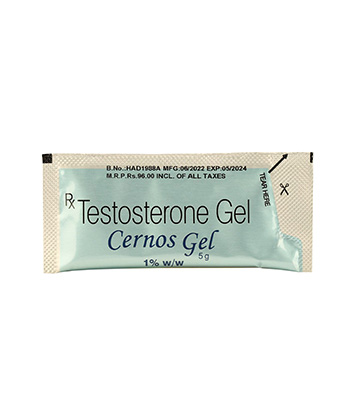
Testosterone topical is a medicine applied to the skin to raise testosterone levels in the body. It is commonly supplied as a gel or solution and is used for men with low testosterone due to confirmed hypogonadism (a medical condition affecting testosterone production).
This page provides clear, patient-friendly information about how testosterone topical works, how it is used, what to expect, and important safety precautions. Always follow your healthcare professional’s advice and the instructions in the patient information leaflet supplied with your product.
Basic product information
- Medicine name: Testosterone topical
- How it’s taken: Applied to clean, dry skin (typically shoulders/upper arms/abdomen depending on product instructions)
- Common forms in the UK: Testosterone gel or solution (strength varies by product)
- Who it’s for: Adults with confirmed low testosterone (hypogonadism) where testosterone therapy is appropriate
- Key benefit: Helps restore testosterone levels and may improve symptoms linked to low testosterone
Important: Do not use testosterone topical for body-building or performance enhancement. Misuse can be harmful and is illegal without appropriate medical assessment.
How testosterone works (mechanism of action)
Testosterone is a natural male sex hormone (androgen). When applied to the skin, topical testosterone is absorbed through the skin into the bloodstream, increasing circulating testosterone.
Testosterone supports many body functions, including:
- Development and maintenance of male secondary sexual characteristics
- Libido and sexual function
- Bone health (helping maintain bone mineral density)
- Muscle mass and strength
- Red blood cell production through effects on erythropoiesis
- Mood and energy (these may improve in some people when levels normalise)
Testosterone in the body can also convert into estradiol (via aromatase) or into dihydrotestosterone (DHT) (via 5α-reductase). These metabolites contribute to some effects such as changes in hair growth patterns and prostate-related processes.
Pharmacokinetics (how the body absorbs and handles it)
Pharmacokinetics describes what happens to a drug in the body—absorption, distribution, metabolism, and elimination. For topical testosterone, absorption occurs through the skin, followed by distribution in blood to tissues.
Absorption
After application, testosterone is absorbed through the skin into the circulation. Absorption depends on:
- Which part of the body you apply it to (as instructed)
- Skin condition (e.g., irritation, wounds)
- The amount applied
- Whether the area is dry and clean
- How soon you wash hands or bathe after application (product-specific guidance)
Distribution
In blood, testosterone is carried partly bound to sex hormone-binding globulin (SHBG) and partly to albumin. Only a portion is free (unbound), which is biologically active.
Metabolism
Testosterone is metabolised mainly in the liver. It is processed into various metabolites (including estradiol and other androgen derivatives).
Elimination
Metabolites are excreted primarily in urine and, to a lesser extent, in faeces. The timing and steady levels depend on consistent daily use.
Typical use and expected timeline
Testosterone topical is usually applied once daily at the same time each day (unless your product instructions say otherwise). The exact regimen can vary between different testosterone topical brands and strengths.
When it starts working
Many people notice changes over time. While some effects may occur within weeks, others take longer. Typical expectations include:
- Sexual desire and energy: may start to improve within a few weeks
- Body composition and muscle strength: often take several months
- Bone density: usually takes longer (months to years)
Your healthcare professional may monitor testosterone levels and other safety parameters after starting treatment and during follow-up (for example, to ensure levels are in a target range and to reduce risk of side effects).
Monitoring and follow-up
Monitoring may include:
- Testosterone blood tests
- Full blood count (to check red blood cell levels)
- Liver function tests (depending on clinical judgement)
- Assessment of prostate health where appropriate
- Cholesterol and cardiovascular risk assessment (depending on your overall risk)
Timing: how and when to apply
The timing of application is important for consistent absorption and to help reduce transfer to other people. Follow your product’s instructions carefully.
General guidance (commonly used for topical testosterone gels/solutions)
- Apply once daily. Choose a time you can stick with every day.
- Apply to clean, dry skin. Wait for any skin lotions or aftershaves to dry fully.
- Let it dry before dressing. This can reduce transfer risks.
- Wash your hands after application.
- Avoid swimming or bathing soon after applying. Product instructions specify the wait time.
- Cover the application area. Once dry, clothing helps prevent contact transfer.
Transfer prevention is essential: If skin-to-skin contact occurs with someone else—particularly women (especially pregnant women) and children—testosterone transfer could occur.
Food interactions
Because testosterone topical is absorbed through the skin (not the gut), food interactions are not expected in the same way as with oral testosterone. In general, you do not need to adjust meals.
However, overall health—including nutrition and lifestyle—can influence outcomes. If you take other medicines, continue to check for interactions as advised by your pharmacist or clinician.
Alcohol and medicine interactions
Alcohol
Moderate alcohol use is not typically a direct interaction with testosterone topical. However, alcohol can affect:
- Sleep and energy levels
- Liver function (important if you have liver conditions)
- Overall cardiovascular risk
If you drink alcohol, consider keeping intake moderate and discuss with a healthcare professional if you have any liver disease.
Other medicines (important interactions)
Testosterone can interact with certain medicines or conditions. Tell your pharmacist/clinician if you take any of the following:
- Oral anticoagulants (e.g., warfarin): Testosterone may affect clotting control in some cases, so more frequent monitoring may be needed.
- Corticosteroids: Testosterone can increase effects related to fluid retention; your clinician may monitor closely.
- Insulin and diabetes medicines: Testosterone may affect blood sugar in some people; monitor glucose levels.
- Medicines affecting liver enzymes (some anti-seizure medicines, HIV/HCV medicines): while topical absorption reduces typical oral interaction patterns, medication changes can still affect overall androgen metabolism.
- Other hormone therapies or supplements with androgenic effects: avoid combining unless supervised.
This is not a complete list. Always check your medicines for potential interactions with a pharmacist.
Indications: when testosterone topical may be appropriate
Testosterone topical is indicated in men for hypogonadism (low testosterone) when the condition has been confirmed by clinical features and blood tests. It helps treat symptoms and signs associated with low testosterone.
It should not be used when low testosterone is due to transient factors that can be corrected (for example, certain acute illnesses) or solely for age-related testosterone decline without confirmed deficiency.
Your clinician will assess suitability by considering:
- Your symptoms (e.g., reduced libido, erectile dysfunction, fatigue)
- Blood test results showing consistently low testosterone
- Cause of low testosterone (primary vs secondary hypogonadism)
- Medical history, including prostate and cardiovascular risk
Dosing: general principles (UK)
The dose depends on the specific testosterone topical product and strength. Follow your product’s instructions or the dose prescribed by your healthcare professional.
Typical dosing approach
- Start at a measured dose designed to achieve target testosterone levels.
- Titrate if needed based on symptoms and testosterone blood levels.
- Use consistent timing and correct application technique to avoid peaks and troughs.
Many topical testosterone regimens use a once-daily application. Depending on the product, you may be instructed to apply:
- a specific number of pumps (for gels), or
- a specific measured amount (for solutions), and
- to specific body regions (shoulders/upper arms/abdomen depending on the formulation).
Do not increase or decrease your dose without medical advice. Overuse can increase side effects, while underuse may not relieve symptoms.
Missed dose
If you miss a dose, apply it only if it’s appropriate according to the product instructions. If you are close to the time of the next dose, skip the missed dose and continue as scheduled. Do not apply double the amount unless told to do so.
Safety profile: important risks and when to seek help
Testosterone topical is generally well tolerated when used correctly under medical supervision. However, it can cause side effects and may carry risks for certain people.
Common side effects
- Skin reactions at the application site (e.g., redness, irritation, itching)
- Headache
- Acne or oily skin
- Fluid retention (swelling in some people)
- Increased sex drive (in some)
- Breast tenderness or enlargement (may occur due to conversion to estradiol)
Serious risks (seek medical advice promptly)
- Possible effects on prostate health: symptoms such as difficulty urinating, weak stream, or increased urination frequency should be assessed.
- Raised red blood cell count (erythrocytosis): this can increase blood thickness and clotting risk; symptoms may include headache or unusual fatigue.
- Cardiovascular risk concerns: if you have known heart disease, discuss risks and benefits with a clinician.
- Breathing problems during sleep (sleep apnoea): testosterone can worsen some cases. Tell your clinician if you snore loudly or feel unrefreshed despite sleep.
- Signs of liver problems (rare with topical, but still important): yellowing of the eyes/skin, dark urine, severe abdominal pain, or persistent nausea.
- Allergic reactions to gel/solution ingredients: swelling of face/lips, rash with breathing difficulty requires urgent help.
Seek urgent medical care if you develop severe allergic symptoms, chest pain, stroke-like symptoms, or shortness of breath that is new or severe.
Who should be extra cautious
Discuss suitability before starting if you have (or have had) any of the following:
- Prostate enlargement or prostate cancer history
- Raised haemoglobin/haematocrit or clotting disorders
- Severe heart disease or recent cardiovascular events
- Breathing disorders, including sleep apnoea
- Significant liver disease
- Any known hypersensitivity to ingredients
Practical use tips (to get the best results and reduce transfer)
How to apply correctly
- Wash and dry the application area.
- Measure/apply exactly as directed by your product instructions.
- Spread gently to cover the advised area.
- Allow to dry fully before getting dressed.
- Wash hands thoroughly with soap and water after application (unless product instructions specify otherwise).
Avoiding transfer to others
Testosterone can transfer through skin contact. To reduce risk:
- Let the gel/solution dry completely before any skin contact with others.
- Cover the area with clothing after it has dried.
- Keep the application area protected when sharing bedding or clothing.
- Avoid skin-to-skin contact with children and women, especially during the period recommended in the product leaflet.
- If accidental contact occurs, wash the other person’s skin with soap and water as soon as possible.
Swimming, washing and exercise
Follow product instructions for bathing, showering, swimming, and sweating. Typically you should wait until the product has dried, and avoid washing the area for the specified period. Heavy sweating shortly after application may increase transfer.
Skin care
- If the application area becomes irritated, contact your pharmacist or clinician for advice.
- Do not apply to broken, inflamed, or infected skin unless specifically instructed.
Storage
Store according to the package instructions—usually at controlled room temperature away from heat and out of sight of children.
Alternative options
Testosterone therapy can be delivered in different ways, and the best option depends on your lifestyle, symptom response, and safety considerations. Alternatives include:
- Injectable testosterone (given at intervals; may produce fluctuations in levels for some people)
- Testosterone patches (daily or as product-specific; can cause skin irritation)
- Oral or other testosterone formulations (availability and suitability vary)
- Other treatments for specific causes of low testosterone (for example, treatments that address underlying pituitary or fertility-related issues when appropriate)
If you’re unsure which form fits you best, speak with your pharmacist or clinician. Some people prefer topical forms for steadier levels, while others find injections more convenient.
Market and legal context in the United Kingdom
Medicines containing testosterone are regulated in the UK. Availability may be restricted depending on the specific product and whether additional eligibility or monitoring requirements apply. Regulatory expectations emphasise:
- Appropriate clinical assessment of testosterone deficiency
- Ongoing safety monitoring (especially for haematocrit/haemoglobin and prostate-related safety)
- Risk minimisation around unintended transfer to others
In the UK, clinical guidance and regulatory information may be updated from time to time. It’s important to keep using the latest instructions from the patient information leaflet and to follow advice from qualified healthcare professionals.
Recent guidance (high-level summary)
Recent UK and international clinical discussions have continued to stress that testosterone should be used only for men with consistently confirmed hypogonadism and that risks should be managed through:
- Confirming low testosterone on appropriate blood tests
- Assessing symptoms and underlying causes
- Monitoring during treatment (blood counts, prostate assessment, and testosterone levels)
- Reviewing benefits versus risks regularly
Delivery and availability (online pharmacy)
Testosterone topical availability can vary by product strength and packaging. When ordering online, you’ll typically receive:
- The correct product form and strength
- Leaflet and/or patient information with the medicine
- Delivery details and tracking where offered
Delivery timeframes depend on stock levels and the courier service. If a product is temporarily out of stock, most pharmacies will inform you of the expected availability date or offer alternatives (based on clinician suitability).
To ensure safe delivery:
- Use a secure delivery address
- Check packaging on arrival
- Store the medicine as directed on the outer label
FAQ
1) How quickly will I feel different after starting testosterone topical?
Some people notice improvements in libido or energy within a few weeks. More noticeable changes in muscle mass and general wellbeing usually take longer—often months. Bone-related benefits typically take the longest. Your clinician may monitor blood levels to help guide expectations.
2) Can women or children be affected by contact with the treated skin?
Yes, testosterone can transfer through skin contact. Women (especially pregnant women) and children should avoid direct contact with areas where testosterone gel/solution has been applied until it has fully dried and the contact risk period described in the leaflet has passed. Covering the area with clothing helps reduce risk.
3) What should I do if my partner touches the application area?
Wash the other person’s skin with soap and water as soon as possible. If you have any concerns or symptoms, contact a healthcare professional for advice.
4) Is testosterone topical safe for everyone?
Not for everyone. Safety depends on your medical history, including prostate health, cardiovascular risk, blood counts, and conditions such as sleep apnoea. Discuss suitability with a healthcare professional and follow recommended monitoring.
5) Does food affect testosterone topical?
Food interactions are not typically expected because testosterone is absorbed through the skin rather than the digestive tract. Still, maintaining healthy habits and reviewing other medicines with a pharmacist remains important.
6) Can I drink alcohol while using testosterone?
Moderate alcohol use is not usually a direct interaction, but excessive alcohol may worsen overall health and potentially affect liver function and cardiovascular risk. If you have liver disease or other health concerns, seek personalised advice.
7) What if I get irritation or a rash where I apply it?
Mild skin irritation can occur. However, if irritation is persistent, severe, or worsening, stop applying the product to the affected area and seek advice from a pharmacist or clinician. They may recommend changing the application site (as appropriate) or switching formulation.
8) Can I exercise or shower soon after applying?
You should follow your specific product leaflet. In general, avoid showering and swimming for the recommended time after application, and be careful with sweating that may increase transfer risk.
9) What medicines commonly interact with testosterone?
Potential interactions may include blood thinners (e.g., warfarin), diabetes medicines, corticosteroids, and some medicines affecting metabolism. Always provide your full list of medicines to a pharmacist for interaction checks.
10) What should I do if I miss a dose?
Follow the missed-dose guidance in your product leaflet. Typically, apply when remembered only if it’s not close to the next dose, and never apply a double dose unless instructed by a healthcare professional.
Important reminder
Testosterone topical should be used responsibly and only when it is appropriate for your condition. If you experience symptoms suggestive of serious adverse effects—such as worsening urinary symptoms, chest pain, breathlessness, severe headaches, or signs of an allergic reaction— seek medical help promptly.
If you’d like, you can also ask your pharmacist about: the correct application area for your specific brand, the transfer prevention instructions, and how to interpret blood test results in your treatment plan.