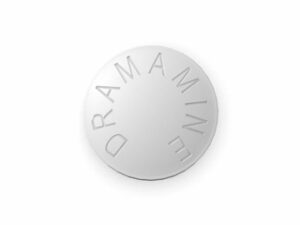


Antivert (Meclizine) – Patient Information (UK)
Antivert contains meclizine, an antihistamine used to help relieve symptoms of vertigo (a spinning sensation) and related motion-related nausea. This guide explains how Antivert works, when to take it, key safety points, interactions, and practical tips to get the most benefit from treatment.
This information is intended to help you understand your medicine. Always follow the instructions provided with your product and consult a healthcare professional if you are unsure.
Quick Facts
- Medicine name: Antivert (meclizine)
- Type: Antihistamine (H1 receptor antagonist) with anti-vertigo effects
- Common uses: Vertigo, dizziness, nausea/vomiting associated with inner-ear disturbances and motion
- Typical onset: Often within 1–2 hours (varies by person)
- Possible side effects: Drowsiness, dry mouth, blurred vision, constipation
- Important safety note: May cause sedation—avoid driving and alcohol
Basic Product Information
| Item | Details |
|---|---|
| Active ingredient | Meclizine |
| Drug class | Antihistamine (H1) / anti-vertigo agent |
| How it works | Helps reduce signals related to motion sickness and vertigo in the brain |
| Form | Oral tablets (strengths may vary by product) |
| How to take | Swallow with water; follow dosage instructions on the pack |
Mechanism of Action (How Antivert Works)
Meclizine is an antihistamine that works in the brain to help control symptoms of vertigo and motion sickness. It blocks certain histamine (H1) receptors, which reduces abnormal activity in the balance pathways and can lessen:
- Dizziness and spinning sensations
- Nausea and vomiting caused by motion or vestibular disturbances
- Feeling “off-balance”
By calming the vestibular and nausea pathways, it can improve comfort and make daily activities more manageable during episodes.
Pharmacokinetics (Absorption, Distribution, and Duration)
Pharmacokinetics describes how the body processes a medicine. While exact values can vary among individuals, key practical points include:
- Absorption: Meclizine is absorbed after oral dosing.
- Onset of action: Symptom relief is often noticed within about 1–2 hours.
- Duration: Effects typically last several hours, making it useful for short-term or intermittent symptom control.
- Metabolism & elimination: Meclizine is metabolised in the body and cleared primarily through normal biological processes (details may vary).
Because vertigo triggers differ from person to person, your prescriber or pharmacist may recommend a specific schedule for your situation.
Typical Uses and Indications (What It’s Used For)
Antivert (meclizine) is used to help relieve symptoms such as:
- Vertigo (a sensation of spinning or dizziness)
- Motion sickness–related dizziness and nausea
- Nausea and vomiting associated with vestibular disturbances
- Dizziness where antihistamine/anti-vertigo action is appropriate
Important: Antivert treats symptoms. It does not cure the underlying cause of vertigo (for example, some inner-ear conditions, migraines, or other medical causes). If symptoms persist, worsen, or recur frequently, seek medical advice.
When to Take It (Timing)
Timing can make a big difference, especially for motion-related symptoms:
- For motion sickness: Take it about 1 hour before travel or exposure to motion (for example, before a car journey, boat trip, or flight), unless your product instructions say otherwise.
- For dizziness/vertigo episodes: Take it at the time symptoms start, following the dosing guidance on the pack or provided by a clinician.
- Spacing doses: Keep doses evenly spaced if repeated dosing is required.
If you feel unusually drowsy, consider taking the dose when you can rest rather than during tasks that require full alertness.
Food Interactions
Meclizine may be taken with or without food. However:
- Some people find that taking it with food reduces stomach upset.
- Very heavy meals may slow the onset slightly for some medicines, though meclizine’s symptom relief often still occurs within the usual timeframe.
Practical tip: If you’re prone to nausea, choose a time when you can keep food down comfortably.
Alcohol and Medicine Interactions
Alcohol
Antivert can cause drowsiness and reduced reaction time. Alcohol can intensify these effects.
- Recommendation: Avoid alcohol while taking Antivert, or at least avoid drinking more than a small amount.
- Safety: Alcohol plus sedation increases the risk of falls, accidents, and impaired driving.
Other medicines (important interaction examples)
Because meclizine has sedating and anticholinergic-type effects, it may interact with medicines that also affect alertness or the nervous system. Check with a pharmacist if you take any of the following:
- Other sedatives (e.g., sleeping tablets)
- Opioid painkillers (increased risk of drowsiness and breathing problems)
- Some antidepressants and anxiety medicines (may add sedation)
- Antipsychotics (possible increased effects on the brain)
- Strong antihistamines (duplication can increase side effects)
- Medicines for Parkinson’s disease or other anticholinergic medicines (may increase dryness/constipation)
Always review your medication list: Even medicines that you can buy over the counter may contain ingredients that increase sedation or cause dizziness.
Dose and How to Use Antivert (Meclizine)
Always follow the dose instructions on your specific product label. Strengths and dosing schedules may vary between brands and presentations.
Below is typical dosing information for many meclizine products. Your pack instructions may differ—use the pack or pharmacist guidance for the most accurate UK-specific advice.
Adults
- Common dosing: Often taken in repeated doses during symptomatic periods, typically with doses separated by several hours.
- For motion sickness: Take about 1 hour before travel as advised above.
Children
Meclizine dosing for children depends on age and the specific product. Children should only use this medicine if the product is suitable for their age and if dosing instructions are clearly provided. Consult a pharmacist or healthcare professional for guidance.
Older adults
Older adults may be more sensitive to side effects such as drowsiness, confusion, falls, and constipation. A lower dose or extra caution may be recommended by a healthcare professional.
How to take
- Swallow tablets with water.
- Try to take at the times recommended on the pack.
- If you forget a dose, take it when you remember unless it’s close to the next scheduled dose—do not double up.
Safety Profile (Who Should Be Cautious)
Like all medicines, Antivert (meclizine) can cause side effects. Most people experience mild effects, but some require urgent attention.
Common side effects
- Drowsiness or tiredness
- Dry mouth
- Blurred vision
- Constipation
- Headache
- Feeling “slow” or reduced coordination
Less common but serious warning signs
Seek urgent medical help if you experience symptoms such as:
- Allergic reaction (swelling of face/lips, breathing difficulty, widespread rash)
- Severe confusion, agitation, or hallucinations
- Fainting or severe dizziness
- Signs of trouble breathing or unusually slow breathing (especially if combined with other sedating medicines)
- Severe constipation or inability to pass stool/gas
Situations requiring extra caution
- Driving and machinery: Do not drive or operate machinery if you feel sleepy, dizzy, or your vision is affected.
- Glaucoma: Antihistamines may worsen narrow-angle glaucoma.
- Difficulty urinating: Anticholinergic effects may aggravate urinary retention, particularly in men with prostate enlargement.
- Severe constipation history: Antivert may worsen constipation.
- Existing neurological symptoms: If your dizziness is due to a neurological condition, seek medical advice rather than self-treating.
Practical Use Tips
- Plan for sedation: On your first day, take a dose when you don’t need to be alert for long.
- Hydrate: Dry mouth can occur—sip water or use sugar-free sweets.
- Move slowly: If you feel unsteady, get up gradually to reduce fall risk.
- Reduce triggers: For vertigo, avoid sudden head movements and consider resting in a quiet, dark room during flare-ups.
- Keep symptom notes: Track triggers (e.g., head position, stress, migraine symptoms) to share with a clinician if needed.
- Reassess if not improving: If symptoms persist beyond expected short-term control or you have worsening dizziness, seek professional advice.
Alternative Options (Other Ways to Manage Vertigo and Nausea)
Depending on the cause of your vertigo, other treatments may be more appropriate. Options your pharmacist or doctor may consider include:
- Other anti-vertigo/antihistamine medicines (different active ingredients may suit different people)
- Repositioning manoeuvres for certain inner-ear conditions (for example, BPPV). These can be highly effective when used correctly.
- Vestibular rehabilitation exercises to improve balance adaptation (especially in chronic dizziness).
- Migraine-related management if vertigo is part of migraine (diet, preventive therapy, or specific acute treatments).
- Antiemetic medicines for nausea/vomiting when symptoms are severe.
Note: The best option depends on your diagnosis. If your dizziness is new, severe, or accompanied by other symptoms (such as weakness or speech difficulty), seek urgent medical attention.
Market and Legal Context in the United Kingdom
In the UK, medicines are regulated by the Medicines and Healthcare products Regulatory Agency (MHRA) and are classified according to supply status (for example, Pharmacy, General Sales List, or Prescription-only). Whether a product is available online may depend on its classification, age restrictions, and safety requirements.
Important: Product availability and labelling can vary. A reputable online pharmacy will provide clear product information, age guidance, and delivery terms. Always ensure the product you purchase matches the medicine name and active ingredient you intend to use.
Recent guidance and best practice: UK healthcare advice increasingly emphasises correct identification of vertigo causes (especially distinguishing benign positional vertigo from other neurological or vascular causes) and cautious use of sedating medicines, particularly in older adults and those at risk of falls. If symptoms recur frequently, a clinician assessment can improve long-term outcomes.
Delivery and Availability (UK)
Antivert (meclizine) may be available through online pharmacies subject to legal supply rules and stock. Delivery times depend on the provider, your location, and carrier schedules.
- Typical availability: Many pharmacies keep common OTC medicines in stock; availability can vary.
- Delivery estimates: Usually shown at checkout; delivery is affected by weekends and public holidays.
- Packaging: Medicines are usually supplied in original packaging with patient information.
- Track your order: Most online pharmacies offer tracking or delivery confirmation.
Tip: If you need the medicine for a planned journey, order early enough to avoid delays.
FAQ
1) What is Antivert used for?
Antivert (meclizine) is used to help relieve vertigo (dizziness/spinning), and nausea or vomiting related to motion or inner-ear balance problems.
2) How fast does it work?
Many people feel symptom improvement within about 1–2 hours. Effects and speed of relief vary depending on the person and the cause of dizziness.
3) Should I take it with food?
It can usually be taken with or without food. If you find it upsets your stomach, taking it with food may help.
4) Can I drink alcohol while taking Antivert?
It’s best to avoid alcohol because it can increase drowsiness and impair coordination. This combination increases the risk of accidents.
5) Can I drive after taking Antivert?
If Antivert makes you drowsy, your vision is blurred, or you feel unsteady, do not drive. Until you know how you respond, it’s safer not to drive after taking it.
6) What side effects are common?
Common side effects include drowsiness, dry mouth, blurred vision, and constipation.
7) Are there any people who should avoid it or use caution?
Extra caution may be needed if you have glaucoma, urinary retention or difficulty urinating, severe constipation, or if you are elderly or sensitive to sedation. If you are unsure, ask a pharmacist.
8) How should I use it for travel sickness?
For motion sickness, take it about 1 hour before travel (unless your product label instructs otherwise). You can then follow the recommended dosing schedule if symptoms continue.
9) What if I take other cold or allergy medicines too?
Some cold/allergy products contain sedating antihistamines. Using them together with meclizine may increase drowsiness and other side effects. Check labels and speak to a pharmacist.
10) When should I seek medical help for dizziness?
Seek urgent medical advice if dizziness is accompanied by weakness on one side, speech or vision changes, fainting, severe headache, chest pain, or if it is a new and unexplained problem. If symptoms persist or frequently recur, arrange medical review.
Summary
Antivert (meclizine) is an antihistamine medicine that helps relieve vertigo and motion-related nausea. It works by calming pathways involved in balance and nausea. While it can be effective for symptom control—particularly around travel—be aware of the potential for drowsiness and other side effects. Always follow the instructions on the pack, avoid alcohol, and seek medical advice if dizziness is severe, persistent, or associated with concerning symptoms.