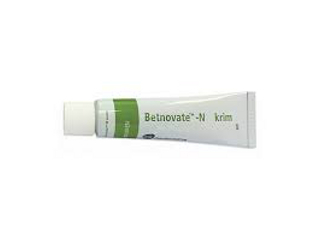
Betamethasone valerate – Cream and Ointment (Skin Steroid)
Betamethasone valerate is a corticosteroid medicine used on the skin to reduce inflammation, redness, itching and swelling. It is commonly supplied as a cream or ointment and is used for a range of inflammatory skin conditions in adults and children (where appropriate).
This patient-friendly guide explains what betamethasone valerate does, how it works, how it is used safely, and what to expect. Always follow the instructions on your product label or the advice you have been given by a healthcare professional.
Product overview (UK)
| Category | Topical corticosteroid (for skin use) |
|---|---|
| Active ingredient | Betamethasone valerate |
| Common forms | Cream, ointment (strength varies by product) |
| Typical strengths | Often 0.025% (0.25 mg/g) or 0.05% (0.5 mg/g) depending on brand/formulation |
| Where it’s used | Inflamed skin conditions (not for eyes or inside the body) |
| How it’s supplied in the UK | Some products are available through pharmacies; stronger formulations may require pharmacy advice |
How betamethasone valerate works (mechanism of action)
Betamethasone valerate is a corticosteroid. After applying to affected skin, it is taken up by the outer layers and helps to reduce inflammatory activity. It does this by:
- Reducing immune signalling that drives inflammation, redness and itching.
- Decreasing swelling and irritation in the skin.
- Calming overactive skin responses seen in conditions such as eczema and dermatitis.
It treats symptoms by lowering inflammation. It does not cure the underlying tendency to develop inflammatory skin, so maintenance may be needed for recurrent flare-ups.
Pharmacokinetics (what happens in the body)
Because betamethasone valerate is used on the skin, most of the medicine acts locally at the application site. Only a small amount usually enters the bloodstream when applied to intact skin as directed.
- Absorption: Absorption through the skin can increase if the area is large, if the skin is inflamed or damaged, if it is under occlusion (covered with tight dressings/plasters), or if used on thin skin areas (e.g., face, groin, armpits).
- Metabolism: Any absorbed steroid is metabolised mainly in the liver.
- Elimination: Metabolites are excreted mainly via the kidneys.
For most people using the recommended amount for the shortest appropriate time, systemic effects are unlikely. However, long-term, widespread use or use under occlusion can raise the risk of steroid-related side effects.
Typical use – what it’s for
Betamethasone valerate is used for inflammatory skin conditions where a topical steroid can help. Common indications include:
- Eczema (including atopic eczema flare-ups)
- Dermatitis (inflammatory dermatitis)
- Inflammation and itch due to steroid-responsive conditions
It may be used in other situations based on clinical judgement. If you are treating a condition that may involve infection (for example, weeping lesions, crusting, or fever), you should seek medical advice first because steroids can sometimes worsen untreated infections.
Important note about infections
Topical steroids are generally used when inflammation is the main problem. If the condition is caused by, or complicated by, infection (fungal, bacterial, or viral), a different treatment approach may be needed. Signs that warrant extra caution include:
- Yellow crusting, pus, or rapidly spreading redness
- Ring-like patches that may suggest a fungal infection
- Blisters or lesions that are painful or recurrent in clusters
Indications – when it may be suitable
Betamethasone valerate is typically considered for inflammatory, itchy, red skin when:
- Symptoms are steroid-responsive (as assessed by a clinician or pharmacist)
- The affected area can be treated safely on the skin surface
- There are no signs that the condition is primarily infectious or requires different therapy
It should not be used in the eye area, on broken skin unless advised, or on suspected untreated infections.
Dosing and timing – how to apply
The exact dose depends on the strength of the product, the severity of symptoms, and the area of skin involved. Many topical steroid regimens for betamethasone valerate use a thin layer applied once or twice daily, usually for a short course.
General guidance (follow your product instructions)
- Apply a thin film to the affected skin and rub in gently until it disappears.
- Wash your hands after application (unless the hands are the treated area).
- Avoid eyes and mucous membranes (e.g., inside the nose, mouth, genitals).
- Use the smallest amount that works, for the shortest time needed to control symptoms.
How long should you use it?
In many cases, symptoms improve over several days. If there is no improvement within about 7–14 days (or symptoms worsen sooner), stop and seek medical/pharmacy advice. Continued treatment without review increases the risk of skin thinning and other side effects.
Practical amount: the fingertip unit (FTU)
A common way to measure topical steroid amounts is the fingertip unit (FTU). One FTU is the amount squeezed along the fingertip from the distal skin crease to the tip.
While exact FTU needs vary by patient and area, FTUs can help avoid under- or over-treating. Ask your pharmacist for the most appropriate guidance for your product strength and body area.
Where and when to avoid use
- Face, eyelids, groin, and armpits: use with particular caution; ask for specific advice.
- Children: safer use may require lower amounts and shorter duration—seek advice.
- Broken skin or open wounds: only if advised by a healthcare professional.
- Under occlusion: avoid unless instructed (occlusion increases absorption).
If you are using dressings, waterproof coverings, or tight clothing over the treated area, it can trap the steroid and increase absorption.
Food interactions
Betamethasone valerate is a topical medicine, and there are generally no known food interactions. Absorption through the skin is usually low when used correctly.
If you are using other medicines alongside topical treatment, always check possible interactions for those medicines, but food is unlikely to affect betamethasone valerate.
Alcohol interactions
There is no specific alcohol interaction expected from betamethasone valerate when used as a topical steroid on the skin. Alcohol does not typically alter steroid action or absorption from the skin.
However, if you have systemic steroid exposure (for example, oral steroid treatment), general health considerations still apply. Follow guidance from your healthcare professional.
Medicine interactions
Because absorption is usually limited, direct drug–drug interactions with other medicines are not commonly expected. However, interactions may become relevant when:
- Large areas are treated
- Strong occlusion is used
- Treatment is prolonged
- Skin barrier is significantly impaired
Tell a healthcare professional if you use other topical products on the same area (for example, other steroids, retinoids, or products that may irritate) to reduce the chance of irritation or uneven effects.
Safety profile – side effects and warnings
Like all medicines, betamethasone valerate can cause side effects, although not everyone experiences them. Many people use it without problems when applied correctly for the shortest effective time.
Common skin-related side effects
- Skin irritation or burning sensation
- Itching
- Dryness or mild skin reactions
- Folliculitis (inflammation around hair follicles)
Less common but important skin changes
- Skin thinning (atrophy)
- Stretch marks (striae)
- Visible blood vessels (telangiectasia)
- Changes in skin colour (hypopigmentation or hyperpigmentation)
Systemic effects (unlikely with correct use)
If used over large areas, under occlusion, or for longer periods, small amounts may be absorbed into the bloodstream, increasing risk of steroid effects such as:
- Suppression of the body’s natural steroid production
- Higher risk of infection
- Effects on growth in children with prolonged or excessive use
Seek advice promptly if you are concerned about unusually widespread symptoms, recurring infections, or if a child is being treated.
When to stop and seek help
Contact a pharmacist or clinician urgently if you notice:
- Signs of infection (worsening redness, pus, fever, rapidly spreading rash)
- Severe or persistent burning, swelling, or allergic-type reactions
- No improvement within the expected timeframe
- Symptoms return quickly after stopping and you need repeated courses
Practical use tips (to get the best results safely)
- Moisturise regularly: For eczema-prone skin, emollients help restore the skin barrier and can reduce flare-ups. Apply emollient first if directed, then the steroid as advised.
- Use a “step-down” approach: Once symptoms improve, you may be advised to reduce frequency rather than stopping abruptly. Follow your label instructions or professional advice.
- Don’t cover unless told: Avoid tight wraps or occlusive bandages unless specifically instructed.
- Take care on thin skin: The face and groin absorb more—seek advice for these areas.
- Keep treatment short: Use the minimum effective duration.
- Hygiene: Apply with clean hands and avoid touching the nozzle/tube tip to skin if your product design allows it.
Alternative options for inflammatory skin (UK)
Treatment choices depend on the condition, location, severity, age, and whether infection is present. If betamethasone valerate is not suitable, options may include:
- Emollients (moisturisers) as a mainstay for eczema and dry, inflamed skin
- Non-steroidal anti-inflammatory creams (e.g., topical calcineurin inhibitors) for certain areas or long-term maintenance, if clinically appropriate
- Different-strength topical steroids or alternate steroid classes depending on site and severity
- Moisturiser plus tailored skin care plans for recurrent flares
- Antifungal or antibacterial treatments if infection is suspected or confirmed
Your pharmacist can help you decide on suitable over-the-counter emollients and guidance, while a clinician may recommend specific non-steroid or combination treatments for complex cases.
Market and legal context in the United Kingdom
In the UK, availability and prescribing/ supply routes for medicines depend on formulation strength and classification. Betamethasone valerate topical products are generally handled within established UK medicine governance for pharmacy access where appropriate. Some products are available through community pharmacies with professional assessment, while higher-strength or specific formulations may require clinician involvement depending on local supply rules and product licensing details.
For patient safety, it’s common for pharmacies to ask about:
- Your age and the body area to be treated
- Whether skin might be infected
- How long symptoms have been present
- Other medicines and skin products being used
- Past steroid use and response
If you are seeking treatment for children, the face, groin, or large areas, pharmacists typically advise extra care. This reflects safety considerations around absorption and skin thinning risks.
Recent guidance and considerations (UK)
UK eczema and dermatology advice commonly emphasises:
- Using topical steroids only when appropriate and for the shortest time needed to control symptoms.
- Maintaining with emollients to reduce the frequency and severity of flares.
- Applying to the right areas with careful avoidance of sensitive sites unless advised.
- Seeking review if symptoms persist, spread, or return rapidly.
If your symptoms do not respond as expected, or if the pattern suggests infection, a clinician may recommend an alternative diagnosis or different treatment.
Delivery and availability (online pharmacy UK)
Betamethasone valerate products are commonly available through UK online pharmacies and typically delivered to the address you choose at checkout. Availability may vary by:
- Strength (e.g., 0.025% vs 0.05% depending on brand)
- Form (cream vs ointment)
- Current pharmacy supply and stock levels
Delivery times depend on your location and the service selected (for example, standard vs tracked delivery). You should receive tracking information where available. Always check product details on the website to confirm: strength, formulation, and expiry date.
If you need advice on which formulation fits your skin type and the affected area, use the pharmacy help options provided on the website.
Common questions (FAQ)
Is betamethasone valerate a steroid?
Yes. Betamethasone valerate is a topical corticosteroid. It reduces inflammation in the skin.
What’s the difference between cream and ointment?
Creams are often lighter and may suit weepy or more irritated areas. Ointments are typically greasier and can be more moisturising, which may suit very dry or thickened skin. Your pharmacist can help you choose the best form.
When should I apply it – morning or night?
Many regimens use once or twice daily. Apply at times that fit your routine (for example, morning and/or evening), and be consistent. If you apply twice daily, space doses evenly. Follow your specific product instructions.
Can I use it on my face?
Betamethasone valerate can be more risky on the face because skin is thinner and absorption may be higher. Use only if advised by a healthcare professional or if your specific product instructions indicate it is suitable.
How long will it take to work?
Some improvement may be seen within a few days. If there is no improvement within about 7–14 days or if symptoms worsen, seek review.
Should I keep using it once my skin looks better?
Typically, you should reduce or stop once symptoms settle, because prolonged use increases the risk of side effects. If your clinician has given a step-down plan, follow that guidance.
Can I put moisturiser on top of it?
In general, you can use emollients to support the skin barrier. If you apply both treatments, apply the steroid first (unless your advice says otherwise), and wait a short period before moisturising if needed.
Is it safe to use under occlusive dressings?
Avoid coverings that increase absorption (tight wraps, occlusive bandages) unless your clinician specifically tells you to. Occlusion can increase steroid absorption and side effects.
What if I miss a dose?
Apply it when you remember unless it’s close to the next dose. Don’t apply extra to make up for a missed amount.
Can I use it if I think my rash is infected?
If you suspect infection, speak to a pharmacist or clinician before using steroid-only treatment. Steroids can sometimes mask or worsen infections.
Are there any long-term concerns?
Long-term or high-dose use on large areas increases the risk of skin thinning and steroid-related effects. Using the minimum effective amount for the shortest appropriate time is key.
Is betamethasone valerate suitable for children?
It may be used in children for certain conditions, but dosing and duration require extra caution due to higher absorption relative to body size. Seek advice to ensure safe use.
Summary – key points to remember
- Betamethasone valerate is a topical steroid that reduces skin inflammation, redness and itching.
- Apply a thin layer to affected areas and avoid sensitive sites unless advised.
- Use for the shortest effective time and review if there’s no improvement in 7–14 days.
- Minimise risks by avoiding occlusion and using sensible amounts.
- If infection is suspected or symptoms worsen, get advice promptly.
If you have questions about your specific skin condition, product strength, or how to apply it safely, please consult a pharmacist for tailored guidance.