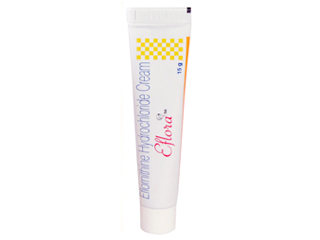
Eflornithine (for long-term facial hair reduction)
Eflornithine is a medicine used to reduce unwanted facial hair in certain people with persistent, troublesome facial hair. In the UK it is typically used as a treatment option for women with advanced unwanted facial hair due to specific conditions (most commonly assessed as hirsutism). This guide explains how eflornithine works, how it is used, important safety points, interactions, and practical tips to help you get the best results.
Always follow the instructions given by your healthcare professional and read the patient information leaflet that comes with your medicine. If you are unsure about any aspect of use, seek advice from a pharmacist or clinician.
Basic product information
| Item | What to know (general) |
|---|---|
| Generic name | Eflornithine |
| Common use (UK) | Reduction of unwanted facial hair in selected patients |
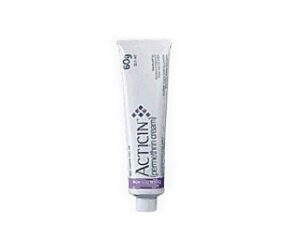
| Form | Typically topical cream (exact brand strength and formulation can vary) |
| How it’s applied | Applied to the affected facial areas |
| How long it takes to work | Improvements often take several weeks; full benefit may take longer |
| Who it’s for | Selected individuals after clinical assessment |
| Availability in the UK | May be supplied by UK pharmacies based on availability and clinical need |
How eflornithine works (mechanism of action)
Eflornithine slows down a key step involved in the production of polyamines (naturally occurring substances needed for cell growth). In the context of hair follicles, it helps reduce the activity required for unwanted hair growth.
More simply: eflornithine works by inhibiting a specific biochemical pathway that contributes to hair follicle development and hair growth. Over time, this results in fewer and finer hairs in treated areas.
Why topical treatment matters
When applied to the skin, eflornithine is designed to act locally on the hair follicles in the treated area. The goal is to reduce the growth cycle rather than simply removing hair temporarily.
Pharmacokinetics (how the body handles it)
Pharmacokinetics describe what the body does with a medicine—how much gets absorbed, how it distributes, and how it is eliminated. With topical use, overall absorption can be limited compared with oral dosing, and amounts reaching the bloodstream are generally low.
- Absorption: Topical application may lead to limited systemic absorption through the skin.
- Distribution: Any absorbed fraction is distributed within the body according to its properties.
- Metabolism and elimination: The medicine is cleared from the body through normal metabolic and excretory processes.
Exact pharmacokinetic values depend on factors such as skin condition, amount applied, and whether the skin is intact or irritated. If you have eczema, broken skin, or frequent irritation, your healthcare professional may advise changes to prevent increased absorption.
Typical use and indications (UK)
In the UK, eflornithine is used as a treatment option for persistent unwanted facial hair in selected patients. A clinician typically decides whether eflornithine is suitable based on:
- Extent and severity of facial hair
- Suitability of alternative options
- Skin sensitivity and existing facial hair management routine
- Medical history and potential drug interactions
Common clinical aim
The goal is reduction in facial hair growth and improvement in hair appearance. Eflornithine is not usually intended as a rapid “instant” hair remover; it is designed for longer-term use.
How and when to use it (timing)
Timing and consistency are important for results. Follow the schedule provided with your product or by your prescriber. Typical regimens involve regular application over many weeks.
Practical step-by-step application
- Cleanse gently: Wash the area with a mild cleanser and pat dry. Avoid harsh scrubbing.
- Apply a thin layer: Use the amount recommended for your product. Cover the targeted facial hair areas.
- Avoid eyes and mucous membranes: Keep away from eyelids, inside the nose, lips, and any broken skin.
- Wash hands after application: Unless your hands are part of the treated area, wash them thoroughly.
- Stick to the schedule: Use at the same times each day where possible.
When you should expect results
Many people notice changes gradually. It can take several weeks to see a meaningful difference. Because hair growth cycles take time, stopping early may prevent you from achieving the best possible outcome.
If there is no improvement after an appropriate trial period, speak to your clinician about continuing, adjusting, or switching therapy.
Dose (general guidance)
Dose depends on the formulation and strength of the specific product you receive. Always use the dose stated in your product instructions.
- Typical regimen: Topical application to the affected facial areas as directed.
- Do not over-apply: Using extra product does not reliably speed up results and may increase irritation.
- Skin tolerance matters: If you develop significant irritation, your healthcare professional may adjust your use pattern.
If you are unsure of your exact dose schedule, check your leaflet or ask a pharmacist.
Food interactions
Food interactions are generally unlikely with topical eflornithine because systemic absorption is typically low. Nevertheless, to be safe:
- If you are also taking other medicines (oral tablets, for example), check for interactions with those drugs separately.
- If you have liver or kidney problems, ask a clinician whether any extra monitoring is needed.
Alcohol and medicine interactions
There are no well-known, specific alcohol interactions that commonly affect topical eflornithine. However, consider the following:
- Skin comfort: Alcohol-based skincare products (toners, aftershaves) may irritate or dry the skin, worsening redness or sensitivity.
- Other medicines: If you take medicines that affect hair growth, hormones, or skin reactions, your clinician/pharmacist should assess overall compatibility.
If you experience unusual reactions after starting eflornithine—such as severe burning, swelling, or widespread rash—seek medical advice promptly.
Safety profile and side effects
Like all medicines, eflornithine can cause side effects. Not everyone will experience them. Many effects, when they occur, are mild and related to the skin.
Common skin-related side effects
- Skin irritation, redness, or a burning sensation
- Dryness or mild stinging
- Itching
- Acne-like or follicle-related reactions
- Flaking or peeling in treated areas
Less common but more serious reactions
Stop using the product and seek medical advice urgently if you develop:
- Severe swelling of the face or eyelids
- Breathing difficulties or wheezing
- Signs of a significant allergic reaction (for example widespread hives)
- Severe blistering, skin breakdown, or intense pain
Long-term safety
When used as directed over the recommended timeframe, eflornithine is generally well tolerated. However, ongoing use should be reviewed periodically with a healthcare professional—especially if you have sensitive skin or require long-term treatment.
Practical use tips for best results
- Keep the skin barrier healthy: Use a gentle, fragrance-free moisturiser if needed and only as advised.
- Avoid harsh skin products: Minimise exfoliants, strong acids, and abrasive scrubs on treated areas.
- Be careful with shaving or hair removal: If you shave, do it gently. Avoid applying immediately after aggressive shaving to reduce irritation.
- Don’t cover with occlusive dressings: Unless instructed, avoid sealing the area under tight bandages or makeup that traps irritation.
- Consistency beats intensity: Apply regularly as directed rather than using “extra” product.
- Sun protection: If treated skin becomes sensitive, consider using suitable sun protection (for facial skin, use non-irritating products).
Missed dose
If you miss an application, apply it when you remember unless it is close to the next scheduled dose. Do not apply extra to compensate. If you are unsure, ask your pharmacist for advice based on your schedule.
Alternative options
Depending on the cause of unwanted facial hair and individual preferences, other treatments may include:
Hair removal methods
- Shaving, depilatory creams (may irritate sensitive skin)
- Waxing or threading (can cause irritation or ingrown hairs)
- Laser hair reduction
- Electrolysis
Medical treatment options
- Hormonal approaches for appropriate causes (after clinical assessment)
- Other dermatological treatments that may be used for hair reduction depending on eligibility
- Combination strategies (for example, medical treatment plus hair removal techniques)
If you want to explore alternatives, a clinician can consider your hair characteristics, skin type, and whether an underlying hormonal cause needs assessment.
Market and legal context in the UK
Medicine availability and prescribing practices are governed by UK healthcare regulations and national guidance. In the UK, availability can vary based on supply, formulation, and local prescribing policies.
Eflornithine is used in line with clinical assessment and product-specific instructions. Your pharmacy may supply it only when it is appropriate for your condition and when it is available in the required formulation/strength.
Recent guidance and practical considerations
While advice can vary by clinical setting, ongoing UK dermatology practice generally emphasises:
- Careful patient selection (confirming suitability for facial hair reduction)
- Monitoring of skin tolerance and adherence
- Reviewing treatment response after a reasonable trial period
- Considering underlying causes if hair growth is sudden, progressive, or accompanied by other symptoms
If you have concerns about the cause of your hair growth, your clinician may suggest further evaluation.
Delivery and availability (UK)
Availability can change. When ordering from an online pharmacy, stock status may depend on current supply and demand. We recommend checking:
- Formulation/strength: Ensure you select the correct product and size.
- Delivery time: Delivery estimates are usually shown at checkout.
- Packaging: Medicines should arrive in tamper-evident packaging with clear labelling.
- Cold chain: Topical eflornithine is not usually temperature-sensitive, but keep the medicine at recommended room temperature.
If the medicine is temporarily unavailable, the pharmacy may offer an alternative option or an expected restock date where possible.
Safety checklist before you start
- Have you had an allergic reaction to eflornithine or any ingredients in the product before?
- Do you have sensitive skin, eczema, or frequent irritation on your face?
- Are you using other facial products that may irritate (strong acids, retinoids, harsh cleansers)?
- Do you plan to shave or use hair removal methods soon after starting?
Consider discussing any concerns with a pharmacist—especially if you are using multiple skincare products or have recurring skin conditions.
FAQ
1) What is eflornithine used for?
Eflornithine is used to help reduce unwanted facial hair in selected patients. It works by slowing down hair follicle activity associated with hair growth, leading to fewer and finer hairs over time.
2) How long does it take to see results?
Results typically develop gradually. Many people notice improvement after several weeks, while fuller benefit may take longer. Consistent application as directed is important.
3) Can I wear makeup or sunscreen?
You can usually use makeup or sunscreen, but avoid applying directly on top of fresh product unless your clinician/pharmacist advises it. Choose gentle, non-irritating products. If your skin becomes sensitive, prioritise soothing care and sun protection.
4) What should I do if my skin becomes red or irritated?
Mild irritation can occur. If symptoms are persistent or severe, stop and seek advice. Your healthcare professional may recommend adjusting the application schedule or adding supportive skincare to protect the skin barrier.
5) Does eflornithine remove hair permanently?
It reduces hair growth while you use it and requires ongoing treatment for continued benefit. Permanent hair removal is usually achieved with methods such as electrolysis, depending on individual circumstances.
6) Are there any food interactions?
Food interactions are not generally expected with topical eflornithine because systemic absorption is typically low. Interactions, if any, are more likely to relate to your skincare routine or other medicines.
7) Can I drink alcohol while using eflornithine?
There is no common, well-established alcohol interaction for topical eflornithine. However, alcohol-based skincare products may irritate treated skin, and your general health or other medicines may affect how you tolerate alcohol.
8) Can I shave or use hair removal methods?
You can often continue hair removal routines, but they may worsen irritation. Be gentle, avoid aggressive hair removal right after application, and follow product guidance. If you develop follicle irritation or ingrown hairs, ask a pharmacist for advice.
9) What if I miss a dose?
Apply when you remember unless it is close to the next scheduled application. Do not use extra product to make up for missed doses.
10) Are there alternatives if eflornithine doesn’t suit me?
Yes. Options may include different hair reduction approaches such as laser or electrolysis, and other medical treatments depending on the cause of hair growth. Discuss suitability with a clinician.
Summary
Eflornithine is a topical medicine used for long-term reduction of unwanted facial hair in selected patients in the UK. By targeting a biochemical pathway involved in hair follicle activity, it can help decrease hair growth over time. For best results, apply it consistently as directed, protect your skin barrier, and review your response with a healthcare professional. If you experience significant irritation or any signs of an allergic reaction, seek medical advice promptly.