Imiquimod: Patient-Friendly Guide (UK)
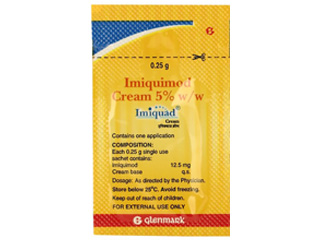
Imiquimod is a medicine used to treat certain skin conditions caused by viruses and abnormal cell growth. It works by stimulating parts of the immune system in the skin, helping your body respond more effectively to the condition being treated.
This guide explains what imiquimod is, how it works, how it’s usually used, important safety information, and practical tips. It is written for people in the United Kingdom and includes general information commonly relevant to UK healthcare settings.
1. Basic product information
| Feature | What you’ll typically see |
|---|---|
| Active ingredient | Imiquimod |
| Common strengths (examples) | Depending on product: 5% cream or other formulations |
| Typical form | Cream (apply to the skin) |
| How it’s used | Applied thinly to affected areas |
| Key effect | Boosts local immune response |
Important: Brands and strengths can vary. Always follow the specific instructions on your product label and any guidance provided by your healthcare professional.
2. Mechanism of action (how imiquimod works)
Imiquimod is an immune-modifying medicine. When applied to the skin, it activates immune pathways locally. One of the key actions is stimulation of interferon and other immune-related signals in the skin.
- Helps the immune system recognize and respond to abnormal or virus-infected skin cells.
- May reduce visible lesions such as some types of warts or superficial skin abnormalities.
- Produces local inflammation as part of its effect—this is often expected, though severe reactions may require medical advice.
Because the medicine works by triggering immune activity, effects can take time, and early improvement is not always immediate.
3. Pharmacokinetics (how the body handles imiquimod)
Pharmacokinetics describes what happens to a medicine after it’s applied—absorption, distribution, metabolism, and elimination.
- Absorption: When used as directed on the skin, only a small amount is typically absorbed into the bloodstream. Absorption may increase if you apply more than recommended, cover the treated area with occlusive dressings, or if the skin barrier is damaged.
- Distribution: Because systemic absorption is generally low, widespread body distribution is not expected in normal use.
- Metabolism: Imiquimod is metabolised mainly in the body (details may vary based on individual factors).
- Elimination: Metabolites are eliminated largely via the kidneys and through normal body clearance processes.
Practical meaning: With correct use, most people experience the medicine’s effects mainly in the treated skin area, not throughout the body.
4. Typical uses in the UK
Imiquimod is commonly used for the following types of skin conditions (product details may vary by formulation):
- Genital warts caused by human papillomavirus (HPV).
- Superficial basal cell carcinoma in selected cases, where the treatment approach is appropriate (as directed by a clinician).
- Actinic keratosis (sun-damaged precancerous patches) in certain regimens.
Not every lesion is suitable for imiquimod. Suitability depends on size, location, thickness, number of lesions, past treatments, and overall skin health.
5. Timing and course length (what to expect)
Imiquimod is usually applied at specific times and for a planned duration. Timing matters because the medicine is designed to work locally and may provoke a controlled immune response.
- Common practice: Many regimens call for application in the evening (or before bedtime).
- Leave on the skin: Follow the “leave on” time stated for your specific product (often around several hours) before washing it off.
- Course length: Varies by condition—some treatments are short, others may last several weeks.
Expected timeline: You may notice redness, swelling, or irritation during treatment. This can be part of the medicine working. Improvement and clearance can take weeks and may continue after the treatment ends.
6. How to use imiquimod (typical dosing instructions)
Always use exactly as instructed for your condition. The dosing schedule differs depending on diagnosis and the formulation strength.
General principles
- Use a thin layer on clean, dry skin.
- Wash your hands before and after applying (unless your clinician instructs otherwise).
- Avoid eyes, lips, inside the nostrils, and inside genital openings. Only use on the skin area directed by your healthcare professional.
- Do not apply to broken, infected, or severely irritated skin unless your clinician has advised it.
Typical dosing frequency (examples)
Below are commonly used regimens seen in clinical practice. Your product leaflet and clinician instructions take priority.
| Condition (typical) | Strength/regimen example | Typical pattern |
|---|---|---|
| Genital warts | Often 5% cream | Applied several evenings per week for a set number of weeks |
| Actinic keratosis | Often 5% cream | Applied on multiple days per week for up to several weeks (regimen varies) |
| Superficial basal cell carcinoma | Often 5% cream | Applied on multiple days per week for a defined duration (regimen varies) |
Note: Regimens differ by product and indication. Do not assume a frequency that matches another person’s condition. If you’re unsure, check the leaflet supplied with your specific medicine or speak with a pharmacist.
7. Food interactions
Food interactions: Because imiquimod is applied to the skin and systemic absorption is generally low when used as directed, food interactions are not typically expected.
However, if you have reduced appetite, nausea, or feel unwell during treatment, follow general advice for managing side effects and maintain hydration. For persistent or severe symptoms, seek medical advice.
8. Alcohol and medicine interactions
Alcohol
There is no well-established direct interaction between imiquimod and alcohol for typical topical use. Still, alcohol can worsen dehydration or skin irritation for some people. If you experience increased skin sensitivity or feel generally unwell, consider reducing alcohol intake and focus on gentle skin care.
Interactions with other medicines
Systemic interactions are generally unlikely due to low absorption, but it’s still important to consider potential interactions and practical issues:
- Other topical medicines on the same area: Avoid combining with strong antiseptics, exfoliants, or irritating creams unless advised.
- Immunosuppressive medicines: If you take medications that suppress your immune system, imiquimod may be less effective, and risks of unusual reactions may be higher. Discuss with a clinician.
- Radiotherapy or other skin treatments: Timing and spacing may matter. Your healthcare team will advise.
Tell your pharmacist about all medicines and supplements you use, including:
- Other creams/ointments
- Skin treatments (including herbal products)
- Immunosuppressants
- Recent vaccination or treatments for immune-related conditions
9. Indications: what imiquimod is used for
In the UK, imiquimod is indicated for selected skin problems, typically those involving:
- HPV-related warts (genital warts)
- Certain precancerous lesions caused by sun damage (actinic keratosis)
- Superficial basal cell carcinoma in appropriate cases
Diagnosis should be confirmed by a clinician or dermatologist when needed. If a lesion doesn’t look typical, grows quickly, bleeds easily, or changes in appearance, it should be assessed promptly.
10. Safety profile: who should be careful
Like all medicines, imiquimod can cause side effects. Most are local skin reactions. The aim is to balance effectiveness with tolerability.
Common side effects
- Redness and irritation at the application site
- Swelling
- Burning or itching
- Dryness and flaking
- Crusting or scabbing
- Skin erosion in treated areas (especially with strong reactions)
Less common but important effects
- Severe local inflammation (painful swelling, extensive blistering)
- Possible flu-like symptoms (fever, fatigue, muscle aches), particularly in some regimens
- Worsening of symptoms before improvement
When to seek medical advice urgently
Contact a healthcare professional promptly if you experience:
- Severe pain, rapidly spreading redness, or blistering
- Signs of skin infection (increasing warmth, pus, fever, worsening tenderness)
- Eye exposure or irritation of the eye area
- Allergic-type reactions such as widespread rash, swelling of the face/lips, or breathing difficulties
Special caution groups
- Pregnancy and breastfeeding: Always discuss with a clinician. The decision depends on the condition, extent of treatment, and your individual circumstances.
- Children: Suitability and dosing depend on age and indication.
- Immunocompromised people: Immune-modulating medicines require careful consideration.
Do not use on areas where you have had previous severe reactions to imiquimod or its ingredients.
11. Practical use tips (to improve comfort and results)
Skin care during treatment
- Be gentle: Avoid scrubbing the area.
- Use mild cleansing: Wash with lukewarm water and mild, fragrance-free soap.
- Don’t pick crusts: Let them heal naturally.
- Moisturise nearby skin if allowed: If your clinician/pharmacist says it’s okay, use moisturiser on surrounding unaffected skin only.
Application technique
- Apply at the same time each day (for example, in the evening).
- Use the recommended amount—more is not better.
- Keep the medicine away from mucous membranes (inside openings).
Managing irritation
Some redness and discomfort are common. However, severe irritation is not always helpful. If you develop significant pain or ulceration, contact a pharmacist or clinician for advice on whether to pause or adjust the approach.
12. Alternative options
The best alternative depends on the condition being treated. Your clinician may recommend one of the following depending on lesion type, location, number of lesions, and preference.
For genital warts (HPV)
- Other topical therapies (different immune or destructive approaches)
- Procedural treatments such as cryotherapy, cauterisation, or removal in specialist settings
For actinic keratosis
- Cryotherapy
- Topical treatments (different mechanisms)
- Photodynamic therapy (in some healthcare pathways)
For superficial basal cell carcinoma
- Surgical approaches (depending on size/location)
- Other non-surgical skin-directed treatments
- Radiotherapy in appropriate cases
Why alternatives matter: If you experience intolerable irritation, have extensive areas to treat, or your condition is not suitable for topical therapy, a different option may be safer or more convenient.
13. Market and legal context in the UK
In the UK, imiquimod-containing products are regulated medicines. Availability may vary by strength, formulation, and the indication for which they are supplied. In many cases, patients access imiquimod through UK healthcare pathways, and pharmacy supply may be subject to eligibility criteria and clinical review where required.
On an online pharmacy website, you can typically expect:
- Product information and leaflets included with the medicine
- Medicines advice from qualified healthcare professionals where applicable
- Secure ordering processes that support safe supply
Recent guidance: Clinical recommendations for topical treatments can evolve based on new evidence, antimicrobial/HPV considerations, and updated dermatology practice. Always rely on the leaflet and local healthcare advice for the most appropriate regimen for your condition.
14. Delivery and availability (online pharmacy)
Availability depends on the specific product strength and formulation. If imiquimod is in stock, delivery times will vary based on location and courier service.
When ordering online, check:
- Stock status (in stock vs back order)
- Delivery options and estimated dispatch times
- Packaging that protects the product
- Storage instructions (as stated on the label)
Storage: Keep the medicine as directed on your packaging. Avoid excessive heat and keep it out of sight and reach of children.
15. Frequently Asked Questions (FAQ)
How long does it take to see results?
Many people notice skin changes within the first one to two weeks, such as redness or crusting. Clearance of lesions can take longer—often several weeks—and improvement may continue after the treatment course ends. If there is no sign of response, contact a clinician for review.
Is it normal for the treated skin to look worse at first?
Yes. A stronger local immune response can occur early, leading to redness, swelling, or crusting. This does not always mean treatment is failing. Severe reactions should be discussed with a healthcare professional.
Can I shower or wash while using imiquimod?
Yes. Gently wash the area as directed after the “leave on” time, and use mild cleansing. Avoid scrubbing or hot water on treated skin.
What should I do if I miss a dose?
Follow the instructions in your product leaflet. In general, if you remember later, apply at the next scheduled time rather than doubling up. If you’re unsure, ask a pharmacist.
Can I have sex while treating genital warts?
Genital warts and treatments can be associated with discomfort and irritation. In practice, many people are advised to avoid sexual activity or use protection during treatment to reduce irritation and possible transmission risk. Speak with a clinician or pharmacist for condition-specific advice.
Will imiquimod cure HPV?
Imiquimod targets visible lesions and may reduce them. HPV infection can persist in the background, so new warts may appear later even after treatment. Ongoing monitoring is important.
Can I use other creams at the same time?
Avoid applying multiple products to the same area unless your healthcare professional has said it’s safe. Some products can increase irritation or interfere with treatment. Keep use restricted to what you’ve been advised.
Does imiquimod stain clothes or skin?
It can sometimes leave residue on clothing or bedding, depending on the amount used and how long it stays on. Consider using clothing that can be washed easily and apply in the evening so the residue has time to be managed per instructions.
What if I get a bad reaction?
For moderate irritation, supportive skin care may help. For severe pain, blistering, spreading rash, or signs of infection, stop and seek urgent advice from a healthcare professional. If you are unsure how severe is “severe,” contact a pharmacist.
Summary
Imiquimod is a skin-applied medicine that helps your immune system respond to certain conditions, including genital warts, actinic keratosis, and superficial basal cell carcinoma in appropriate cases. It is typically used in planned evening regimens over weeks, with local skin reactions that may occur as part of the treatment response.
To use it safely and effectively: apply a thin layer to the correct area, follow the product leaflet for timing and “leave on” instructions, avoid irritating combinations, and seek medical advice if symptoms become severe or infection is suspected.