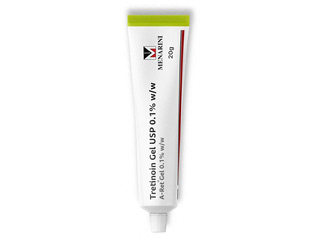
A-Ret (Tretinoin) – Patient Information Guide (UK)
A-Ret is a brand of tretinoin, a medicine related to vitamin A (a “retinoid”). It is commonly used on the skin for conditions such as acne and for other dermatology indications, depending on formulation strength and clinical advice. This guide explains what A-Ret is, how it works, how to use it safely and effectively, and what to expect during treatment.
Always follow the instructions provided with your product. If you have questions about suitability, use, or side effects, speak to a healthcare professional or pharmacist.
Quick Overview
- Active ingredient: Tretinoin
- Medicinal type: Topical retinoid (vitamin A derivative) for skin
- Main uses: Acne (including comedonal acne) and other dermatologist-directed skin conditions
- How it works: Helps normalise skin cell turnover, unclogs pores, and reduces inflammation
- Typical timeframe to see results: Gradual improvement over weeks; best results after several months
Basic Product Information
A-Ret contains tretinoin which works within the skin layers where it is applied. The exact strength (e.g., percentage) and formulation (e.g., cream/gel) can vary by product. Your packaging will show:
- The strength of tretinoin
- The pharmaceutical form (cream/gel)
- The instructions for application
- Important warnings such as photosensitivity and pregnancy precautions
In the UK, tretinoin products are regulated medicines. Availability may depend on product licensing status and local supply. Your pharmacist can help confirm the correct product strength and how it fits your needs.
Mechanism of Action (How A-Ret Works)
Tretinoin is a topical retinoid. It helps treat acne and other conditions by affecting how skin cells behave.
- Normalises shedding of skin cells: It encourages a more regular cycle of skin cell turnover.
- Unclogs pores: It helps prevent the build-up of cells and oil that forms comedones (blackheads and whiteheads).
- Reduces inflammation: Over time, it can lower the inflammation associated with acne lesions.
- Supports smoother skin texture: With consistent use, skin may look clearer and more even.
Because tretinoin works gradually, early changes are often subtle and may be followed by periods of dryness or irritation before noticeable improvement.
Pharmacokinetics (Absorption, Distribution, Metabolism, Elimination)
Topical pharmacokinetics describe how the medicine behaves when applied to skin. For tretinoin, exposure through intact skin is generally low.
- Absorption: Only a small amount typically penetrates beyond the skin when applied as directed. Absorption may increase if skin is irritated, inflamed, or covered.
- Systemic distribution: Any absorbed fraction is distributed through the body; however, systemic levels are usually low for topical use.
- Metabolism and elimination: Tretinoin is metabolised in the body and eliminated primarily through normal processes.
Clinical implication: Avoid applying to broken, infected, or eczematous skin, and don’t use occlusive dressings unless advised—these increase absorption and irritation risk.
Typical Use and Indications
A-Ret (tretinoin) is used in dermatology for:
- Acne vulgaris (often including comedonal acne such as blackheads and whiteheads)
- Some other skin conditions may be treated with topical tretinoin depending on formulation and clinician direction
Important: Suitability depends on your skin type, the severity of your condition, and what other treatments you are using. Your pharmacist or clinician can advise on appropriate therapy.
How to Use A-Ret (Dosing and Timing)
Follow the instructions that came with your product. Below is general guidance for typical topical tretinoin use.
Typical dosing schedule
- Starting phase: Apply a thin layer to the affected area about 2–3 nights per week.
- Build-up phase: If tolerated, gradually increase to once daily or as advised.
- Maximum frequency: Do not apply more often than recommended; “more” does not necessarily mean “faster” and can increase irritation.
How much to apply
- Use a pea-sized amount for the whole face (unless your product instructions advise otherwise).
- Apply to clean, completely dry skin.
Step-by-step timing tips
- Wash your skin gently with a mild cleanser.
- Pat dry and wait until skin is fully dry (often 10–20 minutes).
- Apply a thin film of A-Ret over the areas that need treatment (avoid corners of the nose, eyes, lips, and any broken skin).
- Wash your hands after application.
Best time to use: Tretinoin is typically used in the evening because it can increase sensitivity to sunlight.
What to expect
- Initial irritation: Dryness, redness, peeling, or a “purging” effect may occur, particularly in the first 2–6 weeks.
- Improvement: Many people notice changes after 6–12 weeks.
- Ongoing results: The clearest improvements may take 3–6 months of consistent use.
Food Interactions
Because A-Ret is applied to the skin, food interactions are not expected to be clinically significant. Dietary changes do not usually affect how tretinoin behaves when used topically.
However: If you are using other acne medicines (such as oral antibiotics or hormonal treatments), those may have specific food-related instructions—check the guidance for each product.
Alcohol and Medicine Interactions
Alcohol
Topical tretinoin is not known for direct alcohol interactions. Nevertheless, alcohol can worsen dehydration and skin dryness in some people. If you notice increased dryness or irritation after drinking alcohol, consider using moisturisers and effective sun protection.
Other medicines (important interactions)
The main interaction concerns involve other topical products and skin-care practices that may irritate skin or increase tretinoin exposure.
- Other topical retinoids: Avoid using simultaneously unless advised.
- Strong exfoliants: Products containing chemical exfoliants (e.g., glycolic acid, salicylic acid at high strengths), scrubs, or strong peeling agents can increase irritation.
- Topical benzoyl peroxide: Can be used in combination in acne treatment plans, but some users experience increased irritation. If you combine, your clinician may advise spacing (e.g., different times of day) or starting slowly.
- Medicated acne washes/toners: Use cautiously. Start one product at a time to help identify irritation triggers.
Oral medicines: Systemic interactions are unlikely with topical tretinoin at typical absorption levels, but always tell your pharmacist about all medicines and supplements you use—especially if you have another condition requiring regular treatment.
Safety Profile and Side Effects
Like all medicines, A-Ret can cause side effects. Many are related to skin irritation and usually improve with correct use and gradual dose escalation.
Common side effects
- Skin dryness
- Redness or mild irritation
- Peeling or flaking
- Burning/stinging sensation on application
- Itching or discomfort
- Increased sensitivity to sunlight
Less common but important effects
- Severe skin irritation or blistering
- Allergic reactions (e.g., swelling of the face/lips, widespread rash, breathing difficulties—seek urgent help)
- Changes in skin colour (temporary darkening or lightening after inflammation)
When to stop and seek advice
Stop using A-Ret and seek medical advice promptly if you experience:
- Severe blistering, swelling, or intense pain
- Signs of infection (worsening redness, pus, fever)
- Any signs of a serious allergic reaction
Pregnancy and breastfeeding (UK safety concerns)
Retinoids are associated with risk to an unborn baby when used systemically. For topical tretinoin, manufacturers and healthcare providers emphasise caution. If you:
- Are pregnant, think you may be pregnant, or are trying to conceive
- Are breastfeeding
you should discuss the risks and safer alternatives with a healthcare professional before using tretinoin.
Practical point: If there is any chance of pregnancy, seek guidance urgently before continuing.
Practical Use Tips (Getting the Best Results with Fewer Problems)
1) Start slowly
Many people tolerate tretinoin better when they start with 2–3 nights per week and gradually increase.
2) Use moisturiser strategically
- You may apply a bland moisturiser before or after tretinoin to reduce dryness.
- If skin is very sensitive, consider a “moisturiser sandwich” approach (moisturiser, then tretinoin, then moisturiser), if this is compatible with your product instructions.
3) Keep it to the pea-sized amount
More application does not improve results but often increases irritation.
4) Protect from sun
Tretinoin can make skin more sensitive. Use:
- SPF 30 or higher daily
- Shade, hats, and protective clothing when possible
5) Avoid irritating skin-care routines
During treatment, be cautious with:
- Waxing, depilatory creams, and aggressive hair removal over treated areas
- Scrubs and strong acids
- Hot showers and fragranced skincare that can worsen dryness
6) Be careful around eyes, lips, and skin folds
Avoid direct contact with eyes, eyelids, lips, and corners of the nose. If accidental contact occurs, rinse with cool water.
7) Cover isn’t usually recommended
Unless instructed, avoid occlusive dressings (covering tightly), as this may increase absorption and side effects.
Alcohol and Skin Irritation: What to Watch
Even though A-Ret does not have a well-known direct interaction with alcohol, some people find alcohol worsens:
- Skin dryness and barrier disruption
- Flare-ups of redness
If you notice consistent worsening after alcohol, consider reducing intake and focus on moisturisation and sun protection.
Alternative Options (Depending on Your Condition)
If tretinoin isn’t suitable, isn’t well-tolerated, or isn’t appropriate for your specific acne type, several alternatives may be considered.
Topical alternatives
- Other retinoids: Different strengths or formulations (your clinician/pharmacist can advise).
- Adapalene: A retinoid often used for acne; some people tolerate it differently.
- Benzoyl peroxide: Helps reduce bacteria and inflammation; often used alone or with retinoids.
- Azelaic acid: Can support acne control and is often gentler for some skin types.
- Salicylic acid (BHA): Helps with clogged pores (may be irritating at high strengths).
Non-topical options (if needed)
Moderate to severe acne may require more targeted approaches such as oral therapies or combination regimens, which should be discussed with a healthcare professional.
Note: Combination regimens can affect irritation risk. If combining products, introduce them one at a time and follow professional guidance.
Market and Legal Context in the United Kingdom
In the UK, medicines and medicinal products are regulated to ensure quality, safety, and information for patients. Tretinoin-based topical products are controlled under UK medicines legislation and must meet licensing and labelling requirements.
What this means for you:
- Packaging and patient information should be clear about strength, application frequency, and safety warnings.
- Some strengths or formulations may be available through different routes depending on supply and licensing.
- Online availability may vary by supplier. Choose reputable pharmacies that provide proper product details and UK-compliant delivery.
Recent guidance and practical updates (general trends)
UK dermatology advice commonly emphasises:
- Gradual introduction of retinoids to reduce irritation
- Consistent moisturisation and sun protection
- Avoiding unnecessary “stacking” of multiple strong actives at the same time
- Clear pregnancy safety messaging for retinoid-containing treatments
Because acne and skin tolerability vary widely, guidance is usually tailored to the individual and the severity of the condition.
Delivery and Availability (UK)
Availability of A-Ret (tretinoin) can depend on the exact product strength and formulation. Reputable UK online pharmacies may offer delivery services across the UK.
Typical factors that may affect delivery:
- Stock availability and prescription/medicines supply workflows
- Address location (UK mainland vs. remote areas)
- Order cut-off times
Recommended steps when ordering online:
- Check the product name and tretinoin strength on the listing.
- Confirm the formulation type (cream/gel) and directions.
- Look for clear packaging and patient information.
- Verify delivery times during checkout.
If you have a history of sensitive skin or eczema, consider contacting a pharmacist to help choose the most suitable starting schedule.
Storage and Handling
- Store according to the label (often at room temperature, away from direct heat and sunlight).
- Keep out of reach of children.
- Do not use after the expiry date.
- Use only as directed for skin.
FAQ – Common Questions About A-Ret (Tretinoin)
1) How long does A-Ret take to work?
Many people notice early changes after 6–12 weeks, but significant improvement often takes 3–6 months. If you feel your skin is getting worse before improving, it can be part of the adjustment period, but severe irritation should be addressed.
2) Why is my skin more red or flaky at the start?
This is a common adjustment effect. Start slowly, use moisturiser, and avoid stacking too many active skincare products. If irritation is intense (burning, swelling, blistering), stop and seek advice.
3) Should I apply A-Ret more often to get faster results?
No. Applying more frequently than recommended usually increases side effects without improving outcomes. A gradual build-up is typically safer.
4) Can I use A-Ret with moisturiser?
Yes, moisturiser is often helpful. Many people find it reduces dryness and improves comfort. If your product label advises a specific routine, follow that guidance.
5) Can I use sunscreen?
Yes, and it’s strongly recommended. Use SPF 30 or higher daily, especially when using tretinoin at night, as skin can become more sensitive to sunlight.
6) What skincare products should I avoid while using A-Ret?
Avoid or be cautious with strong exfoliants and irritants such as:
- Strong acids (unless recommended)
- Scrubs
- Harsh toners
- Other retinoids
Introduce new products slowly and consider how your skin responds.
7) Is it safe to use A-Ret if I have sensitive skin?
Many people with sensitive skin can use tretinoin, but it may require a slower start, careful moisturising, and avoiding other irritants. If you have a history of eczema or very reactive skin, discuss options with a pharmacist or clinician.
8) Can I drink alcohol while using A-Ret?
No direct interaction is expected, but alcohol may contribute to dryness and skin irritation in some individuals. If you notice worsening, reduce alcohol intake and focus on barrier support with moisturisers.
9) Can I use A-Ret during pregnancy or while breastfeeding?
Retinoids require extra caution. If you are pregnant, trying to conceive, or breastfeeding, seek professional advice before using tretinoin.
10) What should I do if I miss an application?
Apply the next dose at the usual time. Do not apply extra product to make up for a missed dose.
11) If I stop using A-Ret, will my acne come back?
Acne often improves with ongoing management. If you stop, symptoms may gradually return. If you want to discontinue or switch treatments, do so with guidance to reduce flare-ups.
12) Can I combine A-Ret with other acne treatments like benzoyl peroxide?
Combination therapy can be effective, but irritation risk may increase. If combining, consider introducing products gradually and follow professional advice regarding timing and routine.
Summary
A-Ret (tretinoin) is a topical retinoid used to treat acne and other skin conditions based on product strength and clinical needs. It works by helping normalise skin cell turnover, unclogging pores, and reducing inflammation. While it can cause dryness, redness, and peeling—especially in the early weeks—most side effects can be managed with correct application, moisturising, gradual dose increases, and careful sun protection.
If you’re unsure whether A-Ret is suitable for your skin or you experience significant irritation, speak to a healthcare professional or pharmacist for personalised advice.