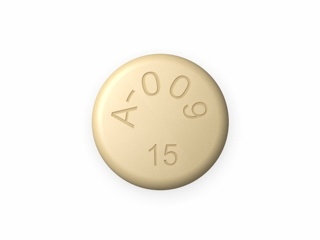

Abilify (Aripiprazole) – Patient Information (UK)
Abilify contains the active ingredient aripiprazole. It is an antipsychotic medicine used to treat certain mental health conditions in adults and some younger people, depending on the specific indication.
This guide is designed to be patient-friendly and to explain how Abilify works, how it is taken, common side effects and safety considerations, and what to expect in the UK. Always follow the advice of your healthcare professional and read the patient information leaflet supplied with your medicine.
1) Basic Product Information
| Feature | Details |
|---|---|
| Medicine name | Abilify |
| Active ingredient | Aripiprazole |
| Medicine type | Antipsychotic (also used for mood-related indications) |
| Common forms | Tablets and oral formulations (availability can vary by strength and supply) |
| Typical dosing frequency | Usually once daily |
| Manufacturer / Brand | Brand product: Abilify (various strengths) |
| Where used | United Kingdom (licensed indications depend on age and condition) |
2) How Abilify Works (Mechanism of Action)
Aripiprazole is often described as a “partial agonist” at certain dopamine receptors and as an agent that interacts with serotonin receptors. In simpler terms, it helps to rebalance signalling in brain pathways involved in mood, thoughts, and perception.
- Dopamine: Partial agonism at D2 receptors may help reduce symptoms related to overactivity while avoiding some effects associated with fully blocking dopamine.
- Serotonin: Effects on 5-HT receptors (including 5-HT1A and 5-HT2A) contribute to its overall psychiatric effects.
- Functional outcome: This “modulating” action is intended to help stabilise symptoms and improve functioning.
Important: Medicines that affect brain chemistry can take time to show full benefit. Some people notice changes earlier, while others need several weeks.
3) Typical Uses in the UK
Abilify is used for several conditions. The exact age group and dose may differ by indication. Common UK licensed uses include:
- Schizophrenia and related psychotic disorders (in adults and some adolescents, depending on formulation and licence details).
- Moderate to severe manic episodes associated with bipolar disorder (often used to help stabilise mood in combination regimens, depending on clinical judgement).
- Maintenance treatment to help prevent relapse in bipolar disorder (for certain patients).
- Adjunct treatment for major depressive disorder in adults, when an antidepressant alone has not been sufficient.
Because mental health treatment plans are personalised, your prescriber will choose the indication, dose, and monitoring schedule that fits your diagnosis and medical history.
4) How and When to Take Abilify (Timing & Practical Routine)
Abilify is usually taken once daily. Try to take it at the same time each day to help maintain steady levels in the body.
- Morning vs evening: Many people take it in the morning. If it makes you feel drowsy, your healthcare professional may suggest switching to evening. If it makes you feel restless or unable to sleep, the opposite adjustment may help.
- Consistency: Take it regularly as directed, even if you feel better—stopping suddenly may cause symptom return or withdrawal-like effects in some cases.
- If you miss a dose: Take it as soon as you remember on the same day. If it is close to the time of your next dose, skip the missed dose and resume your schedule. Do not take a double dose.
- Duration: Treatment duration depends on your condition and response. Some people stay on long-term maintenance treatment.
5) Food Interactions
In general, aripiprazole can be taken with or without food. Food is not usually expected to significantly alter absorption.
- If you experience stomach upset, taking the tablet with a meal may be more comfortable.
- Follow advice given with your specific formulation (for example, dispersible or liquid forms may have special instructions).
6) Alcohol Interactions and Drinking Advice
Alcohol and antipsychotic medicines: Drinking alcohol while taking Abilify may increase the risk of drowsiness, poor concentration, and impaired judgement.
- Limit or avoid alcohol where possible.
- If you choose to drink, do so cautiously and avoid heavy or binge drinking.
- Seek medical advice if you have a history of alcohol misuse or liver problems.
Driving and machinery: If you feel sleepy, dizzy, or unusually alert/restless, do not drive or operate machinery.
7) Medicine Interactions (Important UK Considerations)
Aripiprazole can interact with other medicines through the liver enzyme system (notably CYP2D6 and CYP3A4). Interaction risks vary depending on which medicines you take and your personal metabolism.
Always tell a healthcare professional about all medicines you use, including:
- Prescription medicines
- Over-the-counter products (including herbal remedies)
- Vitamins or supplements
Examples of medicines that may require extra monitoring or dose adjustment
- Strong CYP3A4 inhibitors (may increase aripiprazole levels). Examples include some antifungals and certain antibiotics.
- Strong CYP2D6 inhibitors (may increase aripiprazole levels). Examples include some antidepressants and antipsychotic combinations.
- CYP3A4 inducers (may reduce aripiprazole levels), for example certain anti-epileptic medicines such as carbamazepine or phenytoin.
- Other medicines affecting the brain (sedatives, opioids, some anxiety medicines) may increase drowsiness or risk of falls.
Herbal supplements: Check particularly with products containing St John’s wort, which may affect metabolism.
If your medicine regimen changes (starting/stopping any medication), ask whether your Abilify dose or monitoring should be adjusted.
8) Pharmacokinetics (How the Body Handles Aripiprazole)
Pharmacokinetics describes absorption, distribution, metabolism, and excretion.
- Absorption: Aripiprazole is absorbed after oral dosing; time to peak concentration can vary by formulation.
- Distribution: It distributes into body tissues and crosses into the central nervous system (relevant for its psychiatric effects).
- Metabolism: The liver metabolises aripiprazole mainly via CYP2D6 and CYP3A4.
- Elimination: Metabolites are excreted primarily through the urine and faeces.
- Half-life: Aripiprazole has a long half-life, which contributes to relatively stable levels with once-daily dosing. Some patients also have longer effects due to active metabolites.
Because of its pharmacokinetics, dose adjustments may take time to fully show benefit or effects—especially if interacting medicines are started or stopped.
9) Dosing (General Information)
Abilify dosing depends on the condition being treated, age, formulation, and how you respond. Your healthcare professional will set the dose that is safest and most effective for you.
General principles:
- Once daily dosing is common.
- Starting dose: may be lower and then adjusted.
- Maintenance: continued dose aims to keep symptoms controlled.
- Special populations: dose adjustments may be needed for certain circumstances, such as severe liver impairment, older age, or when strong interacting medicines are used.
Never change your dose without medical advice. If you are concerned about side effects or whether the dose is right, discuss this promptly with your clinician.
10) Safety Profile: Common Side Effects and When to Get Help
Like all medicines, Abilify can cause side effects. Many are mild and improve as your body adjusts. Others can be serious and require urgent assessment.
Common or relatively frequent side effects
- Akathisia (inner restlessness), fidgeting, feeling unable to sit still
- Sleep problems (insomnia) or sometimes drowsiness
- Nausea, constipation or upset stomach
- Headache
- Dizziness
- Weight changes (varies between individuals)
- Increased blood sugar or cholesterol in some patients
Less common but important risks
- Extrapyramidal symptoms (movement-related side effects) such as tremor or stiffness
- Serotonin/dopamine-related effects including changes in mood, agitation, or restlessness
- Orthostatic hypotension (feeling faint when standing)
- Seizures (rare; risk may be higher in certain patients)
- Neuroleptic malignant syndrome (very rare, serious): high fever, severe muscle stiffness, confusion
Seek urgent medical help if you have
- Signs of allergic reaction: swelling of face/lips, trouble breathing, rash with difficulty breathing
- Severe allergic skin reactions or blistering
- Symptoms suggesting neuroleptic malignant syndrome (high fever, severe stiffness, confusion)
- Symptoms of tardive dyskinesia (involuntary movements that persist or worsen)
- Severe fainting, chest pain, or breathing problems
Monitoring: Your clinician may monitor weight, blood pressure, blood glucose (HbA1c), lipids, and movement-related side effects, especially during early treatment or dose changes.
11) Practical Use Tips (Getting the Best Benefit Safely)
- Track changes: Note improvements in symptoms and any side effects (sleep, restlessness, appetite, weight).
- Start-up period: In the first weeks, side effects like restlessness or sleep changes may occur. Early communication helps your team adjust treatment if needed.
- Stay consistent: Taking at the same time daily improves predictability.
- Hydration and routine: If you feel dizzy, stand up slowly and keep hydrated.
- Healthy lifestyle: Balanced diet and regular physical activity can help reduce risks related to weight and metabolic changes.
- Movement symptoms: If you develop tremor, stiffness, or unusual movements, seek advice promptly.
- Medication review: Bring a current list of medicines to each review; interactions can be overlooked.
12) Alternative Options
Depending on your diagnosis and personal medical history, clinicians may consider other treatment options. Alternatives may include other antipsychotics, mood stabilisers, antidepressants, or psychological therapies.
Possible medication alternatives (examples)
- Other antipsychotics used for schizophrenia or bipolar symptoms (e.g., risperidone, olanzapine, quetiapine, ziprasidone, aripiprazole formulations, depending on suitability).
- For bipolar disorder, mood stabilisers such as lithium or valproate may be considered (choice depends heavily on individual factors).
- For depression augmentation, some patients may be offered other augmentation strategies alongside antidepressants.
Non-medicine options: For many conditions, talking therapies (such as CBT), lifestyle interventions, and structured support can be important components of recovery.
Only your healthcare team can decide which alternative is right for you. Don’t switch medicines without a planned plan, as stopping or changing doses can affect symptoms.
13) UK Market and Legal/Access Context
In the United Kingdom, medicines like Abilify are regulated and dispensed according to UK medicines legislation and prescribing rules. Access and supply can vary by:
- Licensed indications for the specific age group and formulation
- Strength and availability from manufacturers/wholesalers
- NHS vs private care routes
- Local prescribing and monitoring protocols
Your online pharmacy will help ensure you receive the correct product and strength, and may ask you to confirm key details to support safe supply.
14) Recent Guidance and Monitoring Considerations (What to Expect)
While guidance can evolve, in the UK, antipsychotic monitoring commonly includes:
- Baseline checks (such as weight, blood pressure, metabolic markers)
- Follow-up monitoring after initiation and during dose changes
- Side effect assessment, including movement-related symptoms and sleep/restlessness
- Review of effectiveness at regular intervals to decide whether to continue, adjust, or change treatment
Local mental health services may also incorporate structured outcome measures to track symptom control and wellbeing.
Tip: If you have missed appointments or monitoring tests, contact your GP or mental health team to bring your checks up to date.
15) Delivery and Availability (UK Online Pharmacy Notes)
Availability of Abilify may depend on stock levels, strength, and formulation. When you order online in the UK, your pharmacy will generally:
- Confirm the correct product (brand, strength, formulation)
- Process your order promptly subject to stock
- Provide estimated delivery options and tracking where available
- Pack items securely to protect them during transit
Delivery times: Delivery schedules can vary by area and courier. Some pharmacies offer standard and express delivery options; options shown at checkout will reflect current service availability.
If a product is temporarily out of stock, your pharmacy may offer an alternative strength/formulation (where clinically appropriate) or provide an estimated restock date.
16) FAQ – Abilify (Aripiprazole)
1. How long does it take for Abilify to work?
Some people notice changes within days to a couple of weeks, but it can take several weeks to see the full benefit. Your clinician will review progress regularly and may adjust the plan if needed.
2. Can I take Abilify with food?
Yes. Abilify can generally be taken with or without food. Choose a routine that helps you remember and minimises stomach upset.
3. What if I feel worse after starting?
Occasionally early side effects (restlessness, sleep changes) can be uncomfortable. If you experience severe worsening, suicidal thoughts, agitation, or troubling new symptoms, seek medical advice promptly.
4. Does Abilify cause weight gain?
Weight changes can occur. The degree varies among individuals. Your clinician may monitor weight and metabolic markers, especially during early months.
5. Will Abilify make me sleepy?
Some people feel drowsy, while others may feel restless or have insomnia. If it affects your alertness, consider timing adjustments and discuss with your healthcare professional.
6. Can I drink alcohol?
It’s best to avoid or limit alcohol. Alcohol may increase drowsiness and impair judgement, increasing risk of accidents.
7. What medicines commonly interact with aripiprazole?
Medicines that affect liver enzymes (notably CYP2D6 and CYP3A4) can change aripiprazole levels. Always inform your healthcare professional about all medicines and herbal products you take.
8. Can I stop Abilify suddenly?
Do not stop suddenly unless a clinician instructs you to. Stopping without a plan can lead to return of symptoms or withdrawal-like effects.
9. Is Abilify safe for everyone?
Abilify is not suitable for every person. Your clinician will consider your medical history, other medications, age, and any risk factors before prescribing.
10. How should I store Abilify?
Store according to the instructions on the packaging or leaflet (typically at room temperature, away from moisture and direct sunlight). Keep out of the reach of children.
17) Summary
Abilify (aripiprazole) is an antipsychotic medicine used to treat conditions such as schizophrenia, bipolar disorder-related episodes, and (in some adults) depression as an add-on treatment. It works by modulating dopamine and serotonin signalling. Dosing is typically once daily, and it can generally be taken with or without food. As with all psychiatric medicines, monitoring for side effects—including restlessness, sleep changes, metabolic effects, and movement-related symptoms—is an important part of safe use.
If you have questions about your specific dose, side effects, or interactions, speak to a qualified healthcare professional or your pharmacy team.