
Actigall (Ursodeoxycholic acid) – Patient Guide (UK)
Actigall contains ursodeoxycholic acid (also known as UDCA). It is a bile acid medicine used in specific liver and gallbladder conditions. This guide explains what Actigall is, how it works, when it’s taken, key interactions, safety considerations, and practical tips for everyday use in the United Kingdom.
Quick overview
- Medicine: Actigall (ursodeoxycholic acid)
- What it’s used for: Selected bile-related disorders, including certain types of gallstones (cholesterol stones) and some bile flow problems associated with liver disease.
- How it works: Helps improve bile composition and promotes bile flow, which can protect the liver and dissolve specific gallstones.
- How to take: Usually taken once or divided daily depending on your regimen; many people take it with meals to improve tolerability.
- Time to effect: Gallstone dissolution may take months; liver/bile tests may improve over weeks to months.
Basic product information
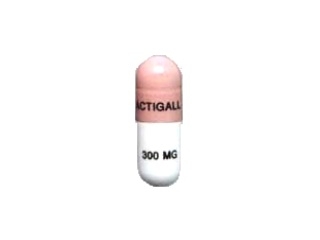
Actigall is available in the UK as oral capsules containing ursodeoxycholic acid. Brand availability and strengths can vary by supplier, so always check the exact product details on the pack you receive.
Active ingredient: Ursodeoxycholic acid (UDCA)
Route: Oral
Class: Bile acid / hepatobiliary therapy
How Actigall works (mechanism of action)
Ursodeoxycholic acid is a naturally occurring bile acid used to treat certain disorders of the liver and gallbladder. It acts in several ways:
- Changes bile acid composition: UDCA replaces more toxic bile acids in the bile, creating a less harmful bile environment.
- Improves bile flow: It can support “choleresis”, the movement of bile from the liver into the bile ducts, helping reduce bile build-up.
- Protects liver cells: By shifting bile acid patterns and reducing damaging effects, UDCA can help protect liver tissue.
- Dissolves certain gallstones: UDCA can gradually dissolve cholesterol gallstones by altering the cholesterol saturation of bile and reducing stone formation.
Important note: UDCA is effective mainly for specific stone types (typically cholesterol stones) and in selected patients. It does not work for all gallstones.
Pharmacokinetics (how the body handles Actigall)
After you swallow Actigall, ursodeoxycholic acid is absorbed from the small intestine. Key points include:
- Absorption: UDCA is absorbed through the intestinal lining and enters the bloodstream.
- Distribution: It is transported to the liver and incorporated into the bile acid pool.
- Metabolism: In the liver and intestines, UDCA can be modified by normal metabolic processes, including conversion by gut bacteria.
- Excretion: UDCA is mainly eliminated via bile, with a smaller portion excreted in faeces. A small amount may be eliminated in urine as metabolites.
Because UDCA participates in enterohepatic circulation (recycling through liver–bile–gut), its effects can build over time and require regular dosing.
Typical use in the UK
In the UK, Actigall is used for specific biliary and hepatobiliary conditions, commonly where improved bile composition and/or bile flow is desired.
Typical indications include:
- Dissolution of cholesterol gallstones in a functioning gallbladder, in patients who are suitable for medical management rather than immediate surgery.
- Some chronic cholestatic liver diseases (conditions where bile flow is impaired), under specialist assessment.
Exact eligibility depends on factors such as gallstone type, size, imaging findings, and liver function results.
Indications (who it’s for)
Actigall is indicated for certain conditions involving bile acids and bile flow. Your clinician will consider the diagnosis, imaging results, blood tests, and your suitability for non-surgical management.
- Gallstones: For selected patients with radiolucent (not clearly visible on X‑ray) cholesterol stones, especially when the gallbladder still works.
- Cholestatic disorders: For some long-term liver conditions characterised by reduced bile flow, where UDCA may help improve biochemical markers and/or symptoms.
Not for: UDCA is generally not used for stones that contain a high proportion of calcium (often visible on imaging) or for every type of gallbladder problem.
How to take Actigall: dosing and timing
Dose requirements vary according to the condition being treated, body weight (in some cases), and how well liver tests respond. Always follow the dosing plan given to you.
General dosing principles
- Typical approach: UDCA is often taken once daily or divided into 2–3 doses during the day.
- For gallstones: Treatment often needs to continue for months before a clear response can be judged.
- For chronic liver conditions: Ongoing treatment may be required, with periodic blood tests to monitor progress.
Example timing (common practice)
- Once daily regimen: Take at the same time each day, often with food (or after a meal) to improve comfort.
- Divided doses: Take each dose at regular intervals (for example morning and evening), ideally with meals.
Missed dose: If you miss a dose, take it when you remember unless it’s close to your next dose. Do not take a double dose to make up for the missed one.
Stopping treatment: Do not stop UDCA without discussing it with your healthcare team, especially for chronic liver conditions.
Food interactions: what to know
UDCA can be influenced by the way your body handles bile. Food can also affect how you tolerate the medicine.
Recommended approach
- Take with meals or after food where possible (your prescriber may specify this).
- Maintain a regular eating pattern to help keep dosing consistent.
Fibre and gut effects
There is no single “banned” food, but severe digestive changes (e.g., ongoing diarrhoea) can affect absorption and overall response. If you experience persistent bowel upset, contact your healthcare professional.
Alcohol and medicine interactions
Alcohol can worsen liver health and may affect the conditions UDCA is used to treat. For people taking Actigall for liver or bile-related disorders, it’s generally advised to:
- Limit or avoid alcohol, especially if liver function is reduced.
- Seek personalised advice if you have concerns about safe drinking levels.
Direct interaction between alcohol and UDCA is not typically described as a specific “avoid completely” rule, but the overall impact of alcohol on the liver is a major consideration. If you drink alcohol, do so cautiously and only within advice provided for your condition.
Medicine interactions (important)
Certain medicines can reduce the effectiveness of ursodeoxycholic acid or affect bile acid handling. Inform your pharmacy or healthcare team about all medicines and supplements you take.
Medicines to be careful with
- Bile acid sequestrants (sometimes used for high cholesterol), such as cholestyramine or colestipol: may bind bile acids and reduce UDCA absorption. Your clinician may recommend spacing doses several hours apart or choosing alternatives.
- Some antacids and products containing aluminium: aluminium-containing antacids may interfere with bile acid absorption in some situations; consider spacing and ask your pharmacist.
- Medicines affecting cholesterol: because UDCA changes bile cholesterol dynamics, your overall treatment plan for cholesterol and bile-related issues may need review.
Herbal and supplement interactions
Herbal products can affect the liver or bile system. Examples include products marketed for “detox”, slimming, or liver support—these vary widely in composition. Ask your pharmacist before starting supplements.
Safety profile: side effects and when to seek help
Most people taking Actigall tolerate it well. However, like all medicines, it can cause side effects.
Common side effects
- Mild gastrointestinal symptoms such as nausea, stomach discomfort, indigestion
- Diarrhoea or loose stools (sometimes dose-related)
- Abdominal pain or cramps
Less common but important issues
- Worsening of liver symptoms (if your underlying condition is changing)
- Allergic reactions such as rash, itching, swelling, or breathing difficulties
Seek urgent medical help if
- You develop signs of an allergic reaction (swelling of face/lips, difficulty breathing, severe rash)
- You have severe or persistent vomiting, severe abdominal pain, or signs of significant illness
Monitoring
Your healthcare team may monitor liver blood tests (such as ALT, AST, ALP, bilirubin) and other relevant markers. If your treatment is for gallstones, imaging may be used to assess stone changes.
Practical use tips (to get the best results)
- Take it consistently: Set a daily reminder; consistent dosing supports the medicine’s gradual effects.
- Keep capsules dry: Store as directed on the pack, away from moisture.
- Review your other medicines: If you start or stop any medication (including over-the-counter products), ask whether spacing is needed.
- Expect slow progress: Especially for gallstone dissolution, improvement can take many months.
- Attend monitoring appointments: Blood tests and follow-up imaging (if applicable) help confirm you’re responding.
- Report symptoms promptly: New jaundice, worsening itch, pale stools, dark urine, or fever should be reported.
Alternative options (discuss with your healthcare team)
Depending on the condition being treated, alternatives may include:
Gallstones
- Gallbladder removal (cholecystectomy) – often the definitive treatment for many patients.
- Other non-surgical strategies – such as observation in selected cases, or specific medical approaches where appropriate.
Cholestatic liver conditions
- Other hepatobiliary medicines may be considered based on diagnosis and severity.
- Supportive care for symptoms such as itch, nutrition, and vitamin absorption where needed.
Your clinician will tailor choices to your specific diagnosis, test results, and risk profile.
UK market and legal context (overview)
Actigall (ursodeoxycholic acid) is a registered medicinal product in the UK and is supplied through licensed channels. Product supply, brand naming, and pack sizes can change over time based on manufacturer and pharmacy stock.
In the UK, medicines are regulated by the Medicines and Healthcare products Regulatory Agency (MHRA), and healthcare providers follow national guidance from bodies such as NICE and specialist societies for management of gallstones and cholestatic liver disease.
Availability: It is generally available via UK pharmacies and may be stocked by major distributors. Availability may vary during supply fluctuations, so if you require a repeat course, it can help to plan ahead.
Recent guidance and practical monitoring (what to expect)
Guidance for using ursodeoxycholic acid focuses on correct patient selection (for example, suitability of gallstones for medical dissolution) and monitoring response through blood tests and imaging when appropriate.
- Gallstones: Follow-up checks are used to confirm that stone size and number are reducing and that bile composition is improving.
- Chronic cholestasis: Treatment is typically reviewed with periodic blood tests to assess trends in liver markers and symptom control.
- Safety updates: If new safety information or changes to product information occur, these are reflected in official documents and pharmacy information resources.
If you’re unsure what monitoring you should have, ask your pharmacist or healthcare team.
Delivery and availability (UK)
Online pharmacies in the UK typically provide:
- Home delivery where permitted
- Tracking and delivery updates
- Secure packaging to protect capsules from damage
- Ordering options for repeat purchases
Availability notes: While Actigall is often obtainable, occasional supply pressures can occur. To reduce delays:
- Ensure you order early for planned renewals.
- Check the exact strength and capsule count required.
- If your preferred pack size is unavailable, ask whether an equivalent strength/form is suitable.
FAQ about Actigall (Ursodeoxycholic acid)
1) How long does it take for Actigall to work?
It depends on the condition. For gallstone dissolution, it may take months. For cholestatic liver conditions, improvement in symptoms and blood tests may be seen over weeks to months. Regular monitoring helps confirm whether the treatment is working.
2) Will Actigall dissolve all gallstones?
No. Actigall is most effective for cholesterol gallstones that meet certain criteria (often radiolucent stones). Stones with significant calcium content generally respond less well.
3) Should I take Actigall with food?
Many people find it easier to tolerate when taken with meals or after food. Follow the timing instructions provided with your regimen. If you experience stomach upset, taking it with meals may help.
4) What if I miss a dose?
Take the missed dose when you remember unless it is almost time for your next dose. Do not take a double dose to catch up.
5) Can I drink alcohol while taking Actigall?
For liver and bile-related conditions, alcohol can worsen liver health. It’s generally recommended to limit or avoid alcohol and follow advice given for your specific condition.
6) Are there foods I should avoid?
There are no universally banned foods, but maintaining a normal balanced diet is important. If you notice specific foods worsen symptoms (such as diarrhoea or indigestion), discuss this with your pharmacist.
7) What medicines should not be taken at the same time?
Some medicines can reduce UDCA absorption, particularly bile acid sequestrants (e.g., cholestyramine/colestipol) and certain antacids containing aluminium. Ask your pharmacist about spacing if you take these products.
8) What side effects should I watch for?
Common effects include mild stomach upset and diarrhoea. Seek medical help if you develop signs of an allergic reaction, severe abdominal pain, persistent vomiting, or a noticeable worsening of jaundice/itching.
9) Can I take Actigall long term?
In some chronic cholestatic conditions, long-term treatment may be used. Long-term use should be guided by your healthcare team with regular review and blood monitoring.
10) Where can I get Actigall in the UK?
Actigall is supplied through UK pharmacies and can typically be ordered online subject to availability. If your preferred pack is out of stock, ask the pharmacy if an equivalent option is available.
Remember: This information is designed to be patient-friendly and educational. Your individual situation may require tailored advice, particularly regarding dosing, monitoring, and interactions. If you have questions about Actigall or your medicines, speak to a qualified healthcare professional or your pharmacist.