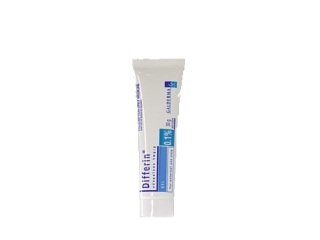

Adapalene: Patient-Friendly Guide (UK)
Adapalene is a medicine commonly used for acne. It belongs to the group of medicines known as retinoids (vitamin A–related medicines). In the UK, adapalene products are available in different strengths and formulations (for example, gels) and may be used for mild to moderate acne depending on the product and individual needs.
This guide explains how adapalene works, how to use it effectively, what to expect during treatment, and important safety information. It is written for people in the United Kingdom and focuses on general product education.
Quick Product Information
| Topic | Information |
|---|---|
| Medicine name | Adapalene |
| Medicine type | Topical retinoid (vitamin A–derived) |
| Common form | Gel (exact formulation varies by brand/strength) |
| Typical use | Acne treatment (comedonal and inflammatory acne, depending on severity/product) |
| Where applied | Skin of the affected area (usually face; follow the product instructions) |
| How it’s applied | Usually once daily at first, then as tolerated (follow your product guidance) |
How Adapalene Works (Mechanism of Action)
Acne forms when pores become clogged with dead skin cells and sebum (oil). Adapalene helps prevent and treat this process in several ways:
- Normalises skin-cell turnover: It reduces abnormal shedding of skin cells that can block pores.
- Helps unclog pores: It promotes smoother clearing of comedones (blackheads and whiteheads).
- Reduces inflammation: It can calm the inflammatory component of acne, helping to reduce redness and swelling.
Because it works on the underlying blockage process, adapalene is often considered a foundation treatment for acne. It may take time to show results.
Pharmacokinetics (How the Body Handles Adapalene)
Adapalene is applied to the skin. When used as directed, only a small amount is expected to be absorbed through the skin. Key points for understanding absorption and how it behaves in the body include:
- Absorption: Limited systemic absorption after topical use.
- Metabolism & elimination: The absorbed fraction is processed by the body and cleared over time.
- Clinical implication: Because absorption is low, most side effects are local (skin-related), such as dryness or irritation.
Nevertheless, it’s still important to follow the instructions and avoid over-application, particularly on broken skin or large areas.
What Adapalene Is Used For (Indications)
Adapalene is used for acne. Depending on the product’s strength and label instructions, it may be suitable for:
- Comedonal acne: blackheads and whiteheads
- Mild to moderate inflammatory acne: red spots and some pimples
- Maintenance or prevention of new lesions: ongoing use can help reduce recurrence
For severe acne, acne with scarring, or acne that is worsening quickly, a clinician review is usually important to ensure the most appropriate regimen.
When to Use It (Timing and Routine)
Many adapalene products are used once daily, commonly in the evening because it may be more comfortable for the skin and reduces daytime exposure to irritation triggers. However, some people may use it in the morning if it suits their routine and product guidance. The best timing is the one that you can apply consistently and correctly.
Typical approach:
- Start slowly: Use a smaller amount and/or apply it every other night for the first 1–2 weeks if you have sensitive skin.
- Increase as tolerated: Once your skin adjusts, move towards the intended frequency (often once daily).
- Be consistent: Acne improvement is gradual, not immediate.
Expected timeline:
- First few weeks: You may notice dryness, mild peeling, or a “settling” period.
- About 6–12 weeks: More visible improvement in comedones and overall acne.
- Ongoing: Continued use can help prevent flare-ups.
If your skin becomes very irritated, pause and reassess rather than continuing through significant discomfort.
How to Use Adapalene (Dosing and Application)
Dose: Use the amount stated on your product label. In general, topical acne medicines are applied in a thin layer. Over-applying does not usually speed up results and can increase irritation.
Step-by-step practical guide:
- Wash: Use a gentle cleanser and pat your skin dry.
- Wait: Let the skin be fully dry before applying (especially if you’ve used toner or exfoliants).
- Apply: Spread a thin film over affected areas (and sometimes a little beyond where spots are forming). Avoid the corners of the nose, lips, and eyes unless specifically advised.
- Wash hands: After application, wash your hands thoroughly.
- Moisturise (often helpful): A non-comedogenic moisturiser can reduce irritation.
Common “how much?” tip: Many people find that a small pea-sized amount can be enough for the whole face, but product instructions and area treated may differ. When in doubt, use the smallest amount that covers the target area in a thin layer.
Food Interactions
Food interactions are not expected to be significant with topical adapalene because systemic absorption is low when used correctly. There is no specific requirement to avoid foods while using adapalene.
However, if your acne treatment plan includes other medicines, those medicines may have food-related instructions. Always check each product’s guidance.
Alcohol and Other Medicine Interactions
Alcohol
Adapalene is used on the skin and is not typically associated with direct alcohol interactions. Nevertheless, alcohol can sometimes worsen skin dehydration or irritation for some people. If you notice that your skin reacts after alcohol, consider moisturising well and limiting alcohol intake during treatment.
Other medicines (topical and systemic)
Important interaction concept: The main “interaction” with adapalene is often with other acne or skin-irritating products used at the same time, which can increase dryness and irritation.
- Other retinoids: Avoid combining with other retinoid products unless advised, due to increased irritation.
- Benzoyl peroxide: Many acne regimens use benzoyl peroxide alongside retinoids. Some combinations can increase dryness; how and when you apply them may matter.
- Topical antibiotics (e.g., clindamycin): Often used in acne combinations; follow a sensible routine to minimise irritation.
- Exfoliating acids and scrubs: Products containing strong acids (such as salicylic acid in high strengths) or harsh exfoliants may increase irritation.
- Resurfacing or waxing/depilatory products: Avoid on irritated skin and allow time for recovery.
Practical tip: If you are starting adapalene, introduce other potentially irritating acne products gradually and avoid multiple strong actives at once.
If you are using any prescription or non-prescription acne treatments, it’s wise to review the combined routine with a healthcare professional or pharmacist.
Safety Profile and Side Effects
Like all medicines, adapalene can cause side effects. Most are skin-related and tend to occur early during treatment as the skin adapts.
Common side effects
- Dryness or tightness of the skin
- Peeling or mild flaking
- Redness
- Burning or stinging sensation
- Itching or irritation
Less common or concerning effects
- Severe irritation or painful inflammation
- Swelling or blistering (seek advice promptly)
- Allergic reaction (for example, rash beyond the application area, hives)
When to stop and seek help: If you develop severe swelling, blistering, a widespread rash, or symptoms suggesting an allergic reaction, stop using adapalene and seek medical advice urgently.
Skin sensitivity and sun exposure
Adapalene can make skin more sensitive to sun and may increase the risk of irritation from UV exposure. Protect your skin by:
- Using sun protection (broad-spectrum SPF 30 or higher)
- Avoiding sunbeds
- Reducing sun exposure during peak times
Special considerations
- Pregnancy and breastfeeding: Retinoids are generally approached with extra caution during pregnancy. If you are pregnant, trying to conceive, or breastfeeding, discuss with a healthcare professional before using retinoid-containing products.
- Children and young people: Use depends on product licensing and guidance. Follow age-related directions on the label or professional advice.
- Eczema or very sensitive skin: Start cautiously and consider patch-testing by using a small amount on a limited area first.
Practical Use Tips (To Get the Best Results)
- Use a moisturiser: A gentle, non-comedogenic moisturiser can reduce irritation and help you stay on track.
- Apply to dry skin: Wait after cleansing so the skin isn’t damp when you apply the gel.
- Consider “buffering” if needed: Some people benefit from applying moisturiser first, letting it dry, then using adapalene on top (avoid putting adapalene over very wet layers).
- Be patient with acne flare-ups: Early changes can occur; don’t assume it’s failing after a short period.
- Avoid overlapping strong actives: Try to minimise concurrent use of multiple exfoliating or irritating skincare products.
- Do not use on broken or sunburnt skin: This increases the risk of irritation.
- Protect bedding and clothes: The gel should dry, but if you apply very late, allow it time to absorb.
What if it feels too harsh? Reduce frequency (for example, every other night), use moisturiser more consistently, and check you’re applying only a thin layer.
Alternative Options for Acne
Acne treatment can differ based on acne type (comedonal vs inflammatory), severity, and skin sensitivity. If adapalene isn’t suitable or isn’t enough on its own, alternatives may include:
- Benzoyl peroxide: Helps reduce acne-causing bacteria and inflammation. Often used in combination regimens.
- Topical antibiotics: Sometimes used for inflammatory acne, usually as part of a structured plan.
- Salicylic acid (beta hydroxy acid): Helps with clogged pores and exfoliation.
- Azelaic acid: Can help with acne and post-acne marks; may be better tolerated by some.
- Oral treatments: For more severe acne, healthcare professionals may consider systemic options (choice depends on individual circumstances).
- Non-medicated options: Gentle cleansing, moisturising, and sun protection are important alongside active ingredients.
If you’re unsure which option fits your skin and acne type, a pharmacist or clinician can help you choose a sensible regimen.
Adapalene in the UK: Market and Legal Context
In the United Kingdom, acne medicines may be available through different routes depending on their strength and formulation. Some adapalene products may be purchased from pharmacies and other retailers under the applicable medicines framework, while other acne treatments may require clinical oversight depending on licensing and indication.
Regardless of availability, medicines must be used according to their patient information leaflet and product packaging. UK regulatory and professional guidance places strong emphasis on safe use, correct application, and managing expected side effects such as dryness and irritation.
Recent general guidance themes relevant to adapalene and retinoids often include:
- Structured acne care: Start gradually, manage irritation, and assess improvement over an adequate time period (often several weeks).
- Sun protection: Emphasise photoprotection during retinoid therapy.
- Combination strategies: When needed, use complementary actives carefully rather than stacking too many irritants at once.
- Safety screening: Increased caution for pregnancy and sensitive skin conditions.
Delivery and Availability (Online Pharmacy in the UK)
Adapalene is generally supplied through reputable UK pharmacy channels. Availability can depend on the specific brand, strength, and whether the product is classified for pharmacy sale only.
Typical online pharmacy delivery process:
- Orders are dispatched once payment and relevant checks (if required) are complete.
- Delivery schedules vary by provider and postcode.
- Products are usually shipped in protective packaging to reduce the risk of damage.
When ordering online, double-check:
- The strength (e.g., % content) and formulation
- The intended body area stated on the product instructions
- The expiry date and storage requirements
If you need help choosing the correct product, customer service or a pharmacist can often guide you based on your acne type and skin sensitivity.
FAQ: Adapalene (UK)
1) How long does it take for adapalene to work?
Most people notice changes within 6–12 weeks. Acne treatments often take time because they improve clogged pores and reduce inflammation gradually.
2) Should I use adapalene every day?
Many products are used once daily. However, if you experience irritation, it can help to start every other night and increase as your skin adapts. Always follow the specific instructions on your pack.
3) Can I use adapalene with moisturiser?
Yes—moisturising is often recommended to reduce dryness. Apply moisturiser gently and allow it to fully absorb before using adapalene, if your routine requires both.
4) Can I use other acne products at the same time?
Some combinations are possible, such as pairing with benzoyl peroxide or topical antibiotics, but using multiple strong actives together can increase irritation. Introduce new products gradually and avoid harsh exfoliants when starting.
5) What should I do if my skin becomes very dry or irritated?
Reduce application frequency, ensure you’re using a thin layer, and moisturise more consistently. If irritation is severe (burning, swelling, blistering), stop using adapalene and seek advice.
6) Is adapalene safe to use with sun exposure?
Adapalene can make skin more sensitive. Use daily sun protection, avoid sunbeds, and reduce sun exposure where possible.
7) Does alcohol interact with adapalene?
No direct interaction is expected because adapalene is topical and absorption is low. However, alcohol may indirectly affect skin hydration or irritation in some people.
8) Is there an interaction with food?
Food interactions are not expected to be significant with topical adapalene.
9) Can I apply adapalene on wet skin?
It’s best to apply on fully dry skin after cleansing. Damp skin may increase the chance of stinging and irritation.
10) Can I stop when my acne improves?
Some people use adapalene long-term to maintain results. Stopping may allow acne to return. If you want to reduce or stop, consider doing so gradually and maintain a gentle cleansing and moisturising routine.
Summary
Adapalene is a topical retinoid used to treat acne by helping to prevent clogged pores, reduce inflammation, and improve the skin’s overall acne process. Because the treatment is gradual, consistent daily use and good skin care—especially moisturising and sun protection—are key to success.
If you experience significant irritation, or if you have concerns such as pregnancy, severe acne, or acne that is not improving after an adequate trial period, seek advice from a healthcare professional or pharmacist.