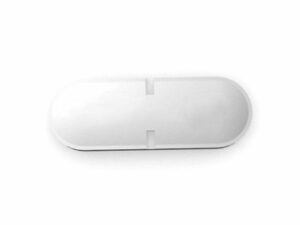

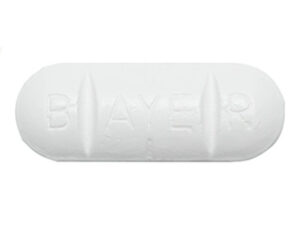
Albenza (Albendazole) — Patient Information (UK)
Albenza is a medicine containing albendazole, used to treat a range of parasitic (worm) infections in the body. It works by disrupting the way parasites absorb nutrients, helping to clear the infection.
This guide is designed to be patient-friendly and UK-relevant. It explains how Albenza works, typical uses, how to take it, possible side effects, and practical tips to help you use it safely.
1) Basic product information
| Item | Details |
|---|---|
| Medicine name | Albenza |
| Active ingredient | Albendazole |
| Medicinal form | Typically tablets (strengths may vary by pack) |
| What it treats | Various parasitic infections (helminths and, in some cases, specific larval infestations) |
| Common use locations (examples) | Intestines, liver, and certain tissues (depending on infection type) |
Note: Strength and pack details can vary between product formats. Always check your specific pack for the strength and the instructions provided with it.
2) How Albenza works (mechanism of action)
Albendazole belongs to the benzimidazole class of antiparasitic medicines.
In parasites, albendazole interferes with critical cellular processes:
- It affects the parasite’s microtubules (structural components inside cells).
- This disruption reduces the parasite’s ability to absorb glucose (a key energy source).
- The parasite’s energy production is impaired, leading to weakening and death of the organism.
The specific timing of symptom improvement depends on the type of parasite, where it lives in the body, and the burden of infection.
3) Pharmacokinetics (how the body handles albendazole)
Understanding pharmacokinetics can help you appreciate why dosing schedules matter.
- Absorption: Albendazole has variable absorption from the gut. Taking it with food can improve uptake.
- Metabolism: After absorption, albendazole is metabolised in the liver to an active metabolite called albendazole sulfoxide.
- Distribution: The active metabolite can reach tissues where certain larvae are located.
- Elimination: Metabolites are cleared primarily via the kidneys and bile.
- Special considerations: Longer courses and certain tissue infections increase the importance of monitoring, particularly liver function in some patients.
4) What Albenza is typically used for (indications)
Albenza is used for parasitic worm infections. The exact approved indications can vary by product authorisation and local guidance. In the UK, clinicians may use albendazole for a range of intestinal and tissue helminth infections.
Common examples include treatment for:
- Intestinal roundworm infections (e.g., Ascaris)
- Pinworm (Enterobius vermicularis) — often requires repeat dosing and hygiene measures for household members
- Hookworm (e.g., Ancylostoma/Necator)
- Whipworm (Trichuris trichiura)
- Threadworm and other specific nematode infections (depending on local practice and confirmation)
- Some tapeworm infections and related larval forms (treatment approach depends on species and tissue location)
- Certain larval/tissue infections where albendazole is an option under specialist management (for example, neurocysticercosis in appropriate settings)
Important: If your symptoms are severe, unusual, or involve the nervous system, your clinician may need confirmatory testing and more tailored treatment. Albendazole is not suitable for every parasitic condition.
5) Typical dosing and timing
Dosing depends on the type of parasite, age/weight, severity, and whether the infection involves the intestines or tissues. Your specific regimen should follow the instructions provided with your treatment or by a healthcare professional.
Below is a general overview of how timing is commonly approached. Use your pack instructions as the primary reference.
General principles
- Single dose vs repeat doses: Some intestinal infections require one dose, while others require repeat dosing (often because eggs can hatch after the first treatment).
- Split or multi-day courses: More complex infections may require several days of treatment.
- Household/contacts: Pinworm and some other infections may spread easily within households—treatment may need to include close contacts and strict hygiene.
When to take Albenza
- Take it at the times indicated on your pack or as instructed.
- For some regimens, it may be taken for a set number of days and then repeated after a short interval.
- If the treatment schedule includes a repeat dose, follow it closely even if you feel better.
If you miss a dose: Refer to the advice that came with your medicine. In general, don’t double up unless told to. If you’re unsure, seek pharmacy guidance.
6) Food interactions: taking Albenza with meals
Albendazole absorption can be improved when taken with food, particularly a fat-containing meal (for example, a normal meal rather than an empty stomach).
- Common patient advice: Take Albenza with food to help absorption.
- Avoid sudden changes: If you’re told to take it with meals, try to keep a consistent routine day-to-day.
If your regimen involves multiple days, try to take each dose at a similar time each day.
7) Alcohol and medicine interactions
Alcohol
There is no single universal rule that “all alcohol is forbidden” with albendazole, but alcohol can affect the liver. Because albendazole is metabolised by the liver, heavy alcohol use should be avoided, especially during longer courses.
- Short course: Moderate drinking is often tolerated by many people, but avoid binge drinking.
- Long course or liver concerns: It’s safer to avoid alcohol and discuss with a pharmacist or clinician.
Other medicines (important interactions)
Some medicines can change albendazole levels or increase side effects. Tell your pharmacist about:
- Other medicines you take regularly (including herbal products)
- Any liver conditions
- Blood thinning medicines and anti-seizure medicines (examples of medicine classes that may require careful review)
In particular, certain medicines may increase or decrease albendazole metabolism. A pharmacist can review your medicines and advise on whether any adjustment is needed.
Do not start, stop, or combine medicines without checking if they’re compatible with your course.
8) Safety profile: who should take care
Most people tolerate albendazole well. However, like all medicines, it can cause side effects. Some effects are more likely during longer treatment courses.
Common side effects
- Headache
- Nausea and/or stomach upset
- Abdominal pain
- Dizziness
- Diarrhoea or constipation
- Changes in liver test results (often mild, but may require monitoring)
Less common but important effects
- Allergic reactions (e.g., rash, swelling, breathing difficulty—seek urgent help)
- Blood cell changes (rare; more likely with prolonged therapy)
- Worsening symptoms during tissue infections (for some parasites, inflammation may occur as organisms die)
When to get urgent medical help
- Difficulty breathing, swelling of face/lips, severe rash
- Severe or persistent vomiting, severe abdominal pain
- Yellowing of the skin/eyes, dark urine (possible liver-related symptoms)
- Unusual bruising or infections (possible blood-related changes)
Who needs extra caution
- Pregnancy: Albendazole is generally avoided unless specifically considered appropriate by a clinician for certain situations.
- Breastfeeding: Advice should be sought if treatment is required.
- Known liver disease: Liver function monitoring may be needed, especially for longer courses.
- Children: Dosing must be weight/age appropriate and tailored to the infection type.
Always review pack instructions and confirm any special circumstances with a healthcare professional.
9) Practical use tips for best results
Worm treatments often work best when the medicine and supportive measures are both taken seriously.
Tip 1: Follow the full course schedule
Even if symptoms improve quickly, don’t stop early. Some parasites survive initial treatment stages, so timing matters.
Tip 2: Handle household spread (especially pinworm)
- Keep nails short and clean
- Wash hands regularly
- Change underwear daily during treatment and shortly afterwards (follow regimen guidance)
- Consider treating household members if advised
Tip 3: Take with food
Unless your instructions say otherwise, take Albenza with meals to improve absorption.
Tip 4: Hygiene reduces reinfection
- Regularly clean shared bathrooms and frequently touched surfaces
- Wash bedding and towels as advised (especially for pinworm)
Tip 5: Keep an eye on side effects
If you develop symptoms that concern you—particularly allergic reactions or signs of liver problems—seek prompt advice.
10) Alternative options
Several medicines may be used for parasitic infections, depending on the organism, infection location, and patient factors. Alternatives can include:
- Mebendazole — another benzimidazole used for many intestinal worm infections
- Praziquantel — commonly used for certain tapeworm infections
- Niclosamide — sometimes used for specific tapeworm infections (depending on availability)
- Ivermectin — used for certain parasites and infections in specific contexts
- Other therapies — may be used for particular tissue infections or based on specialist assessment
Which alternative is appropriate depends on the exact diagnosis. If symptoms persist after treatment, it may indicate a different parasite, inadequate dosing, reinfection, or another condition.
11) Market and legal context for the UK
In the UK, medicines are regulated and supplied in line with UK medicines legislation and pharmacy practice. The availability and supply route for a product may vary, depending on:
- Whether the product is supplied as a pharmacy or prescription-only medicine (this depends on current regulatory status and product formulation)
- Age restrictions and the type of infection being treated
- Need for clinical assessment, particularly for tissue infections or complications
Online pharmacy supply in the UK typically involves safety checks such as age eligibility, medicine interactions review, and patient questionnaire responses. Always ensure that any online purchase is made from a legitimate UK-registered supplier.
Recent guidance: Over recent years, UK and international guidance has emphasised confirming the suspected parasite when possible, treating contacts when required, and ensuring appropriate monitoring for prolonged albendazole courses (including liver function and blood counts in selected patients). Local public health advice may also be relevant in outbreaks or for travel-related exposures.
12) Delivery and availability in the UK
Availability can vary by pack size and strength. When ordering through a UK online pharmacy:
- Stock checks: Many pharmacies update product availability in real time.
- Delivery: Delivery options typically include standard and express services, depending on the supplier and your postcode.
- Packaging: Medicines should be delivered in appropriate protective packaging.
- Cold chain: Albendazole tablets generally do not require cold storage.
Storage: Store in a cool, dry place and keep out of sight and reach of children. Check the pack for exact storage instructions.
13) FAQs
1. What is Albenza used for?
Albenza (albendazole) is used to treat a range of parasitic worm infections. The exact use depends on the parasite type and the body site involved (intestine versus certain tissues).
2. How long does it take to work?
Some symptoms may start to improve within a few days. However, complete clearance can take longer, especially for tissue infections. Following the full dosing schedule is important.
3. Do I need to repeat the dose?
Sometimes yes. For certain intestinal infections (such as pinworm), repeat dosing and hygiene measures are commonly necessary to prevent reinfection.
4. Should I take Albenza with food?
Taking albendazole with food can improve absorption. Unless your pack instructions say otherwise, it is usually recommended to take it with a meal.
5. Can I drink alcohol while taking Albenza?
Moderate alcohol may be tolerated by some people, but heavy drinking should be avoided—especially if you’re taking a longer course or have liver issues. If unsure, ask a pharmacist.
6. What side effects should I watch for?
Common effects include headache, nausea, and stomach upset. Seek urgent help for allergic reactions (rash with swelling or breathing difficulty) or signs of liver problems (yellowing of skin/eyes, dark urine).
7. Is Albenza safe for children?
Albendazole can be used in children for appropriate infections, but dosing must be correct for age and weight and tailored to the diagnosis. Always follow the dosing instructions provided and consult a pharmacist if uncertain.
8. What if symptoms come back after treatment?
Reinfection can occur, particularly with pinworm. Household contacts and hygiene measures may need to be addressed. Persistent symptoms may also mean the wrong diagnosis or a different parasite—seek advice.
9. Are there alternatives to Albenza?
Yes. Depending on the parasite, alternatives may include mebendazole, praziquantel, niclosamide, ivermectin, or other treatments. The most appropriate option depends on the infection type.
10. Do I need monitoring with Albenza?
For longer courses or in people with liver issues, monitoring of liver function (and sometimes blood tests) may be recommended. This depends on your treatment plan.
Important reminder
This information is intended to help you understand Albenza (albendazole) better. It doesn’t replace the instructions on your pack or advice from a qualified healthcare professional. If you have questions about suitability, interactions, pregnancy/breastfeeding, or complex symptoms, speak to a pharmacist before using the medicine.