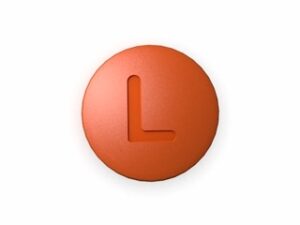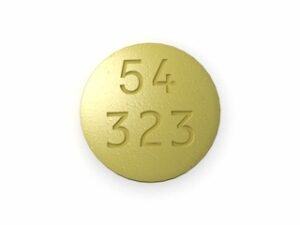



Alkacel (Melphalan) — Patient-Friendly Guide (United Kingdom)
Alkacel is a brand of melphalan, a chemotherapy medicine used to treat certain cancers. This page explains what Alkacel is, how it works, how it is usually taken, important safety information, and practical tips for patients and carers in the United Kingdom.
Medicines like melphalan can affect healthy cells as well as cancer cells, so careful monitoring and supportive care are often essential. Always follow the treatment plan provided by your oncology team.
1) Basic product information
| Feature | Details |
|---|---|
| Medicine name | Alkacel (melphalan) |
| Medicinal class | Cytotoxic chemotherapy (alkylating agent) |
| How it works | Damages cancer cell DNA, preventing growth and division |
| Common forms | Available as an oral formulation depending on local supply and product presentation |
| Who it’s for | Selected patients with cancers such as multiple myeloma and certain advanced conditions |
| Monitoring | Regular blood tests and clinical review are typical during treatment |
| UK context | Used within National Health Service (NHS) and specialist care settings; availability depends on supply |
2) Mechanism of action (how Alkacel works)
Melphalan is an alkylating agent. After it enters the body, it forms reactive compounds that attach to DNA inside cells. This “cross-links” DNA strands, which stops the cell from copying its genetic material. As a result, cancer cells are unable to divide and multiply.
Melphalan targets rapidly dividing cells, which is why it can be effective in cancers such as multiple myeloma. However, it can also affect other fast-growing tissues (for example, bone marrow), which is why low blood counts and infections are important risks.
3) Pharmacokinetics (what the body does to melphalan)
“Pharmacokinetics” describes how the body absorbs, distributes, metabolises, and eliminates a drug.
- Absorption: Melphalan is absorbed through the digestive tract when taken orally; absorption can be influenced by food and gastrointestinal function.
- Distribution: The medicine distributes into tissues and can reach sites where cancer is present.
- Metabolism: Melphalan is metabolised primarily in the body, with breakdown products eliminated through natural pathways.
- Elimination: The drug is cleared mainly by the kidneys and related elimination processes. Renal function can therefore be relevant to dosing decisions.
- Variability: Levels and effects can vary between individuals, so monitoring (especially of blood counts) is crucial.
Your clinical team may adjust treatment schedules and doses based on blood results, kidney function, previous therapy, and overall tolerability.
4) Typical use in the UK (indications and treatment goals)
In the UK, melphalan is used in oncology for a range of conditions, most notably:
- Multiple myeloma: Often used in specific regimens depending on disease stage and patient factors.
- Other cancers: In selected cases where an alkylating agent is appropriate, based on specialist assessment and guideline-based protocols.
Treatment goals may include:
- Reducing tumour burden
- Controlling disease progression
- Improving symptoms
- Preparing patients for other therapies in a combined treatment plan (where applicable)
5) Timing and how treatment schedules are commonly structured
Melphalan regimens vary significantly depending on the cancer type and combination therapy. Your oncology team will provide a specific schedule.
In general, chemotherapy schedules often involve:
- Planned cycles (periods of treatment followed by rest)
- Regular monitoring (blood tests before and during cycles)
- Dose adjustments based on tolerance and blood counts
How to take it (general principles)
- Take melphalan exactly as directed by your specialist team.
- Use the dosing instructions on your medication label.
- Do not change your dose or pause treatment without discussing it with your care team.
- If you miss a dose, contact your oncology team for advice—do not guess.
6) Food interactions (important dietary considerations)
Food can affect how well melphalan is absorbed. Because absorption variability can influence effectiveness and side effects, it is important to follow advice provided with your specific product and regimen.
General tips for patients:
- Follow “with/without food” instructions carefully as stated by your prescriber or product information.
- Try to take each dose consistently at a similar time of day and in the same relation to meals.
- If you experience nausea, vomiting, or diarrhoea, speak to your oncology team—these can affect medicine levels and tolerance.
If you are unsure whether to take Alkacel with food, consult your treatment team or pharmacist. Consistency matters.
7) Alcohol interactions
There is no single universal rule for alcohol with chemotherapy, because responses can vary based on your regimen, liver function, hydration status, and other medicines you take. However, alcohol can worsen:
- Nausea and stomach irritation
- Fatigue
- Dehydration (which can affect how you feel and possibly kidney function)
- Sleep and recovery
Patient-friendly recommendation: It is generally safest to avoid alcohol during treatment unless your oncology team says otherwise. If you want to drink, discuss it first.
8) Other medicine interactions (including OTC and herbal products)
Alkacel (melphalan) can interact with other medicines indirectly by affecting blood counts, immunity, or your body’s ability to cope with side effects. Some interactions are related to supportive care medicines rather than direct drug–drug metabolism.
Always tell your healthcare professional about:
- Medicines used for pain (including non-prescription options)
- Antibiotics and antifungals
- Antivirals
- Medicines for nausea
- Blood thinners
- Medicines affecting the immune system
- Herbal products and supplements (even “natural” products)
Be extra careful with products that can:
- Increase bleeding risk
- Lower immunity
- Raise the chance of infection
- Cause constipation or diarrhoea
If you have questions about whether an over-the-counter product is safe for you, ask a pharmacist. In oncology, individual risk assessment is important.
9) Dosing (what to expect)
Dosing of melphalan is determined by your oncologist based on multiple factors, which may include:
- Cancer type and stage
- Your overall health and performance status
- Blood test results (especially blood counts)
- Kidney function
- Previous chemotherapy or radiotherapy
- Whether it is used alone or in combination
Because regimens vary, this page does not provide a one-size-fits-all dosing plan. Your dosing instructions should be provided on your medication label and treatment schedule.
How dose changes usually happen
- If blood counts drop too far, doctors may delay a cycle or reduce the dose.
- If side effects are severe (for example, infection, uncontrolled vomiting, or significant low white blood cells), treatment may be adjusted.
- New symptoms should be reported promptly so safety steps can be taken early.
10) Safety profile (side effects and when to seek help)
Like all cytotoxic medicines, Alkacel can cause side effects. Some are expected and manageable, while others may require urgent medical attention.
Common side effects (may include)
- Low blood counts (anaemia, low white cells, low platelets)
- Increased risk of infection due to lowered immunity
- Nausea and/or vomiting
- Diarrhoea or constipation
- Fatigue and weakness
- Reduced appetite
- Hair thinning (less commonly than some other regimens, but possible)
- Mouth sores
Serious risks (seek urgent advice)
Contact your treatment team urgently or seek medical help immediately if you experience:
- Signs of infection (for example, fever, chills, severe sore throat, or feeling suddenly very unwell)
- Unusual bruising or bleeding (for example, nosebleeds, blood in urine/stool, widespread pinpoint rash)
- Severe or persistent vomiting or inability to keep fluids down
- Severe diarrhoea or dehydration symptoms
- Breathing difficulties or chest pain
- Allergic-type reactions (swelling of face/lips, wheezing, rash with breathing difficulty)
Fertility, pregnancy, and contraception
Melphalan can affect fertility and may harm an unborn baby. If you can become pregnant or father a child, discuss contraception and family planning with your oncology team before starting treatment.
- Women and men are often advised to use effective contraception during treatment and for a period after.
- Do not assume that “natural” methods are sufficient.
- If pregnancy is possible, seek medical advice promptly.
Second cancers (long-term risk)
Cytotoxic chemotherapy can slightly increase the risk of developing other cancers years later. Your specialist will balance this risk against the expected benefits for your current illness.
11) Practical use tips (how to take care safely at home)
These tips can help you manage day-to-day life during treatment:
- Plan for blood tests: Make sure you attend all appointments for monitoring.
- Maintain hydration: Unless you’ve been told to restrict fluids, aim for regular fluid intake.
- Protect against infection: Wash hands frequently, avoid close contact with people who are unwell, and follow neutropenia guidance if you’re given it.
- Oral care: Use a soft toothbrush and keep your mouth clean to help prevent soreness or infections.
- Nutrition: Small, frequent meals can help if appetite is reduced. Consider asking your team about dietitian support.
- Medication list: Keep an up-to-date list of all medicines and bring it to appointments.
- Track symptoms: Note new or worsening symptoms (nausea, diarrhoea, fever) and report promptly.
Handling and storage (important)
- Store the medicine as directed on the packaging.
- Keep out of reach and sight of children.
- Do not use expired medication.
- If you spill tablets or suspect contamination, ask your pharmacy about safe disposal.
For best safety, follow the specific instructions provided with your exact Alkacel product.
12) Alternative options (what else may be considered)
Alternative treatments depend heavily on your diagnosis, previous therapies, overall health, and whether melphalan is being used as part of a broader plan. In specialist oncology care, alternatives may include:
- Other chemotherapy agents used alone or in combination
- Targeted therapies (depending on cancer subtype)
- Immunotherapy approaches (where appropriate)
- Radiotherapy (selected circumstances)
- Supportive care medicines to manage symptoms and treatment side effects
- Stem cell transplant strategies in eligible multiple myeloma pathways (where applicable)
If you ask about alternatives, your oncologist can explain why melphalan is recommended for your particular situation and whether another option could be suitable.
13) Market and legal context in the United Kingdom
In the UK, medicines are regulated and supplied under strict frameworks to support safe use. Cytotoxic chemotherapy medicines such as melphalan are used under specialist oversight in NHS services and other approved clinical settings. Availability can vary due to manufacturing timelines, importing and distribution, and pharmacy stock levels.
Key UK considerations include:
- Quality and licensing: Medicines used in the UK must meet regulatory standards set for supply, manufacture, and labelling.
- Specialist care: Oncology treatments generally require careful monitoring and supportive measures.
- Pharmacovigilance: Any suspected side effects can be reported through appropriate systems in the UK.
- Storage and handling: Chemotherapy medicines require safe handling practices.
For the most accurate UK availability and product presentation, your pharmacy or treatment centre can confirm what is currently in stock.
14) Recent guidance (what clinicians focus on)
Oncology care guidance continues to emphasise:
- Timely recognition of infection and neutropenia risks
- Blood count monitoring to guide dose timing and safety
- Supportive medicines (anti-nausea, infection prevention when indicated, and symptom relief)
- Individualised dosing based on tolerability and organ function
- Clear patient instructions about when to seek urgent help
If your regimen includes additional medications (for example, for nausea prevention or infection prevention), follow the schedule your team provides.
15) Delivery and availability (UK online pharmacy)
Availability of Alkacel can vary depending on supply chain and the specific product presentation at the time. When buying through an online pharmacy service, you may be asked to provide delivery details, and some medicines may require confirmation of eligibility and safe handling arrangements.
What to expect
- Dispatch times: Delivery speed depends on stock status and courier service.
- Tracking: Many deliveries include tracking for reassurance.
- Secure packaging: Medicines are packaged for safe transport.
- Storage on arrival: Place the medicine in the correct storage conditions promptly.
If delivery is delayed or you receive an incomplete order, contact the pharmacy service promptly so they can help resolve it.
16) FAQ — Frequently asked questions
How does Alkacel make me feel?
People experience side effects differently. Common effects may include fatigue, nausea, and changes in blood counts. Your oncology team may prescribe supportive medicines to reduce nausea and other symptoms.
What blood tests are monitored?
Typically, full blood counts (to assess white cells, red cells, and platelets) are closely monitored. Kidney function and other labs may also be checked depending on your regimen and health history.
Can I take it with food?
Food can influence absorption. Follow the instructions provided for your specific regimen (with food or without food). If you are unsure, ask your pharmacist for product-specific guidance.
What should I do if I miss a dose?
Contact your oncology team or pharmacist for instructions. Do not double up or guess—chemotherapy timing is important for safety and effectiveness.
When should I seek urgent medical advice?
Seek urgent help for fever or signs of infection, unusual bruising or bleeding, severe diarrhoea/vomiting, or any rapidly worsening symptoms. Your treatment team may provide a “contact us immediately” plan—use it.
Is alcohol allowed during treatment?
It’s often safest to avoid alcohol. Alcohol can worsen dehydration and nausea and may interfere with how you tolerate treatment. Ask your oncology team for personalised advice.
Can I take over-the-counter painkillers?
Some painkillers may be suitable, but chemotherapy can affect blood counts and stomach health. Ask your pharmacist before taking OTC medicines, especially if you have low platelets or other risks.
Will I be able to work or drive?
Many people feel fatigue during chemotherapy. Driving and work decisions depend on how you feel and any specific medication side effects (for example, anti-nausea medicines can cause drowsiness). Discuss safety with your clinical team.
What supportive medicines might be prescribed with Alkacel?
Your regimen may include anti-nausea medicines, mouth care products, infection prevention strategies, and others depending on your blood results and symptoms.
Are there alternatives to melphalan?
Depending on your diagnosis and treatment stage, your specialist may consider other chemotherapy agents, targeted therapies, immunotherapy, or supportive approaches. Options vary by cancer type and individual factors.
17) Key takeaways
- Alkacel (melphalan) is a chemotherapy medicine used for selected cancers, particularly multiple myeloma.
- It works by damaging cancer DNA so cancer cells cannot divide.
- Monitoring (especially blood counts) is essential for safe treatment.
- Food and medicine interactions can matter—follow your instructions and ask if unsure.
- Report urgent symptoms such as fever, bleeding, or severe diarrhoea/vomiting promptly.
If you would like, tell us your exact dosage form and regimen details (as written on your label), and we can help you understand how to manage timing, food instructions, and general side-effect planning in everyday terms.