Amiloride (UK) – Patient Information
Amiloride is a medicine used to help the body get rid of excess salt (sodium) and water through the kidneys. It also helps reduce potassium loss, which is important because many “water tablets” (diuretics) can lower potassium levels.
This page explains how amiloride works, when it’s used, what to expect, and how to use it safely in the United Kingdom. It is designed to be patient-friendly, but it cannot replace advice from your clinician or pharmacist.
Basic product information
- Medicine name: Amiloride
- Type: Potassium-sparing diuretic
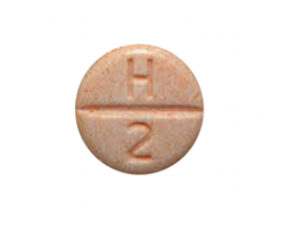
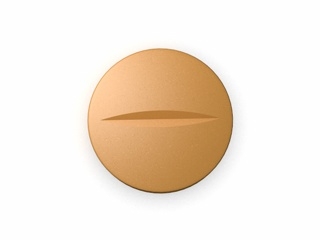
- Common strengths: Commonly available as 5 mg tablets in the UK (availability may vary)
- How it is taken: By mouth
- Who it may suit: People who need diuretic therapy and where potassium conservation is important
Brand names and formulations may differ. Your pharmacist can confirm what you have been given.
How amiloride works (mechanism of action)
Amiloride belongs to the group of diuretics known as potassium-sparing diuretics. It works mainly in part of the kidney called the distal tubule.
In the distal tubule, amiloride blocks sodium channels (often described as blocking the epithelial sodium channel, or ENaC). This reduces sodium reabsorption and therefore reduces water retention.
Because sodium reabsorption is reduced without strongly increasing potassium excretion, amiloride is less likely than many other diuretics to cause low potassium (hypokalaemia). In some people, it can instead increase potassium levels, which is why careful monitoring matters.
Pharmacokinetics (how the body handles amiloride)
Pharmacokinetics describes how a medicine is absorbed, distributed, metabolised, and excreted. The main practical points for patients are: onset, duration, and the importance of kidney function.
- Absorption: Amiloride is absorbed after oral dosing.
- Onset of diuretic effect: Effects usually begin within hours of taking a dose.
- Duration: The medicine works long enough to support once or twice daily regimens depending on your plan.
- Distribution: It circulates in the bloodstream and acts on the kidneys.
- Elimination: Mainly excreted by the kidneys.
- Key factor: Reduced kidney function can raise amiloride levels in the body, increasing the risk of side effects—especially high potassium.
Your clinician may adjust your dose based on kidney function (often assessed using blood tests such as creatinine/eGFR) and potassium level.
What amiloride is used for (typical uses & indications)
In the UK, amiloride is used for conditions where reducing fluid retention and/or preventing potassium loss is beneficial. It may be prescribed as a single medicine or as part of a treatment plan with other diuretics.
Common indications
- Hypertension (high blood pressure), often when combined with other treatments as appropriate
- Oedema (fluid retention), such as swelling in the legs or elsewhere, including in specific cardiac or kidney-related contexts
- Prevention or treatment of potassium loss caused by other diuretics (for example, when a “potassium-wasting” diuretic is used)
The exact indication depends on your individual situation. Your prescriber will tailor therapy to your symptoms, blood pressure, and lab results.
Dosing – how amiloride is typically taken
Always follow the dose instructions provided with your medicine. Doses can vary by indication, kidney function, and current electrolyte levels.
The following information is general and not a substitute for your personal regimen.
Typical adult dosing (general guidance)
- Often started at: A low dose, then adjusted if needed
- Frequency: Usually once daily or divided dosing (for example, once or twice daily) depending on response
- Maintenance: The dose may be adjusted based on blood pressure, fluid status, and potassium levels
Children and special populations
Dosing in children should only be determined by a clinician with paediatric experience. In older adults or people with kidney impairment, dosing usually requires extra caution and monitoring.
Missed dose
- If you miss a dose, take it when you remember unless it is close to the next dose.
- If it is almost time for the next dose, skip the missed dose.
- Do not double up to make up for the missed dose.
Timing – when to take amiloride
Many people take amiloride once in the morning or once or twice daily based on their plan. Because diuretics may increase urination, taking the dose earlier in the day can reduce night-time bathroom trips.
- Morning dosing: Common for once-daily regimens.
- Twice-daily dosing: If prescribed twice daily, doses are often spaced apart (for example, morning and early afternoon).
- Stay consistent: Try to take it at similar times each day.
If you feel the timing is causing sleep disruption or interfering with work, speak with your pharmacist or clinician—timing adjustments may be possible.
Food interactions and dietary considerations
Amiloride may interact with certain diets or supplements, primarily through its effect on potassium. Food itself is unlikely to directly interfere, but potassium intake is important.
Potassium-rich foods and supplements
- Avoid or use caution with potassium supplements unless specifically advised by your clinician.
- Large increases in potassium-rich salt substitutes (often used by people with “low salt” diets) can raise potassium levels.
- If you have been told to follow a low-salt diet, do so—but do not replace salt with potassium-containing substitutes unless your clinician agrees.
General advice
Maintain a balanced diet and follow any dietary instructions linked to your condition. Your blood tests help determine whether your potassium intake should be adjusted.
Alcohol interactions
There is no single universal alcohol rule that applies to everyone taking amiloride. However, alcohol can affect hydration, blood pressure, and the way you feel (e.g., dizziness).
- Alcohol may worsen dizziness, especially when you first start or if your blood pressure drops.
- Dehydration risk: If you drink alcohol and you are also losing fluid due to diuretic effect, you may feel weak or lightheaded.
- If you drink alcohol regularly, discuss with your clinician to confirm the safest approach for your health and medications.
If you notice dizziness, faintness, or palpitations after alcohol, seek advice promptly.
Medicine interactions (important)
Amiloride’s key safety concern is its effect on potassium and kidney-related handling of electrolytes. Certain medicines can increase the risk of high potassium or affect kidney function.
Medicines that may increase potassium levels
- ACE inhibitors (e.g., ramipril, lisinopril)
- Angiotensin receptor blockers (ARBs) (e.g., losartan, candesartan)
- Spironolactone or other potassium-sparing diuretics
- Direct potassium supplements or salts containing potassium
- Trimethoprim (an antibiotic)
- Other medicines that may raise potassium depending on your overall regimen
Non-steroidal anti-inflammatory drugs (NSAIDs)
NSAIDs (such as ibuprofen or naproxen) can affect kidney function and may reduce the diuretic effect. This combination may increase the risk of kidney problems in some people, especially those who are older or dehydrated. Use NSAIDs cautiously and only if your clinician/pharmacist agrees.
Other considerations
- Lithium: Diuretics can increase lithium levels. Monitoring is often required.
- Other blood pressure medicines: The blood pressure-lowering effect may be additive, increasing risk of dizziness.
- Medicines affecting kidney function: Any medicine that impacts kidney function may alter amiloride levels.
Always tell your pharmacist about all medicines you take, including over-the-counter products, herbal remedies, and supplements.
Safety profile – side effects and when to get help
Most people tolerate amiloride well, but it can cause side effects—particularly related to electrolytes (potassium/sodium) and kidney function. Your clinician may monitor blood tests after starting and after dose changes.
Common side effects
- High potassium symptoms are not always noticeable, but may include muscle weakness or tingling
- Nausea or mild stomach discomfort
- Headache or dizziness (especially if blood pressure lowers)
Serious risks (seek medical advice promptly)
Contact urgent medical help if you experience symptoms suggestive of dangerous electrolyte imbalance or kidney problems, such as:
- Irregular heartbeat or palpitations
- Severe weakness, paralysis-like symptoms, or sudden worsening muscle symptoms
- Fainting or severe dizziness
- Very low urine output or signs of acute kidney problems
- Severe dehydration (for example, persistent vomiting/diarrhoea with reduced drinking)
Monitoring
Typical monitoring includes blood tests for:
- Potassium
- Sodium
- Kidney function (eGFR/creatinine)
Monitoring frequency varies, but it is often more frequent soon after starting or increasing the dose.
Practical use tips for patients
- Do not start potassium supplements or salt substitutes with potassium unless your clinician confirms they are safe for you.
- Keep blood test appointments. This is one of the most important parts of safe use.
- Stay hydrated appropriately. Follow any fluid advice you have been given, especially if you have heart failure.
- Rise slowly if you feel dizzy when standing. This can reduce the risk of lightheadedness.
- Check your medicines: Ask your pharmacist to review your list for interactions (especially ACE inhibitors/ARBs, NSAIDs, and potassium supplements).
- Report symptoms early. If you develop palpitations, severe weakness, or unusual muscle symptoms, seek advice promptly.
Special situations: what to do on sick days
If you become unwell with vomiting, diarrhoea, fever, or you are not eating and drinking normally, your kidney handling of electrolytes can change. This can increase the risk of high potassium or kidney issues.
Ask your clinician or pharmacist for “sick day” advice that fits your overall medicines. If you are told to temporarily stop certain medicines during acute illness, follow those instructions carefully.
Alternative options
Alternatives depend on what amiloride is being used for (blood pressure control, fluid retention, or potassium conservation). Your clinician may choose from other diuretics or non-diuretic strategies.
Possible alternative diuretics
- Thiazide or thiazide-like diuretics (often used for hypertension, but may lower potassium)
- Loop diuretics (often used for more significant fluid retention, but can increase potassium loss)
- Other potassium-sparing diuretics (such as spironolactone or eplerenone, depending on the indication)
Non-medicine alternatives (adjuncts)
- Dietary salt reduction
- Monitoring fluid balance as advised
- Compression/leg elevation for oedema, if appropriate
Discuss options with your clinician—changes to diuretics can affect electrolytes and blood pressure.
UK market and legal context (general)
In the United Kingdom, medicines containing amiloride are regulated and supplied according to UK medicines legislation. Availability in online pharmacies may vary depending on strength, formulation, and whether the product is available via different supply routes.
Your online pharmacy should only dispense medicines in line with UK regulatory requirements, including appropriate patient checks and safe supply processes. If you are unsure what is suitable for you, contact the pharmacy team.
Recent guidance and safety updates (how to stay current)
Diuretic use often comes with evolving best practice, particularly around electrolyte monitoring and safety in kidney impairment. Guidance can be updated by UK bodies and clinical authorities.
To help stay safe:
- Follow the monitoring schedule your clinician provides.
- Ensure your online pharmacy updates your medication list at each review.
- Seek advice if you start any new medicine (including over-the-counter products).
- Keep an eye out for communications from your healthcare team or pharmacy about blood test timings and dose adjustments.
Delivery and availability (UK)
Delivery options and dispatch times can vary between online pharmacies. Many UK online pharmacies offer:
- UK-wide delivery (subject to postcode and stock availability)
- Tracked delivery for peace of mind
- Discreet packaging
- Support from a pharmacy team if you have questions about taking the medicine
Availability of specific strengths or brands may differ. If your usual product is not available, a pharmacist may be able to suggest an equivalent option where clinically appropriate.
FAQ – frequently asked questions
1) What is amiloride used for?
Amiloride is used to reduce fluid retention and/or manage high blood pressure, and it helps conserve potassium. It may be prescribed when a potassium-sparing approach is needed.
2) Will amiloride make me pee more?
It is a diuretic, so it may increase urination, especially in the first days after starting. Taking it earlier in the day can help reduce disruption at night.
3) Is amiloride potassium-sparing or potassium-losing?
Amiloride is potassium-sparing, which means it generally causes less potassium loss than many other diuretics. However, it can still cause high potassium in some people, so monitoring is important.
4) Can I drink alcohol while taking amiloride?
You may be able to drink alcohol, but it can increase dizziness or dehydration risk for some people. If you notice feeling faint, weak, or unwell after alcohol, avoid further alcohol and seek advice.
5) Can I take ibuprofen or other painkillers with amiloride?
NSAIDs such as ibuprofen can affect kidney function and may interact with diuretics. Check with your pharmacist or clinician before using NSAIDs regularly.
6) What foods should I avoid?
Be cautious with potassium-containing salt substitutes and potassium supplements unless your clinician has advised them. If you have been given specific dietary instructions, follow them closely.
7) How quickly will I feel better?
Some effects (like changes in fluid balance) may be noticeable within hours, while blood pressure improvements may take longer. Don’t stop or change dose based on how you feel—use the monitoring plan provided.
8) How long does it take for amiloride to reach steady effect?
Many people achieve practical symptom control within days, but full adjustment can take longer depending on dose changes, kidney function, and ongoing treatment.
9) What should I do if I miss a dose?
Take it when you remember unless it’s close to the next dose. Do not double the dose.
10) Who should be extra careful with amiloride?
People with kidney impairment, older adults, and those taking medicines that can raise potassium (like ACE inhibitors/ARBs or certain supplements) require extra caution and usually more frequent blood tests.
Quick reference table
| Topic | Key points |
|---|---|
| Medicine type | Potassium-sparing diuretic (ENaC sodium-channel blocker) |
| Main benefit | Reduces fluid/salt retention while helping limit potassium loss |
| Common uses | Hypertension and oedema; sometimes to prevent potassium loss from other diuretics |
| How to take | By mouth; often once in the morning (or as prescribed, e.g., once or twice daily) |
| Important monitoring | Potassium and kidney function (eGFR/creatinine), especially after starting or changing dose |
| Food-related advice | Avoid potassium supplements and potassium salt substitutes unless approved |
| Alcohol | May increase dizziness/dehydration risk—moderate use and listen to your body |
| Medicine interactions | Extra caution with ACE inhibitors/ARBs, spironolactone, potassium supplements, trimethoprim, and NSAIDs |
| Serious symptoms | Seek urgent advice for palpitations, severe weakness, fainting, or very low urine output |
Remember: If you have questions about your dose, blood test schedule, or how amiloride fits with your other medicines, contact your pharmacist or healthcare team. Safe use depends on both the right dose and ongoing monitoring.