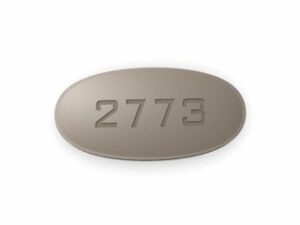
Atacand (Candesartan) – Patient-Friendly Guide (UK)
Atacand is a brand of candesartan, a medicine used to treat high blood pressure and certain heart conditions. This guide explains how it works, how it’s taken, what to expect, and important safety information—written for patients in the United Kingdom.
Note: Individual needs vary. Always follow the instructions provided with your medicine.
Basic Product Information
| Category | Details |
|---|---|
| Medicine | Atacand (candesartan) |
| Drug class | Angiotensin II receptor blocker (ARB) |
| Common uses | High blood pressure; heart failure; after heart attack (in selected patients) |
| Available strengths | Often available in multiple strengths (e.g., 4 mg, 8 mg, 16 mg, 32 mg—availability may vary) |
| How it’s taken | Oral tablets, usually once daily |
| Typical onset | Blood pressure may start improving within days; full effect can take several weeks |
How Atacand Works (Mechanism of Action)
Candesartan belongs to a group of medicines called angiotensin II receptor blockers (ARBs).
In the body, the hormone angiotensin II helps narrow blood vessels and can increase salt and water retention. This can raise blood pressure and put extra strain on the heart.
- Atacand blocks angiotensin II at its receptors (AT1 receptors).
- This helps blood vessels relax and widen, lowering blood pressure.
- It can reduce workload on the heart and help improve outcomes in some heart conditions.
Pharmacokinetics (How the Body Processes It)
Understanding pharmacokinetics can help you anticipate effects and how consistent dosing matters.
- Absorption: Candesartan is absorbed after oral dosing.
- Peak effect: Peak blood levels are reached within a few hours (timing can vary between individuals).
- Half-life: Candesartan has a relatively long duration of action, supporting once-daily dosing for many people.
- Metabolism: It is metabolised to a limited extent.
- Elimination: The medicine is cleared from the body via kidneys and bile pathways.
Why this matters: Because it lasts long enough to provide steady control for many patients, taking it around the same time each day can help maintain consistent effects.
Typical Use in the UK
Atacand is commonly used to treat:
- Hypertension (high blood pressure): Helps reduce the risk of stroke, heart attack, heart failure, and kidney problems associated with raised blood pressure.
- Heart failure: Often used when the heart cannot pump blood effectively. It may improve symptoms and reduce hospitalisations in suitable patients.
- After myocardial infarction (heart attack): In certain patients, it may be used to support long-term cardiovascular health.
It may be used alone or alongside other medicines depending on your condition and response.
Indications (What It’s Used For)
In the UK, indications for Atacand (candesartan) align with its approved uses in product information. These commonly include:
- Essential hypertension (high blood pressure)
- Heart failure with reduced ejection fraction and/or other specified clinical criteria
- Left ventricular dysfunction following myocardial infarction in appropriate patients
Your healthcare professional will choose the best option based on your medical history, blood pressure readings, kidney function, and potassium levels.
Dosing and Timing
Important: Doses vary by condition and patient factors such as kidney function, age, and blood potassium levels. The information below is general.
Typical timing
- Atacand is commonly taken once daily.
- Choose a time that fits your routine.
- Taking it at the same time each day can help you remember and maintain consistent effects.
How to take it
- Swallow tablets with water.
- It can be taken with or without food.
- If you miss a dose, take it when you remember unless it is close to the next dose. Do not double up.
Starting dose (general guidance)
Clinicians often start at a low dose and adjust based on blood pressure and tolerance. Dose adjustments may be needed for:
- Reduced kidney function
- Lower baseline blood pressure
- Concomitant medicines that affect potassium or kidney function
If you have questions about your specific dose, check the label on your pack or ask a pharmacist.
Food Interactions
Atacand can typically be taken with or without food. This means you do not usually need to plan meals around dosing.
- General rule: Take it as instructed, at your usual time.
- If you experience stomach upset, try taking it with a light snack (unless your clinician has advised otherwise).
Alcohol and Medicine Interactions
Alcohol
Alcohol can lower blood pressure and may increase dizziness or light-headedness, especially when you first start Atacand or when the dose changes.
- Consider limiting alcohol until you know how you respond.
- Be cautious when standing up quickly if you feel dizzy.
Medicine interactions
Some combinations may affect kidney function, blood potassium, or blood pressure. Tell your pharmacist or healthcare professional about all medicines, including over-the-counter products and herbal supplements.
Common interaction areas include:
- Potassium supplements or salt substitutes containing potassium (may raise potassium levels)
- Other medicines that increase potassium, such as certain diuretics (e.g., potassium-sparing types)
- Non-steroidal anti-inflammatory drugs (NSAIDs) (e.g., ibuprofen, naproxen) – may reduce kidney function in some people, especially with dehydration
- Other blood pressure lowering medicines (may increase risk of low blood pressure)
- Medicines affecting kidney function (your clinician may monitor you more closely)
- Lithium (requires close monitoring if used together)
Practical tip: If you need regular pain relief, ask a pharmacist what is safest for you alongside Atacand.
Safety Profile (What to Watch For)
Most people tolerate Atacand well, but like all medicines it can cause side effects. Some effects relate to how it changes blood pressure or affects kidney function and potassium.
Common side effects
- Dizziness (especially when standing up)
- Low blood pressure symptoms
- Headache
- Fatigue or feeling low energy
Less common but important
- Raised potassium (hyperkalaemia): can be detected on blood tests; symptoms may include muscle weakness or abnormal heart rhythms (usually serious problems require urgent care)
- Changes in kidney function: monitoring may be needed, especially after starting or increasing dose
- Allergic reactions (rare): signs may include swelling of face/lips, severe rash, or breathing difficulty
When to seek urgent help
Contact urgent medical services or seek emergency care if you develop:
- Severe allergic reaction signs (swelling of the face, lips, tongue, or throat; difficulty breathing)
- Fainting, severe dizziness, or symptoms of dangerously low blood pressure
- Signs of severe illness or dehydration (e.g., persistent vomiting/diarrhoea with inability to keep fluids down)
Practical Use Tips (How to Get the Best Results)
- Keep appointments: Regular monitoring helps ensure kidney function and potassium levels remain safe.
- Know your baseline: Ask whether you should monitor blood pressure at home and how often.
- Move carefully: If you feel dizzy, stand up slowly—especially after sitting or lying down.
- Stay hydrated: Dehydration can make kidney-related side effects more likely. Drink fluids unless you’ve been advised to restrict them.
- Follow “sick day” advice: During vomiting, diarrhoea, or severe dehydration, some medicines that affect the kidney may need temporary review. Ask your pharmacist or clinician for specific guidance for your situation.
- Do not stop suddenly: If you want to change therapy, discuss it with a healthcare professional—especially for heart failure or cardiovascular protection.
Alternative Options
If Atacand isn’t suitable or doesn’t work well, there are alternative treatments for blood pressure and heart conditions. These may include:
- Other ARBs (e.g., losartan, valsartan) – similar class, different drug
- ACE inhibitors (e.g., enalapril, lisinopril) – another pathway to lower blood pressure and support heart health (may cause cough in some people)
- Calcium channel blockers (e.g., amlodipine)
- Thiazide-like diuretics (e.g., indapamide)
- Beta-blockers (e.g., bisoprolol, metoprolol) for certain cardiac conditions
Your prescriber will consider your diagnosis, blood test results, symptom control, and side effect history when selecting an alternative.
Market and Legal Context in the United Kingdom
Medicines like Atacand are regulated in the UK through established frameworks for quality, safety, and prescribing information. In the UK, the brand name and active ingredient are clearly described so patients and healthcare professionals can identify the correct product.
Key points that are typical in the UK medicines environment include:
- Clear patient information and product leaflets authorised for the UK market
- Pharmacovigilance systems for monitoring and reporting side effects
- Availability of medicines through community pharmacies and other approved supply routes
If you’re buying online, it’s important to ensure the pharmacy site is legitimate and operates within UK legal requirements for medicines supply.
Recent Guidance and Monitoring Considerations (UK-Relevant)
Across the UK, clinical care commonly emphasises safe initiation and monitoring for blood pressure and heart medicines, particularly those that can affect kidney function and potassium. Guidance and best practice typically highlight:
- Baseline blood tests before starting or increasing doses (often including kidney function and potassium)
- Follow-up tests after dose changes, especially in people with kidney disease or higher risk
- Blood pressure review to ensure the target is being met safely
- Patient education on dehydration and interactions with NSAIDs and other potassium-affecting medicines
Because monitoring schedules can differ by individual risk, follow the plan given to you.
Delivery and Availability (Online Pharmacy Information)
Availability of Atacand can vary by strength and pack size. When purchasing online in the UK, supply may depend on:
- Your requested strength (e.g., 4 mg, 8 mg, 16 mg, 32 mg)
- Current stock levels
- Prescription/dispensing requirements and local pharmacy workflow
Delivery expectations:
- Some pharmacies offer standard and express delivery options.
- Dispatch times can vary depending on stock and verification steps.
- Packaging is typically designed to protect tablets and prevent damage in transit.
If you need a quick refill, check the estimated delivery date shown at checkout.
Frequently Asked Questions (FAQ)
1) What is Atacand used for?
Atacand (candesartan) is used to treat high blood pressure. It is also used for certain heart conditions, including heart failure and, in selected patients, left ventricular dysfunction after a heart attack.
2) How quickly will it work?
Blood pressure may begin to improve within a few days. However, the full effect can take several weeks, particularly when doses are adjusted. For heart conditions, benefits are often seen over time.
3) Should I take it with food?
Usually you can take Atacand with or without food. Choose what helps you remember it consistently.
4) Can I drink alcohol while taking Atacand?
It’s best to be cautious. Alcohol can increase the chance of dizziness or low blood pressure. If you drink, start with small amounts and see how you feel.
5) What should I do if I miss a dose?
Take it when you remember unless it’s close to the next dose. Do not take two doses together to make up for a missed one. If you’re unsure, ask a pharmacist.
6) Does Atacand affect potassium?
It can. Some people develop raised potassium, especially if they have kidney problems or take other medicines that increase potassium. Blood tests may be recommended.
7) Are NSAIDs safe with Atacand?
NSAIDs (such as ibuprofen or naproxen) may affect kidney function, particularly if you’re dehydrated or have existing kidney issues. If you need regular pain relief, ask your pharmacist for safer options.
8) Can Atacand be taken with other blood pressure medicines?
Often yes—combination therapy may be needed to reach blood pressure targets. However, combinations can increase the risk of low blood pressure or kidney-related side effects, so your clinician may monitor you more closely.
9) Who should not take Atacand?
Candesartan may not be suitable for everyone. People with certain medical conditions, severe kidney disease, or those who have had specific reactions to ARBs should get personalised advice. If you think you may be pregnant or planning pregnancy, seek urgent medical advice—ARBs are generally not used during pregnancy.
10) How should I store Atacand?
Store tablets according to the pack instructions, typically at room temperature and away from moisture and heat. Keep out of the sight and reach of children.
Summary
Atacand (candesartan) is an ARB medicine used in the UK to treat high blood pressure and selected heart conditions. It works by blocking angiotensin II receptors to help blood vessels relax and to support cardiovascular health. For many people, it’s taken once daily and can be taken with or without food.
As with other cardiovascular medicines, safety depends on correct dosing and appropriate monitoring—particularly for kidney function and potassium levels. If you’re unsure about interactions, missed doses, or side effects, speak to your pharmacist or healthcare professional.