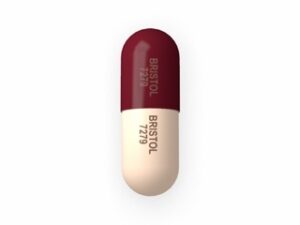


Bactrim (Trimethoprim) – Patient-Friendly Guide (UK)
Bactrim is a brand of an antibiotic medicine containing trimethoprim (often used as part of the combined antibiotic trimethoprim with sulfamethoxazole, depending on the exact product strength). Antibiotics can treat certain bacterial infections by stopping the bacteria from growing and multiplying.
This guide explains how Bactrim works, when it’s used, how to take it, important safety information, and practical tips. It is written for people in the United Kingdom.
1. Basic product information
- Active ingredient: Trimethoprim (commonly as combination with sulfamethoxazole for Bactrim/“co-trimoxazole” products; exact formulation varies by product).
- Medicine type: Antibiotic
- How it’s supplied: Tablets (and sometimes liquid formulations, depending on the brand/strength and local availability)
- Medicinal use: Treatment of susceptible bacterial infections
Important: Always check your pack label for the exact strength and whether it is trimethoprim alone or the commonly used combination with sulfamethoxazole. Your pharmacist or prescriber can confirm the correct product.
2. How Bactrim works (mechanism of action)
Trimethoprim works by interfering with bacterial folate (vitamin B9) production. Many bacteria need folate to make DNA and grow. Trimethoprim blocks an enzyme called dihydrofolate reductase, which bacteria use to convert folate precursors into active folate.
When Bactrim is used as the typical combined product (trimethoprim with sulfamethoxazole), the two medicines block consecutive steps in the same folate pathway. This combination can make the treatment more effective against a wider range of bacteria than trimethoprim alone.
- Net effect: Stops bacteria from producing essential building blocks for growth.
- Outcome: The immune system can then clear the infection.
3. Pharmacokinetics (how the body handles it)
Pharmacokinetics describes how a medicine is absorbed, distributed, metabolised, and excreted.
- Absorption: Trimethoprim is well absorbed after oral dosing.
- Distribution: It distributes through body tissues and fluids, including the urinary tract—one reason it can be used for certain urinary infections.
- Metabolism: It is metabolised (broken down) in the liver to some extent.
- Elimination: It is eliminated primarily via the kidneys (urine).
Practical impact: People with kidney problems may need dose adjustment or extra monitoring, because higher levels can accumulate.
4. Typical use in the UK (indications)
Bactrim is used for specific bacterial infections where the bacteria are likely to be susceptible. In the UK, antibiotic choice is influenced by local guidance, resistance patterns, and clinical assessment.
Common indications where trimethoprim-containing regimens may be used include:
- Urinary tract infections (UTIs) in selected situations (especially where organisms are known or expected to be susceptible)
- Some skin and soft tissue infections caused by susceptible bacteria
- Respiratory infections in selected cases (depending on suspected/confirmed bacteria)
- Other infections where a clinician determines trimethoprim-containing antibiotics are appropriate
Not for viral illness: Antibiotics do not treat colds, flu, or most sore throats caused by viruses.
5. When to take it (timing and course length)
How often you take Bactrim depends on the infection being treated, your age, kidney function, and the exact dosing instructions on your pack or accompanying leaflet.
General timing principles:
- Space doses evenly: If you are told to take it twice daily, aim for roughly every 12 hours.
- Use a consistent schedule: Take it at the same times each day.
- Finish the full course: Unless you’re advised to stop, complete the prescribed duration to reduce relapse and resistance.
- Keep going if you feel better: Stopping early can allow remaining bacteria to regrow.
If you miss a dose: Take it as soon as you remember. If it’s nearly time for the next dose, skip the missed dose and continue as normal. Do not take double doses to make up for a missed tablet.
6. Food interactions and taking with meals
For most people, trimethoprim-containing antibiotics can be taken with or without food. Taking with food may reduce stomach upset.
- With meals: Often easier on the stomach.
- Hydration: Drink plenty of fluids, especially if the medicine is being used for urinary infections.
Food & drink practical advice:
- Avoid taking with a large amount of dairy or antacids at the exact same time if your stomach is sensitive, unless your pharmacist has confirmed no issue with your specific product. (Check your leaflet for product-specific details.)
- If you experience nausea, try taking the dose with a snack.
Important: Always check the patient leaflet for the specific Bactrim product you have, as formulation guidance can vary.
7. Alcohol and medicine interactions
Alcohol: In general, moderate alcohol intake is not specifically contraindicated for trimethoprim in most patient leaflets; however, alcohol can worsen side effects such as dizziness, nausea, or fatigue and can make dehydration more likely.
Best practice: To minimise discomfort and support recovery, consider avoiding alcohol or keeping it to a minimum while you’re unwell and taking antibiotics.
Medicine interactions (important): Trimethoprim can interact with other medicines, particularly those affecting potassium levels or blood cell production.
Tell a healthcare professional if you take:
- Medicines that increase potassium (e.g., some diuretics such as spironolactone, ACE inhibitors, angiotensin receptor blockers, potassium supplements)
- Blood-thinning medicines (e.g., warfarin)—antibiotics can affect bleeding risk in some situations
- Other medicines that can affect blood counts (certain chemotherapy agents, immunosuppressants, or other antibiotics)
- Some medicines for diabetes (e.g., sulfonylureas)—there can be increased risk of low blood sugar in some cases
- Medications that affect folate or for which folate pathways matter
If you’re unsure: Check with your pharmacist using a list of all medicines and supplements you take (including herbal products and over-the-counter remedies).
8. Dosing (general guidance)
Dosing must be individualised. The correct dose depends on the infection type, your age, kidney function, and the exact product strength.
Do not use dosing information from the internet to replace your pack leaflet or clinician’s instructions. Below is general, non-personalised context.
Typical dosing frequency
- Adults: Often taken once or twice daily depending on the regimen (many standard regimens are twice daily for short courses).
- Children: Dosing is weight-based and must be calculated by a clinician or pharmacist.
- Renal impairment: Dose adjustment may be needed if kidney function is reduced.
How to take tablets
- Swallow tablets with water.
- If tablets are difficult to swallow, discuss alternatives with a pharmacist (e.g., a liquid formulation where available).
- Keep the medicine in a cool, dry place, protected from moisture and heat.
9. Safety profile and side effects
Like all medicines, Bactrim can cause side effects. Many people have none or only mild effects, but some reactions require urgent medical attention.
Common side effects
- Nausea
- Loss of appetite
- Vomiting
- Diarrhoea
- Skin rash (mild rashes can occur but should be monitored closely)
- Headache
Serious side effects (seek urgent advice)
Get urgent medical help if you develop signs of a severe allergic reaction or dangerous blood/skin reactions.
- Swelling of the face, lips, tongue, or throat; severe difficulty breathing
- Severe rash, blistering, peeling skin, or rash with fever (possible serious skin reactions)
- Unusual bruising or bleeding, severe sore throat, infections that keep returning (possible blood cell effects)
- Yellowing of the skin/eyes (jaundice) or severe fatigue
- Persistent watery diarrhoea or diarrhoea with blood/mucus and fever (possible severe gut infection)
Who should take extra care?
Be cautious and seek professional advice if you have:
- Kidney disease or reduced kidney function
- History of allergy to trimethoprim, sulfonamides (sulfa drugs), or similar antibiotics
- Blood disorders or low folate levels
- Use of medicines that raise potassium or affect blood clotting
- Pregnancy or breastfeeding (risk varies; clinicians assess benefits vs risks)
Monitoring and blood tests
In some people—especially those on longer courses, higher doses, or with kidney problems—clinicians may monitor blood counts and kidney function.
10. Practical use tips (to improve outcomes and reduce problems)
- Start on time: Take each dose at the scheduled time for steady drug levels.
- Hydrate: Drink water regularly, unless you’ve been told to restrict fluids.
- Don’t share antibiotics: Bacterial infections differ; using another person’s medicine may fail and may increase harm.
- Watch for rash: A new rash can sometimes signal intolerance or allergy. Stop and seek advice promptly if the rash is severe, spreading, or associated with fever.
- Consider probiotics cautiously: Some people use probiotics to support gut health during antibiotics. If you choose to use them, separate timing from antibiotic doses by a few hours and check guidance from your pharmacist—especially if you’re immunocompromised.
- Complete the course: Even if you feel better, finishing the regimen helps prevent recurrence.
11. Alternative options (what else may be used)
Alternative antibiotics depend on the suspected infection, local resistance patterns, allergies, kidney function, pregnancy status, and previous antibiotic use.
Examples of alternatives clinicians may consider (depending on the infection):
- Nitrofurantoin (commonly for certain uncomplicated UTIs)
- Amoxicillin or co-amoxiclav (for some respiratory or ENT infections; depends on resistance and suitability)
- Cephalosporins (in select cases)
- Macrolides (for certain respiratory infections or penicillin allergy scenarios)
- Other agents guided by culture results when available
Non-antibiotic support: Many infections also require symptom relief measures (e.g., hydration, pain/fever management) alongside appropriate antimicrobial treatment.
Best approach: Ask a pharmacist or clinician to review your history of allergies and prior treatments to choose the most suitable option.
12. UK market and legal context (how antibiotics are supplied)
Antibiotics are controlled medicines in the UK to help ensure appropriate use and reduce antimicrobial resistance.
- Antibiotic stewardship: UK healthcare works to prevent overuse and misuse of antibiotics.
- Medicines governance: Medicines are dispensed according to UK regulations and national guidance.
- Quality and safety: Reputable suppliers provide medicines with the correct packaging, labelling, and patient information.
For online pharmacy customers: Ensure your order comes from a reputable UK-registered online pharmacy. Verify product name, strength, and expiry date. Keep the original packaging/leaflet for reference.
13. Recent guidance and antimicrobial resistance considerations
UK antibiotic guidance emphasises:
- Right antibiotic, right dose, right duration
- Avoiding unnecessary antibiotics for viral illnesses
- Considering local resistance patterns and using test results when available
- Using culture/sensitivity testing for recurrent or complicated infections when appropriate
Because bacterial resistance can vary over time and location, a medicine like Bactrim may or may not be the preferred choice for a particular infection. If you have recurrent UTIs or complicated infections, clinicians may request a urine sample or further assessment before selecting treatment.
14. Delivery and availability (UK online pharmacy)
Availability of Bactrim products can vary based on supply, strength, and formulation. Typical features of a UK online pharmacy service include:
- Product availability: Subject to stock status and manufacturer supply.
- Dispatch times: Orders are usually processed promptly during working days (check the site’s delivery information).
- Tracking: Many services provide delivery updates.
- Packaging: Medicines are shipped in secure packaging with proper labelling.
Storage on arrival: Store tablets as directed on the packaging. Keep out of sight and reach of children.
15. FAQ
What is Bactrim used for?
Bactrim/trimethoprim-containing regimens are used to treat certain bacterial infections where the bacteria are likely to be susceptible, such as some urinary tract infections and other selected infections. The exact indication depends on the formulation and local guidance.
How quickly will I feel better?
Many people notice some improvement within 24–48 hours, but this depends on the infection and severity. If there is no improvement after the expected timeframe, seek medical advice.
Can I take Bactrim with food?
Often yes. Taking it with food may reduce stomach upset. Check the leaflet for your specific product.
Can I drink alcohol while taking Bactrim?
Moderate alcohol is not usually specifically prohibited, but alcohol may worsen side effects and dehydration. For best tolerance and recovery, consider avoiding alcohol or keeping it minimal while you’re unwell.
What if I miss a dose?
Take it when you remember unless it’s close to the next dose. Skip the missed dose if needed, and continue your normal schedule—do not take a double dose.
Are there people who should avoid Bactrim?
People with a known allergy to trimethoprim or related antibiotics, or those with certain medical conditions (especially significant kidney problems or specific blood disorders), should use caution and seek professional advice.
What should I do if I develop a rash?
Mild rashes may occur, but new or worsening rash—especially with fever, blistering, or skin peeling—can be serious. Seek urgent medical advice if symptoms are severe or rapidly spreading.
Does Bactrim interact with warfarin or other medicines?
Yes. Antibiotics can affect bleeding risk and other medicine levels. Always check potential interactions with your pharmacist, especially if you take warfarin, medicines that raise potassium, diabetes medicines, or other prescription and over-the-counter products.
How should Bactrim be stored?
Store according to the instructions on the pack (typically in a cool, dry place, away from moisture and out of reach of children). Do not use after the expiry date.
Can I stop when I feel better?
It’s important to complete the full course unless a clinician advises stopping. Stopping early can allow infection to return and can contribute to resistance.
15. Summary
Bactrim (trimethoprim-containing antibiotic) helps treat certain bacterial infections by blocking folate production needed for bacterial growth. It’s important to take doses on schedule, finish the full course, and be aware of interactions and potential side effects. If you develop severe rash, breathing problems, persistent severe diarrhoea, or any other worrying symptoms, seek urgent medical advice promptly.
If you have questions about your specific product strength, dosing schedule, or interactions with your current medicines, speak to a pharmacist or check the patient information leaflet included with your medicine.