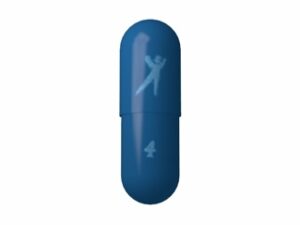
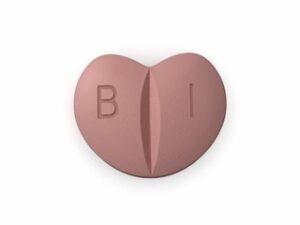
Bisoprolol: Uses, How It Works, Safety & Practical Advice (UK)
Bisoprolol is a medicine used to treat certain heart conditions and to help control symptoms such as fast heart rate and high blood pressure. It belongs to a group of medicines called beta-blockers. In the UK, bisoprolol is commonly supplied as tablets (often once daily), and may be used alone or alongside other medicines depending on your diagnosis.
This page provides patient-friendly, general information about bisoprolol. It is not a substitute for personalised medical advice. If you have questions about your specific situation, speak to a healthcare professional.
Basic product information
| Category | Details |
|---|---|
| Medicine name | Bisoprolol |
| Medicine type | Beta-blocker (selective β1-blocker) |
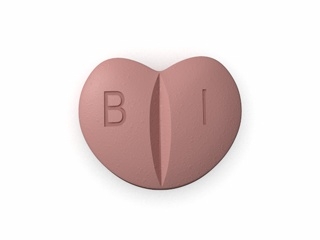
| Common form | Tablets (strengths vary by product) |
| Typical dosing pattern | Often once daily (exact regimen depends on condition) |
| Who it may be used for | High blood pressure, angina, certain heart failure cases |
| How it is taken | Usually by mouth with water; swallow whole (follow your tablet instructions) |
How bisoprolol works (mechanism of action)
Bisoprolol is a beta-1 (β1) selective adrenergic receptor blocker. This means it primarily affects the receptors in the heart. By blocking β1 receptors, it can:
- Slow the heart rate (reduces heart workload)
- Reduce force of heart contraction (may lower blood demand from the heart muscle)
- Lower blood pressure by reducing cardiac output and modifying responses to stress hormones
In conditions like angina, reducing the heart’s demand for oxygen can help prevent symptoms. In selected patients with stable heart failure, bisoprolol can improve outcomes over time as part of an overall treatment plan.
Pharmacokinetics (how the body handles bisoprolol)
Pharmacokinetics explains what happens to a medicine in the body—how quickly it starts to work, how long it lasts, and how it is removed. While individual responses vary, the following are typical features:
- Absorption: Bisoprolol is absorbed after oral administration.
- Onset and effect: Effects begin within hours, and blood levels generally support once-daily dosing in many patients.
- Distribution: It circulates in the bloodstream and reaches cardiac and systemic targets.
- Metabolism: Bisoprolol is metabolised partly by the liver and also processed by the kidneys, depending on patient factors.
- Elimination: The medicine is removed from the body over time, with a half-life that supports sustained effects.
Your prescriber may adjust the dose if you have kidney or liver impairment, older age, or other factors that influence drug handling.
What bisoprolol is used for (indications)
Bisoprolol may be prescribed for a range of cardiovascular conditions, including:
- High blood pressure (hypertension): Helps lower and control blood pressure.
- Angina pectoris: Helps reduce frequency and severity of chest pain episodes.
- Chronic stable heart failure: Used as part of standard therapy in selected patients to support longer-term management.
- Heart rate control in certain cardiac conditions: Depending on the diagnosis and individual assessment.
Whether bisoprolol is appropriate depends on your heart rhythm, blood pressure, other medical conditions (such as asthma), and your current medicines.
Typical timing and how to take bisoprolol
Many bisoprolol regimens are taken once daily. Choose a time you can stick to and aim for consistency. For example, you might take it in the morning or evening—your local instructions and the guidance from your healthcare professional are the most important.
General practical timing guidance
- Take at the same time each day to maintain steady effect.
- With or without food: usually possible (see food interactions section).
- If you miss a dose: take it when you remember unless it is close to the next dose; do not double up.
- Do not stop suddenly: stopping abruptly can worsen symptoms in some people.
Stopping or changing dose
If you need to stop or adjust bisoprolol, a gradual approach is often used. Follow your healthcare professional’s plan, especially if you have angina or heart failure.
Food interactions
Food can influence how quickly some medicines are absorbed, but bisoprolol is generally flexible with meals. In many products, taking bisoprolol with food does not significantly change its overall effect.
- Common approach: Take with water and you may take with or without food.
- Consistency matters: if you notice any personal differences, keep to the same pattern (e.g., always with breakfast).
If you have been instructed to take bisoprolol in a particular way on your product label, follow those instructions.
Alcohol interactions and considerations
Drinking alcohol with bisoprolol may increase the chance of certain side effects, particularly:
- Feeling dizzy or light-headed (especially when standing up)
- Low blood pressure symptoms
- Faintness in some individuals
- Reduced exercise tolerance or fatigue
If you drink alcohol, consider:
- Start with smaller amounts and see how you feel
- Avoid binge drinking
- Be cautious if you are also taking other medicines that lower blood pressure
If you experience persistent dizziness, fainting, or unusually slow heart rate after alcohol, seek medical advice.
Medicine interactions (important)
Bisoprolol can interact with other medicines. Some combinations may increase the risk of slow heart rate, low blood pressure, or other rhythm problems. Always review your full list of medicines (including over-the-counter products and herbal remedies) with a healthcare professional or pharmacist.
Medicines that may interact
- Other blood pressure or heart medicines: combining may intensify blood pressure lowering.
- Other heart rhythm medicines (antiarrhythmics): may affect heart rate and rhythm.
- Non-dihydropyridine calcium channel blockers (e.g., verapamil, diltiazem): can increase risk of bradycardia or heart block.
- Clonidine: stopping clonidine suddenly may cause blood pressure rebound; beta-blockers may affect management—changes should be supervised.
- Diabetes medicines: beta-blockers may mask some warning signs of low blood sugar (e.g., fast heartbeat).
- Medicines that affect heart rate: some antidepressants, antipsychotics, and other drugs can influence rhythm.
- Some asthma/COPD medicines: bisoprolol is β1-selective, but high doses can still reduce response to certain bronchodilators.
How interactions can show up
- Unusually slow pulse or palpitations that feel different than usual
- Dizziness, fainting, or worsening tiredness
- Worsening breathing symptoms if you have asthma or COPD
If you are starting, stopping, or changing any medicine while taking bisoprolol, check with a pharmacist for safety.
Dose and dosing guidance (typical approach)
The correct dose of bisoprolol depends on the condition being treated, your response, and other health factors (such as heart rate, blood pressure, kidney/liver function, and other medications). Doses should be individualised by a healthcare professional.
Common principles of dosing
- Start low, then adjust: particularly important for heart failure management.
- Monitor pulse and blood pressure: your clinician may check these during dose changes.
- Once daily regimens are common: aim for consistent timing.
Typical tablet strengths (examples)
UK products may vary by manufacturer. Common strengths for bisoprolol tablets may include (for example) 2.5 mg, 5 mg, and 10 mg. Always rely on the strength printed on your specific pack.
Heart failure dose approach (general)
For chronic stable heart failure, bisoprolol dosing typically involves careful titration (gradual increase) based on tolerance and clinical response. This often means more frequent follow-up early on.
High blood pressure and angina (general)
- Dosing may begin at a lower strength and be adjusted to reach desired blood pressure or symptom control.
- Some people achieve control with once daily dosing; others require specific adjustments.
Do not change your dose without medical advice. Taking too much can cause marked slowing of the heart and low blood pressure.
Safety profile: side effects and what to watch for
Like all medicines, bisoprolol can cause side effects. Many people tolerate it well, particularly after dose stabilisation. Side effects often relate to its effects on heart rate and blood pressure.
Common side effects
- Tiredness, reduced energy
- Dizziness (especially when standing up)
- Slow heart rate (bradycardia)
- Cold hands or feet
- Headache
- Sleep disturbance in some people
Less common but important effects
- Worsening breathlessness or breathing difficulties (more relevant if you have asthma or COPD)
- Symptoms of low blood pressure such as fainting
- Changes in circulation that feel more intense in colder conditions
- Gastrointestinal symptoms such as nausea or stomach upset (varies by person)
Seek urgent medical help if
- Severe dizziness, fainting, or very low pulse
- Chest pain that worsens or new severe symptoms
- Sudden severe shortness of breath or signs of an allergic reaction (e.g., swelling of face/lips, rash, wheezing)
Special caution groups
- Asthma/COPD: While bisoprolol is β1-selective, it can still affect breathing at higher doses or in sensitive individuals.
- Diabetes: it may mask some symptoms of hypoglycaemia (notably rapid heartbeat).
- Peripheral circulation issues: may worsen coldness or discomfort.
- Bradycardia or heart block history: requires careful monitoring.
- Older adults: may be more sensitive to dizziness or low blood pressure.
Practical use tips for patients
- Check your pulse and blood pressure if you have been advised to do so.
- Stand up slowly if you feel dizzy, especially after starting or changing dose.
- Keep track of symptoms (e.g., dizziness frequency, chest pain episodes, breathlessness).
- Don’t stop suddenly: if you plan travel, surgery, or you’re unwell, still continue unless instructed otherwise by a clinician.
- Stay consistent with timing—even if you switch from morning to evening, do it consistently with guidance.
- Carry a medication list (or use a pharmacy/phone record) so professionals know what you take.
- Be mindful with exercise initially: some reduction in exercise tolerance can occur until your body adapts.
When bisoprolol may not be suitable
Suitability depends on your medical history and current status. Bisoprolol may require extra caution or not be appropriate if you have:
- Uncontrolled asthma with significant symptoms
- Very slow heart rate or certain heart conduction problems (e.g., significant heart block without a pacemaker)
- Severe low blood pressure
- Certain types of abnormal heart rhythm (depending on the specifics)
Your healthcare professional will assess risks versus benefits for your individual case.
Alternative options (if bisoprolol isn’t right for you)
If bisoprolol is not suitable due to side effects, lack of benefit, or specific clinical considerations, other treatment options may be considered. Your prescriber may suggest:
- Other beta-blockers: for example, metoprolol, atenolol, or carvedilol (choice depends on indication and patient factors).
- Non-beta-blocker options: alternatives for blood pressure or angina may include ACE inhibitors/ARBs, calcium channel blockers, nitrates, or other medicines depending on diagnosis.
- Condition-specific management for heart failure: typically uses a combination of therapies; beta-blocker selection may vary.
The best alternative depends heavily on the reason you’re taking bisoprolol—high blood pressure, angina, or heart failure—and your overall health.
Market and legal context in the UK
In the United Kingdom, bisoprolol is an established cardiovascular medicine. Medicines are regulated by the UK medicines framework and supplied through licensed supply chains. Availability, pack sizes, strengths, and brand names can vary, as can whether a product is supplied as a branded medicine or a generic.
For online pharmacies, product listings typically provide clear information on:
- Active ingredient and strength
- Formulation (e.g., tablets)
- Manufacturer and pack size
- Important patient information (such as common side effects and key safety points)
- Delivery estimates and ordering terms
Always ensure you purchase from a reputable, properly licensed online pharmacy to reduce the risk of counterfeit or unregulated products.
Recent guidance and healthcare updates (UK context)
UK clinical practice for cardiovascular conditions is supported by evidence-based guidance and ongoing updates from professional bodies. Recent emphasis across many heart-related guidelines has included:
- Optimising long-term therapy (including beta-blockers when appropriate)
- Careful initiation and titration for medicines, particularly in heart failure
- Monitoring of blood pressure, pulse, kidney function (where relevant), and symptoms
- Adherence support and patient education about side effects and when to seek help
Your clinicians may update treatment plans as new evidence emerges. If you are unsure whether your dose or regimen is current, ask your pharmacist or GP practice for advice.
Delivery and availability in the UK
Availability of bisoprolol tablets can vary by strength and pack size. Online pharmacies commonly offer:
- Generic and branded options (depending on stock)
- Multiple strengths (e.g., 2.5 mg, 5 mg, 10 mg, depending on product)
- Different pack sizes (number of tablets per pack)
Delivery times depend on your location, courier service, and stock status. Many UK pharmacies aim to dispatch orders promptly and provide tracking or delivery updates. When ordering, check:
- Estimated delivery date at checkout
- Packaging and discreet delivery options (if offered)
- Return policy and handling of damaged parcels
FAQ: Bisoprolol
1) What is bisoprolol used for?
Bisoprolol is used for conditions such as high blood pressure, angina (chest pain due to reduced blood flow to the heart), and selected cases of stable chronic heart failure. It helps by slowing heart rate and reducing the heart’s workload.
2) How quickly does bisoprolol start working?
Many people notice effects within hours, but the full benefit—especially in long-term conditions like heart failure or angina control—may take weeks as your body adjusts and your dose is optimised.
3) Can I take bisoprolol with food?
In most cases, bisoprolol can be taken with or without food. If you have a preference or notice differences, keep a consistent routine. Always follow the instructions provided with your specific product.
4) What if I forget a dose?
Take it as soon as you remember unless it is near the time for your next dose. Do not take a double dose to make up for a missed tablet. If you are unsure, ask your pharmacist for advice.
5) Is it safe to stop bisoprolol suddenly?
Stopping suddenly can be risky. It may worsen angina symptoms or affect heart failure stability. If you need to stop, do so only under professional guidance, often with gradual dose reduction.
6) Can I drink alcohol while taking bisoprolol?
Alcohol may increase dizziness or low blood pressure symptoms. If you choose to drink, do so in moderation and be cautious—especially when you first start bisoprolol or after dose changes.
7) Does bisoprolol affect asthma?
Bisoprolol is β1-selective, which means it tends to have less effect on the airways than some older beta-blockers. However, it can still affect breathing, particularly at higher doses or in people with sensitive airways. If you have asthma or COPD, discuss safety with a healthcare professional and report any worsening breathlessness promptly.
8) Will bisoprolol affect my heart rate?
Yes. Bisoprolol is designed to slow heart rate. If you notice an unusually slow pulse, faintness, or worsening symptoms, contact a healthcare professional.
9) What side effects are most common?
Common side effects include tiredness, dizziness, cold hands or feet, and a slower pulse. Many people find these improve as their body adjusts to the medicine.
10) Are there medicines I should avoid with bisoprolol?
Some combinations can increase the chance of slow heart rate or low blood pressure. Examples include certain heart rhythm medicines and some calcium channel blockers (like verapamil or diltiazem). Always check your full list of medicines with a pharmacist.
Summary
Bisoprolol is a heart-focused beta-blocker used in the UK to manage conditions such as high blood pressure, angina, and certain stable heart failure cases. It works by reducing the heart’s workload and heart rate. When taken regularly at the correct dose and monitored appropriately, it can provide significant benefits. If you experience concerning symptoms—such as fainting, severe breathlessness, or chest pain—seek medical help promptly.