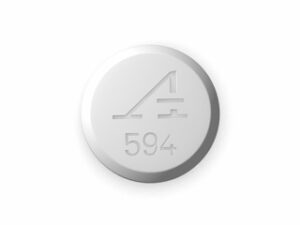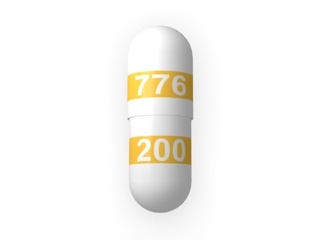


Celebrex (Celecoxib) — Patient Guide (UK)
Celebrex contains celecoxib, a medicine from the group known as NSAIDs (non-steroidal anti-inflammatory drugs). It is used to relieve pain and inflammation in certain conditions and can also help reduce inflammation-related symptoms such as stiffness.
This guide explains what Celebrex is, how it works, how it is taken, what to watch for, and how it may interact with food, alcohol, and other medicines. It is written for patients in the United Kingdom.
Basic product information
- Active ingredient: Celecoxib
- Drug class: COX-2 selective NSAID
- Common form: Capsules or tablets (strengths vary by product/brand)
- Uses: Pain relief and reducing inflammation in specific rheumatology and pain conditions
- UK availability: Sold through regulated supply routes; availability can vary by strength and formulation
Strengths, pack sizes, and dosing frequency may differ depending on your condition and the specific product. Always follow the instructions supplied with your medicine.
How Celebrex works (mechanism of action)
Celecoxib works by blocking COX-2 (cyclo-oxygenase-2), an enzyme involved in the production of prostaglandins. Prostaglandins contribute to inflammation, pain, and fever.
Because celecoxib is relatively selective for COX-2 compared with some other NSAIDs, it may have a different effect on the stomach lining. However, it is still an NSAID and can still cause stomach irritation, ulceration, or bleeding in some people.
What you may notice
- Reduced pain and tenderness
- Improved mobility and reduced stiffness (for joint-related conditions)
- Less swelling and inflammation
Pharmacokinetics — how the body handles celecoxib
Pharmacokinetics describes how a medicine is absorbed, distributed, metabolised, and eliminated. For celecoxib, key features include:
- Absorption: Absorbed from the gastrointestinal tract after taking a dose.
- Time to peak: The medicine generally reaches its highest concentration in the blood within a few hours (commonly around 2–4 hours for many formulations).
- Metabolism: Primarily metabolised in the liver.
- Elimination: Removed from the body mainly through metabolic processing and excretion.
- Half-life: The effective duration can support one or twice daily dosing depending on the regimen.
If you have liver disease or reduced liver function, your prescriber may consider a different approach. Some people also require extra caution due to kidney function and overall cardiovascular risk.
Typical use and common indications in the UK
Celebrex is used for specific inflammatory and pain conditions. The exact approved indications and dosing can vary by country product information and formulation.
Common clinical uses
- Osteoarthritis (OA): Relief of pain and symptoms related to degenerative joint disease.
- Rheumatoid arthritis (RA): Relief of pain, inflammation, and swelling in inflammatory joint disease.
- Ankylosing spondylitis (AS): Pain and stiffness in inflammatory back conditions.
- Acute pain or painful inflammatory states: In some cases, used for short-term relief of certain painful conditions.
- Dysmenorrhoea: Painful periods (in appropriate circumstances, depending on local product information).
Your clinician will consider your age, medical history, other medicines, and risk factors such as heart, blood pressure, kidney function, and stomach ulcer history when deciding whether an NSAID like celecoxib is suitable.
How to take Celebrex — timing, dosing and practical guidance
The best dosing schedule depends on the condition being treated. Always follow the dosing instructions provided with your medicine. Do not exceed the recommended dose.
General dosing principles (patient-friendly)
- Start low, adjust carefully: Many people are started on the lowest effective dose.
- Consistent timing: Take doses at the same times each day to maintain steady effect.
- Shortest duration possible: NSAIDs are typically used for the shortest time that achieves treatment goals.
- Missed dose: If you miss a dose, take it when you remember unless it is close to the next dose. Do not take a double dose.
Typical adult dosing ranges (approximate)
The specific dose will depend on your indication. Below are common ranges seen in clinical use; your product leaflet will contain the exact guidance for your formulation.
| Condition (examples) | Typical dosing approach | How often (general) | Notes |
|---|---|---|---|
| Osteoarthritis | Lowest effective dose | Once or twice daily | Dosing may be adjusted based on response and tolerance |
| Rheumatoid arthritis | Condition-specific dose | Once or twice daily | May be used alongside other long-term treatments |
| Ankylosing spondylitis | Condition-specific dose | Once or twice daily | Regular assessment of benefit and side effects is important |
| Acute pain / short-term use | Single or short course regimen | May vary | Use for the shortest time possible |
| Dysmenorrhoea (painful periods) | Course started at onset | May vary | Follow the specific leaflet advice |
If you are unsure about your dosing schedule, check your medicine packaging or leaflet, or speak to your pharmacist.
Food and timing
Celebrex can usually be taken with or without food. However, food may affect how quickly it is absorbed. For best consistency:
- If it upsets your stomach, consider taking it with food.
- If you are taking it for regular symptoms, take it at similar times each day.
- Avoid taking it with other NSAIDs (unless advised) to reduce added risk.
Food interactions
Celecoxib does not have major, well-known interactions with common foods. Still, certain practical considerations help reduce side effects:
- Gastric comfort: If you experience indigestion, nausea, or abdominal discomfort, taking with meals may help.
- Hydration: Drinking water can help support kidney function, especially in older adults or those with kidney risk.
- Alcohol with meals: Alcohol taken on an empty stomach can worsen irritation and increase bleeding risk with NSAIDs.
If you follow a special diet, have swallowing difficulties, or need an alternative administration method, ask a pharmacist.
Alcohol and medicine interactions
Alcohol
Combining NSAIDs like celecoxib with alcohol can increase the risk of stomach irritation and gastrointestinal bleeding. It may also worsen dizziness or nausea in some people.
If you drink alcohol, consider reducing intake while taking celecoxib and seek advice if you have a history of ulcers, bleeding, or significant liver disease.
Important medicine interactions (examples)
Celecoxib can interact with other medicines. Some combinations increase bleeding risk, kidney stress, or cardiovascular risk. The list below highlights common interaction categories; always check your individual situation with a healthcare professional.
- Other NSAIDs: e.g., ibuprofen, naproxen, diclofenac. Combining increases the risk of stomach and kidney problems.
- Aspirin (low dose or pain dose): interaction depends on dose and reason for aspirin use. Do not start or stop aspirin without advice.
- Blood thinners: e.g., warfarin. NSAIDs can increase bleeding risk; monitoring may be needed.
- Antiplatelet medicines: e.g., clopidogrel. Increased bleeding risk is possible.
- SSRIs/SNRIs (antidepressants): e.g., sertraline, citalopram, venlafaxine. May increase bleeding tendency.
- Diuretics (“water tablets”) and ACE inhibitors/ARBs: e.g., furosemide, ramipril, losartan. Together can affect kidney function in some people (especially if dehydrated).
- Lithium: celecoxib can raise lithium levels in some cases.
- Methotrexate: NSAIDs may affect methotrexate clearance at higher doses.
- Digoxin: may affect digoxin levels (monitoring may be needed).
- Cyclosporine and tacrolimus: can increase kidney risk when combined with NSAIDs.
- Strong liver enzyme modifiers: medicines that strongly affect liver enzymes may change celecoxib levels.
Tell your pharmacist about all medicines you take, including over-the-counter products, supplements, and herbal remedies.
Safety profile — who needs extra caution
Like all medicines, celecoxib can cause side effects. Many people tolerate it well, but some risks are important—especially with higher doses, longer use, older age, or existing medical conditions.
Common side effects
- Indigestion, heartburn, stomach discomfort
- Nausea
- Headache
- Dizziness
- Swelling of ankles/feet (fluid retention can occur)
Serious side effects (seek urgent medical help)
Get urgent medical advice if you experience any of the following:
- Signs of stomach bleeding: vomiting blood, black/tarry stools, or blood in stools
- Severe allergic reactions: swelling of face/lips, breathing difficulties, widespread rash
- Chest pain, shortness of breath, weakness on one side: possible cardiovascular or stroke symptoms
- Unexplained severe skin reactions: blistering rash, peeling skin
- Signs of liver problems: yellowing of skin/eyes, dark urine, severe fatigue
- Severe reduction in urine output or sudden weight gain/swelling: possible kidney issues or fluid retention
Who should be extra cautious
- People with a history of stomach ulcer or gastrointestinal bleeding
- People with heart disease, previous stroke, uncontrolled high blood pressure, or significant cardiovascular risk
- People with kidney impairment or at risk of dehydration
- Older adults
- People with liver impairment
- Those taking blood-thinners or multiple medicines that increase bleeding risk
If you have any of the above risk factors, the decision to use celecoxib and the dose should be carefully considered. Monitoring may be recommended.
Practical use tips
- Use the lowest effective dose: This can help reduce side effects.
- Don’t combine with other NSAIDs: Avoid taking ibuprofen/naproxen/diclofenac at the same time unless advised.
- Stay hydrated: Especially if you are older, have kidney risk, or are unwell.
- Check your blood pressure: NSAIDs can raise blood pressure in some people.
- Watch for stomach symptoms: Heartburn, stomach pain, or black stools should be reported promptly.
- Review regularly: If you use celecoxib long-term, ask for periodic review of risks and benefit.
- Consider stomach protection if needed: Some patients may be prescribed additional gastro-protective therapy depending on risk.
If you get pain relief but your symptoms return quickly when you stop, discuss whether your overall treatment plan needs adjustment.
Alternative options
Depending on your condition, alternatives may include other NSAIDs, pain-modifying medicines, or non-drug measures. The best option depends on your medical history and risk profile.
Non-NSAID pain relief
- Paracetamol (acetaminophen): often considered for mild to moderate pain; less anti-inflammatory effect.
- Topical NSAIDs: gels or creams (e.g., for certain joint pains) may reduce systemic exposure.
Other anti-inflammatory medicines
- Other COX-inhibiting NSAIDs: such as ibuprofen or naproxen (each has different risk/benefit profile).
- Disease-modifying options for inflammatory arthritis: in RA, specialist treatments may target the underlying condition.
Non-drug strategies
- Physiotherapy and tailored exercise
- Weight management (if relevant)
- Heat/cold therapy
- Joint protection and pacing activities
If you have previously had stomach bleeding, significant heart disease, or kidney issues, talk to a clinician or pharmacist before switching to another NSAID.
Market and legal context in the United Kingdom
Celecoxib is a regulated medicine in the UK. In general, supply is governed by medicines regulations and pharmacy standards. Access may be through traditional pharmacy channels and online providers that comply with UK requirements.
Availability, pack sizes, and strength can vary, and supply may depend on whether the product is authorised for the specific indication and formulation.
Always ensure you buy from reputable, authorised sources. If an online listing appears unclear about the product, strength, or regulatory details, choose another supplier.
Recent guidance (high-level)
Ongoing UK and international safety communications continue to emphasise:
- Using NSAIDs at the lowest effective dose for the shortest time needed.
- Assessing cardiovascular and gastrointestinal risk before and during use.
- Taking extra care in people with risk factors such as older age, prior ulcers, kidney disease, or blood-thinning medicines.
For the most up-to-date advice, refer to official UK medicines sources and your healthcare professional.
Delivery and availability (online pharmacy information)
Online pharmacies in the UK may offer various delivery options such as standard delivery and tracked delivery. Delivery times can vary by supplier, stock availability, and your location.
- Stock status: Some strengths or pack sizes may occasionally be out of stock.
- Packaging: Medicines should arrive in appropriate manufacturer packaging with clear labelling.
- Cold chain: Celecoxib generally does not require special temperature handling.
- Order verification: Reputable suppliers may provide additional checks to ensure safe dispensing.
If you need it urgently, check the estimated delivery date on the site before ordering. For clinical questions (dose suitability, interactions, safety), contact the pharmacist.
FAQ — common questions about Celebrex
1) Is Celebrex the same as other NSAIDs?
Celebrex (celecoxib) is an NSAID, but it is relatively COX-2 selective compared with some other NSAIDs. This does not eliminate gastrointestinal or cardiovascular risks; it means the balance of effects may differ.
2) How quickly will it start working?
Many people notice pain relief within hours, though the full benefit for chronic joint conditions may take several days. If you see no improvement after the expected timeframe, seek advice rather than increasing the dose.
3) Can I take Celebrex with food?
Yes. Taking with food may improve stomach comfort. If you take it regularly, try to keep timing consistent each day.
4) Can I drink alcohol while taking Celebrex?
It’s safest to limit alcohol. Alcohol combined with NSAIDs can increase risk of stomach irritation and bleeding. If you drink, do so cautiously and seek advice if you have ulcer or bleeding history.
5) What should I avoid taking with Celebrex?
Avoid combining with other NSAIDs (like ibuprofen or naproxen) unless specifically advised. Be careful with: blood thinners, antidepressants that affect serotonin, diuretics/ACE inhibitors/ARBs, and certain other medicines. If you are unsure, ask a pharmacist.
6) What if I forget a dose?
Take it when you remember unless it’s almost time for the next dose. Don’t take two doses together.
7) Can I take it long-term?
Some people use NSAIDs for longer periods, but it should be regularly reviewed. Long-term use increases the importance of monitoring for stomach, kidney, and cardiovascular risks.
8) Who should not take Celebrex?
People with certain medical histories (for example, active stomach ulcer/bleeding, certain serious allergy histories to NSAIDs, or specific cardiovascular conditions) may need to avoid it or use alternatives. Your pharmacist can help check suitability based on your history.
9) Are there signs that I should stop and get help urgently?
Yes. Stop using the medicine and seek urgent medical help if you develop signs of serious allergy, stomach bleeding (black stools or vomiting blood), chest pain, severe breathlessness, signs of liver problems, or severe skin reactions.
10) What alternatives might help if NSAIDs are not suitable?
Options can include paracetamol, topical therapies, physiotherapy, or other treatments depending on the diagnosis. In inflammatory arthritis, disease-specific medicines may be appropriate.
Summary
Celebrex (celecoxib) is a COX-2 selective NSAID used to relieve pain and inflammation in conditions such as osteoarthritis, rheumatoid arthritis, and ankylosing spondylitis. It can be taken with or without food, but caution is needed due to potential risks affecting the stomach, heart, kidneys, and interactions with other medicines—especially when combined with alcohol, blood thinners, or other NSAIDs.
For the safest use, follow the dosing instructions supplied with your product, keep track of any side effects, and discuss suitability with a pharmacist—particularly if you have a history of ulcers, heart disease, kidney problems, or you take multiple medicines.