CellCept (mycophenolate mofetil) – Patient Information
CellCept is a medicine containing mycophenolate mofetil. It helps prevent the immune system from attacking a transplanted organ and is also used in certain immune-related conditions where reducing immune activity is beneficial. This guide explains how CellCept works, how it is used, what to expect, and important safety information for people in the United Kingdom.
This page is designed to be patient-friendly and practical. If you have any concerns, always follow the advice given by your specialist team.
Basic product information
| Feature | Details |
|---|---|
| Active ingredient | Mycophenolate mofetil |
| Brand name | CellCept |
| Medicinal type | Immunosuppressant (antimetabolite) |
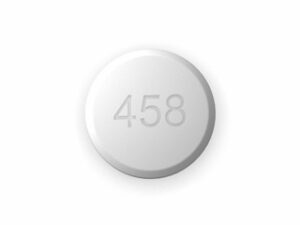
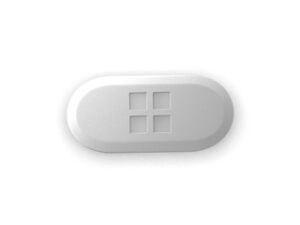
| Common formulations | Tablets and capsules are widely used; liquid preparations may also be available depending on local supply |
| Who it’s usually for | People receiving solid organ transplants; in some cases for specific immune diseases under specialist care |
| How it is used | Taken regularly in divided doses; timing matters for consistent immune suppression |
How CellCept works (mechanism of action)
CellCept reduces the production of DNA in activated immune cells. After swallowing, mycophenolate mofetil is converted in the body to an active form, mycophenolic acid. This active component inhibits an enzyme involved in the de novo (new) production of a DNA building block called guanine.
Because rapidly dividing immune cells rely on this pathway to multiply, inhibiting it helps limit immune cell proliferation. In transplant settings, this decreases the risk that your immune system will reject the new organ.
Pharmacokinetics (how the body processes it)
While individual responses vary, the general behaviour of CellCept in the body includes:
- Absorption: Mycophenolate mofetil is absorbed after oral dosing and is converted to mycophenolic acid.
- Active metabolite: The effect is primarily linked to mycophenolic acid (and related metabolites).
- Distribution: Mycophenolic acid distributes throughout the body, including tissues involved in immune responses.
- Metabolism and elimination: The drug and metabolites are cleared mainly via the liver and bile and then excreted through the gut and kidneys.
- Variability: People may have different blood levels due to factors such as kidney and liver function, drug interactions, and adherence.
In some transplant and specialist disease settings, clinicians may monitor medicine levels or blood counts depending on the situation.
Typical use and indications
CellCept is used to control immune activity. The most common reasons include:
Solid organ transplantation
- Prevention of organ rejection in patients receiving solid organ transplants, usually as part of a combination immunosuppressive regimen.
Selected immune-mediated conditions
In the UK, mycophenolate mofetil is also used for certain immune conditions under specialist guidance where suppressing the immune system is appropriate. Indications vary by patient group and local protocols, so your treating team will confirm whether CellCept is suitable for your specific diagnosis.
How to take CellCept (timing and dosing basics)
Dosing must be personalised. Your specialist will choose a dose based on your condition, age, weight (in some groups), kidney function, and how you tolerate treatment. You should always follow your treatment plan.
General dosing principles
- Consistency is important: Take doses at roughly the same times each day.
- Do not stop suddenly: Stopping or missing doses can increase the risk of rejection or loss of disease control.
- Follow the schedule: Many regimens are taken twice daily, about 12 hours apart, but your exact schedule may differ.
- Tablets/capsules: Swallow whole as directed. Do not crush or open unless your pharmacist or clinician advises it for your specific product.
What to do if you miss a dose
If you miss a dose, take it when you remember unless it is close to the next scheduled dose. Do not take a double dose to make up for the missed one. If you are unsure, ask your pharmacist or clinical team for guidance.
Duration of treatment
In transplant care, mycophenolate-based therapy is often long-term, sometimes for many years. For certain immune conditions, duration depends on disease activity and specialist monitoring. Do not change your course without medical advice.
Food interactions
Food can affect the absorption of mycophenolate mofetil for some people. For this reason, your prescription instructions usually include whether CellCept should be taken with or without food.
- Best practice: Take CellCept in the same way each day (e.g., always with food or always on an empty stomach) unless your clinician instructs otherwise.
- Gastrointestinal symptoms: If you experience ongoing vomiting or diarrhoea, absorption may be reduced, and you should contact your specialist team.
Alcohol and medicine interactions
Alcohol
Moderate alcohol may be allowed for some people, but it can increase strain on the liver and worsen side effects like nausea or dizziness in others. With CellCept, it’s especially important to consider:
- Your liver health (if you have liver disease or abnormal liver tests)
- Whether you take other medicines that affect the liver
- Any history of infections or low blood counts
If you’re unsure, ask your pharmacist or transplant/clinic team what is appropriate for you.
Important medicine interactions
CellCept has several clinically relevant interactions. Some medicines can reduce blood levels (increasing risk of rejection or disease flare), while others can increase exposure (increasing side effects such as infections or blood count suppression).
Tell your healthcare team about all medicines you take, including:
- Prescription medicines
- Over-the-counter products (including cold/flu remedies)
- Herbal supplements
- Vitamins or minerals
Examples of interaction types
- Azathioprine: Avoid combining with mycophenolate unless specifically directed, as both suppress the immune system.
- Antacids containing aluminium or magnesium: May affect absorption in some circumstances.
- Cholestyramine: May reduce mycophenolate levels by interrupting drug re-circulation in the gut.
- Medicines that affect gut bacteria or bile flow: Changes in gut handling of the drug may alter exposure.
- Drugs affecting immune activity: Many combinations are used intentionally in transplantation, but the overall effect increases infection risk—monitoring is crucial.
- Live vaccines: Generally should be avoided during immunosuppression. Speak to your clinician before any vaccination.
Your pharmacy team can check interactions with your full medicine list.
Safety profile and side effects
CellCept suppresses parts of the immune system. This can lead to certain predictable risks, particularly infections and blood cell changes. Not everyone experiences side effects, and many are managed with dose adjustments or supportive care.
Common side effects
- Gastrointestinal symptoms such as diarrhoea, nausea, abdominal discomfort
- Reduced appetite
- Headache or general tiredness
- Increased risk of infections (e.g., colds, urinary infections)
- Changes in blood counts (may be detected on routine blood tests)
Serious side effects – seek urgent advice
Contact your urgent care service or clinical team promptly if you develop symptoms that could indicate a serious complication. Examples include:
- Signs of infection: fever, chills, persistent sore throat, burning urine, or unusual severe fatigue
- Unusual bruising or bleeding (possible low blood platelets)
- Severe diarrhoea, vomiting, or signs of dehydration
- Allergic reaction such as swelling of the face/lips, rash, or breathing difficulty
Long-term risks (important to understand)
- Cancer risk may increase with ongoing immunosuppression (as with many immune-suppressing medicines). Attending screening and keeping follow-up appointments is important.
- Opportunistic infections can occur in immunosuppressed individuals. Prophylactic medicines may be used in some transplant programmes.
- Blood disorders: anaemia, neutropenia, or other changes can occur and may require regular monitoring.
Practical use tips for safer, smoother treatment
- Keep all monitoring appointments: Full blood counts and other tests are often scheduled to check immune suppression effects.
- Report infections early: Don’t “wait and see” if you develop fever or feel seriously unwell—contact your team promptly.
- Use infection-prevention habits: Hand hygiene, avoiding close contact with people who are unwell, and following any protective advice from your transplant clinic.
- Sun protection: Immunosuppression increases risk of skin changes. Use sunscreen and cover up when outdoors.
- Medication organisation: Consider a pill organiser and alarms to reduce missed doses.
- Don’t mix products: If you switch between formulations or brands, confirm the dose with your pharmacist.
- Pregnancy prevention: Mycophenolate can cause harm to an unborn baby. Follow contraception guidance provided by your specialist team. If you are planning pregnancy or think you may be pregnant, contact a healthcare professional immediately.
Monitoring and what your blood tests may be checking
People taking CellCept typically have periodic blood tests. Depending on your regimen and clinical status, these may include:
- Full blood count (FBC) to check white blood cells, red blood cells, and platelets
- Liver function tests
- Kidney function tests
- Mycophenolic acid exposure in certain situations (specialist-directed)
Always keep a note of your results if you are asked to bring them to appointments.
Alternative options
In transplant and immune disease care, there are different immunosuppressive strategies. The best option depends on diagnosis, risk level, tolerability, and treatment targets.
Possible alternatives (not exhaustive)
- Azathioprine (another immunosuppressant used in some regimens)
- Calcineurin inhibitors such as tacrolimus or ciclosporin (often part of combination therapy)
- mTOR inhibitors such as sirolimus/everolimus (used in selected cases)
- Biologic therapies for certain immune conditions (where appropriate)
Your specialist will choose based on your condition and how you respond. If you want to discuss alternatives, ask about benefits and risks tailored to your situation.
UK market and legal context (important notes)
In the UK, CellCept is an established medicine used under NHS and private care pathways for eligible indications. It is subject to national medicines safety requirements, including ongoing safety surveillance and updates to patient information.
Because mycophenolate has important risks—particularly related to pregnancy—UK prescribers and dispensing services follow strict measures to support safe use, including clear patient education and contraception guidance for those who could become pregnant (and for partners, where relevant).
Availability and guidance can evolve, so always rely on information from your treating team and pharmacist.
Recent guidance and updates (what to expect in practice)
Over time, healthcare systems update advice based on safety monitoring and real-world use. Key themes in current UK practice include:
- Reinforced pregnancy prevention measures and early escalation of concern if pregnancy is possible.
- Clear patient education about infection risk, missed doses, and when to seek help.
- Ongoing monitoring for blood counts and organ function, particularly in transplant recipients.
- Careful interaction checking when new medicines are started (including vaccines and antibiotics/antifungals where relevant).
If you have questions about your specific plan, ask your specialist team or pharmacist for the most current advice relevant to you.
Delivery and availability in the United Kingdom
Many UK online pharmacies can supply CellCept within standard delivery arrangements, subject to availability and product type (tablets/capsules/liquid) as well as pharmacy regulations and local stock levels.
What affects availability:
- Strength and formulation required
- Local supplier stock
- Seasonal demand and prescribing patterns
If your preferred pack size or formulation is temporarily unavailable, your pharmacist may discuss options such as alternative pack sizes or alternative formulations that maintain the correct daily dose. Do not change the dose yourself.
For safe delivery, ensure your address details are correct and that someone can receive the package if required. Keep the medicines in a cool, dry place, away from sunlight, and out of reach of children.
FAQ – Frequently asked questions
1) Is CellCept the same as mycophenolate?
CellCept is a brand name for mycophenolate mofetil. There may be other brands or generic products containing the same active ingredient, depending on availability. If you switch products, confirm the dose instructions with your pharmacist.
2) How long does it take to start working?
CellCept begins acting after absorption and conversion to mycophenolic acid. In transplant care, the medicine is taken as part of a long-term regimen, and effects on immune suppression are expected promptly while the body adapts over time. If you’re using it for an immune condition, improvement may be gradual and depends on the underlying disease.
3) Can I take CellCept with food?
Food can affect absorption. Many people are instructed to take it with or without food consistently. Follow the exact instructions given to you by your specialist or pharmacist for your product.
4) What if I get diarrhoea or vomiting?
Gastrointestinal upset is a known side effect. However, if diarrhoea or vomiting is severe or persistent—especially if you can’t keep tablets down—contact your clinical team promptly, as absorption may be reduced and your risk of infection or treatment failure may increase.
5) Does CellCept affect vaccinations?
Immunosuppression can reduce the effectiveness of some vaccines. Also, live vaccines are generally avoided while taking immunosuppressants. Check with your specialist before receiving any vaccine, including flu or travel vaccinations.
6) Can I drink alcohol while taking CellCept?
Moderate alcohol may be possible for some people, but it can worsen side effects and affect the liver—especially if you take other medicines. Ask your healthcare team what level is safe for you.
7) Are there any lifestyle steps I should take?
Yes. Prioritise infection prevention (hand hygiene, avoiding people who are unwell), use sun protection, keep regular monitoring appointments, and contact your team early if you become unwell.
8) What are the most important warning signs?
Seek medical advice urgently if you have fever, signs of serious infection, unusual bruising/bleeding, severe diarrhoea or dehydration, or symptoms of an allergic reaction.
9) Can I stop CellCept if I feel better?
Do not stop without medical advice. Stopping suddenly can cause loss of disease control or increase the risk of organ rejection.
10) Who should not take CellCept?
Suitability depends on your medical history. Special care is needed for pregnancy and breastfeeding, and for people with specific allergies or serious organ impairment. Your clinician will assess whether CellCept is appropriate for you.