

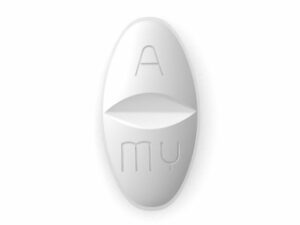
Clonidine (Clonidine) – Patient Information Guide (UK)
Clonidine is a medicine used to treat certain conditions by lowering nerve signalling activity in the brain and reducing sympathetic (“fight or flight”) output. It may be prescribed for high blood pressure and other specific uses, depending on your situation and clinical guidance in the United Kingdom.
This guide is written to help you understand how clonidine works, how it is typically taken, important safety information, and practical tips for using your medicine effectively. It is intended for patient information and does not replace advice from your healthcare professional.
1. Basic product information
| Feature | Information |
|---|---|
| Active ingredient | Clonidine |
| Medicinal class | Central alpha-2 adrenergic agonist (acts on receptors in the brain) |
| Common forms | Tablets/capsules and (in some markets) other formulations (e.g., transdermal patches in certain brands) |
| Typical uses | Raised blood pressure; some off-label/adjunct uses may apply depending on local guidance and clinician judgement |
| How it’s taken | By mouth for tablets/capsules; patch for transdermal formulations (if supplied) |
| Key safety consideration | Do not stop suddenly—tapering is often necessary to avoid rebound hypertension |
Brand names and strengths vary. Always check the specific product you have been given and follow the instructions on the label or patient information leaflet (PIL).
2. How clonidine works (mechanism of action)
Clonidine works mainly by stimulating alpha-2 adrenergic receptors in the central nervous system (CNS). This reduces the release of certain nerve signals involved in raising heart rate and blood pressure.
- Lower sympathetic outflow: It decreases “fight or flight” nervous system activity.
- Reduced vascular tone: Blood vessels relax more, helping reduce blood pressure.
- May calm certain overactive pathways: Depending on the condition being treated, clonidine can influence central pathways related to behaviour, hyperactivity, or withdrawal-related symptoms.
The result is typically a reduction in blood pressure and related symptoms such as fast heart rate, depending on the reason clonidine has been chosen for you.
3. Pharmacokinetics (how the body handles clonidine)
“Pharmacokinetics” describes how clonidine is absorbed, distributed, metabolised, and eliminated. While exact values can vary by individual and formulation, the key patterns are as follows:
- Absorption: After oral dosing, clonidine is absorbed through the gastrointestinal tract.
- Onset: Some blood pressure effects may begin within a few hours. Full effects may take longer, particularly when adjusting dose.
- Distribution: Clonidine distributes throughout the body and crosses into the brain due to its central action.
- Metabolism: Clonidine is metabolised mainly in the liver (metabolic pathways involve the liver).
- Elimination: It is eliminated largely through the kidneys and partially through other pathways. Kidney function can therefore influence exposure.
- Duration: The effective effect can last several hours, which is why dosing schedules may be multiple times daily.
Your prescriber may monitor blood pressure and pulse and may adjust the dose gradually to reach a safe and effective level.
4. Typical use in the UK
In the UK, clonidine is used for specific clinical indications, with dosing tailored to the individual. The most well-known use is for high blood pressure. It may also be used for other conditions where central nervous system effects are helpful, depending on specialist advice.
- Raised blood pressure (hypertension): Especially in situations where a centrally acting option is suitable.
- Other specialist uses: Clonidine may be considered for certain problems involving central regulation (for example, some cases of agitation, tics, or symptoms related to withdrawal), though availability and evidence vary by condition.
If you are taking clonidine for a reason other than hypertension, your clinician will usually provide specific instructions on timing, monitoring, and stopping.
5. Indications (what conditions it may treat)
Indications depend on the exact product information and local clinical practice. Common indications include:
- Hypertension (raised blood pressure)
- Adjunct or symptom-focused treatment for certain conditions where centrally mediated effects are beneficial, as determined by your healthcare professional
Always refer to your own supply’s patient information leaflet for the official licensed indication for your specific preparation.
6. How to take clonidine: dosing, timing, and missed doses
Dose and schedule must be individualised. Always follow the instructions given to you and the directions on your medicine label.
Typical dosing approach
- Start low and increase gradually: Many people begin at a lower dose to reduce side effects like dizziness or tiredness.
- Split dosing is common: For tablets, clonidine is often taken more than once daily depending on formulation.
- Monitoring: Blood pressure and pulse may be checked at the start and after dose changes.
Timing tips
- Try to take doses at consistent times each day.
- If it causes sleepiness, consider taking the larger portion of your dose in the evening (only if your clinician agrees).
- If it causes mild drowsiness, avoid driving or operating machinery until you know how you react.
If you miss a dose
- Take it when you remember if it is not close to the next dose.
- Do not double up to make up for a missed dose.
- If you frequently miss doses, speak to your healthcare professional for advice on simplifying your schedule.
Do not stop suddenly
Stopping clonidine abruptly can lead to rebound hypertension (a rapid rise in blood pressure), along with symptoms such as agitation, headache, and sweating. If you need to stop, your clinician will usually recommend a gradual taper.
7. Food interactions
Clonidine tablets can usually be taken with or without food. However, for the best consistency of dosing, many people find it helpful to take clonidine the same way each day (e.g., always with food or always on an empty stomach).
- Food: Generally no major interaction, but follow your product guidance.
- Hydration: Staying well hydrated may help reduce dizziness, especially when starting or increasing dose.
If you experience stomach upset, dizziness, or nausea after taking clonidine, discuss options with your clinician.
8. Alcohol and medicine interactions
Alcohol
Alcohol can increase the risk of side effects such as drowsiness, dizziness, and low blood pressure. It may also affect driving safety. It is generally advisable to keep alcohol intake modest and to avoid alcohol until you know how clonidine affects you.
Medicines that may interact
Interactions depend on your personal medicines. Common categories to be cautious about include:
-
Other blood pressure–lowering medicines (risk of low blood pressure, dizziness, or fainting)
- Examples: beta-blockers, ACE inhibitors, angiotensin receptor blockers, calcium channel blockers, diuretics.
-
Sedatives and medicines that cause drowsiness (risk of excess sleepiness)
- Examples: benzodiazepines, opioids, some antihistamines, some antidepressants, sleep medicines.
- Medicines that affect heart rhythm or heart rate (risk of bradycardia or rhythm changes)
- Tricyclic antidepressants and some other psychotropic medicines (may affect blood pressure response in some people)
- Other central nervous system depressants
If you start, stop, or change doses of any medicine, let your healthcare professional know. Keep a list of all medicines (including over-the-counter products and herbal remedies) and show it at appointments.
9. Safety profile: important warnings and side effects
Like all medicines, clonidine can cause side effects. Not everyone experiences them. Some are more common at the start of treatment or after dose increases, and many improve as your body adjusts.
Common side effects
- Dizziness (especially when standing up)
- Tiredness or sleepiness
- Dry mouth
- Headache
- Constipation
- Nausea
Less common but important side effects
- Low blood pressure (hypotension) or fainting
- Slow heart rate (bradycardia)
- Skin reactions (more relevant for patch formulations)
- Mood changes or sleep disturbance (uncommon, but possible)
Seek urgent medical advice if
- Severe dizziness, fainting, chest pain, or unusually slow heart rate
- Signs of an allergic reaction (e.g., swelling of the face/lips, difficulty breathing, widespread rash)
- Very high blood pressure symptoms after missed doses or stopping suddenly (e.g., severe headache, confusion, shortness of breath)
Special precautions
- Older adults: May be more sensitive to dizziness and low blood pressure.
- Kidney problems: Tell your prescriber if you have impaired kidney function; dose adjustment may be needed.
- Driving and machinery: If clonidine makes you drowsy, avoid driving until you know it doesn’t impair you.
- Dehydration: Being dehydrated can worsen dizziness and low blood pressure.
Pregnancy and breastfeeding
If you are pregnant, trying to conceive, or breastfeeding, discuss clonidine with your healthcare professional. The benefit to you must be weighed against potential risks to the baby.
10. Practical use tips (how to get the best results safely)
- Check your blood pressure and pulse if advised: Your clinician may recommend home monitoring, especially during the first weeks.
- Stand up slowly: Dizziness is more likely when starting or increasing dose. Sit on the edge of the bed before standing.
- Keep doses consistent: Take at the same times daily to maintain steadier effects.
- Don’t miss doses: Missing doses can increase the risk of rebound symptoms. If you miss more than one dose, seek advice promptly.
- Plan ahead for discontinuation: If clonidine needs to be stopped, ask for a tapering plan.
- Manage dry mouth: Sip water regularly, use sugar-free sweets or gum, and maintain good oral hygiene.
- Watch for constipation: Increase dietary fibre and fluids if appropriate. If constipation is troublesome, discuss a suitable stool softener or laxative option.
11. Alternative options
“Alternative” depends on what clonidine is being used for (e.g., high blood pressure vs another specialist use), your medical history, and any other medicines you take. In general, alternatives for raised blood pressure may include:
- ACE inhibitors (e.g., ramipril)
- ARBs (e.g., losartan)
- Calcium channel blockers (e.g., amlodipine)
- Thiazide-like diuretics (e.g., indapamide)
- Beta-blockers (selected patients, depending on comorbidities)
For other central symptom uses, specialists may consider different medicines or non-medicine strategies depending on the cause. If you’re exploring alternatives, ask your clinician which options fit your condition and personal risk factors.
12. UK market and legal context
In the United Kingdom, clonidine is subject to UK medicines regulation and supply arrangements. Medicines are supplied under the UK’s medicines governance framework, and availability may vary based on formulation and strength.
Availability through pharmacies typically depends on whether you have an appropriate NHS prescription or an alternative lawful supply route. Brand availability, packaging, and the patient information leaflet can differ between manufacturers.
Your online pharmacy page should display the correct product details (such as strength and form). If anything is unclear, contact the pharmacy support team before placing an order.
13. Recent guidance and monitoring (UK context)
Clinical practice for hypertension and centrally acting therapies evolves as guidance from professional bodies is updated. In the UK, blood pressure management commonly follows evidence-based guidance, including:
- Regular monitoring of blood pressure response and side effects
- Individualised dosing rather than one-size-fits-all treatment
- Assessment of cardiovascular risk and lifestyle measures (e.g., salt reduction, exercise, smoking cessation)
- A safe plan for stopping medicines when treatment changes are made—especially for clonidine due to rebound effects
If you have hypertension, your clinician may also review targets, kidney function, electrolytes, and overall cardiovascular risk. If clonidine is being used for another condition, specialist follow-up may be required.
14. Delivery and availability
Availability varies by strength and formulation. Online pharmacies in the UK may offer:
- Standard delivery (often within a few working days, depending on local courier routes)
- Express delivery options (where available)
- Cold-chain handling only if required by specific products (not typical for tablets)
When ordering, ensure:
- You select the correct strength and dosage form stated on the product page.
- Your delivery address is correct and someone can accept the parcel if required.
- You check the packaging for batch/expiry details on arrival.
If you need your medicine urgently, contact the pharmacy support team to confirm stock status and delivery options.
15. Storage and disposal
- Store below 25°C unless the leaflet specifies otherwise (commonly “cool, dry place”).
- Keep in the original packaging to protect from light and moisture.
- Keep out of sight and reach of children.
- Do not use after expiry date.
For disposal, follow your local guidance. Many pharmacies accept medicines for safe disposal (or there are community collection points). Do not flush tablets down the toilet unless instructed.
16. FAQ
How quickly does clonidine start working?
Many people notice some effect within a few hours, but the full benefit—especially for blood pressure control—may take longer and depends on your starting dose and how it is adjusted.
Will clonidine make me sleepy?
Drowsiness or tiredness can occur, particularly at the start or after dose increases. If you feel sleepy, avoid driving or operating machinery until you know how you react.
Can I stop clonidine once I feel better?
Do not stop suddenly. Clonidine can cause rebound hypertension if stopped abruptly. If you want to stop or switch treatment, ask your healthcare professional for a gradual tapering plan.
What should I do if my blood pressure becomes too low?
If you feel faint, very dizzy, or have symptoms of low blood pressure, contact your healthcare professional promptly. Your clinician may adjust dose or review other medicines that also lower blood pressure.
Are there any food restrictions?
Usually clonidine can be taken with or without food. The key practical aim is consistency—take it the same way each day unless your leaflet says otherwise.
Is alcohol safe with clonidine?
Alcohol can increase dizziness and drowsiness and may worsen low blood pressure. Use caution and limit alcohol until you know how clonidine affects you.
Can I take other medicines like cold remedies?
Some cold and flu products contain ingredients that may affect blood pressure or heart rate (for example, decongestants). It’s best to check with your pharmacist or read the label carefully before taking additional products.
What if I miss more than one dose?
If you miss multiple doses or are unsure what to do, contact your healthcare professional or pharmacy for specific advice. This is especially important because sudden changes can increase the risk of rebound symptoms.
Is clonidine used for everyone with hypertension?
No. Treatment choice depends on your health profile, other medicines, and response. Your clinician chooses the most suitable option for controlling blood pressure safely.
If you have questions about clonidine or you are unsure whether it is suitable for you, speak to a healthcare professional or contact the pharmacy team. They can help you understand your specific regimen, monitor side effects, and plan any dose changes safely.